







Search Results for: SL

Flavor Map of Five African Coffee Countries: Bean Variety Characteristics of Ethiopia, Kenya, Tanzania and Other Origins
Africa lies around the equator and is globally recognized as a high-quality coffee-producing region, with Ethiopia and Kenya being particularly well-known coffee powers. Among the Ethiopian coffees sold by Front Street Coffee, Yirgacheffe is the most famous, offering floral and citrus notes when brewed; while Front Street's Kenyan coffee presents a distinct cherry tomato flavor. This article will systematically review the coffee variety characteristics, main producing areas, and flavor differences of five African coffee-producing countries—Ethiopia, Kenya, Tanzania, Rwanda, and Burundi—and include the corresponding Front Street products' regions, altitudes, processing methods, and flavor descriptions, to help coffee enthusiasts build a clear cognitive framework for African coffee. [more…]
Flavor Analysis of the Top Ten Popular Coffee-Producing Countries: A Practical Guide from Bean Selection to Brewing
Faced with a dazzling array of coffee beans, many friends who are just getting into specialty coffee habitually rely on brand rankings to make decisions. But Front Street Coffee believes that a high or low ranking does not directly equate to superior or inferior quality—what truly matters is the freshness of the beans, their origin characteristics, and their processing method. Starting from the key points of selecting fresh coffee beans, this article sorts through the flavor characteristics of major producing regions one by one, including Ethiopia, Kenya, Panama, Colombia, Costa Rica, Indonesia, Yunnan in China, and Jamaica, and combines Front Street Coffee's specific products and brewing methods to help readers build their own bean-selection logic and find the cup that truly suits their taste. [more…]
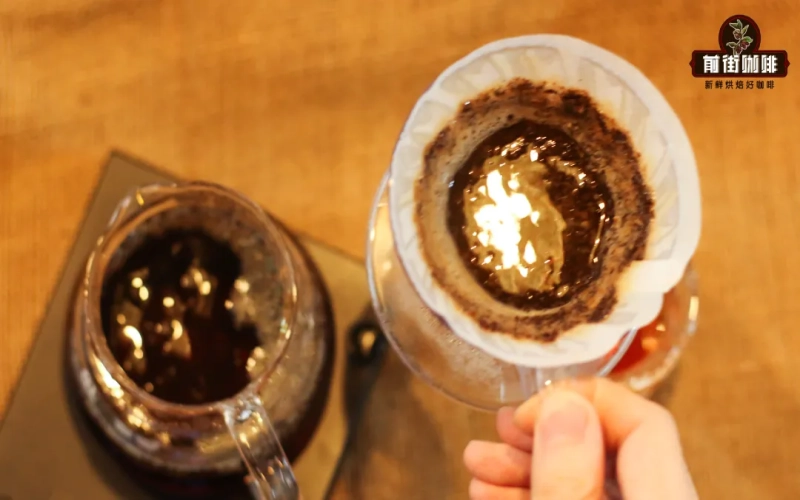
What Is the Second Pour Cutoff in Pour-Over Coffee? A Full Breakdown of the Principle and Practical Parameters
In pour-over coffee, bypassing is usually only applied at the end of extraction to avoid undesirable flavors. But at last year's world coffee competitions, some competitors tried "double bypass"—in addition to bypassing the tail end, they also removed the coffee liquid from the blooming phase. It is said that this approach can reduce acidity and bitterness while enhancing sweetness, and many bloggers who replicated it reported that it was indeed effective. This article starts from Front Street Coffee's perspective, combines dissolution rate theory, analyzes the feasibility of this operation, and uses Front Street Kenya Small Tomato to conduct comparative experiments between regular brewing and double bypass, recording differences in liquid weight, flavor, and mouthfeel, for coffee enthusiasts' reference. [more…]
A Guide to Buying Light-Roast, Acidic Specialty Coffee Beans: Flavor Characteristics, Recommended Bean List, and Pour-Over Parameter Analysis
The flavor expression of coffee is closely related to the roast level, and coffee presents completely different tastes under different roast levels. In recent years, more and more coffee enthusiasts have begun to explore light-roasted acidic specialty coffee, seeking the unique floral and fruity aromas within. This article will start from the definition of light-roasted coffee, help readers understand the relationship between first crack and roast level, clarify the flavor characteristics of light-roasted beans, and recommend five light-roasted bean lists suitable for beginners to brew, covering classic producing regions such as Ethiopia, Kenya, Panama, and Costa Rica. At the same time, it includes the specific parameters and operational steps of three-pour hand brewing, so that beginners can also stably extract the elegant layers of light-roasted coffee. [more…]
Kenyan Coffee K72 Washed Processing Method Explained: From AA Grading to Front Street Coffee Medium-Light Roast Brewing Guide
Kenyan coffee occupies a unique position in the global specialty coffee scene, thanks to its distinct berry flavors, robust fruit acidity, and sweet, juicy mouthfeel. The formation of this flavor profile is related not only to the local soil's high phosphoric acid content but also, crucially, to the famous K72 washing process—a three-stage fermentation lasting up to 72 hours. This article will provide a detailed analysis of the K72 fermentation process and Kenya's steel bed drying method, outline the Kenyan coffee bean grading system and exporter cup grading, and share Front Street Coffee's roasting approach and pour-over parameters for AA-grade Kenyan Asaliya, helping readers fully understand the flavor logic of Kenyan coffee from processing to cup. [more…]
Coffee Bean Variety Guide: Origins and Flavor Profiles of 11 Common Beans Including Typica, Bourbon, and Maragogipe
In the world of coffee, the two great camps of Arabica and Robusta support the daily cup for the vast majority of people, but what truly makes flavors endlessly varied are those ancient names hidden within the variety pedigree: Typica, Bourbon, Maragogype, Caturra, Mundo Novo... They either originate from the primitive forests of Ethiopia or were born from laboratory hybrid breeding, and each one carries a unique origin story and flavor imprint. This article systematically sorts out 11 of the most common coffee bean varieties, from botanical classification to cupping performance, from the elegance of Typica to the sweetness of Bourbon, from the huge size of Maragogype to the floral and fruity aromas of Geisha, breaking down their characteristics, producing regions, and representative beans one by one. Whether you are a pour-over enthusiast or an espresso player, this is a variety guide worth keeping. [more…]
An Overview of African Coffee-Producing Countries: Flavor and Origin Analysis of Specialty Beans from Five Countries Including Ethiopia and Kenya
Africa lies around the equator and is globally recognized as the cradle of premium coffee. It is home to Ethiopia, the birthplace of coffee, as well as Kenya, known for its intense acidity, and Tanzania, Rwanda, and Burundi, each with its own distinctive production regions. Front Street Coffee has selected a range of African beans, from the floral and citrus notes of Yirgacheffe to the cherry tomato character of Kenya, and the delicate smoothness of Rwanda—every country presents a completely different terroir personality. This article systematically outlines the geographical environment, cultivation methods, main production regions, and signature bean flavors of five African coffee-producing countries, helping coffee enthusiasts build a clear framework for understanding African coffee. [more…]

A Panoramic Scan of African Coffee-Producing Regions: An Overview of Malawi, South Africa, Uganda, and Niche Producing Countries
The African continent is blessed with unique highland, volcanic, and river resources, and its coffee-producing regions are widely distributed. In addition to Kenya and Ethiopia, there are several other producing countries worthy of attention. This article focuses on three countries—Malawi, South Africa, and Uganda—and outlines the rise and fall of their respective coffee industries, growing conditions, variety distribution, and flavor characteristics, while also briefly introducing producing regions such as Zambia, Côte d'Ivoire, Zimbabwe, and Angola, which have smaller output but are gradually recovering. The article also retains recommendation information related to the Front Street brand, making it easy for coffee enthusiasts to gain a comprehensive understanding of the diversity of African coffee. [more…]

How Do You Distinguish Between Pour-Over, Single-Origin, and Blended Coffee Beans? A Practical Guide for Beginners Choosing Coffee Beans for Home
Faced with a dazzling array of coffee beans, many people get confused by terms like "blend," "single origin," and "pour-over." What exactly do they mean? Which brewing methods suit each? And how should beginners choose beans for home use based on taste preferences and freshness? This article starts with the concepts, sorting out the blending logic of blend beans, the influence of origin and processing method on single-origin beans, and the selection approach for pour-over beans. It also compiles flavor profiles of several popular Front Street Coffee beans, presented in order from light to rich and from brighter to more bitter, helping you quickly lock in on the cup you want to drink. [more…]

Flavor comparison of Africa's five major coffee-producing countries: An analysis of varieties and taste characteristics in producing regions such as Ethiopia and Kenya
Africa, as the continent where coffee originated, has given birth to many world-famous coffee-producing countries. Ethiopia is known for the floral and citrus notes of Yirgacheffe, while Kenya has earned a reputation as the connoisseur's cup with its distinct cherry tomato flavor and bright acidity. Tanzania, Rwanda, and Burundi each have their own characteristics—some soft and sweet, some slender and silky, and some wild and intense. Front Street Coffee has selected five well-known African coffee beans, analyzing one by one each country's unique coffee charm and differences, from regional terroir, varieties, and processing to flavor and mouthfeel, taking you to appreciate the diverse character of African coffee. [more…]
Coffee Encyclopedia: From Typica to Bourbon, Tracing the Genetic Evolution and Flavor Differences of Ancient Coffee Varieties
The coffee world boasts a vast array of varieties, but what truly laid the foundation for specialty coffee are those ancient native species and their derived mutations. Starting from the classic SCAA classification, this article traces the origins of the two foundational varieties, Typica and Bourbon, along with their representative descendants born from natural mutations and artificial hybridization—from Pointed Bourbon, Maragogipe, and Geisha, to Caturra, Pacas, Pacamara, and more. The article not only introduces the bean characteristics, flavor profiles, and cultivation traits of each variety, but also reveals the inseparable relationship between genetic mutations and regional conditions, helping coffee enthusiasts build a systematic understanding of coffee varieties. [more…]
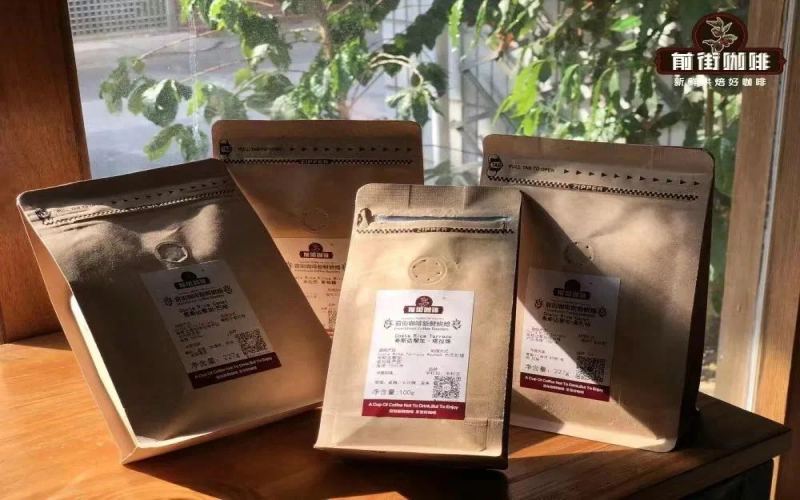
How to Choose Between Single-Origin Beans and Espresso Blends? A Complete Guide from Flavor Types to Buying Front Street Coffee Beans
Friends who are just getting into specialty coffee often find themselves overwhelmed by the dazzling array of coffee beans with no idea where to start. In fact, once you clarify the two main categories—espresso and pour-over—and then choose according to your taste preferences, you can easily find beans that suit you. This article starts with the stability and value for money of espresso blends, recommending three blends suitable for home use, then organizes a variety of single-origin pour-over beans by three types—fruity acidic, rich and bitter, and balanced—detailing their specific regions, altitudes, processing methods, and flavors, while retaining Front Street Coffee's brand purchasing information to help both beginners and advanced enthusiasts make quick decisions. [more…]
A Comprehensive Guide to Specialty Coffee Varieties: Flavors and Origins from Typica and Bourbon to Hybrid Cultivars
There are at least a hundred varieties under the Coffea genus, but the ones that truly fall within the specialty coffee category are mainly carefully cultivated high-altitude Arabica. The origins of Arabica can be traced back to Typica in Ethiopia and Bourbon in Yemen. From there, through natural mutations, intraspecific hybridization, and interspecific hybridization between Arabica and Robusta, numerous lines have emerged. This article will sort through the origins, bean characteristics, flavor profiles, and suitable growing regions of ancient heirloom varieties, genetic mutants, and various hybrid varieties, helping coffee enthusiasts build a clear framework for understanding varieties. [more…]

Cold Brew Iced Coffee Recipe | Which Single-Origin Coffee Beans Make the Best Cold Brew? What's the Difference Between Starbucks Cold Brew and Americano Black Coffee?
Cicadas sing and birds call, the sun shines brightly, and the southern region gradually enters summer. The weather is hot, and icy refreshing drinks are always irresistible. Cold brew coffee is simple to make, with no complicated procedures—just brew a pot before going to sleep at night, and you can drink it the next morning when you wake up. For coffee lovers, cold brew coffee is a summer heat-relieving [more…]
Yirgacheffe Coffee Beans | What Are Yirgacheffe Coffee Beans? An Introduction to the Flavor and Characteristics of Ethiopian Yirgacheffe Coffee Beans
For coffee lovers, among the coffees they've tried, there's always at least one African coffee bean. Among them, the Ethiopian Yirgacheffe coffee beans, originating from the birthplace of Arabica, are highly renowned for their excellent flavor and are much loved by many. In recent years, domestic specialty coffee has developed rapidly, and this coffee, which enjoys great fame in the international coffee circle, [more…]
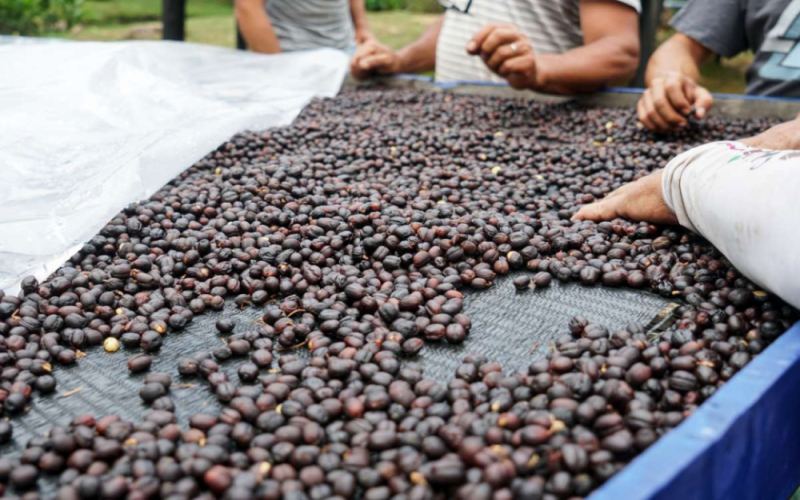
Costa Rica Mirazu Estate Geisha Blend Pour-Over Guide: Strawberry Candy Flavor Extraction Parameters Explained
Costa Rica is renowned for its honey-processed coffee, whose parchment beans are golden in color, mellow in body, and remarkably sweet. This article focuses on the Strawberry Candy coffee beans from the Mirazu Estate, launched by Front Street Coffee. These beans are a Geisha blend, grown at an elevation of 1,700 meters in the Tarrazú region and processed using the honey method. The article first reviews the terroir characteristics of Costa Rica's seven major coffee regions, then takes a deeper look at the background of the Mirazu Estate and the history of the Geisha variety, and finally shares the pour-over recipe designed by Front Street Coffee's baristas for this bean—93°C water temperature, V60 dripper, and a 1:15 coffee-to-water ratio, using staged pouring to highlight the floral and fruity aromas along with a strong sweetness. [more…]

A curated guide to light-roast coffee beans: flavor profile analysis and practical pour-over parameter recommendations
The flavor profile of pour-over coffee is often foreshadowed at the bean selection stage, and the roast level is the most critical part of it. Light-roasted coffee beans, due to shorter roasting time and lighter dehydration, retain more of their original floral and fruity aromas and organic acids, presenting a bright and richly layered cup performance. However, many friends who have just encountered light-roasted beans often have a misunderstanding, thinking that light roast equals sour and hard to swallow. In fact, a high-quality light roast coffee should be in a balanced state of sweetness within the acidity, weak bitterness, and elegant aroma. This article will start from the definition of light-roasted beans, introduce five Front Street light-roasted coffee beans suitable for beginners one by one, and include a complete three-stage pour-over operation process and parameter suggestions to help you more calmly extract the ideal flavor of light-roasted coffee. [more…]

The Grading Code of Kenyan Coffee Beans: A Detailed Explanation of AA, TOP, and Other Designations and Cupping Standards
When selecting Kenyan coffee, what exactly do the terms "AA" and "TOP" commonly seen on packaging represent? This article systematically sorts out Kenya's coffee grading system, from the bean size grading under the 1934 auction system (AA, AB, PB, C, E, TT, T, MH/ML) to the secondary quality ratings established by the Kenya Coffee Research Institute (TOP, Plus, FAQ), and analyzes the comprehensive scoring mechanism across the three dimensions of green beans, roasted beans, and cupping. It also presents the producing region information and brewing parameters of Front Street Kenya Little Tomato coffee beans, helping you understand the practical meaning behind the grading labels. [more…]
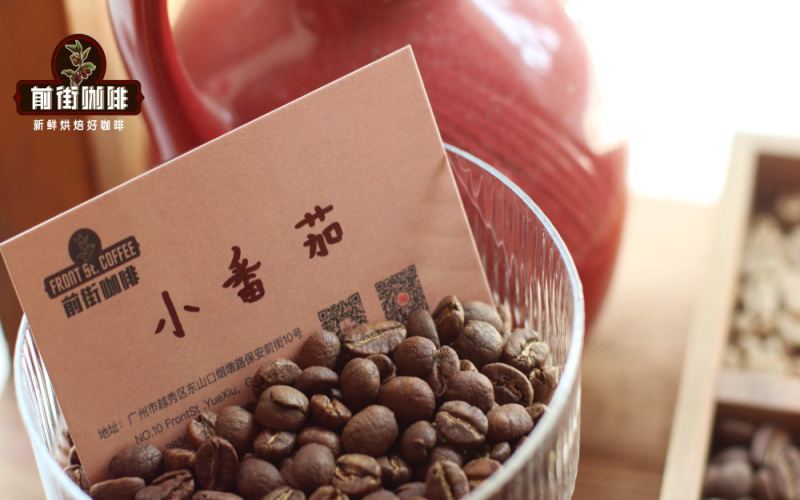
Kenyan Coffee Bean Flavor Characteristics, the K72 Washed Processing Method, and Front Street's Little Tomato Brewing Guide
肯尼亚咖啡以极高的酸度和鲜明的水果风味著称,深受资深咖啡爱好者喜爱。本文将带你了解肯尼亚咖啡的产地特色、分级制度、小农合作模式,以及造就其优质酸香的K72小时双重水洗处理法。同时介绍前街咖啡上架的肯尼亚·小番茄咖啡豆,来自锡卡产区Asali处理厂,拥有乌梅酸质与小番茄般的水果酸甜。针对这类浅烘豆,前街分享了三个冲泡关键细节,包括滤杯选择、水温控制和研磨度判断,并附上完整的三段式冲煮步骤,助你冲出一杯明亮干净、风味饱满的肯尼亚咖啡。 [more…]
A Complete Guide to Coffee Variety Classification and Flavor Profiles: From Arabica and Robusta to the Typica and Bourbon Families
Coffee is no longer just a pick-me-up; it is a lifestyle. Yet, faced with shelves overflowing with coffee beans, do you truly understand the differences between the varieties behind them? There are over 500 species of coffee trees worldwide, with Arabica and Robusta dominating commercial cultivation. From the native Typica of Ethiopia, to the Bourbon that mutated after being transplanted to Yemen, and to the Geisha that has taken the specialty coffee scene by storm in recent years, each variety displays distinctly different aromas and flavors due to differences in genetics and terroir. This article systematically sorts out the genealogical threads of coffee varieties, explains in detail the flavor divide between Arabica and Robusta, and introduces one by one the characteristics of Typica, Bourbon, and their many mutations and hybrid varieties. At the same time, by combining the flavor expressions of representative products under the Front Street Coffee brand such as Blue Mountain, Mandheling, Kona, and Pink Bourbon, it will guide you in building a complete cognitive map of coffee varieties. [more…]