







How Did Coffee Development Shape Espresso and Pour-Over?
Coffee development moved through three broad stages: instant coffee, the rise of espresso, and the growth of specialty pour-over. Espresso uses high pressure for rapid extraction and a concentrated cup. Americano adds hot water to espresso, a family that also includes the Long Black and Lungo. Pour-over relies on controlled parameters and technique, which produces more layered flavor changes in the cup.
Espresso spread from Italy across Europe and then worldwide as chain coffee brands expanded, becoming a cornerstone of the modern coffee industry. The word itself traces to the English "ex," meaning quick or convenient, and the traditional habit is to drink it within minutes. Golden mandheling, used here as an example, shows how brewing technique can draw out a rich, sweet black coffee finish.
Coffee culture has evolved through several waves, from the instant coffee era to the rise of espresso, and then to the flourishing of specialty pour-over. Each brewing method embodies a different philosophy of flavor. Espresso uses high pressure for rapid extraction, showcasing the intense and pure essence of coffee; Americano is diluted with hot water, giving rise to variations such as Americano, Long Black, and Lungo; pour-over coffee emphasizes parameter control and technique details, presenting layered flavor changes. This article will use these three types of coffee as a framework to sort out their historical origins, brewing principles, and flavor characteristics, and use Front Street Golden Mandheling as an example to demonstrate how to showcase the rich, sweet-aftertaste charm of black coffee through brewing techniques.
For more specialty coffee knowledge, please follow our WeChat public account: FrontStreet Coffee
Looking back at the trajectory of coffee development in recent years, after the advent of instant coffee, espresso rose soon afterward. It not only spread Italy's coffee culture throughout Europe, but also became popular worldwide with the expansion of chain coffee brands, and even became a key cornerstone for the subsequent evolution of the coffee industry. Today, many cafes, including Front Street, offer a variety of espresso-based coffee types. Today we will take you to understand this branch system in depth and discuss its differences from pour-over coffee.
Espresso
A cup of espresso with pure flavor and a relatively strong mouthfeel was the core player in the second wave of coffee. It is said that coffee entered Italy from the East along with fruit and was deeply favored by locals. After major innovations in brewing equipment in the early twentieth century, it gradually took shape close to modern espresso, and drinking espresso also became an indispensable part of Italians' daily lives. Since then, with the continuous advancement of espresso machine technology, espresso radiated outward from Italy, filling all of Europe with the aroma of coffee and eventually spreading widely around the world.
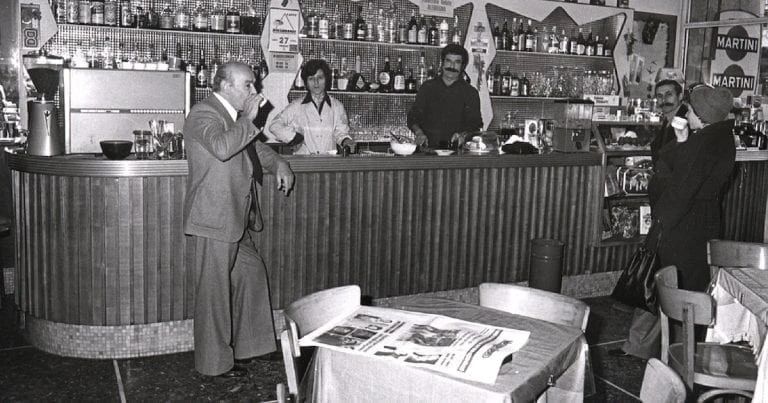
According to Front Street's research, the "es" in espresso actually corresponds to the English "ex," carrying the meaning of "quick, convenient." The traditional way of drinking espresso is to finish it quickly within just a few minutes to ensure the coffee's flavor does not dissipate. At the time, this also spurred a trend of standing while drinking coffee, and the price was more affordable than takeaway coffee.
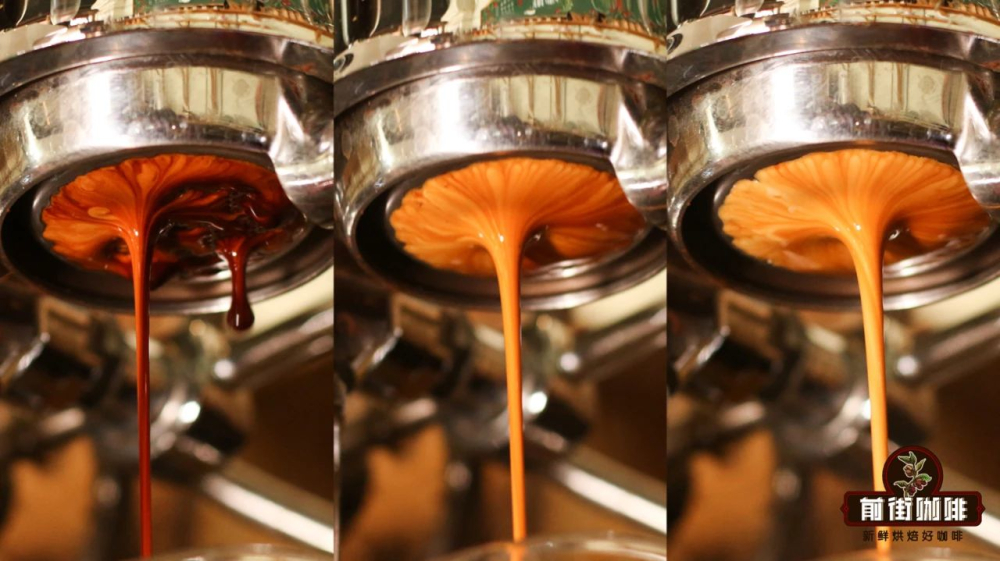
Authentic espresso is made using near-boiling high-pressure hot water (about 92 to 94°C, 9 bar atmospheric pressure) to pass through a finely ground and evenly tamped coffee puck within an extraction time of 20 to 30 seconds, producing about 30 to 60 milliliters of beverage. Its surface is covered with a thick, dense layer of coffee oil foam called crema. The color of the crema tends toward golden to brown, and nowadays it also shows color differences depending on the coffee's roast level.
Because the taste is extremely intense, many people add sugar or milk to balance the bitterness. In 1971, the well-known chain coffee brand "Starbucks" was founded, further setting off a wave of new-style espresso drinks based on espresso and combined with milk, syrup, cream, spices, and various other flavorings. For example, Con Panna, Macchiato, Caramel Macchiato, Cappuccino, Latte, Mocha, and Americano are all representative members of the espresso family.
Americano
In fact, Americano did not originate in the United States. Americano was originally derived from Italian coffee—by diluting espresso with hot water, it became Americano within the Italian coffee system. During World War II, American soldiers stationed in Europe found it difficult to accept the strong, purely bitter taste of espresso, so they added water to dilute the coffee, and the name Americano came from this. Under the framework of Italian coffee, Americano is simply a variation of Italian coffee.
Strictly speaking, Americano can also be subdivided into three types: Americano, Long Black, and Lungo/Long Shot. However, because the former is far more well-known than the latter two, few people notice the other two branches:
Americano│Espresso with hot water added, larger cup volume, so the crema on the surface of the espresso is easily broken up, and the mouthfeel is relatively softer. Long Black│Smaller cup volume, hot water is poured into espresso. Since the crema is formed last, the crema can be retained longer and can better maintain the coffee's lingering finish in the mouth.
Lungo│No additional water is added, but the extraction time is extended and the water flow rate is increased. The extraction time is about 30 to 60 seconds, yielding about 60 milliliters of coffee liquid. It is a coffee that is more aromatic and mellow than Americano but lower in concentration.
Pour-over Coffee
With the arrival of the third wave of coffee, coffee has transformed from a daily necessity into a refined pleasure. Coffee enthusiasts began to pay attention to aspects such as coffee origin, vintage, processing method, bean characteristics, variety, and mouthfeel, and also placed greater emphasis on various parameters in the brewing process, prompting specialty coffee shops around the world to flourish.
So-called pour-over coffee is made by a barista controlling variables such as water temperature, water flow, water volume, and coffee grounds coarseness, and completing extraction by pouring water in a stable manner over the coffee grounds. The extraction principle of pour-over coffee is achieved through three physical mechanisms between water and coffee grounds: "wetting and blooming, dissolution, and diffusion with ratio adjustment":
Wetting and blooming│During the first pour, usually only a small amount of water is added to slightly moisten the coffee grounds, allowing easily lost aromatic substances and the like to be retained in this small amount of water.
Dissolution│After blooming, continue pouring water, using hot water to dissolve hundreds of soluble molecules in coffee that affect flavor, including caffeine, acidity (sourness), aroma, oils, sugars (sweetness), carbohydrates (bitterness), and so on.
Diffusion and ratio adjustment│The dissolved molecules diffuse into the water, and through subsequent pouring, appropriate extraction adjustments are made, ultimately becoming a fragrant, rich, and mellow coffee beverage.
A change in any one of these factors will affect the flavor of the entire cup of coffee, so pour-over coffee is a brewing method that places great emphasis on technique.
The reason people so highly praise pour-over coffee is not only that freshly ground and freshly brewed coffee is the most fragrant and fresh, but more importantly, a skilled barista can perfectly present the strengths of the coffee beans, subtly adjusting the release of various substances in the coffee grounds through technique to highlight the coffee's distinctive flavor layers, rather than pursuing a concentrated and intense extraction effect. From the front note to the middle note to the finish, one can experience changes in flavor at different levels, allowing the drinker to become fully immersed in the elegant world of black coffee.
For this reason, drinking coffee is no longer just about the rule of quick and convenient consumption, but rather a complete process from preparation to tasting, forming a lifestyle with refined appeal. Below, we will use Front Street Golden Mandheling coffee beans as an example to demonstrate how to brew a black coffee with a rich mouthfeel and sweet aftertaste.
"Golden Mandheling" is the exclusive brand of the Indonesian company Pwani Coffee Company (PWN). Many different types of Mandheling products circulate on the market. Because PWN registered the English name "Golden Mandheling" as its trademark, only Golden Mandheling coffee produced by PWN is truly Golden Mandheling in the strict sense.
Medium-dark roasted Mandheling coffee gives off a rich "coffee taste," similar to the complex aroma of nuts, dark chocolate, roasted chestnuts, cinnamon, and other spices. On the palate, it is smooth and mellow like caramel and cream, completely filling the mouth, with a solid mouthfeel and a sweet finish. It is one of the top single-origin choices for friends who prefer strong, bitter black coffee.
Front Street's brewing approach for each coffee bean is based on the characteristics the coffee shows during cupping. For Golden Mandheling, as a coffee with a main theme of richness and body, Front Street gives priority to using a Kono or cake filter cup. Compared with conical drippers, the cake filter cup has a "large flat bed," allowing the coffee grounds to be spread evenly at the bottom, thereby increasing the water absorption time of the coffee particles. The extracted coffee is overall more uniform and has an enhanced mellow mouthfeel, and it is also friendlier to beginners who are not yet skilled at flow control.
Because deeply roasted coffee beans have a looser texture and strong water absorbency, they are very prone to over-extraction due to absorbing too much water, making the brewed Mandheling coffee both bitter and astringent. Therefore, Front Street will coarsen the grind size and use lower-temperature water for brewing.
Recommended brewing parameters: Water temperature: 87–88°C Coffee grounds: 15 g Coffee-to-water ratio: 1:15 Grind size: medium grind (70% passing through a Chinese standard No. 20 sieve)
The brewing method uses a three-stage pour. Dividing it into three pours can better showcase the rich mouthfeel and caramel sweetness of Front Street Golden Mandheling coffee. In the first stage, pour 30 ml for blooming. This pour completely wets the coffee grounds and allows degassing, preparing for better extraction of the coffee's flavor substances later. In the second stage, pour 100 ml. This stage mainly brings out Mandheling's golden foam and raises the coffee bed. In the final stage, gently pour 95 ml in the center. After all the coffee liquid has filtered through, remove the dripper and gently swirl the coffee in the server to mix it evenly.
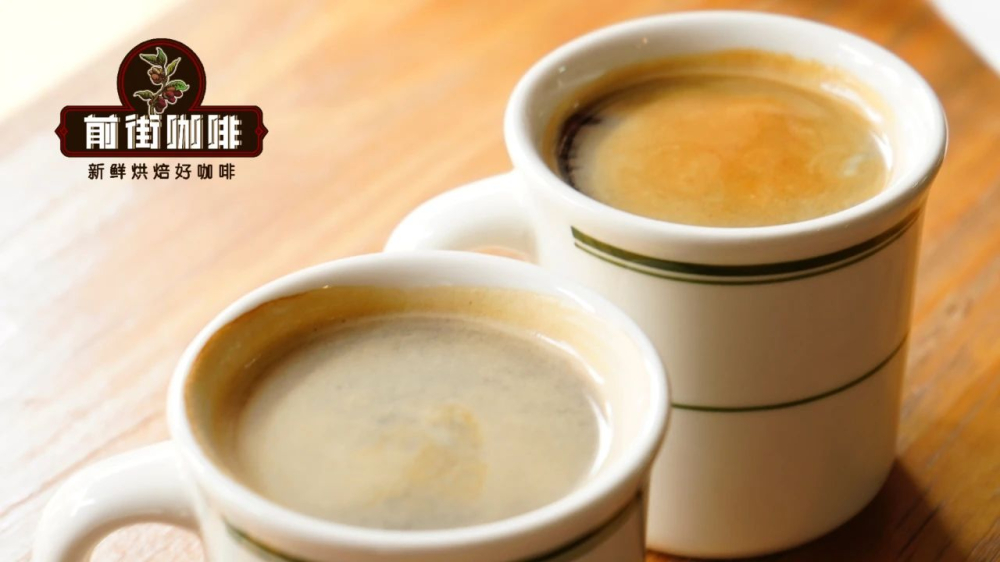
The pour-over Front Street PWN Golden Mandheling coffee tastes very rich, giving off an aroma of spices and herbs, with an overall solid, mellow mouthfeel, caramel sweetness, and flavors of chocolate and nuts.
The above content is compiled by CoffeeHunters, a coffee news website.


