







How Do You Pick Pour-Over Coffee Beans by Region?
Start with the three major regions rather than a single bag. African beans usually lead with bright acidity and floral notes, Central and South American coffees are more balanced with nutty, chocolate, and caramel tones, and Asian beans are rich, bittersweet, and low in acidity. That framework narrows the choice quickly.
Representative lots make the differences concrete: Ethiopia Yirgacheffe brings citrus-lemon acidity and jasmine, Kenya Little Tomato shows berry-like acidity, Colombia huila coffee offers balanced sweetness, Indonesia Mandheling is earthy and low-acid, and Brazil Red Bourbon leans sweet and nutty. Beginners can start with a small bag and move toward estate-grade single origins as taste preferences become clearer.
Want to get into pour-over coffee but feel overwhelmed by the dazzling array of single-origin beans? Picking beans isn't actually that hard—the key is to first understand the flavor foundations of the three major regions: African beans are known for bright acidity and floral notes, Central and South American beans have a balanced profile with nutty and chocolate tones, while Asian beans are rich, bittersweet, and low in acidity. This article follows that thread, sorting out the flavor differences and brewing points of representative beans sold at Front Street Coffee—such as Ethiopia Yirgacheffe, Kenya Little Tomato, Indonesia Mandheling, Colombia Huila, and Brazil Red Bourbon—to help those new to pour-over lock in a direction based on their taste preferences, gradually moving from entry-level options to estate-grade single origins.
Single-origin coffee covers an extremely diverse range of categories, and flavor expressions vary widely. Faced with the countless beans from major regions, picking the pour-over bean that best suits your taste in one go is genuinely not easy. But you can start from the macro picture: beans from African regions usually have acidity as their core characteristic, often accompanied by jasmine-like aromas; Central and South American coffees are generally more balanced, with nutty, chocolate, and caramel aromas being common labels; and as for Asian regions, they commonly present rich, bittersweet, and low-acidity characteristics.
Once this framework is clear, Front Street's customers often can pinpoint the pour-over direction they want to try. For example, if you say you'd like to try Ethiopian beans because you prefer a more acidic taste, Front Street will recommend corresponding pour-over coffee beans based on your flavor preference. Among the Ethiopian beans Front Street carries, there are quite a few options—you might start with Yirgacheffe, which has a very typical citrus-lemon profile. For those new to pour-over, the lemon-citrus acidity is easy to identify, and it's accompanied by jasmine floral notes. You can also try beans like Front Street Huakui, which are likewise very suitable for pour-over enthusiasts.
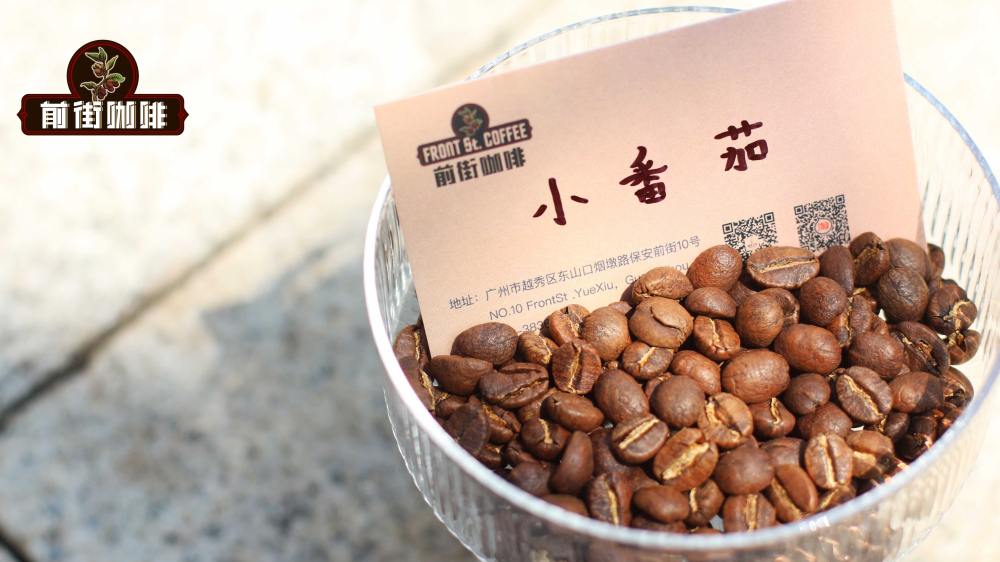
It should be noted that within Africa, the acidity varies considerably between different origins. Take Kenya Front Street Little Tomato coffee beans as an example—after pour-over, they present berry-like acidity and fresh fruit flavors reminiscent of cherry tomatoes, completely different from the acidity of Ethiopian beans. Tasting the two side by side makes the difference very intuitive.
Of course, some people simply can't tolerate acidity at all. In that case, you can turn to Asian regions, with the most representative being Front Street Indonesia Mandheling coffee. Currently there are several versions—Natural Mandheling, Aged Mandheling, Tiger Mandheling, Golden Mandheling, and more—each with its own flavor emphasis:
Front Street Lintong Mandheling: baked toast, nuts, caramel, pine, herbs Front Street Golden Mandheling: spices, herbs, caramel, pine, nuts, chocolate Front Street Tiger Mandheling: nuts, cream, dark chocolate, caramel, pine Front Street Aged Mandheling: ripe pu'er, caramel, herbs, chocolate, low acidity Front Street Natural Mandheling: melon, fermented aroma, mango, tropical fruit, peach
You can choose from these based on your own taste preference. However, in Front Street's view, Mandheling is not easy for pour-over beginners to handle, because it uses a dark roast—if brewed improperly, the bitterness will be fully released, and that taste is enough to be "unforgettable for life." So Front Street suggests not using too high a water temperature when brewing this bean; Front Street baristas typically use 88°C water and a two-minute brew time to complete extraction. Beginners should especially watch their pouring speed—too slow a flow rate will make the coffee overly bitter.
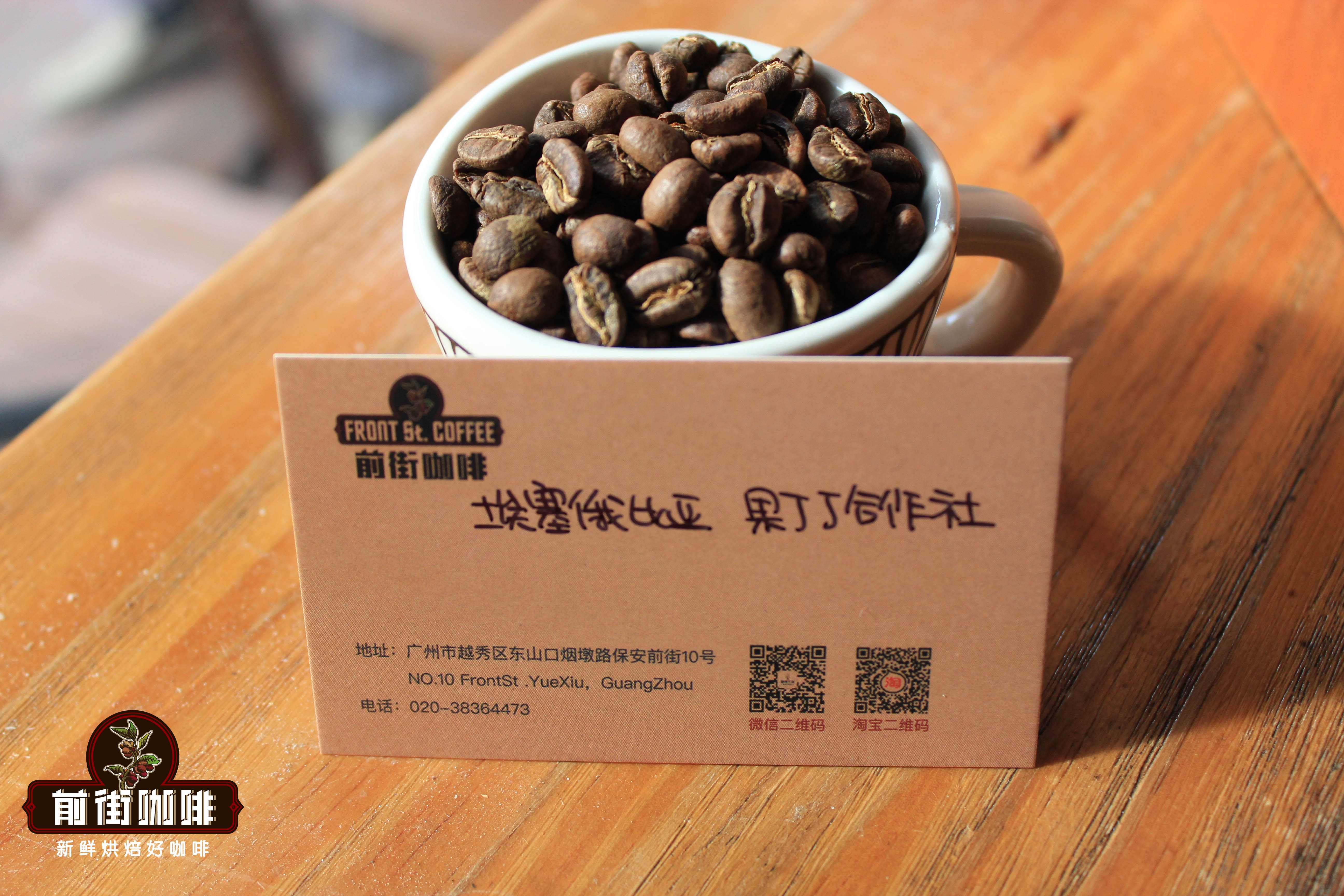
Another approach is to start with Colombia or Brazil, which rank in the global top three for pour-over coffee export volume. The flavor directions of these two producing countries are somewhat similar, both based on nutty and chocolate notes, but there are still differences in the details. Front Street Colombia Huila coffee has caramel and a touch of soft fruit acidity beyond the nutty and dark chocolate notes, while Front Street Brazil Red Bourbon coffee presents more intense peanut and creamy notes. Once you actually brew them, you'll find that Colombia has a richer mouthfeel, while Brazil is relatively lighter.
Front Street has also chatted with customers about why these two beans taste the way they do—it's mainly related to terrain conditions. Colombian coffee trees are mostly planted on high mountain slopes, with higher elevations and pronounced day-night temperature differences, which is very favorable for coffee beans to accumulate good flavors; Brazilian coffee trees are mostly distributed on plains, requiring no shade trees and growing easily, but their flavor expression doesn't match Colombia's. Even so, both of these coffees sold at Front Street are quite suitable as entry-level pour-over choices.
Once you've actually experienced the flavors of the above regions, you'll have a concrete understanding of the styles of each major region. At that point, picking pour-over beans becomes more targeted—for example, you might go for Front Street Panama Butterfly. To narrow it down further, you could also choose Costa Rica honey-processed Musician Series. Gradually you'll notice that each country's flavor characteristics are quite distinct, and the pour-over coffee beans you prefer will slowly take shape in your mind.
Beyond that, you can also try aroma-forward beans or pay attention to estate-level products. At this point you might look at Front Street Colombia Sidra and Front Street Maragogype, or Panama Geisha series, and so on—these single-origin coffee beans are all very suitable for pour-over.
Of course, Front Street isn't saying that once you've picked good pour-over coffee beans, everything is settled—whether a coffee brews well also depends crucially on equipment choice. Light roasts and dark roasts require different water temperatures, and for the brewing parameters corresponding to each coffee bean, Front Street's official account has relevant articles for reference.
The above content is compiled by CoffeeHunters, a coffee news website.


