







How to brew coffee with a coffee maker correctly
Dianhong Golden Needle, Golden Silk, and Golden Buds are three Yunnan black tea varieties that differ in tea tree cultivar, picking season, and leaf tenderness. Golden Buds use only a single young bud tip, picked in mid-March from Fengqing County, Lincang City, Yunnan, using the Yunnan large-leaf cultivar. This tenderness shapes their aroma and taste.
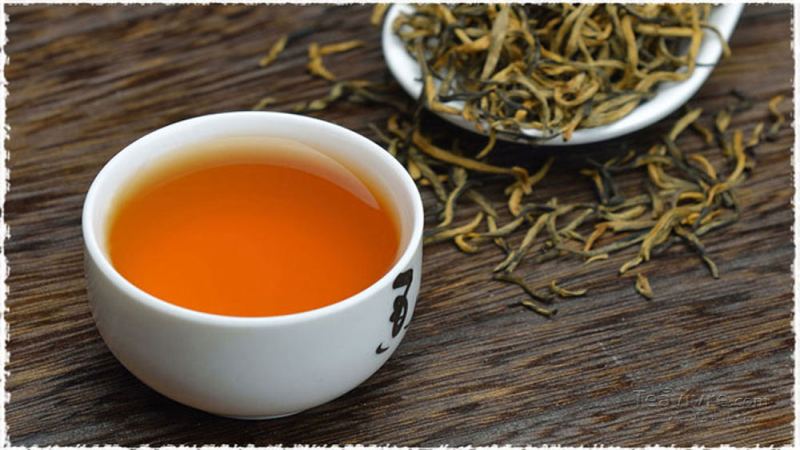
Tender buds turn golden yellow after processing because early-spring buds hold abundant antioxidants and relatively low chlorophyll. The same logic applies to how to brew coffee with a coffee maker: extraction control matters. Golden Bud tea is gentle and full-bodied with returning sweetness, and cold brewing brings out cocoa-like notes.
Dianhong Golden Needle, Dianhong Golden Silk, and Dianhong Golden Buds are three precious varieties of Yunnan black tea, each with its own distinctive appearance, picking standards, and flavor profile. This article compares the three from the perspectives of tea tree variety, picking season, and leaf tenderness, and analyzes which one offers a superior aroma and taste. It also takes an in-depth look at the unique processing techniques of Golden Bud black tea, including oxidation control and withering methods. Whether you are new to Dianhong or a seasoned tea enthusiast, you will find practical tasting references here. Front Street Coffee will also recommend noteworthy Dianhong selections based on the characteristics of the producing region.
The tender buds, once processed into dry tea, take on a beautiful golden yellow rather than a dark black color. This is because in early spring the tea buds are rich in antioxidants while their chlorophyll levels are relatively low. This type of tea is gentle on the palate, full-bodied, and has a pronounced returning sweetness; even when brewed with cold water, it offers a aroma reminiscent of cocoa powder. Yet turning such tightly layered buds into a high-quality black tea places considerable demands on the tea maker's skill.
Tea Origin Fengqing County, Lincang City, Yunnan Province
Tea Tree Variety Yunnan Large-Leaf Cultivar
Picking Season Mid-March
Picking Standard One Bud Only a single young bud tip is used to make Golden Buds (Yunnan Golden Buds), which is extremely rare among black teas. Because of this, the aroma it releases is especially intense, with a cocoa-like note. The tea liquor is smooth on the palate, and a subtle sweetness spreads across the entire mouth. Golden Bud tea is truly a remarkable tea.
The Golden Buds we use are sourced from tea trees in the dense forests around Fengqing and Yunxian in the Baiying Mountain area of Yunnan. They are picked from late March to early April each year, when the first tea buds of the season begin to sprout. Most black teas are made from leaves that grow later; after oxidation and drying, the finished tea tends to be dark in color. Tender tea buds, however, turn an appealing golden yellow after processing. This is due to the abundant antioxidants and lower chlorophyll content in young new shoots. The fine hairs covering each bud also serve as evidence that the tea maker handled them gently enough not to break the buds.
The Challenge of Oxidizing Black Tea Buds
The picked single buds will be used to make Golden Buds (Yunnan Golden Buds). In 1958, the Fengqing tea industry created Golden Buds for the first time. They began making high-grade Yunnan black tea using only leaf buds as the raw material, rather than the slightly more mature "one bud, two leaves" or "one bud, three leaves" picking standards. Yunnan thus became one of the earliest regions to make black tea from such tender raw material. Turning tea buds into black tea requires considerable skill to produce a good tea, because the bud contains many layers of leaf structure inside. If left to grow on the tea tree, a robust tea bud will eventually unfurl into five or six leaves. The tea maker must carefully control the oxidation process so that each layer of the bud oxidizes as evenly as possible. If a black tea is over-oxidized, it turns sour; if under-oxidized, it feels heavy with pronounced tannins. But when the technique and timing are just right, a black tea like Golden Buds can stand out from this step, showing a delicate, uplifting aroma and a sweet, smooth mouthfeel.
A bamboo mat is laid over the upper part of the trough so that air can still circulate beneath it.
The air tunnel used to wither the fresh leaves. The leaves are spread on bamboo mats above long wooden troughs, and air blows through the space beneath the leaves.
The tea maker spreads the freshly picked tea buds thinly and evenly on bamboo trays and lets them breathe for 3 to 5 hours. The buds are then moved into air tunnels made of wood or woven bamboo strips, where fans blow air from beneath the leaves, withering them for about 5 to 6 hours. Next, the tea maker pan-fires them by hand to remove about half of their moisture. After this step, the tea enters the oxidation stage.
The oxidizing tea buds change from green to golden, with a hint of red.
Golden Buds undergo a color change during oxidation. Oxidation requires a combination of heat and moisture. The tea leaves are wrapped in fabric and placed inside a wooden box, with a thick cloth laid on top to keep the surrounding environment warm and humid. This allows the tea to oxidize in a natural way. The tea maker must frequently check the condition of the buds and turn them from time to time to ensure the heat is evenly distributed among them and the oxidation is consistent. They also feel the leaves with their hands to judge when oxidation should be stopped. By squeezing and smelling the tea, they rely on a keen sense of smell and touch to make decisions. Oxidation is a key step in processing and must be carefully controlled to develop the tea's aroma and ensure the finished tea tastes sweet and smooth, without any grassy notes from unoxidized leaves.
The above content is compiled by CoffeeHunters, a coffee news website.


