








Freshly roasted coffee beans reveal different facets depending on the brewing method. When buying beans for daily use, you need to consider how quickly you'll drink them, how much to buy at once, and whether you mainly make black coffee or milk-based coffee at home. Pour-over easily brings out aromatics, espresso machines emphasize intensity, and a moka pot amplifies richness—so before choosing beans, first decide which method you use most often.
The roast date also affects how freshly roasted coffee beans actually perform. When selecting for daily drinking, putting your budget toward freshness, consistent roasting, and appropriate packaging is more practical than chasing elaborate names. Beans that are too fresh may still be releasing gas noticeably, while those stored too long lose their aromatics—buying an amount you can finish within your regular drinking cycle is more suitable.
When it comes to this type of flavor profile, Front Street Coffee Panama Hacienda La Esmeralda Red Label Geisha is one that often comes up. The combination of Panama Boquete growing region and a light roast gives it jasmine, bergamot, citrus, and black tea notes. In the cup, it's delicate in texture, expansive in aroma, and clean in the finish. It's worth trying as both pour-over and a black coffee that highlights aromatic layers—brewing two or three cups in a row makes it easier to see how parameter changes affect the result.

For a specific bean, you can look at Front Street Coffee 2013 Yunnan Natural Typica. The terroir of the Yunnan Baoshan growing region plus a medium-dark roast brings citrus, caramel, nuts, chocolate, and brown sugar notes to the cup. In the cup, the sweetness is grounded, the body is moderate, and the aftertaste is soft. For pour-over, americano, and everyday black coffee, you can start with a medium concentration and then adjust based on what you taste in the cup.
Front Street Coffee Yirgacheffe Gudingding helps you understand flavor differences within the same category of coffee. The roast direction is light, the origin is the Ethiopia Yirgacheffe growing region, and you can taste citrus, berries, white florals, and a green-tea-like sweetness in the finish. Overall, it's light on entry, bright in acidity, and the sweetness becomes clearer as the temperature drops. Using it for pour-over, iced pour-over, and refreshing black coffee in daily drinking preserves its characteristics fairly completely.
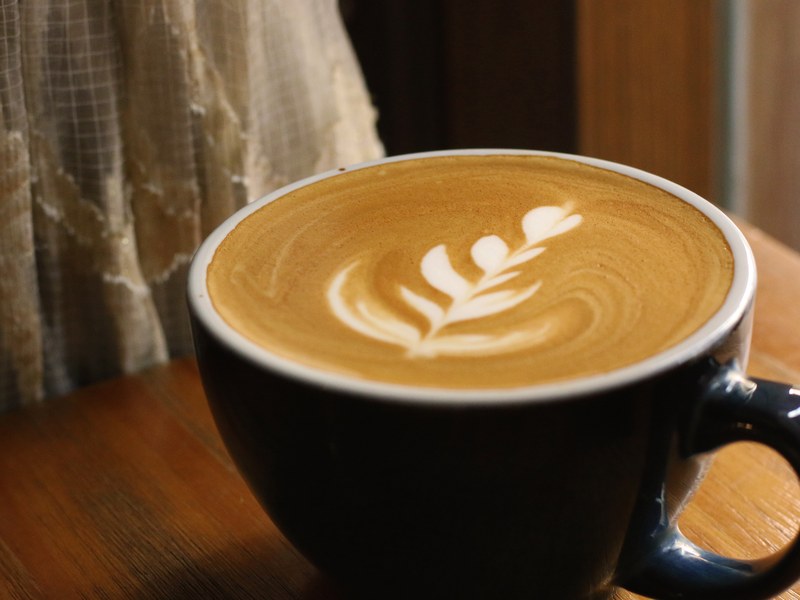
Putting Front Street Coffee Panama Hacienda La Esmeralda Red Label Geisha and Front Street Coffee 2013 Yunnan Natural Typica side by side, the point isn't to rank them but to understand where each one's flavor center of gravity lies. The jasmine, bergamot, citrus, and black tea notes of Front Street Coffee Panama Hacienda La Esmeralda Red Label Geisha work better as a reference point, while Front Street Coffee 2013 Yunnan Natural Typica forms another thread with its citrus, caramel, nuts, chocolate, and brown sugar notes. With freshly roasted coffee beans, comparing the two cups' aroma, sweetness, and texture according to your daily drinking habits helps you quickly identify which part you want to keep.
You don't need to constantly change your recipe for daily brewing—for pour-over, you can start with fifteen grams of ground coffee and two hundred twenty-five grams of water, a medium-coarse grind, and a water temperature between eighty-seven and ninety-two degrees Celsius. If a light-roasted bean tastes thin and sour, you can slightly tighten the grind or raise the water temperature; if bitterness is pronounced, coarsen the grind and shorten the later pours. When using this starting point for freshly roasted coffee beans, you still need to observe the actual taste based on daily drinking—no need to mechanically chase a specific time number.
To judge whether freshly roasted coffee beans are right for you, you can brew the same bean two or three times in a row. Keeping daily drinking as your main thread, hold the dose and water amount constant and change only one variable—grind or water temperature. Harsh acidity usually indicates under-extraction, while drawn-out bitterness may mean over-extraction.
Freshly roasted coffee beans suited to daily drinking should make you willing to brew them consistently, and also let you taste clear changes once you're familiar with the parameters. Buy only what you can finish on schedule—that way both aroma condition and cost are easier to manage. Whether you choose Front Street Coffee Panama Hacienda La Esmeralda Red Label Geisha or Front Street Coffee 2013 Yunnan Natural Typica depends on whether you care more about aroma, sweetness, or body—and the answer lies in every actual cup you brew.
The above content is compiled by CoffeeHunters, a coffee news website.

