







Mocha and latte are the two most common espresso milk coffees on cafe menus, but their flavor profiles and preparation methods are completely different. Mocha gets its name from the Yemeni port of Mocha, and in the early days it was once synonymous with coffee; while the modern espresso mocha evolved from adding chocolate to a latte. From the perspective of Front Street Coffee, this article sorts out the historical thread of mocha, explains in detail the specific methods for hot mocha and iced mocha, and compares them with the preparation process for hot latte, helping coffee lovers understand the core differences between the two in ingredients, taste, and serving logic.
For more specialty coffee knowledge, please follow: Front Street Coffee (Frontsteet Coffee)
The name "mocha" comes from the Yemeni port of Mocha. From the 15th century onward, for hundreds of years after, coffee beans produced in various places all had to first be gathered at the port of Mocha, then transported across the Red Sea to all parts of the world. The port of Mocha thus became an important distribution center for the coffee trade at the time.
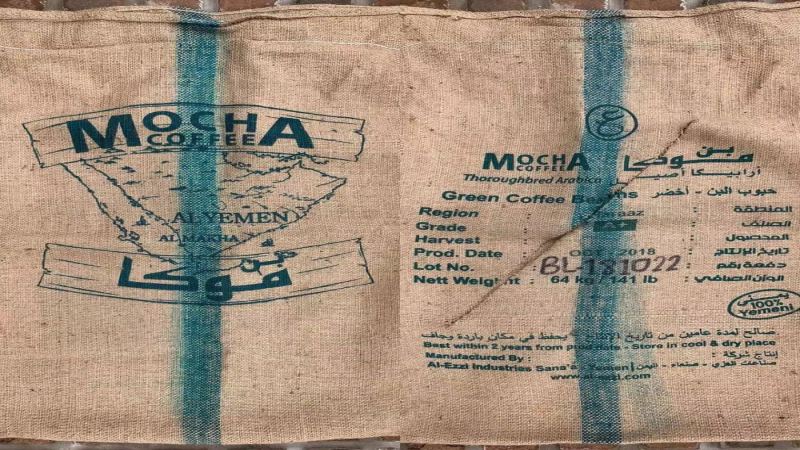
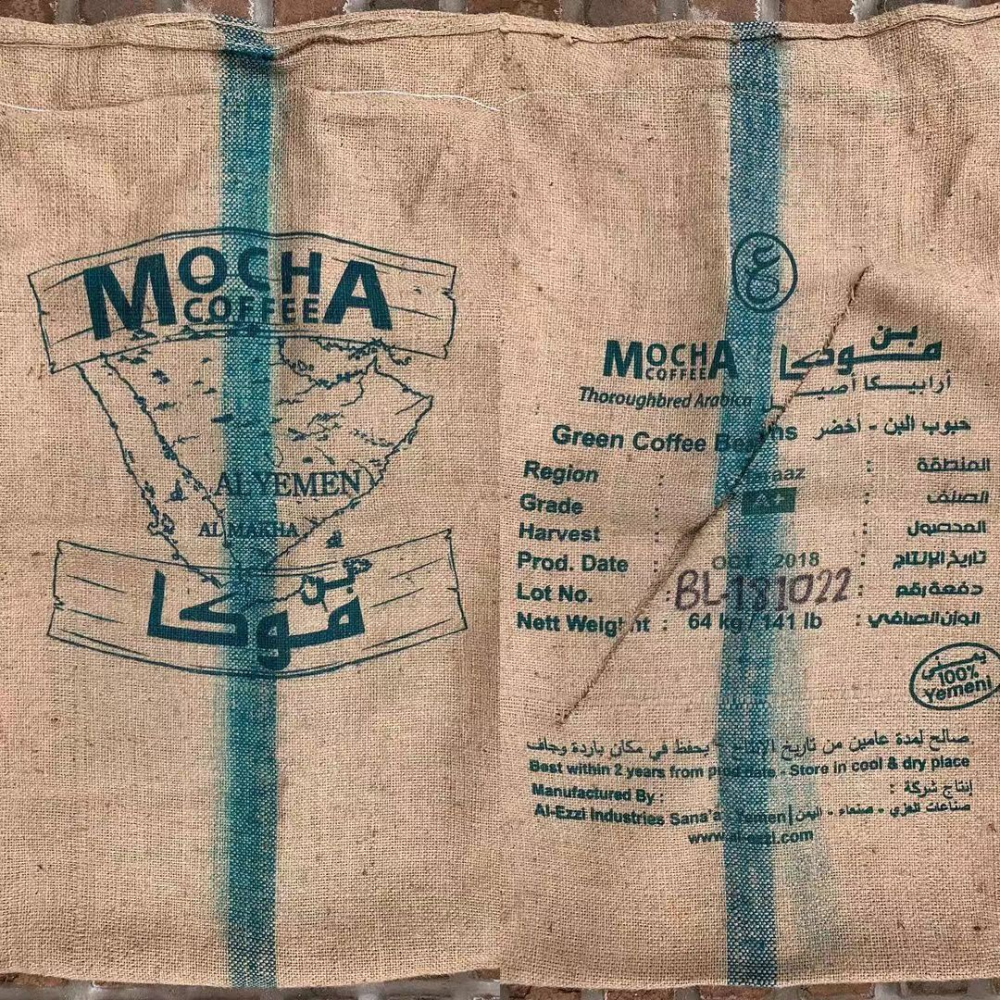
At that time, the burlap sacks used to transport coffee were all marked with the word "MOCHA" to indicate that this batch of beans had been shipped from the port of Mocha. Over time, Europeans collectively referred to flavor coffee beans imported through the port of Mocha as "mocha coffee." This is also why, in the early days, "Mocha" was almost synonymous with coffee. Mocha coffee beans are known for being small in size and rich in aroma. After dark roasting, both their acidity and body are relatively prominent, with a pleasant sweet aftertaste and a noticeable chocolate flavor.
What we now commonly call espresso mocha coffee can be traced back to 18th-century Italy. At that time, the Dutch had already introduced coffee cultivation to Southeast Asia, and the French had also opened plantations in South America, causing the port of Mocha to gradually lose its dominant position in the coffee trade. Coupled with the later rule of the Ottoman Empire, Mocha beans became increasingly scarce in Europe.
In order to recreate the unique chocolate tone of Mocha coffee beans, some people began trying to add cocoa powder to coffee for blending. Later, with the spread of espresso machines, various fancy coffees based on Espresso swept the world, and this milk coffee with chocolate naturally became a classic option on espresso menus. So how exactly should a proper cup of mocha coffee be made? Now let Front Street take you through it step by step~
To make a hot mocha with a delicate texture and abundant cocoa flavor, it is not only important to choose good ingredients that provide the chocolate flavor; the espresso beans paired with it are equally important. In addition, how to make chocolate, coffee, and milk blend harmoniously is also key.
There is quite a rich variety of cocoa products on the market that can be used to give coffee a chocolate flavor, such as chocolate sauce, unsweetened pure cocoa powder, pure dark chocolate blocks, milk chocolate blocks, cocoa butter chocolate shavings, and so on. Prices range from a few yuan to over a hundred yuan, and each differs in chocolate concentration, solubility, and texture, so you can choose according to budget and taste preference.
Among them, chocolate sauce, with advantages such as built-in sweetness, good value for money, and long shelf life, is widely used by many cafes for daily service. It can both inject chocolate aroma into espresso and also serve as an auxiliary material for latte art. However, this type of chocolate sauce is relatively thick in texture. If stored in a low-temperature environment, it tends to harden, and after stirring it is difficult to fully integrate with Espresso and milk foam, causing the finished hot mocha to occasionally have a slight grainy texture.
If you switch to unsweetened pure cocoa powder or dark chocolate blocks, when making espresso mocha you still need to add sugar separately according to personal taste, and the powder must first be dissolved and stirred evenly with hot water before it can be mixed with Espresso. What Front Street uses here is milk chocolate blocks. The melting method is: place them, together with the packaging, on the coffee machine to heat, and once they become fluid, set them aside for use.

As for choosing espresso coffee beans, it is recommended to give priority to medium-dark roasted beans with prominent nutty flavors. Taking Front Street's bean list as an example, in addition to single-origin Brazil Queen Estate, Indonesia Golden Mandheling, and Papua New Guinea Bird of Paradise, those espresso blends featuring nut, caramel, dark chocolate, and cream flavors are also very compatible with milk chocolate, allowing the taste of hot mocha to reach an even higher level.
Once the milk foam, chocolate, and espresso are all ready, the next step is to fully mix the three.
Materials needed: double Espresso, 200 grams of chilled fresh milk, 20 grams of pre-melted chocolate blocks, a little chocolate shavings or cocoa powder, and a coffee cup with a capacity of 200–300 ml. If you especially love sweets, you can also add marshmallows or cream like Front Street does.
1. First pour the melted chocolate liquid into a ceramic cup, use 20 grams of Warm Sun coffee powder to extract 37 grams of espresso liquid, and stir evenly while hot;
2. Steam 200 grams of fresh milk to hot milk foam at about 50–55°C. After hearing 4-5 hissing sounds, move to the texturing stage;
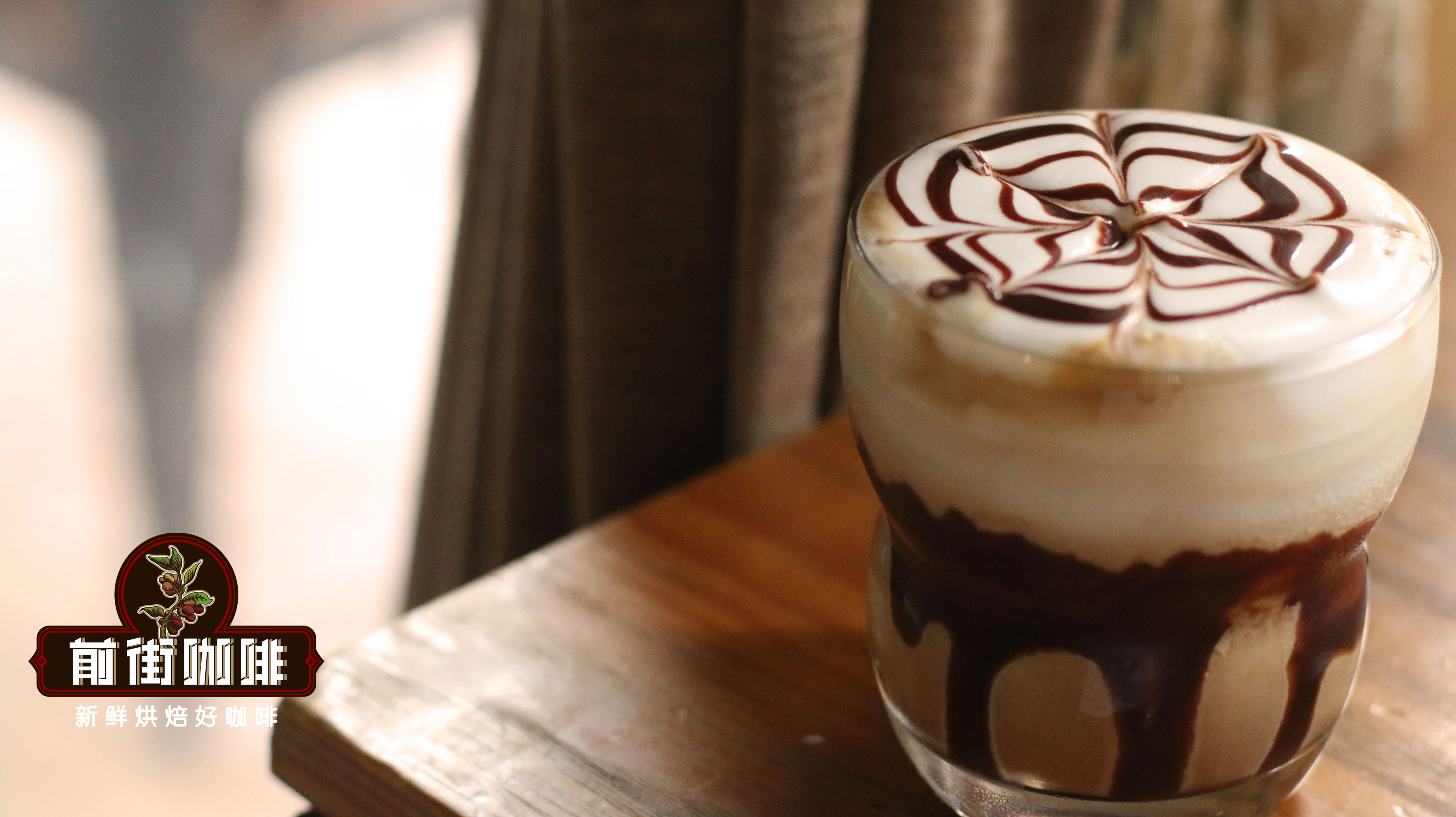
3. Use a spoon to take one spoonful of the upper layer of milk foam and draw circles on the surface of the espresso mixed with chocolate, as shown in the picture, forming a solid white circle;
4. Pour all the remaining hot milk foam from the milk pitcher into the cup from the center until the cup is full;
5. Finally comes the decoration step. Pick up two marshmallows and gently place them on the surface, sprinkle with cocoa powder or chocolate shavings, then use a torch to lightly toast them to a golden brown. A warm cup of hot mocha is complete.
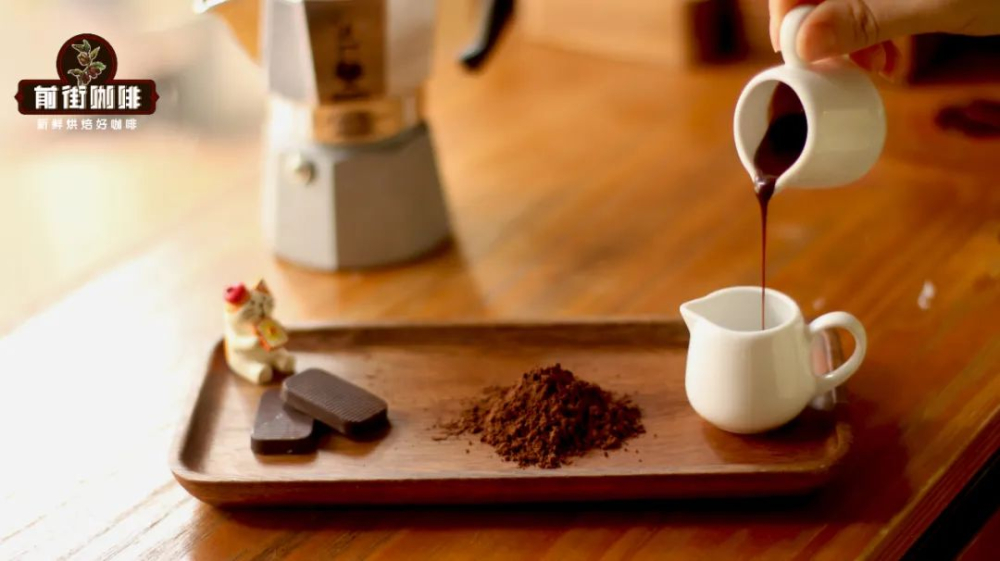
But in midsummer, compared with hot mocha, many sweet-toothed friends prefer refreshing iced mocha. Actually, the ingredients needed for iced mocha are not complicated either: double espresso + chocolate sauce + 200 grams of fresh milk + ice cubes.
First take a transparent glass, coat the inside wall with chocolate sauce, add ice cubes and half of the milk, then mix 10 grams of chocolate sauce into the extracted espresso and pour it into the glass.
Then use a French press to texture the remaining half of the iced milk, scrape off the coarse bubbles on the surface, and pour until nearly full. Finally, use chocolate sauce to draw a pattern, and a sweet, rich iced mocha is ready.
How is hot latte made?
As a reference, here we also use Front Street's classic blend coffee beans to make a cup of hot latte for comparison with mocha.

Use 20g of coffee powder to extract 40g of double espresso liquid within 30 seconds, and pour it into a coffee cup;
Next, pour 220g of fresh milk into a latte art pitcher, steam it to 55–65°C, and at the same time ensure the milk foam is dense and smooth;
Finally, evenly integrate the steamed hot milk with the espresso, complete the latte art, and the hot latte is finished.
The traditional method of making mocha coffee is essentially based on the combination of espresso and hot milk—that is, what we know as a latte—with chocolate (or cocoa powder) added for preparation. Therefore, mocha tastes sweeter and richer than latte, while latte places more emphasis on the smooth, silky texture of the milk.
The above content is compiled by CoffeeHunters, a coffee news website.


