








Where do mocha coffee beans come from and why are they fading?
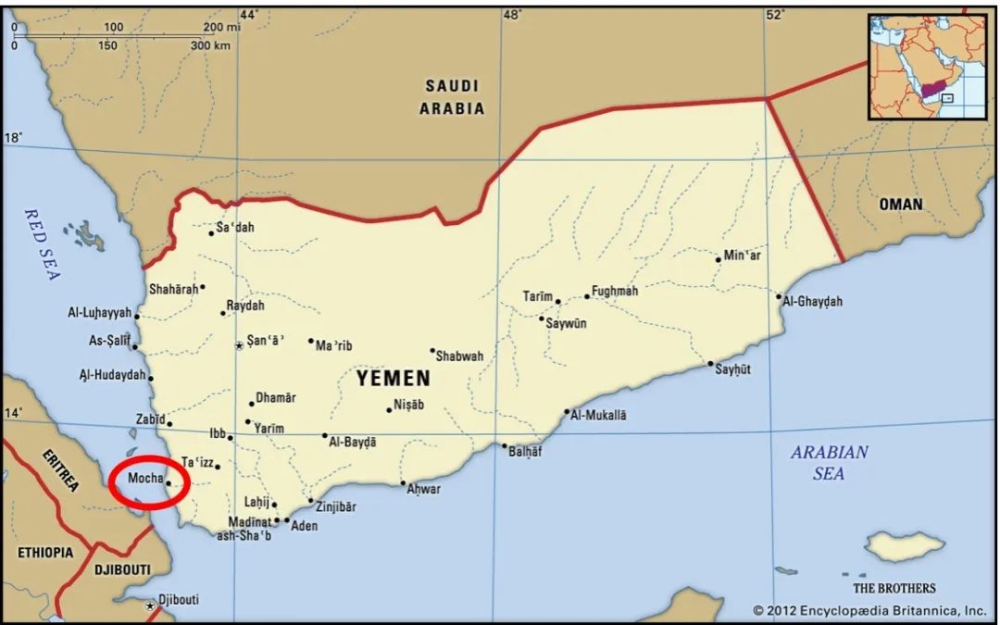
Mocha coffee is a drink of espresso, milk, and chocolate sauce, but the name comes from the Port of Mocha in Yemen. From the 15th century, that Red Sea port gathered Yemeni beans and re-exported Ethiopian and African coffee, and the word MOCHA printed on burlap sacks became the label European importers used for the beans.
Mocha coffee beans were small and intensely aromatic, and the deep roast common at the time gave the brew a full body and a gentle sweet aftertaste. In the 18th century Italians used cocoa powder to imitate that flavor, and flavored coffee rose after World War II. Specialty coffee and health trends have since pushed the high-sugar drink off many menus.
The name mocha always brings to mind the blend of chocolate and coffee, but its origins actually point to an ancient port in Yemen. From the coffee trade monopoly of the Port of Mocha in the 15th century, to Italians using cocoa powder to imitate the flavor of mocha beans in the 18th century, to the rise of flavored coffee after World War II, mocha coffee has undergone a rather winding evolution. This article traces the historical threads of mocha coffee, explains its essential differences from a latte, introduces the specific method and recipe for a traditional mocha, and analyzes why this high-sugar beverage appears less and less on menus amid the specialty coffee wave and healthy eating trends. At the end, Front Street Coffee also digs out a long-stored jar of chocolate sauce to revisit the process of making an iced mocha with everyone.
I imagine everyone is fairly familiar with the name "mocha." But after the third and even fourth wave of specialty coffee swept through, finding a cup of mocha coffee on a menu has instead become increasingly difficult. As the year draws to a close, Front Street Coffee dug out a long-stored jar of chocolate sauce, so we might as well take this opportunity to make a mocha and chat with everyone about the ins and outs of "mocha coffee."
What exactly is mocha coffee?
Simply put, mocha coffee is a beverage made by blending espresso, milk, and chocolate sauce. The name "mocha" actually comes from the Port of Mocha in Yemen. For more than three hundred years starting in the 15th century, this port was an important commercial export hub on Yemen's Red Sea coast. Coffee beans produced in Yemen would first be gathered here before being sold overseas; at the same time, the Port of Mocha also imported coffee beans from today's Ethiopia and other African regions, then re-exported them.

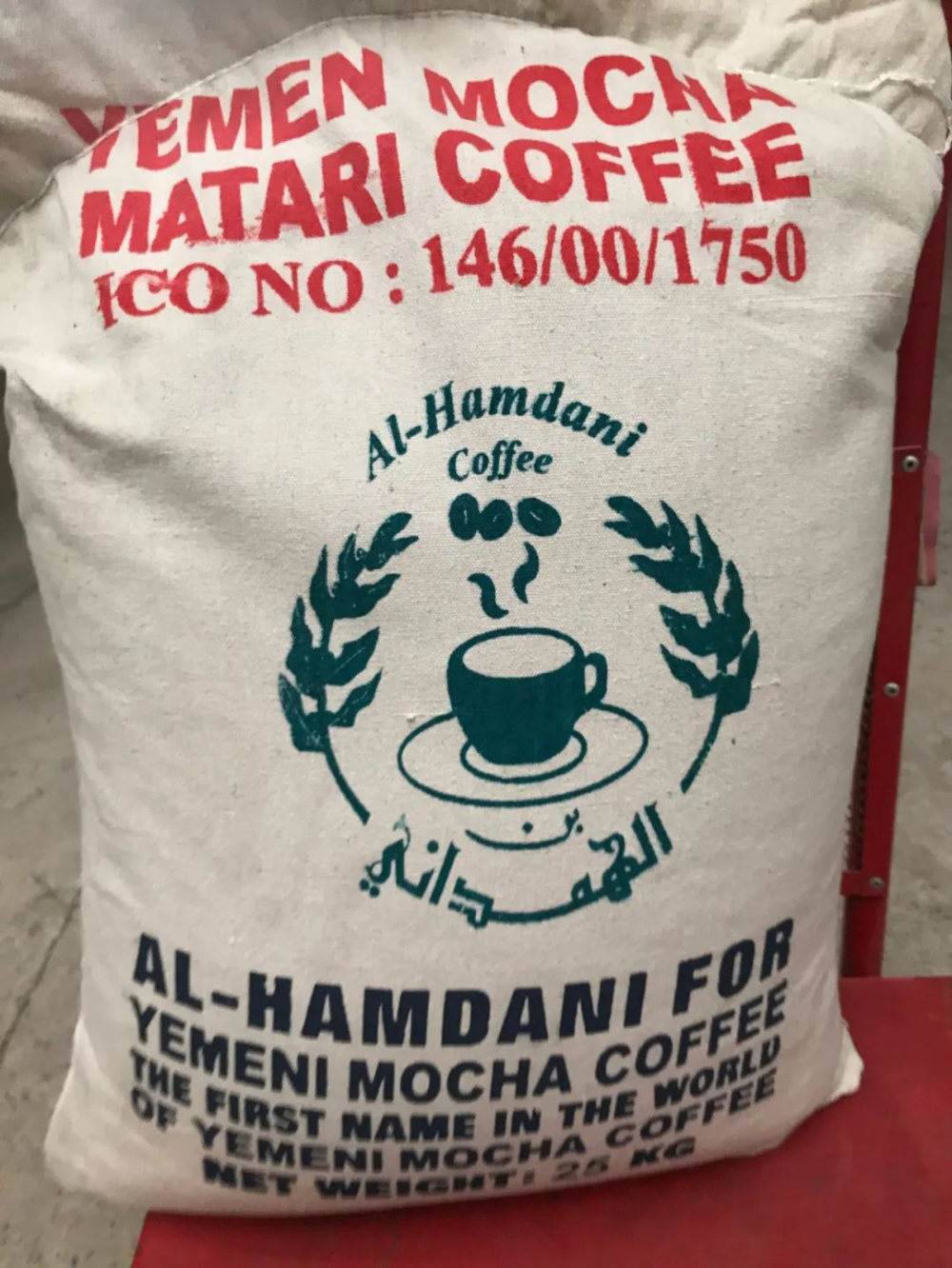
Because of this, coffee shipped from the Port of Mocha once accounted for one hundred percent of the global coffee trade. Since the burlap sacks holding the beans were printed with the word "MOCHA" to indicate the goods were dispatched from the Port of Mocha, major importing countries such as those in Europe simply referred to these beans collectively as "mocha coffee."
Mocha coffee beans are known for being small in size and intense in aroma. Combined with the deep roasting of that era, the brewed coffee had a full body, a gentle sweet aftertaste, and a distinct chocolate note, which made it very popular in Europe.
The espresso mocha with chocolate sauce that we are familiar with today, however, traces back to 18th-century Italy. As the Ottoman Empire fell out with the European powers and imposed controls on coffee beans, and as coffee tree species spread abroad, the Port of Mocha no longer monopolized the coffee trade, and mocha beans became a rarity in Europe.
So people tried adding cocoa powder to coffee, attempting to recreate the rich chocolate flavor of mocha beans. Later still, with the invention of the espresso machine, espresso-based flavored coffee became popular around the world, and this chocolate-added milk coffee naturally became an important member of the espresso family.
The mocha defined during the second wave of coffee
After World War II, Italy's method of extracting espresso using steam pressure gradually became known and accepted by the public. But at the time, coffee bean quality was uneven, and to maintain consistency and keep costs down, cafés usually blended beans from multiple origins and then used deep roasting to bring out rich oils and roasted aroma. As a result, "bitterness" became the general impression coffee left on people in that era.
You have to understand that espresso extracted under high temperature and high pressure magnifies both the strengths and weaknesses of the coffee beans, and not everyone can drink espresso straight the way Italians do. To suppress the bitterness and cater to the market, adding syrups, chocolate sauce, ice cream, cream, and other extras to espresso became an important direction for beverage development at the time, and flavored coffee swept the globe along with the expansion of chain cafés.
A traditional mocha uses espresso and hot milk as its base, with chocolate sauce added for flavor; there are also variations that use cocoa powder, dark chocolate, or chocolate-flavored syrup instead. It is also usually topped with whipped cream, then sprinkled with cocoa powder, cinnamon powder, or drizzled with chocolate sauce as a garnish. The addition of chocolate and cream masks and neutralizes the bitterness while also enriching the drink's layers, which is why it is so popular with consumers.
Why is mocha coffee becoming less and less common?
The reason is that, as the third wave of specialty coffee advanced, the industry began to emphasize coffee's place of origin and single-origin flavors. Both professionals and consumers increasingly cared about the different tasting experiences brought by growing and processing methods. Through long-term collective efforts, coffee bean quality improved, and roasting gradually shifted from the original deep roasting to medium-light roasting that highlights floral and fruity acidity.
On the other hand, tea, one of the world's three major beverages, after being combined with young people's tastes to create all kinds of milk teas and fruit teas, began to thrive in the domestic market. With more sweet beverage choices available, mocha coffee's market space was squeezed and diluted.
In addition, with continued economic development in recent years, people have become more and more health-conscious. Low-sugar and sugar-free dietary concepts have been repeatedly promoted, and high-sugar, high-calorie beverages have gradually lost market share and slowly disappeared from menus. And so mocha coffee, whose flavor is overpowered by added ingredients and which is itself high in sugar, was "eliminated" by the market just like that.
Although the classic espresso mocha has been weakened and faded from view, beverages combining coffee and cocoa have always had their loyal fans. Besides chocolate-containing flavored coffee, coffee specials paired with chocolate are also not uncommon.
The article is almost wrapping up, and the mocha in hand is almost finished
Although mocha coffee was long ago permanently removed from Front Street Coffee's menu, since we happened to dig out a long-stored jar of chocolate sauce, let's revisit the method for making an iced mocha together. You will need to prepare a double shot of espresso, a little chocolate sauce, 200 grams of fresh milk, and an appropriate amount of ice cubes; if conditions allow, you can also prepare some cocoa powder or cinnamon powder.
Take a glass, squeeze chocolate sauce onto the wall of the glass, add ice cubes and 100 grams of iced milk, then pour in the espresso (you can pre-mix in 10 grams of chocolate sauce), next pour in iced milk foam beaten smooth with a French press, and finally use chocolate sauce to draw a pattern on the surface of the milk foam. A beautiful and delicious iced mocha is complete.
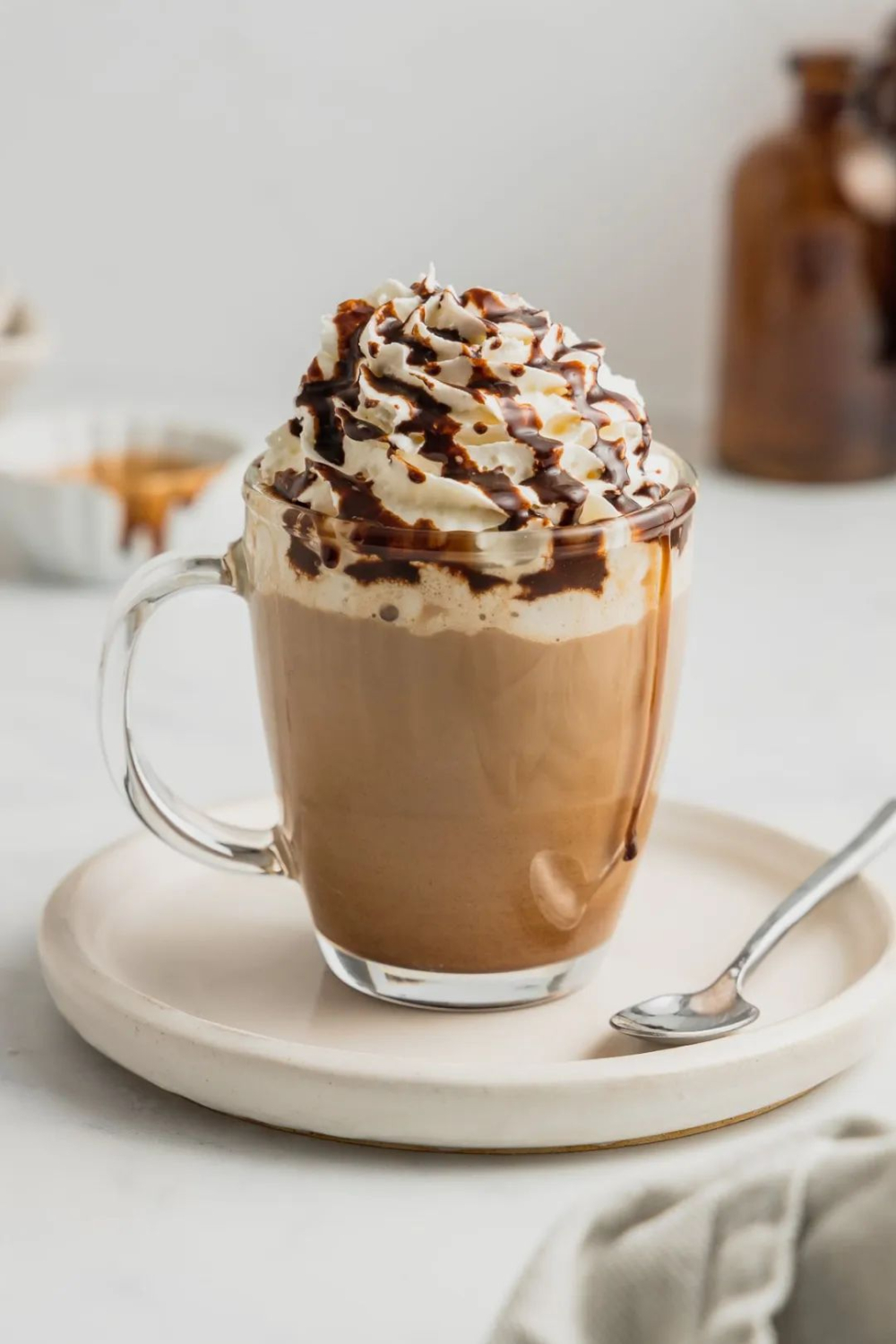
(ps: draw two concentric circles, one large and one small, draw a cross from the inside outward, then draw crossing lines from the outside inward)
- END - Front Street Coffee
No. 10 Baoqian Street, Yandun Road, Dongshankou, Yuexiu District, Guangzhou, Guangdong Province
The above content is compiled by CoffeeHunters, a coffee news website.


