







Search Results for: tactile experience
What Is Coffee Body? Understanding the True Meaning of Coffee Body and How to Describe It from a Tactile Perspective
When tasting coffee, body is a professional term that is often mentioned but easily confused with other concepts. Many people conflate body with strength or bitterness, but in fact they describe completely different sensory dimensions. In this article, Front Street Coffee will analyze the essential definition of coffee body from the perspective of tactile experience, helping coffee lovers accurately understand and describe this important mouthfeel indicator, so as to more precisely express their true feelings when drinking coffee. [more…]

2024 WBC World Barista Championship Rule Updates: Refined Provisions on Judge Conflicts of Interest and Milk Selection
The SCA recently published the latest rules and regulations for the 2024 World Barista Championship. Overall, the changes are not extensive; they mainly focus on further clarifying the wording regarding the judging process, conflict-of-interest declarations, and milk selection, while also adjusting the method for evaluating the tactile assessment of espresso. For coffee professionals and enthusiasts who follow the direction of the competition, these detailed changes may directly affect competitors' preparation strategies and judges' officiating standards. This article will sort through the key points of the rule changes one by one to help readers quickly grasp the key adjustment directions of this year's WBC. [more…]
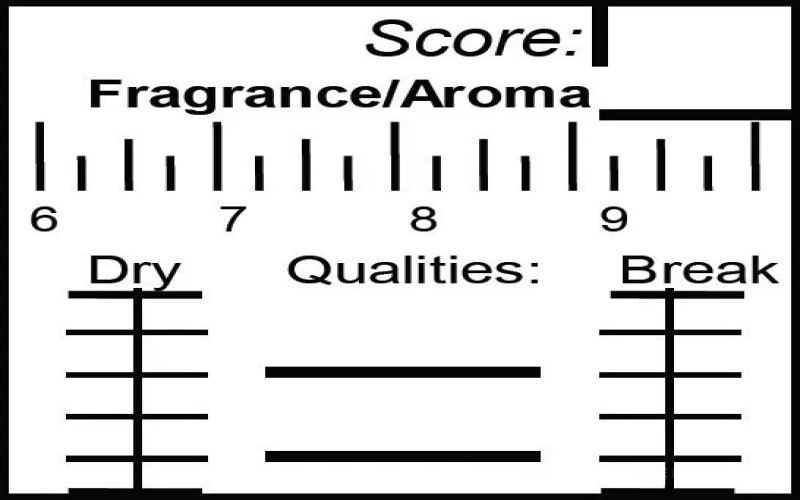
SCAA Coffee Cupping Score Sheet Guide: A Detailed Chinese Explanation of the Ten Scoring Points from Aroma to Overall Evaluation
Coffee cupping is a professional evaluation method that transforms subjective sensory experiences into quantitative data, and the SCAA cupping score sheet is the core tool of this system. This article explains the ten scoring dimensions in the sheet one by one, covering fragrance, flavor, aftertaste, acidity, body, uniformity, balance, cleanliness, sweetness, and overall score, helping coffee enthusiasts understand the scoring basis and judgment criteria for each item. Whether you are a beginner who has just encountered cupping or a professional hoping to refine your sensory skills, this detailed Chinese guide can serve as a practical reference. Front Street Coffee also provides relevant product information in the article for further understanding. [more…]
What Exactly Is Coffee Body? A Full Analysis of the Key Factors Affecting Fullness and Brewing Techniques
When drinking coffee, we often hear the term "Body" — what exactly does it mean? Simply put, Body is the tactile sensation and weight that coffee brings to the mouth, also known as mouthfeel or thickness. A good cup of coffee needs not only rich flavors but also a noteworthy mouthfeel. The quality of Body mainly depends on the content of oils and fiber in the coffee, and whether these substances can be fully extracted is closely related to the choice of filter, brewing time, and the roast level of the coffee beans. Front Street Coffee will take you through an in-depth understanding of the essence of Body and share how to achieve the ideal rich mouthfeel by adjusting brewing parameters. Whether you prefer a thick, full-bodied cup or a light, smooth one, this article offers practical reference for you. [more…]
Where Does the Tea-Like Quality in Pour-Over Coffee Come From? Analyzing the Formation and Tasting of Tea Notes in Coffee Flavor
On coffee bean flavor labels, we often see various tea-related descriptors, sometimes even specifying the name of a particular tea. Why does coffee taste like tea? How exactly is this tea-like sensation formed? Starting from Front Street Coffee's tasting experience, this article analyzes the sources of tea-like notes in coffee—including the tactile effects of tea polyphenols and tannins on the palate, the dual role of astringency in coffee, and how medium-light roasting brings coffee closer to a tea experience. It also draws on specific beans such as washed Geisha, Yirgacheffe, and Yunnan Typica to illustrate how different tea aroma types manifest in coffee, helping enthusiasts describe and understand coffee flavors more accurately. [more…]
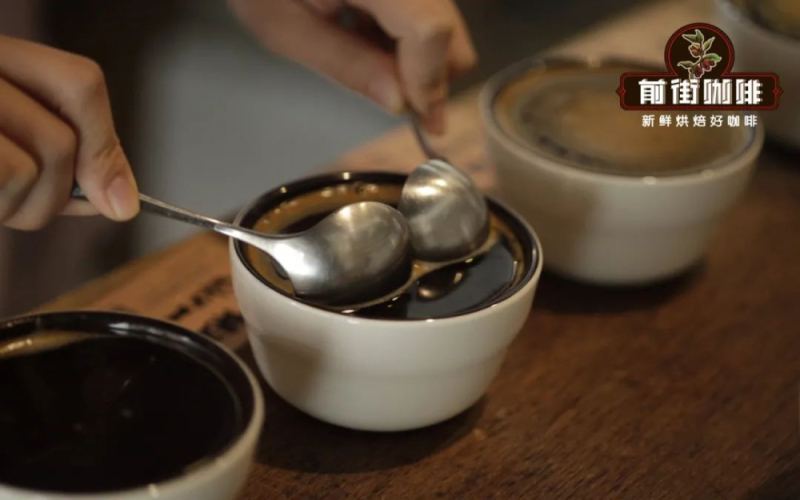
A Detailed Breakdown of the SCAA Cupping Score Sheet: Ten Dimensions from Aroma to Overall Evaluation
The SCAA cupping form is an important tool for judging quality in the specialty coffee industry. It consists of ten scoring categories, covering the complete sensory experience from dry aroma and wet aroma to overall assessment. This article explains the specific meaning and key evaluation points of each scoring dimension one by one: aroma is divided into dry aroma and wet aroma; flavor during slurping is the core basis for scoring; aftertaste measures the persistence of flavor; acidity distinguishes high-quality fruity acidity from undesirable acidity; body focuses on mouthfeel; uniformity checks whether the samples are consistent; balance assesses whether all aspects are harmonious; cleanliness is an essential threshold for specialty coffee; sweetness reflects harvest maturity and quality; and overall assessment reflects the cupper's comprehensive impression. Whether you are an enthusiast who has just encountered cupping or a professional hoping to refine your sensory skills, this item-by-item interpretation can help you understand the logic of using the SCAA cupping form more systematically. [more…]
Where Does Coffee Body Come From? A Detailed Look at the Flavor Characteristics of Seven Full-Bodied Coffee Beans, Including Blue Mountain
When drinking coffee, some people prefer a crisp, bright fruity acidity, while others favor a full, heavy-bodied richness. So what exactly determines a coffee's body? And how is it related to roast level, coffee variety, processing method, and extraction technique? This article starts from the perspective of tactile experience to explain the essence of body, and recommends seven freshly roasted coffees with outstanding mouthfeel, covering classic origins such as Mandheling, Blue Mountain, and Colombia, introducing their respective flavor characteristics one by one to help coffee lovers find the cup that suits their taste. [more…]
Barista Essentials: A Complete Guide to COE and SCAA Cupping Scoring Standards, from Clean Cup to Overall
If you want to become a professional barista, cupping is a core skill you can't avoid. This article systematically sorts out the scoring standards of the two major cupping systems, COE and SCAA, analyzing the scoring points and deduction rules one by one, from aroma, cleanliness, sweetness, acidity, mouthfeel, flavor, aftertaste to balance. It also explains in detail the tools needed for cupping, the coffee-to-water ratio, and the operating process, and uses [Front Street Golden Mandheling] as an example to compare the cupping performance of three roasting curves. Whether you are a coffee enthusiast or a practitioner, you can learn from it the scientific method of judging coffee quality and understand the true meaning of COE competition level. [more…]

Where Do Common Off-Flavors in Pour-Over Coffee Come From? Analyzing Roast Dryness and Methods to Improve Tasting Ability
When an unpleasant flavor appears in a cup of coffee, it is often not accidental, but rather a deviation in some detail during growing, processing, roasting, or brewing. If we can identify these negative flavors one by one, we can work backward to infer what went wrong with the cup, which is practically helpful for improving tasting ability and optimizing brewing and roasting. Front Street Coffee has compiled several of the most common off-flavors in pour-over coffee—including miscellaneous odors, earthiness, woodiness, smokiness, charcoal, medicinal notes, mustiness, rubber, and rot, as well as astringency and dryness, two tactile sensations that are not tastes—and analyzes their causes and key points for identification one by one. [more…]
What Is Coffee Body? A Full Analysis of the Factors Affecting Body and Brewing Methods
When drinking coffee, people often describe the mouthfeel as "rich," "light," or "full," and behind this lies a professional term—body. It is not a specific flavor of coffee, but rather the weight and tactile sensation of the coffee liquid in the mouth. Starting from the definition of body, this article sorts out the factors that affect richness, including green bean processing methods, bean varieties, roast levels, and brewing equipment, and shares how to achieve an ideal body experience through different brewing methods. The article also recommends two single-origin coffees suited to experiencing a rich mouthfeel—Front Street PWN Golden Mandheling and Front Street Queen's Estate—and, combined with a siphon brewing example, helps coffee enthusiasts build a systematic understanding of body. [more…]
What Does Coffee Body Mean? A Comprehensive Analysis from Mouthfeel to Brewing for Choosing Full-Bodied Coffee Beans
When tasting a cup of coffee, besides focusing on flavor expression, mouthfeel is also a dimension that cannot be ignored. Flavor corresponds to taste and smell, while mouthfeel relates to the tactile experience—this is what the coffee world often calls Body. When coffee is smooth, full, and rich on the palate, it indicates excellent Body; if it feels rough, thin, or astringent, the Body is poor. The fineness of oils and fibers is the key factor determining Body quality. This article starts from the concept of Body, recommends two representative coffee beans with a rich style, and breaks down in detail the operational key points and underlying principles of Kono-style pour-over for enhancing richness, helping coffee enthusiasts better balance flavor and mouthfeel in their pour-over practice. [more…]
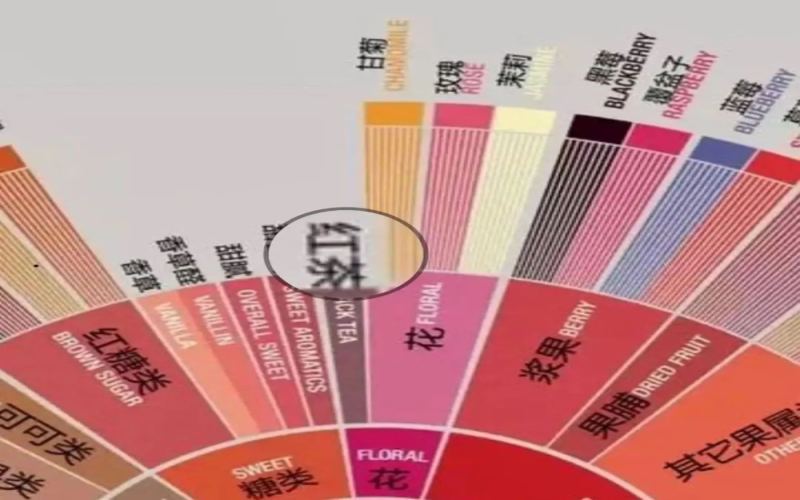
Where does the tea-like note in coffee flavor come from? Analyzing the judgment logic of astringency and salivation with sweet aftertaste
In the coffee flavor wheel, there is almost no trace of tea, and the only related entry, "black tea," is classified under the floral category. Yet in the flavor descriptions of coffee beans sold domestically, words such as green tea, black tea, and oolong tea are extremely common. How exactly should tea-like notes be judged? Is astringency equivalent to tea-like notes? Starting from the mechanisms of tea polyphenols and glycosides, this article distinguishes positive astringency from negative astringency, analyzes how organic acids bring about mouth-watering and sweet aftertaste, and, combined with the tasting experience of several Front Street Coffee beans, explains the specific expression of different tea-like flavors in coffee, as well as why domestic coffee beans prefer to use tea-like notes as a descriptor. [more…]

Coffee Sensory Tasting | How Can Coffee Novices Learn to Describe Coffee Flavors from Different Angles? How to Properly Develop Coffee Flavor Tasting Skills?
"This coffee has a rich fruity profile, with notes of citrus, lemon, oolong tea, and jasmine!!!" For someone who has just been introduced to specialty coffee, this might sound unbelievable—how can you taste so many flavors in one cup of coffee! (Are they just making it up?) In this installment of Barista Growth Diary, we'll share a little [more…]

What Exactly Does "Body" Mean in Pour-Over Coffee? A Comprehensive Analysis of Mouthfeel, Oils, Filters, and Bean Varieties
When drinking coffee, you often hear people say "this cup has a good Body," but what exactly does Body mean? Is it the same as richness? Is it the same as strength? In fact, Body describes the sense of weight and tactile viscosity that coffee presents in the mouth, similar to the completely different textures of water, milk, and yogurt when swirled. From the perspective of Front Street, this article systematically sorts out the meaning of Body, its influencing factors, and how to judge it, and further discusses variables such as oils, cellulose, quinic acid, and roasting degassing, and finally gives practical ideas for improving the richness of pour-over coffee, including changing filter materials and choosing suitable bean varieties, to help you more accurately understand and adjust the taste performance in everyday brewing. [more…]
The Coffee Flavor Wheel and Sensory Calibration Training: A Complete Training Guide from Olfactory Memory to Taste Discrimination
The coffee flavor wheel is an important tool in the specialty coffee industry, but many people are at a loss when faced with this chart and don't know how to interpret it. This article systematically sorts out the development background and practical value of the coffee flavor wheel, and provides an in-depth explanation of specific methods for sensory calibration training—from the daily accumulation of aroma memory to the dual perception mechanism of taste buds and mouthfeel in taste discrimination. Only by building a personal flavor memory bank through scientific training can you truly understand a cup of coffee. The article also introduces the working principles of the tongue's two types of receptors, as well as the material basis behind smoothness and astringency. If you want to improve your tasting ability, this training method is worth studying repeatedly. [more…]
Coffee Flavor | What does "bright" mean in the context of bright coffee acidity? Which coffee beans produce pour-over coffee with bright acidity?
When evaluating a cup of coffee, we use various adjectives to describe its texture, so that the information others receive can be more vivid and three-dimensional. For example, when describing the mouthfeel of coffee, words like smooth and full-bodied are used to express the tactile experience of the coffee in the mouth; or when describing the aroma of a cup of coffee, [more…]
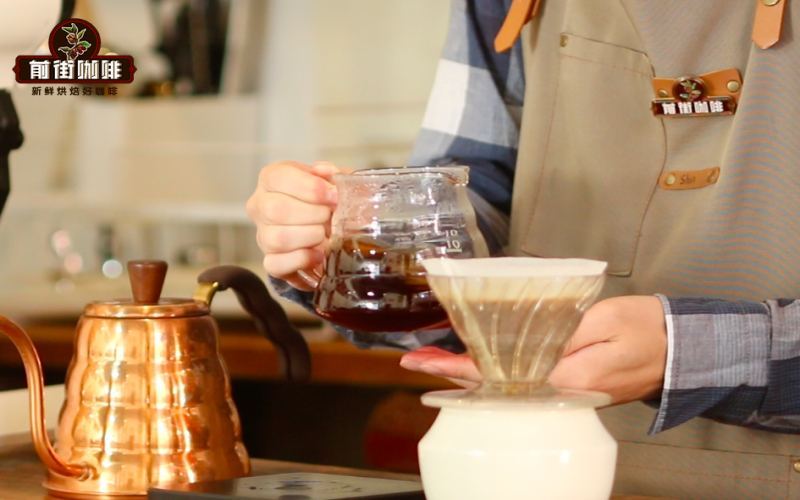
Where Does the Body of Pour-Over Coffee Come From? Analyzing the Essence of Body and Brewing Strategies to Enhance Mouthfeel
Have you ever heard the word "Body" from a barista or a fellow coffee enthusiast? It refers to the sense of volume and richness that coffee presents in the mouth, and it belongs to the tactile level of experience. Many people confuse Body with strength, but what truly determines richness is the oils and fibrous materials in coffee that do not dissolve in water. This article will start from the definition of Body, clarify the difference between it and mouthfeel and smoothness, and share a brewing method recommended by Front Street Coffee—by lowering the water temperature, reducing agitation, and extending the steeping time, pour-over coffee can also present a smooth and full-bodied texture. [more…]
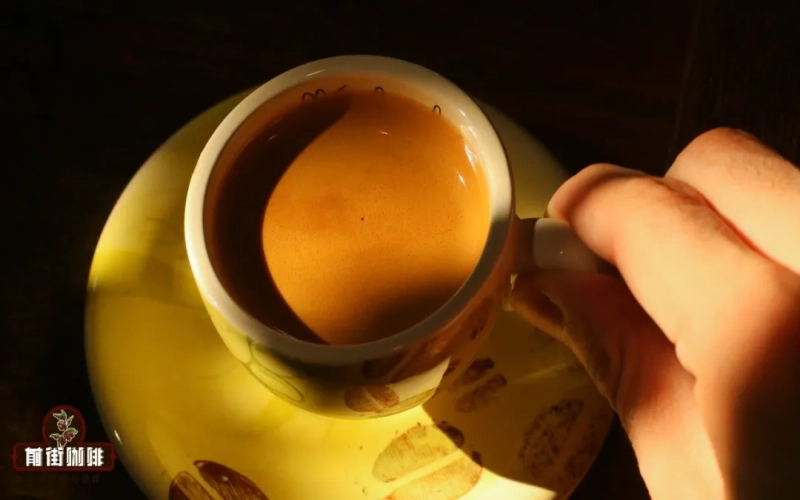
The Real Relationship Between Espresso Crema Thickness and Body, a Professional Interpretation of Mouthfeel Differences
Many coffee enthusiasts observe a thick layer of golden-brown crema floating on the surface when extracting espresso, yet it tastes unexpectedly thin, with little body. So, does the thickness of the crema directly determine the richness of an espresso? This article will start from the formation principles of crema, analyze its actual relationship with body, and reveal the differences in mouthfeel through comparative experiments. At the same time, we will also introduce a Front Street classic blend that produces rich crema, helping you better understand and choose. [more…]

An Introduction to Pour-Over Coffee Tasting: From Aroma to Mouthfeel, How to Read a Cup of Coffee
Compared to the straightforward expression of espresso, pour-over coffee presents its flavors more subtly, and tasting it requires more patience and method. From the perspective of Front Street, this article systematically sorts out the tasting path for pour-over coffee: from the dry aroma after grinding to the wet aroma during brewing, from the sweet, sour, bitter, and salty tastes brought by water-soluble substances to the flavor identification involving retronasal olfaction, and then to the mouthfeel experience determined by insoluble substances. The article also analyzes the causes of richness and thinness, the sources of astringency, and the influence of roast level on mouthfeel, helping coffee enthusiasts establish a correct tasting framework before identifying specific flavors and find a more efficient way to perceive them. [more…]

Espresso Tasting Guide: What Are You Actually Drinking, and Why Is It Always Served with Sparkling Water?
In many coffee shops, espresso does not appear on the visible menu, and first-time visitors are often unfamiliar with it. This article revolves around two core questions: what exactly are you drinking when you drink a cup of espresso? And why is it always served with a glass of ice water? The article compares espresso with pour-over, analyzing its high-concentration characteristics, the unique mouthfeel brought by Crema, and key tasting points such as aroma, aftertaste, cleanliness, and balance. It then breaks down step by step the five-step drinking method: rinsing the mouth to awaken the taste buds, stirring to homogenize, sipping in small separate mouthfuls, closing the mouth and exhaling through the nose, and rinsing with clear water. Finally, it includes an introduction to Front Street Coffee's own Sunflower Warm Sun blend beans, taking you through the complete charm of this Italian classic. [more…]