







Search Results for: Oils
How to Get Oils in Pour-Over Coffee? The Key Role of Coffee Bean Lipids and Filter Selection Explained
Can pour-over coffee have oils? The answer is yes, but it requires a different approach. The crema of espresso is essentially oil encapsulating carbon dioxide, and it is the lipids in the coffee beans themselves that truly give coffee its rich body and aromatic boost. Because pour-over uses a filter paper with excessively strong filtration, it is nearly impossible to retain oils. To change this, you simply need to switch to a device with slightly weaker filtration performance, such as a flannel cloth or non-woven filter paper, and Front Street has clear recommendations on this. This article will explain the mechanism by which lipids work and compare in detail the pros and cons of different filters and the key adjustment points, to help you achieve a richer mouthfeel in pour-over. [more…]
Why Is There No Golden Crema in Pour-Over Coffee? Explaining Everything from Extraction Principles to Filter Media Choice
Many people think that pour-over coffee has no crema. In fact, it is not entirely absent—it is just that most of it is blocked by the paper filter, and what remains exists in the form of mouthfeel. This article begins with the definition of coffee crema, explains why espresso can bring out a golden crema layer, and analyzes how bean variety and roast level affect the amount of crema. It then focuses on the pour-over scenario, explaining how paper filters intercept crema, the respective pros and cons of metal filters and cloth filters, and how to choose if you want to retain crema. The article retains several Front Street Coffee bean lists and blending suggestions to help enthusiasts choose as needed. [more…]
What Is Coffee Crema Made Of? | Why Does Espresso Have Crema? What Factors Affect the Richness of Espresso Crema?
Just a few days ago, a customer came to Front Street Coffee's store in Dongshankou, Guangzhou to drink espresso, and before leaving said, "I really love your espresso, the crema is the richest I've ever seen!" It happened that a friend also asked Front Street about that espresso. [more…]

What Makes Up the Crema on Espresso? Why Is It Hard to Achieve with Paper-Filter Pour-Over? How Equipment Choice Affects Flavor and Texture
On the surface of an espresso, that layer of golden-brown foam is often regarded as a sign of extraction quality, but in essence it is a structure formed when carbon dioxide bubbles are wrapped by the water-soluble fats inside the coffee beans. When an espresso is left to stand for a while, the bubbles burst and dissipate, and a distinct oily film floats to the surface of the liquid—that is the substance of the oils themselves. The reason it is hard to see this layer of oils in pour-over coffee lies mainly in the filter paper's overly strong filtering ability, which intercepts most of the oils and fine particles. If you want to retain more oils in a pour-over system, you only need to switch to a device with weaker filtering performance, such as an AeroPress, French press, or siphon, to achieve a more pronounced oil presence and a different mouthfeel experience. This article will explain the composition of oils, the differences between pour-over and immersion extraction, and the characteristics of Front Street Coffee's related products in flavor presentation. [more…]
A Comprehensive Analysis of the French Press: From Extraction Principles to Brewing Steps and Crema Performance
The French press, also known as a French filter press or tea maker, is nicknamed the "lazy person's pot" due to its simple operation. It originated in France around 1850. It consists of a heat-resistant glass body and a metal filter with a plunger, and was initially mostly used for brewing black tea. The French press fully preserves the coffee's flavor and oils, offering a smooth, sweet, and rich mouthfeel. Its extraction rate is close to that of cupping, and it is the easiest method to replicate the same flavor, making it very suitable for beginners. However, it has higher requirements for coffee bean quality and freshness, and overly fine grinding can easily lead to over-extraction. This article will detail the pros and cons of the French press, the differences in oils compared to espresso and moka pot, and include the complete operating steps from Front Street Coffee. [more…]
A Complete Beginner's Guide to the French Press: From Extraction Principles to Brewing Parameters, a Step-by-Step Guide to Making a Good Cup of Coffee
In a fast-paced life, do you crave a good cup of coffee but struggle to find the time? A French press might just be the ideal choice that balances convenience and flavor. It is simple to operate, easy to replicate, and fully preserves the coffee's oils and aroma, delivering a rich, rounded mouthfeel. It is neither as technique-demanding as pour-over nor as easy to pick up as espresso. This article will start with the origins, structure, and working principle of the French press, then break down in detail the steps and key parameters for making French press coffee, including the coffee-to-water ratio, water temperature, grind size, and steeping time. It will also compare the differences in oil extraction between espresso machines and moka pots, and share Front Street Coffee's professional advice on coffee bean freshness and grinding timing, helping you easily master the correct way to use this "lazy person's pot." [more…]
Why Does a Coffee Grinder Cause Flying and Sticking Grounds? Static and Oils Are the Main Causes—A Few Practical Tips to Fix It
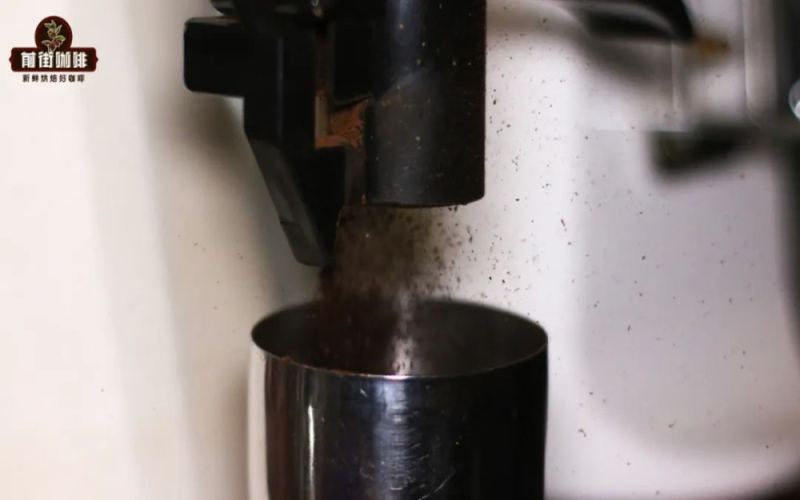
When grinding coffee beans, have you ever encountered coffee grounds splattering everywhere or sticking to the dosing cup or the exit chute? There are usually two reasons behind this: the oils seeping out of dark-roasted beans, and static electricity in a dry environment. Dark-roasted beans have a loose structure, and as carbon dioxide is released, oils seep out along with it, making the ground particles prone to clinging to the cup walls; static electricity, meanwhile, causes fine particles to stick to the grinder's exit chute, reducing the actual amount of grounds you get. Some newer electric grinders come with anti-static plates, but many small electric grinders and hand grinders don't have this design. The Little Fuji grinder that Front Street Coffee once used had long-standing problems with flying grounds and retained grounds, and the bottom of hand grinder burrs often end up covered in coffee grounds. In addition to analyzing the causes, this article will also share a simple anti-static method of stirring coffee beans with a wet spoon, and remind you of the risks and precautions involved, helping you reduce waste and improve your grinding experience. [more…]
What Exactly Does "Body" Mean in Pour-Over Coffee? A Comprehensive Analysis of Mouthfeel, Oils, Filters, and Bean Varieties
When drinking coffee, you often hear people say "this cup has a good Body," but what exactly does Body mean? Is it the same as richness? Is it the same as strength? In fact, Body describes the sense of weight and tactile viscosity that coffee presents in the mouth, similar to the completely different textures of water, milk, and yogurt when swirled. From the perspective of Front Street, this article systematically sorts out the meaning of Body, its influencing factors, and how to judge it, and further discusses variables such as oils, cellulose, quinic acid, and roasting degassing, and finally gives practical ideas for improving the richness of pour-over coffee, including changing filter materials and choosing suitable bean varieties, to help you more accurately understand and adjust the taste performance in everyday brewing. [more…]
How to Get Crema from Pour-Over Coffee? A Complete Guide to Flannel Filter Brewing Techniques and Maintenance
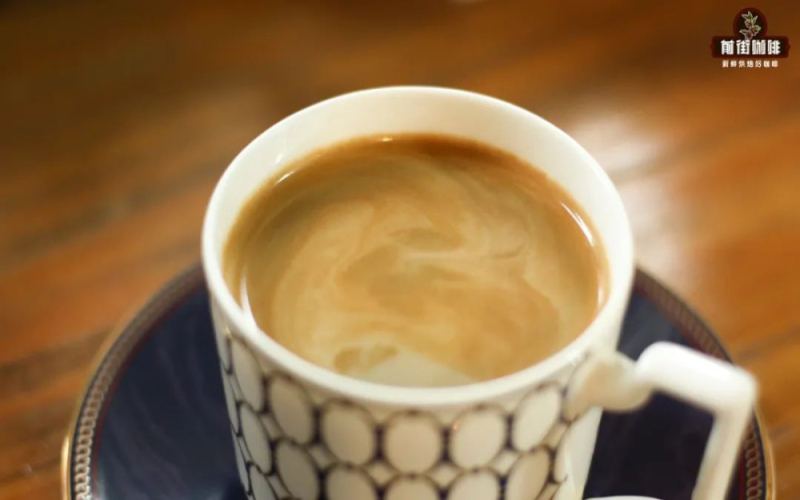
Coffee oils are key components that enhance mouthfeel, body, and aftertaste, but common pour-over paper filters remove them. If you want to retain the oils, you can switch to a flannel cloth filter, which has weaker filtration. This article explains in detail the characteristics of flannel cloth filters, the brewing method, the flavor differences compared with paper filters, and proper storage. It also uses a dark-roasted Golden Mandheling as an example, giving specific parameters such as coffee-to-water ratio, grind size, and water temperature, and shares Front Street Coffee's brewing experience. [more…]
Pour-Over Filter Paper Buying Guide: Non-Woven Filter Paper Characteristics and a Comparison of Filter Paper vs. Filter Cloth Brewing Differences
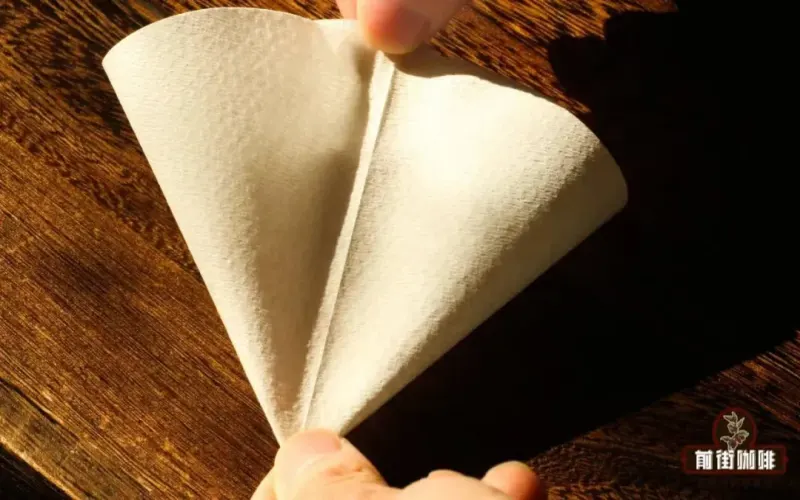
In the world of pour-over coffee, the choice of filter paper directly affects the flavor in the cup. Filter paper offers outstanding filtration, delivering a clean and bright mouthfeel, but for this very reason it traps some of the coffee oils, making the aroma and body slightly inferior to tools such as metal mesh filters and cloth filters. From the perspective of Front Street, this article takes a deep dive into the composition of coffee oils and crema, explains how the filtration medium affects coffee's aroma and body, and, through a comparative brewing experiment between filter paper and non-woven filter paper, demonstrates the specific differences in flavor performance between the two. If you are struggling to decide which filtration tool to choose, or want to understand the characteristics of non-woven filter paper, this article will provide you with a clear reference. [more…]
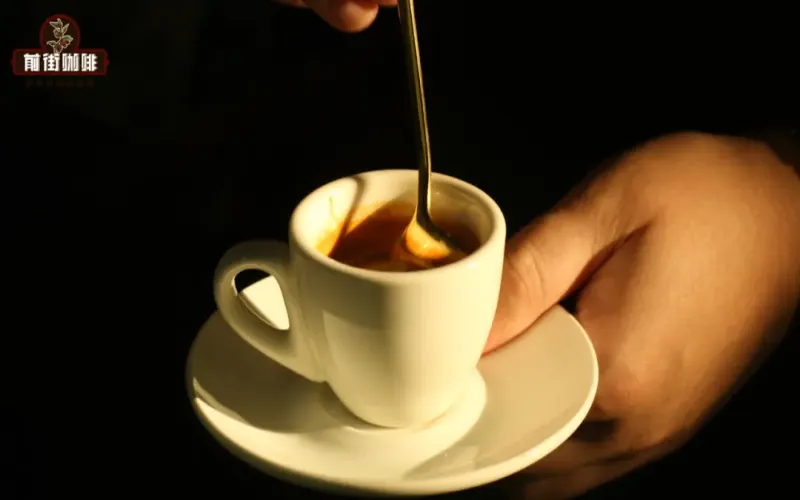
Where does espresso flavor come from? How to choose espresso beans? Five tips to teach you how to taste Espresso
Espresso often leaves a first impression of being "bitter," which puts off many first-time tasters. But those who truly know how to appreciate it can taste layers and pleasure in this small cup of coffee. From the perspective of Front Street, this article systematically sorts out the three major advantages brought by espresso's pressurized extraction—Crema, rich lipids, and ultra-high concentration—and shares five practical tasting tips: first rinse your mouth with water, stir to blend the oils, smear the oils around the rim of the cup to adapt, take small sips in several rounds, and choose Italian-style beans with a medium roast. At the same time, it introduces how Front Street's classic blend, with a combination of Mandheling, Brazil, and a small amount of Robusta, presents a chocolate-hazelnut profile that is strong but not bitter, helping you more easily enjoy a cup of espresso. [more…]
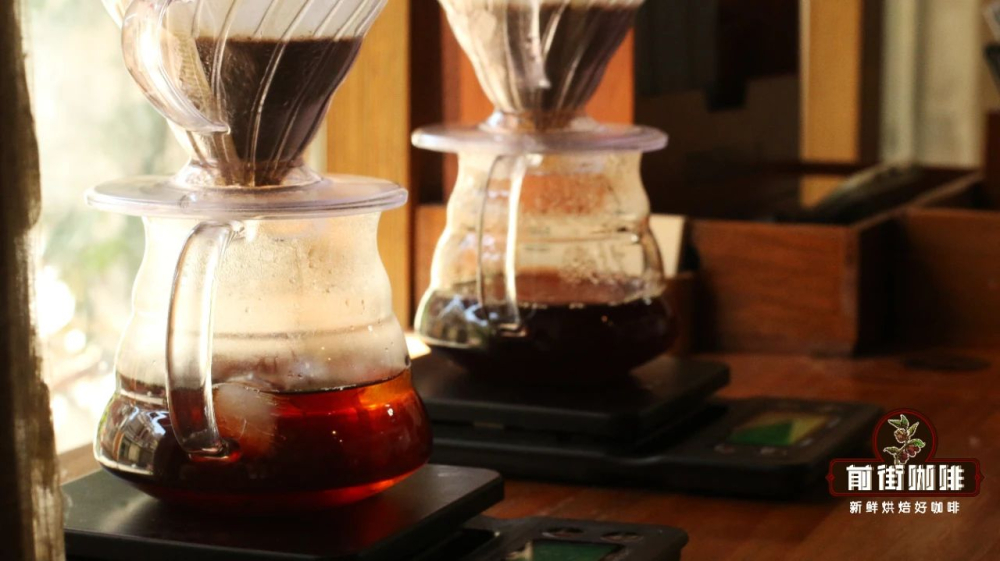
French Press Coffee | What coffee beans are suitable for French press brewing? Does French press coffee have a lot of oils? How much coffee grounds, water, water temperature, and steeping time for a French press?
For more specialty coffee knowledge, please follow: Front Street Coffee (Frontsteet Coffee). Coffee is becoming more and more popular, and there are all kinds of brewing methods. However, when you're busy, you might feel you don't have time for a pour-over, and if you want an espresso, it seems you don't have much time either. So in this [more…]
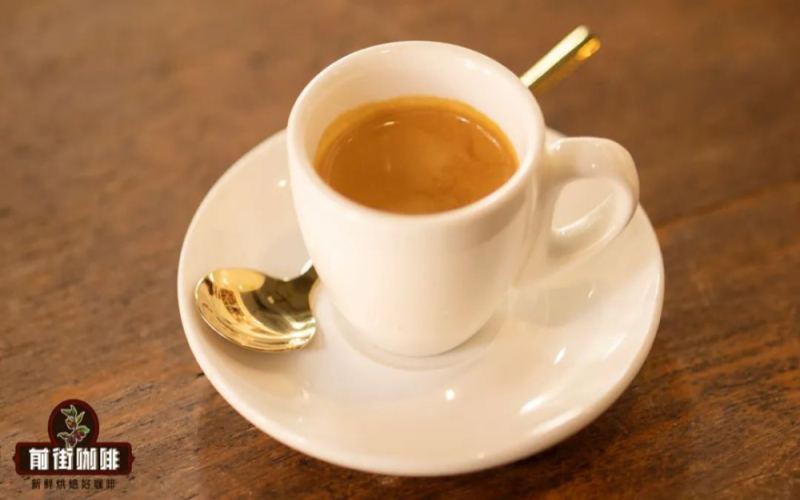
Why Does the Golden Crema on Espresso Taste Bitter? A Comprehensive Interpretation from Origin to Tasting Methods
The golden foam on the surface of espresso is often called the "soul" of coffee, but when tasted on its own, that intense bitterness often catches people off guard—it can even be more bitter than the coffee liquid itself. Japanese coffee researcher Nobuhiro Tanbe once pointed out that after removing the surface oils, the unpleasant flavors in espresso are greatly reduced; WBC champion James Hoffmann holds a similar view, believing that although crema is visually pleasing, it may not taste good on the palate. Front Street Coffee previously conducted a dedicated comparative experiment, confirming that the bitterness of Americano with the oils removed is indeed noticeably lower. That being the case, where exactly does the bitterness of this layer of oils come from? And why does it still keep so many enthusiasts coming back for more? This article will examine extraction principles, the causes of bitterness, and aroma, mouthfeel, and finish, among other dimensions, to help you reunderstand espresso's crema and offer better ideas for drinking it. [more…]
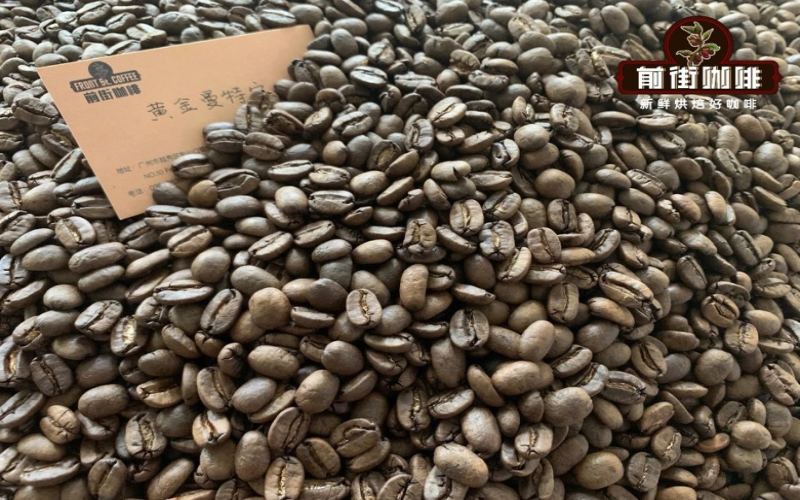
The Richness of Dark Roast Coffee: Balancing Oils, Caramel, and Mouthfeel
The charm of dark roast coffee lies in its steady, full-bodied richness. Many people use "heavy" and "smooth" to describe it—this mouthfeel is not a one-dimensional bitterness, but a balance woven from caramel sweetness, bitterness, and an oily richness. Once you understand where the richness of dark roast beans comes from, drinking it becomes even more enjoyable. The foundation of richness [more…]
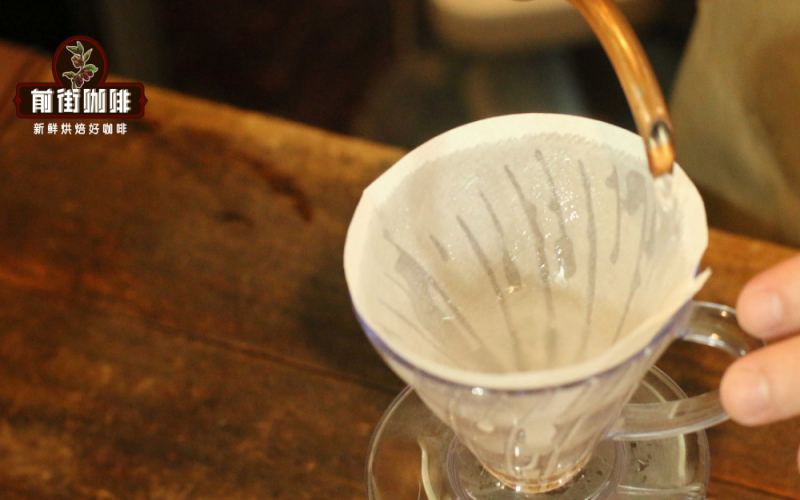
How to Choose and Use Coffee Filters? A Complete Guide to Bleached vs. Unbleached, Cone Filter Parameters, and Three Brewing Methods
Brewing coffee at home—paper filters, metal filters, or cloth filters: how exactly should you choose? This article starts with the difference between bleached and unbleached paper filters, explains why you should rinse your paper filter, and lists the weight and feel of several common cone-shaped paper filters for reference. It also compares metal filters, flannel cloth filters, and drip coffee bags by their pros and cons. Whether you're after a clean, crisp cup or want to keep more of the coffee oils and original flavors, you'll find the right filtration solution for you here, and avoid detours when shopping. [more…]

Pour-Over Coffee Beginner's Guide | How Should Coffee Newbies Choose Coffee Filters? How Do You Use Coffee Filters? What Types of Coffee Filters Are There?
For professional coffee knowledge exchange and more coffee bean information, please follow FrontStreet Coffee. How to choose coffee filter paper? How to use coffee filter paper? What types of coffee filter paper are there? Many enthusiasts buy their own coffee beans, use a grinder, and purchase equipment to brew coffee, all [more…]
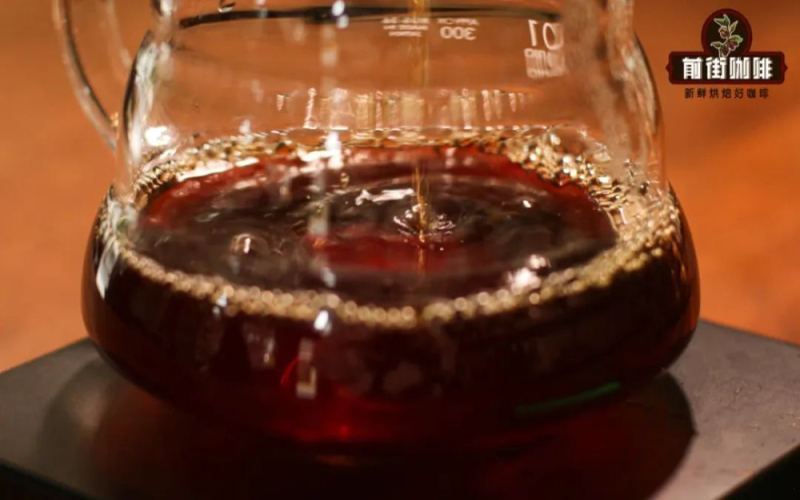
What Exactly Is Coffee Body? A Full Analysis of the Key Factors Affecting Fullness and Brewing Techniques
When drinking coffee, we often hear the term "Body" — what exactly does it mean? Simply put, Body is the tactile sensation and weight that coffee brings to the mouth, also known as mouthfeel or thickness. A good cup of coffee needs not only rich flavors but also a noteworthy mouthfeel. The quality of Body mainly depends on the content of oils and fiber in the coffee, and whether these substances can be fully extracted is closely related to the choice of filter, brewing time, and the roast level of the coffee beans. Front Street Coffee will take you through an in-depth understanding of the essence of Body and share how to achieve the ideal rich mouthfeel by adjusting brewing parameters. Whether you prefer a thick, full-bodied cup or a light, smooth one, this article offers practical reference for you. [more…]
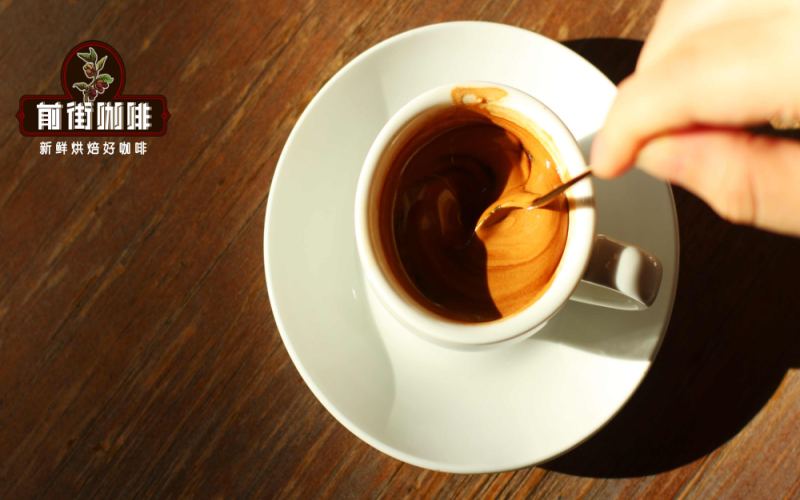
What Factors Determine the Crema of Espresso? A Complete Guide to Choosing the Right Coffee Beans
The golden, dense layer of oil on the surface of an espresso, known as crema, is regarded by many coffee lovers as the soul of a good espresso. Where exactly does this layer of foam come from, and what conditions affect it? Simply put, crema is a layer of tiny bubbles formed when carbon dioxide is released from the coffee liquid during high-pressure extraction, and its quality is closely related to the freshness of the coffee beans, the roast level, and the extraction pressure. In an ideal espresso, the crema accounts for about one-third of the coffee liquid, with a golden color and a fine surface free of coarse bubbles. This article will analyze three aspects: the freshness of the coffee beans, the bean blends suitable for extracting crema, and the pressure conditions, and will also recommend a variety of espresso blend beans with different styles from the Front Street Coffee brand to help you consistently extract a satisfying crema performance at home. [more…]

How should espresso be tasted? Breaking down the flavor code of Italian coffee, from crema and coffee oils to solubles
Many people, when first encountering espresso, wonder: what exactly is in this bitter little cup? In fact, the pleasure of espresso lies in its structure—the crema on top, the coffee oils clinging to it, and the soluble substances in the coffee beans together create a rich, layered experience. Starting from the extraction practices at Front Street Coffee, this article breaks down the three major components of espresso and introduces the recipe, roasting curve, and extraction parameters of the Warm Sun blend, before offering tasting suggestions such as stirring and cooling, to help coffee lovers truly understand this cup of Italian coffee. [more…]

What determines the oil content of coffee beans? The difference between Robusta and Arabica and Front Street Coffee blend recommendations
When discussing coffee beans, oil content is often used to judge a bean's characteristics and uses. Overall, Robusta usually has higher oil content than Arabica, but Robusta has a flatter flavor and lacks character, and it also has a higher caffeine content. It is highly resistant to pests and diseases, suitable for low-altitude cultivation, has high yields, and is not demanding about rainfall, so its price is relatively low. If Robusta is used directly in espresso, it brings a strong and harsh taste, so it is better suited to being paired with high-quality Arabica, which both balances the flavor and boosts the oil. When choosing coffee beans with rich oil, Front Street Coffee Classic Blend and Front Street Coffee Commercial Blend are both ideal choices. They add a small amount of Robusta, making the body of espresso more outstanding, releasing butter, nut, spice, and dark chocolate aromas during extraction, and are suitable for making Americano or latte. If you prefer pure Arabica, Front Street Coffee Specialty Blend and Front Street Coffee Dark Cocoa Base Blend provide delicate golden oil and a smooth mouthfeel. [more…]