





What Is Crema in Coffee and How Do You Taste Espresso?
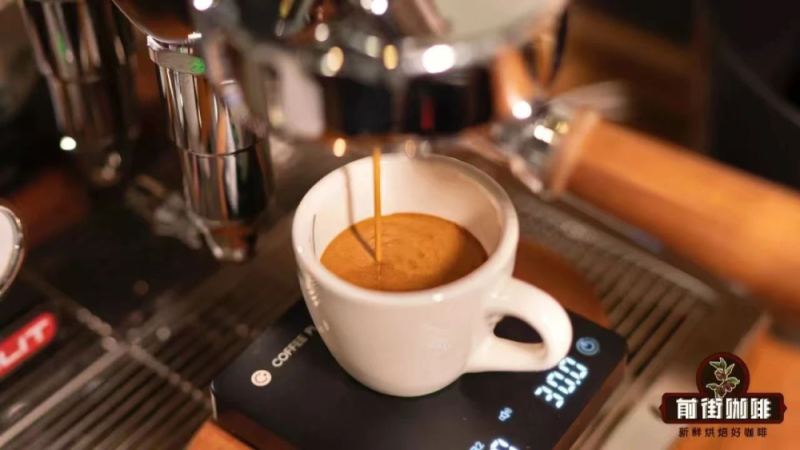
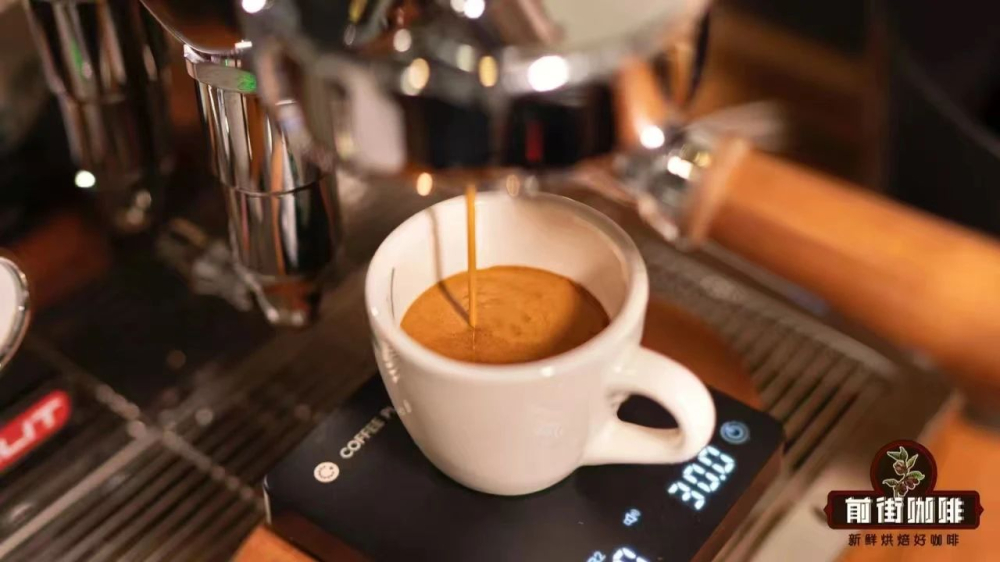
Crema is the golden foam on top of an espresso shot. It forms when pressurized extraction forces coffee oils and carbon dioxide into the cup, trapping gas in a temporary foam. Espresso is often kept off café menus, so first-time drinkers may not know what they are tasting. A standard shot shows a crema layer about one-third of the total liquid, fine and smooth with no large bubbles.
Tasting follows a simple sequence: rinse the mouth with the sparkling water served alongside, stir the shot, sip in portions, close the mouth and breathe back through the nose, then rinse again. Compared with pour-over, espresso delivers a faster, stronger flavor impact. The water cleanses the palate so aroma, aftertaste, cleanliness and balance come through more clearly.
In many cafés, espresso does not appear on the visible menu, and first-time visitors are often unfamiliar with it. This article revolves around two core questions: what exactly are you tasting when you drink a cup of espresso? And why is it always served with a glass of ice water? The article compares espresso with pour-over, analyzes its high-concentration characteristics, the unique mouthfeel brought by Crema, and key tasting points such as aroma, aftertaste, cleanliness, and balance. It then breaks down the five-step drinking method: rinsing the mouth to awaken the taste buds, stirring for uniformity, sipping in portions, closing the mouth and breathing back, and rinsing with clear water. Finally, it includes an introduction to Front Street Coffee's own Sunflower Warm Sun blend, taking you through the full charm of this Italian classic.
In many coffee shops, espresso is not written into the formal menu, and most of the time it exists as a hidden item. So first-time guests often do not know exactly what it is or how to taste it. In this issue, Front Street Coffee (FrontStreet Coffee) will talk with everyone about the way to drink espresso.
Regarding this drink that is both niche and common, many enthusiasts have always wondered, "How exactly should a cup of espresso be drunk?" Whenever we encounter such a question, we like to joke, "With your mouth open, of course~" But seriously speaking, to figure out the drinking method, you first need to understand another question—"When we drink espresso, what exactly are we drinking?"
When we drink espresso, what exactly are we drinking?
In earlier years, Italians were used to using coffee to refresh themselves during breaks from work. Out of consideration for saving time, they needed a drink that was served quickly and had a strong taste. After espresso was brought to the table, customers often finished it in two or three sips. One can imagine that at that time, people drank espresso mainly to take in caffeine as quickly as possible so they could return to work full of energy.
As it has developed to the present day, coffee has gradually moved toward specialization, and people's demands are no longer limited to refreshing the mind. Flavor performance is also valued. So when connoisseurs order and drink espresso, what exactly are they pursuing?
Compared with pour-over, espresso has a stronger flavor impact and a faster drinking rhythm. It cannot capture flavor changes at different stages like high, medium, and low temperatures the way pour-over does—after all, before it has even cooled, the cup is already empty. In addition, the relatively low coffee-to-water ratio creates an extremely high concentration, making espresso thick and powerful on entry, so many subtle flavors are not easy to detect (of course, there are also some espressos with complex layers and high clarity).
In addition, the high-pressure extraction process also gives rise to a unique product of espresso—"oil," which we commonly call Crema. It brings this drink a mouthfeel experience that is hard to find elsewhere. Therefore, when tasting espresso, we focus more on feeling its tactile texture, aroma, and aftertaste, plus a few clear and prominent flavors. A reminder: cleanliness and balance are the passing line. An espresso that tastes muddy on entry or has an unbalanced structure can be called a fatal flaw.
Why is a glass of ice water always served with espresso?
If you are a regular espresso drinker, you have probably noticed this detail: when the staff brings espresso to the table, there is also a glass of ice water beside it. What exactly is the reasoning behind this?
1. Normally, the ice water is served together with the espresso. Because this cup of coffee is small in volume and rich in flavor, the purpose of the ice water is to let you rinse your mouth and "awaken" your taste buds before you formally drink it. Rinsing with ice water before taking a sip removes the interference of mixed flavors, so you can more truly experience the taste of the espresso.
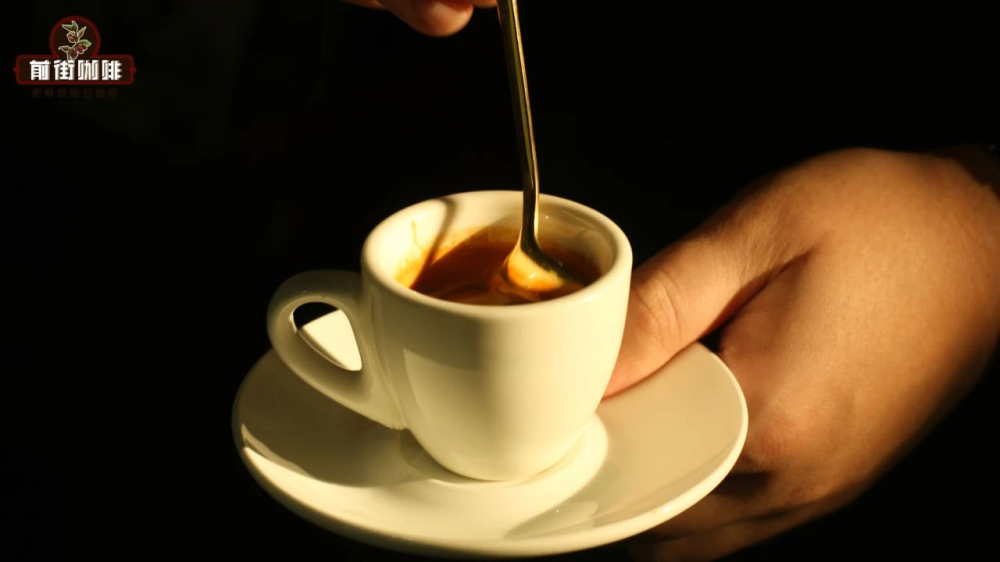
2. Next, use the accompanying small spoon to stir the coffee evenly. The liquid at the bottom of the cup is more viscous, while the upper layer is relatively thinner. After mixing evenly, it will be easier to taste as a whole. Of course, drinking it directly without stirring also lets you experience a different texture and layering.
3. Then drink the entire cup of espresso in 3 to 4 sips: let your tongue lightly brush against the upper palate to experience its tactile texture; then use both sides of your tongue to perceive elements such as acidity, mobilizing various taste senses in a comprehensive way to taste the condition of the whole cup of coffee.
4. After swallowing, close your mouth and breathe back, letting the aroma surge out from the nasal cavity, and feel the fragrance of the espresso and the aftertaste lingering in your mouth.
5. Finally, take a sip of clear water to rinse your mouth, and the sweetness of the coffee will slowly emerge.
But in the end, espresso is just a drink. There is no standard answer for how to taste it, and drinking it the way you like does no harm.
Of course, an excellent espresso cannot be separated from high-quality beans and solid extraction skills. The espresso beans currently used in Front Street Coffee (FrontStreet Coffee) stores are precisely their own developed espresso blend—Sunflower Warm Sun blend, made from a combination of Honduras coffee and Yirgacheffe sun-dried Red Cherry. The rich vanilla cream, wine aroma, and chocolate notes interweave, making the whole cup of espresso full of vitality and with a long finish.
The above content is compiled by CoffeeHunters, a coffee news website.


