







Search Results for: bright

Coffee Flavor | What does "bright" mean in the context of bright coffee acidity? Which coffee beans produce pour-over coffee with bright acidity?
When evaluating a cup of coffee, we use various adjectives to describe its texture, so that the information others receive can be more vivid and three-dimensional. For example, when describing the mouthfeel of coffee, words like smooth and full-bodied are used to express the tactile experience of the coffee in the mouth; or when describing the aroma of a cup of coffee, [more…]
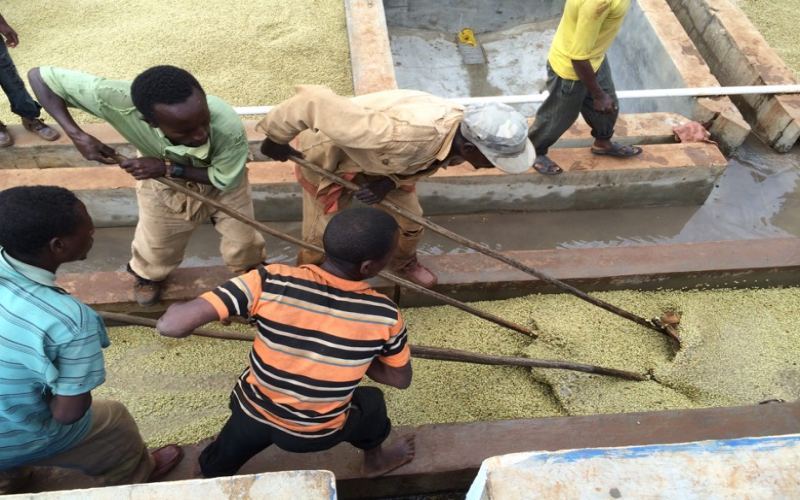
Kenya Double Washed Explained: The Bright Acidity in the Fermentation Tank
If you had to trace the "Kenyan taste" back to its processing origins, the answer would most likely point to double washing. This method, known locally as K72, polishes the fruit acidity of Kenyan coffee until it is bright, solid, and yet still clean. Once you understand double washing, you understand where the signature juicy quality of Kenyan beans comes from. Double Washing [more…]

How to Choose Light-Roast Floral Coffee Beans: From Bright Fruit to Gentle Tea Notes
The charm of light-roast coffee beans often reveals itself the moment you open the package and pour in hot water. Aromas of petals, citrus, berries, or tropical fruit come through vividly, the acidity is bright on the palate, and a light, sweet finish lingers after you swallow. It suits those who enjoy black coffee, pour-over, and iced drinks, and is equally suited to those who treat coffee as a relaxing afternoon beverage, savoring it slowly. [more…]
How to Choose Light-Roast Floral Coffee Beans: From Bright Fruitiness to Gentle Tea Notes
The charm of light-roast coffee beans often reveals itself the moment you open the package and pour in hot water. Aromas of petals, citrus, berries, or tropical fruit come through vividly, the acidity is bright on the palate, and a light, sweet finish lingers after you swallow. It suits those who enjoy black coffee, pour-over, and iced drinks, and also those who treat coffee as a relaxing afternoon beverage, savoring it slowly. [more…]

Choosing Yirgacheffe by Roast Level: From Floral and Fruity Brightness to Rich Sweetness for Beginners
The charm of Yirgacheffe often begins with floral notes, citrus, and a tea-like quality, but the same growing region can take on a completely different character at first sip depending on the roast. For those new to coffee, narrowing down your options by roast level first makes it easier to find a smooth starter cup than fixating solely on the region name. Pour-over black coffee emphasizes aroma, while milk [more…]
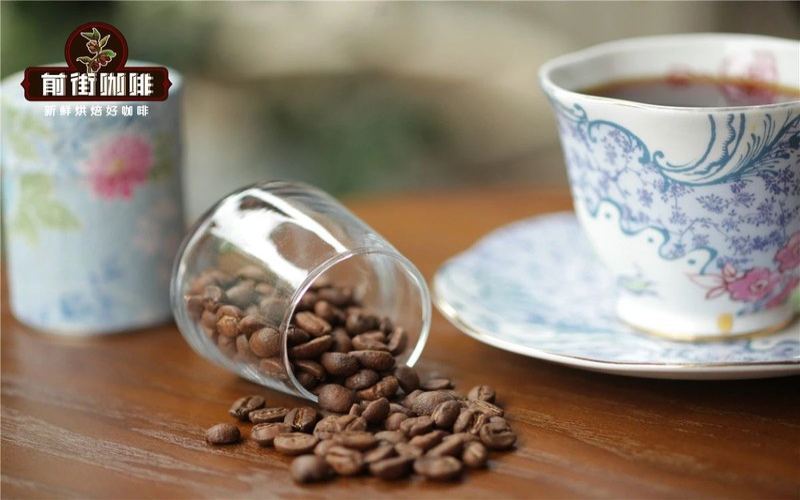
The Roasting Code of Sweet Americano: From Bright Light to Mellow Depth
Even with black coffee, the roast level of the beans pushes sweetness in different directions. A light roast is more like fresh fruit, bright and lively on the palate, suited to those who enjoy a crisp taste; a medium roast brings out syrupy, ripe-fruit and tea notes, rounder overall; a medium-dark roast relies on cocoa, nut and caramel-like aromas to build body. To make a sweet americano, you can [more…]
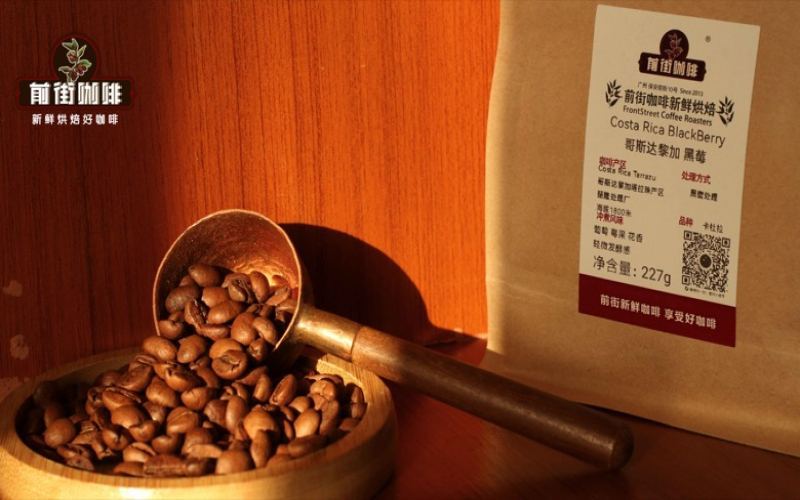
The Sweet-and-Sour Structure of Light-Roast Beans: Floral and Fruity Aromas with Bright Acidity
The flavor logic of light-roasted beans is "preservation": the roasting time is short, so the floral and fruity aromas and acidity of the origin are retained to a greater extent. When brewed properly, it is a bright and clean cup. The light-roast version of Front Street Coffee Yirgacheffe Gedingding has a clear citrus and green tea sweetness, and the acidity is a lively fruit acidity rather than a sharp, irritating sourness—the sweet-and-sour sensation of a light roast. [more…]

Exploring Floral and Fruity Regions: The Fruity Code of Ethiopia and Kenya
When exploring the regions that produce floral and fruity coffee, Ethiopia and Kenya are two origins you simply cannot avoid. These two African regions have distinctly different floral and fruity styles, and once you understand their respective fruity codes, you can precisely match your own taste preferences when choosing beans. Ethiopia is the native birthplace of Arabica, and its floral and fruity notes are characterized by tropical [more…]
Choosing Blend Coffee Beans by Roast Level: From Bright Fruit to Rich Cocoa
The charm of blended coffee beans lies in the fact that different origin beans, when combined, can form a more complete and stable flavor. When selecting, you can first look at the roast level: light roasts tend toward bright aromas, medium roasts balance sweetness and smoothness, while dark roasts emphasize cocoa, nutty, and roasted notes. By comparing these against your own drinking habits, choosing beans becomes much easier. [more…]
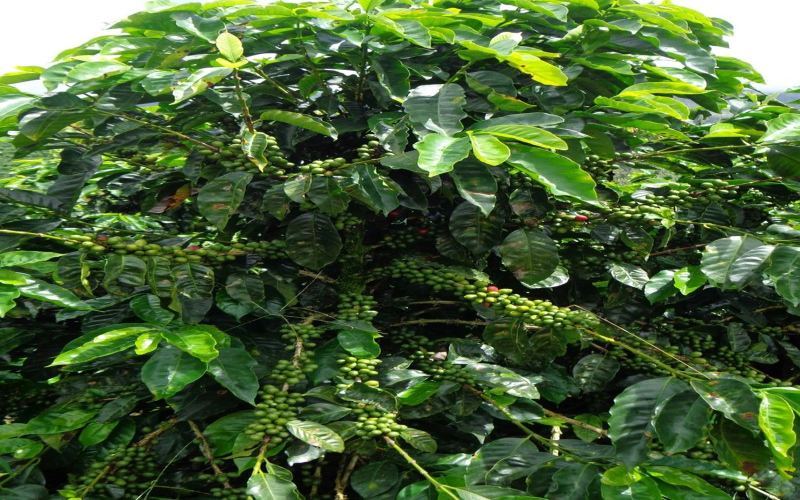
Floral Aromas from Bright to Mellow: How to Read Coffee Roast Levels
Floral coffee is not just one flavor. Light roasts more easily preserve notes of white flowers, orange blossom, jasmine, and tea; medium roasts bring florals together with caramel sweetness; and dark roasts usually push the florals into the background and shift toward cocoa, nuts, and roasted aromas. To choose a cup that suits your taste, you can first look at the roast level, then judge [more…]
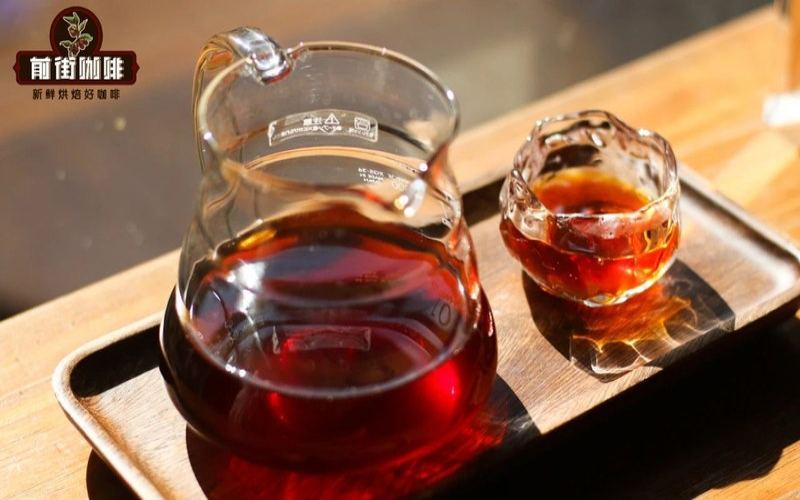
Choosing manually ground coffee beans by roast level: from bright fruity notes to rich cocoa
How to choose coffee beans for hand grinding—you can start with the roast level. It doesn't just determine the color depth; it also affects the aroma profile, the balance of acidity and sweetness, the body, and the brewing method suited to the ground coffee. People who enjoy bright fruity notes usually find light roasts more appealing; if you want rounded sweetness that works well both hot and iced, you can look to medium roasts; if you prefer [more…]
Choosing Hand-Ground Coffee Beans by Roast Level: From Bright Fruit to Rich Cocoa
How to choose coffee beans for hand grinding—you can start with the roast level. It doesn't just determine the depth of color; it also affects the direction of aroma, the balance of acidity and sweetness, the body, and the brewing method suited to the ground coffee. Those who enjoy a bright, fruity flavor are usually more receptive to a light roast; if you want rounded sweetness that works both hot and iced, pay attention to a medium roast; if you lean [more…]
Choosing Hand-Ground Coffee Beans by Roast Level: From Bright Fruity Notes to Rich Cocoa
How to choose coffee beans for hand grinding—you can start with the roast level. It doesn't just determine how dark the beans are; it also influences the direction of the aroma, the balance of acidity and sweetness, the body, and the brewing method best suited to the ground coffee. People who enjoy bright fruity notes usually take more readily to light roasts; if you want rounded sweetness that works well hot or iced, look to medium roasts; if you lean [more…]
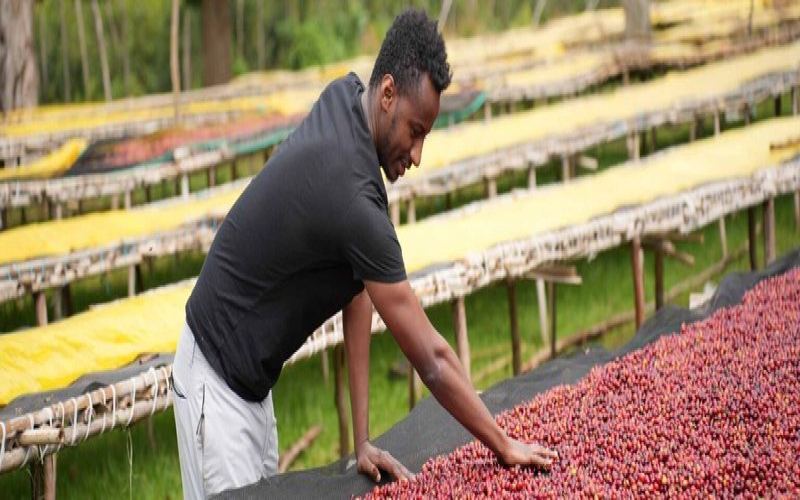
How to Choose SOE by Roast Level: From Bright Fruit to Rich Sweetness
If you want an espresso that expresses the character of its origin, SOE is a very direct choice. It doesn't rely on blending multiple beans to create a fixed flavor profile; instead, it lets the aroma of a single region and a single batch come through in the extraction. Selecting by roast level helps you find a better match among fruity acidity, floral notes, caramel sweetness, and body. SOE usually refers to [more…]
How to Choose SOE by Roast Level: From Bright Fruit Flavors to Rich Sweetness
If you want a cup of espresso with the distinct character of its origin, SOE is a very straightforward choice. It doesn't rely on blending multiple beans to create a fixed flavor profile; instead, it lets the aroma of a single origin and a single batch come through in the extraction. Choosing by roast level helps you find a better match among fruity acidity, floral notes, caramel sweetness, and full-bodied richness. SOE usually refers to [more…]

Floral and fruity pour-over beans: how to choose your roast level
If you want to taste floral aromas and bright fruit flavors in pour-over, roast level is the first thing worth checking. It affects how well the beans retain their aromas, their acidity and sweetness, and their mouthfeel, and it also determines how much extraction force is needed during brewing. If you enjoy a bright, light cup with jumping layers of flavor, look to light roasts; if you prefer a sweet, smooth, well-rounded [more…]
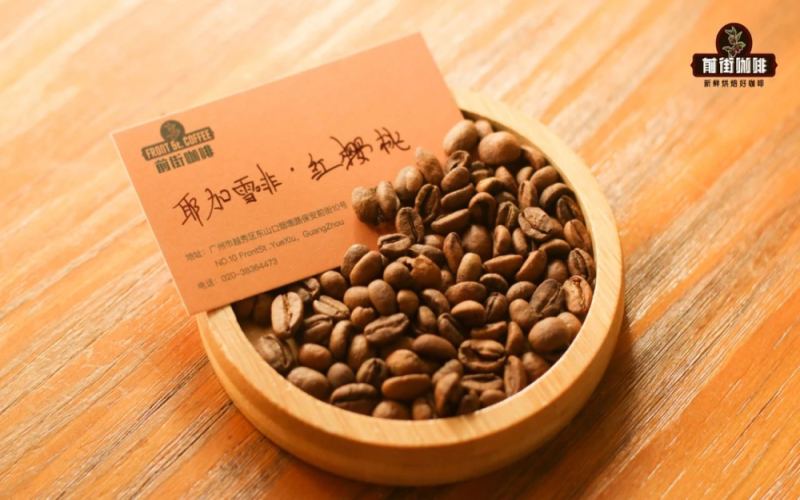
Yirgacheffe Coffee | Why Are Ethiopia's Premium Coffee Beans Produced in Yirgacheffe? Recommended Light-Roast Specialty Hand-Grind Coffee Beans
Yirgacheffe coffee has a unique citrus and lemon fruit aroma, along with the fragrance of jasmine, a fresh and bright texture, and a well-layered acidity, clean without any off-flavors. The high altitude brings a large temperature difference between day and night to Yirgacheffe, which slows down the growth rate of the coffee cherries and allows for the development of more flavors. [more…]
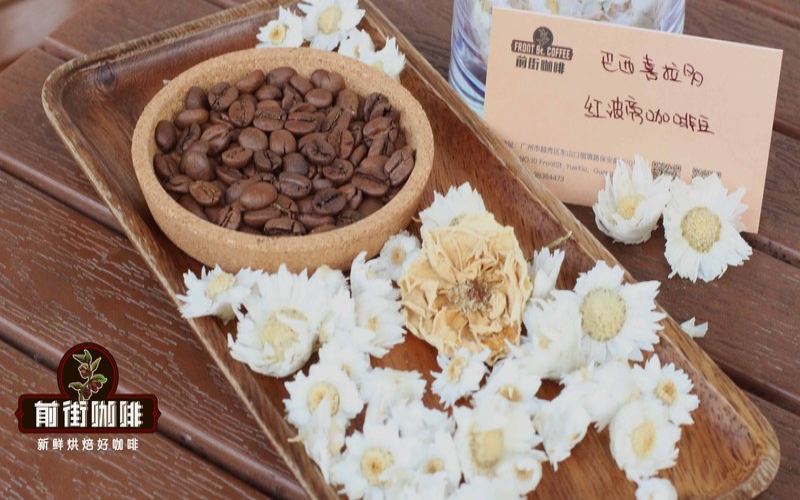
Choosing Espresso Blend Beans by Roast Level: From Bright Acidity to Full-Bodied Richness
When making espresso, the roast level of a blend directly affects the flavor, texture, and suitable drinking occasions of the shot. Light roasts more easily preserve bright acidity and fruity notes, medium roasts bring sweetness, aroma, and body to a more balanced position, while medium-dark and dark roasts lean closer to nutty, cocoa, and roasted tones. For those just getting into espresso, [more…]

Kenya Coffee Bean Brewing Tutorial Sharing
With the rise and popularity of the specialty coffee concept, emphasizing the flavor of origin—that is, the taste of the bean itself—has become a consensus, at least among some people. And after 2000, the third wave emphasized origin and light-roast flavors, and many single-origin coffees became increasingly well known. Among them, Kenyan coffee is known for its bright acidity. [more…]
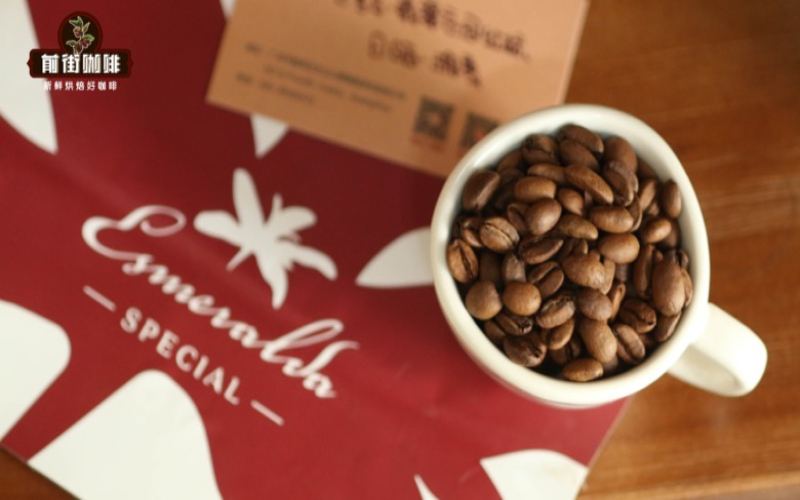
The Arabica Variety Map: Espresso Performance of Typica, SL28, and Geisha
Arabica is not a single variety, but a vast family. Different varieties perform noticeably differently in espresso, and understanding a few representative varieties makes drinking SOE more interesting. Typica is one of the oldest varieties within Arabica, with a clean, bright flavor and delicate sweetness, and is the flagship variety of many classic producing regions. [more…]