







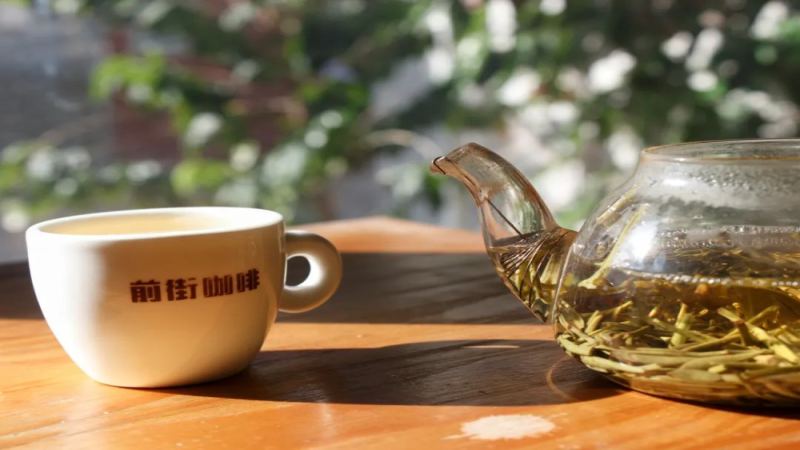
Why Do Yirgacheffe and Typica Coffees Taste Like Tea?
Tea-like notes in pour-over coffee come mainly from mouthfeel rather than a single flavor compound. Tea polyphenols and tannins, the same family of substances behind tea's roughness on the palate, also appear in coffee and produce a comparable tactile sensation. Medium-light roasting keeps more of these compounds intact and pushes the cup closer to a tea experience.
Washed lots such as yirgacheffe and typica coffee are the usual reference points when describing these notes. Tasting relies on orthonasal smell before the sip and retronasal smell after swallowing, which is why a washed Gesha can read as a light oolong or Tieguanyin. The coffee flavor wheel does not list tea separately, so tasters borrow tea names to describe what they perceive.
On coffee bean flavor labels, we often see various tea-related adjectives, sometimes even specifying the name of a particular tea. Why does coffee taste like tea? How exactly is this tea-like sensation formed? Starting from Front Street Coffee's tasting experience, this article analyzes the sources of tea-like sensations in coffee—including the tactile effects of tea polyphenols and tannins on the palate, the dual role of astringency in coffee, and how medium-light roasting brings coffee closer to a tea experience. It also uses specific beans such as washed Geisha, Yirgacheffe, and Yunnan Typica to illustrate how different tea aroma types manifest in coffee, helping enthusiasts describe and understand coffee flavors more accurately.
In the flavor notes of many coffee beans, tea-related terms appear, and some even directly name a specific tea. When Front Street Coffee previously chatted with some friends, someone mentioned: "Some coffees taste no different from tea when you drink them—not like coffee at all." This is probably the tactile experience coffee gives us in the mouth!
So-called tea-like sensation~
When drinking tea, the tea polyphenols in the brew are the core substances that constitute the taste and mouthfeel of tea. Tea polyphenols are not only important components that form the color and aroma of the tea infusion; their transformations during brewing also directly affect the mouthfeel when the tea is tasted. Among them, tea tannins, which account for the highest proportion of polyphenolic substances, are the source of the rich aroma of tea and at the same time give the mouth a "rough" tactile sensation—this is what we usually call the tea-like sensation.
Why does coffee have a tea-like sensation?
When tasting a cup of coffee, in most cases we need to combine taste with aroma, and then refer to foods we have encountered to describe various flavors—that is, using orthonasal olfaction before the coffee enters the mouth and retronasal olfaction after swallowing to make judgments.
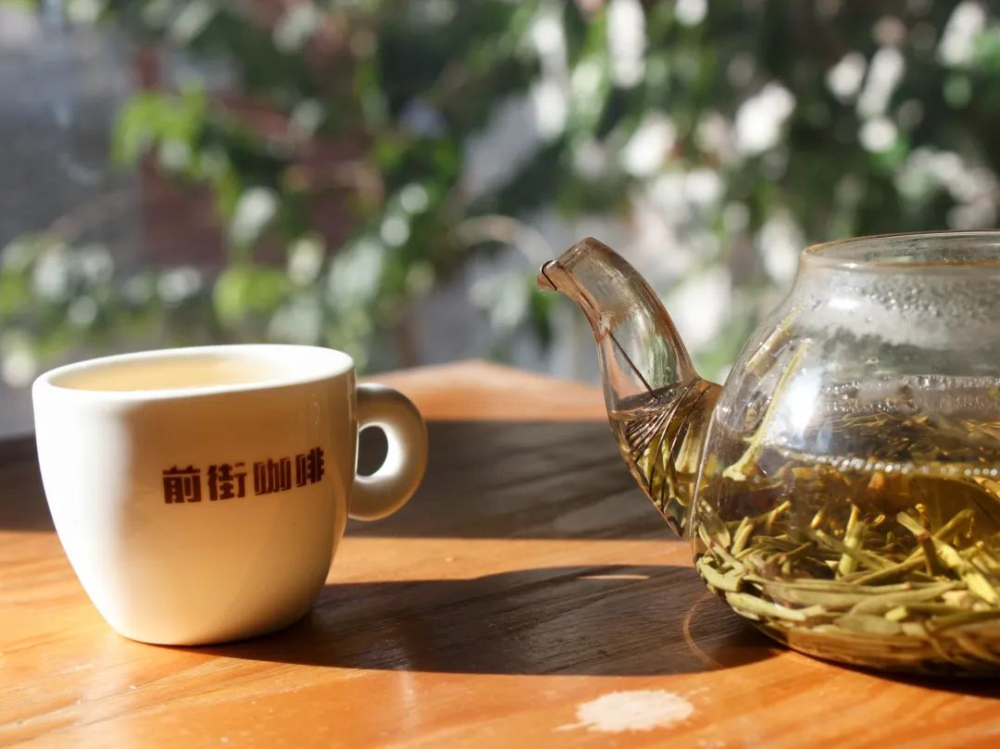
For example, when Front Street Coffee drank Hacienda La Esmeralda Green Label Geisha (washed process), we could perceive a clear and elegant fragrance, with a sweet and mellow finish, as if we were tasting a cup of Tieguanyin. Therefore, even though the flavor wheel does not list tea as an option, we can still discern various tea-like sensations from coffee.
When a slight astringency appears in coffee, combined with a certain aroma in the cup, it will likewise evoke our memories of drinking tea. "Astringency" is usually used to describe the mouthfeel caused by food rather than a taste. It is the puckering, drying sensation produced when phenolic substances in coffee come into contact with the oral mucosa. Take a bite of an unripe persimmon, and this feeling appears in your mouth.
Bitter and harsh astringency can greatly reduce the tasting experience, but some "benign" astringency can add layers to coffee. For example, the slight astringency of citrus peel interacts with the coffee's own acidity and sweetness, making it taste similar to citron tea.
Returning to the question raised by that friend, the reason coffee "doesn't taste like coffee" is, in Front Street Coffee's view, that medium-light roasting gives coffee higher acidity, relatively weaker burnt-bitterness, and, together with rich aromas, it easily reminds people of a cup of tea they have had before.
What tea flavors can be tasted in coffee?
Different tea types each have their own signature aroma profiles, such as fresh and pure green tea, black tea with fruity and honey-like aromas, and oolong tea where floral and fruity notes blend with roast aromas, and so on. When tasting coffee, the coffee's aroma, finish, and the degree of sweet aftertaste in the mouth together guide us to associate it with a particular "tea flavor."
When Front Street Coffee drank the washed Yirgacheffe Gutingding, the cup showed a fresh and elegant floral aroma with a transparent sweetness, reminiscent of white flowers, and the overall style was close to unfermented green tea.
In contrast, for sun-dried Yunnan Typica coffee, because the fruit pulp ferments together with the beans during the sun-drying process, the coffee beans absorb more abundant fermentation-related aromas. Front Street Coffee tasted a sweet, mellow, and rich aroma from it, with a dense and solid sweet finish, carrying a texture like fully fermented black tea.
Many coffees with floral and fruity notes easily lead people to associate them with the warm and gentle style of oolong tea. For example, the sun-dried Panama Hacienda Elida Geisha has an elegant and charming sweetness like roses and peaches, with a long finish, showing the rich yet delicate aroma characteristics of lightly fermented oolong tea.

In addition to traditional tea types, certain complex flavors in coffee also awaken our impressions of a certain taste in memory. For example, when Front Street Coffee tasted the Ethiopia Guji Uraga TOH washed group champion bean, we perceived full citrus acidity and sweetness, with the fruity aroma of pomelo peel interwoven with the sweet aftertaste of oolong tea, like holding a cup of warm honey citron tea.
The presentation of coffee flavors varies endlessly due to differences in each person's sensory memory bank. Our country's tea-drinking tradition has a long history, so when we capture high-quality aromas and a "familiar" mouthfeel from coffee, we naturally use tea-like sensation or tea aroma to describe it.
For professional coffee knowledge exchange and more coffee bean information, please follow Coffee Workshop (WeChat public account: cafe_style)
For more specialty coffee beans, please add the private WeChat of Front Street Coffee (FrontStreet Coffee), WeChat ID: qjcoffeex
The above content is compiled by CoffeeHunters, a coffee news website.


