







Search Results for: pleasant
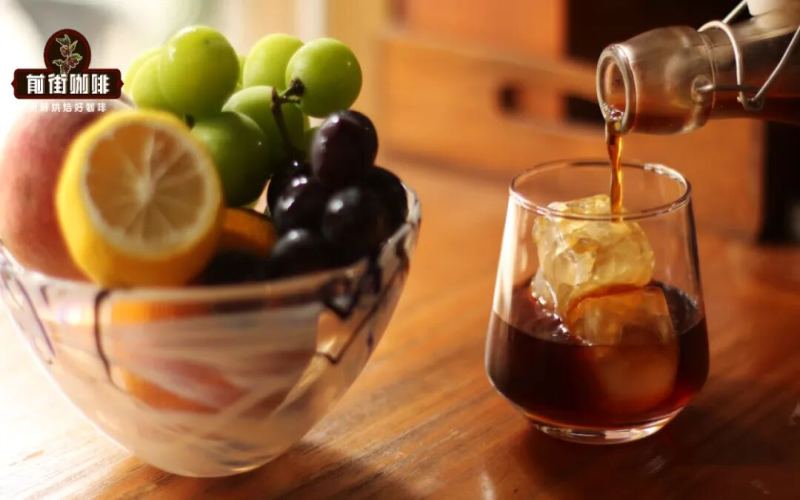
Coffee Flavor | What does "bright" mean in the context of bright coffee acidity? Which coffee beans produce pour-over coffee with bright acidity?
When evaluating a cup of coffee, we use various adjectives to describe its texture, so that the information others receive can be more vivid and three-dimensional. For example, when describing the mouthfeel of coffee, words like smooth and full-bodied are used to express the tactile experience of the coffee in the mouth; or when describing the aroma of a cup of coffee, [more…]
How to Choose Espresso Beans? Blends vs. SOE Differences and a Guide to Four Front Street Coffee Espresso Bean Recommendations
To make an espresso with a balanced mix of acidity, sweetness, and bitterness, choosing the beans is the first step. Espresso beans mainly fall into two categories: SOEs that highlight a specific region's flavors, and blends that aim for a balanced taste—most cafés go with the latter. The reason is that blends can make up for the shortcomings of a single origin's incomplete flavor profile, while also keeping the taste consistent year-round. When it comes to roasting, blends follow two paths—pre-blending raw beans or post-blending roasted beans—each with its own trade-offs. Front Street Coffee offers four blends for different needs: Sunflower Warm Sun, Specialty Blend, Commercial Blend, and Black Cocoa Blend, each suited to different shops and home scenarios. This article will walk you through all of this systematically to help you find the espresso bean that's right for you. [more…]
What Exactly Does "Bright" Coffee Acidity Mean? A Detailed Explanation from Acidity vs. Acid Quality to Practical Tasting Methods
In coffee circles, you often hear evaluations like "this cup of coffee has a very bright acidity," but what exactly does "bright" mean? This article, from the perspective of Front Street Coffee, first clarifies the difference between acidity and acid quality, then breaks down the specific manifestations of bright acidity in taste, aroma, and mouthfeel, and provides references to producing regions and bean lists where you can experience this type of flavor. If you've ever been confused by baristas' descriptive terms, this article will help you turn "bright" from abstract to concrete. [more…]

Why does coffee present a sauce-like aroma? What exactly is the difference between natural and anaerobic processing?
After roasting, green coffee beans release an extremely rich array of aromatic compounds, ranging from white florals to citrus fruit notes. These pleasant aromas burst forth in abundance the moment the beans are ground, often prompting baristas to deliberately let customers experience the dry fragrance before brewing. However, not all aromas are pleasant. Some beans, after grinding, give off a heavy savory aroma reminiscent of doubanjiang or soy sauce in the kitchen, leaving many people frowning in confusion. Where exactly does this flavor come from? What is its relationship to the coffee's processing method? And what essential differences exist between natural and anaerobic processing? This article will focus on how the degree of fermentation influences flavor direction, analyze the underlying logic behind the formation of savory notes, and use examples of beans currently sold by Front Street Coffee to help everyone more accurately identify and appreciate this type of coffee. [more…]

Does a sour taste in single-origin coffee mean it's gone bad? Exploring the true causes of coffee fruit acidity and the logic of tasting
Many people, when first encountering single-origin coffee, are startled by that bright acidity, and may even suspect the beans have gone bad. In fact, the acidity in coffee is not a defect but a natural flavor derived from the coffee cherry fruit. This article will start with the structure of the coffee fruit, explain how acidity enters the green beans, then distinguish pleasant fruit acidity from the unpleasant, low-quality acidity that makes you frown, and finally offer suggestions on choosing origins and roast levels, helping beginner coffee enthusiasts gradually accept and appreciate the richly varied acidity found in single-origin coffee. [more…]
What standards must high-quality coffee beans meet? A clear explanation from aroma and flavor to freshness and recommendations
What makes a coffee bean high quality? Many people judge it along two dimensions: first, whether the aroma is alluring enough; second, whether the taste on the palate is pleasant. Different varieties have their own flavors, and individual preferences naturally vary, but the core of high quality lies in preserving the coffee's aroma and flavor as completely as possible and fully releasing them in the final brew. A coffee's aroma and flavor are not inherent to the green bean; they gradually form during roasting. During roasting, the green beans gradually lose moisture, decrease in weight, darken in color, and expand in volume, while the oils that carry aroma are slowly driven out. At the same time, the chlorogenic acid, which is present in relatively high amounts in green beans, gradually breaks down as roasting proceeds, transforming into a pleasant fruity acidity, with the specific expression varying according to roasting duration. This article will explain the key conditions for high-quality coffee beans from the perspectives of roasting, storage, and the optimal tasting period, and will include product recommendations from brands such as Front Street Coffee. [more…]
How Should Coffee Shops Choose Espresso Beans? Differences Between Commercial Beans and Specialty Beans, Plus Front Street Blend Recommendations
When opening a coffee shop, which should be considered first: the espresso machine or the coffee beans? This article focuses on the choice of coffee beans. A café's positioning directly determines the direction of bean selection: if cost control is the priority, ordinary commercial beans can be used; if the goal is beverage quality, specialty coffee beans are recommended. The article sorts out the approach to bean selection based on positioning, compares the core differences between specialty beans and commercial beans in terms of quality and price, and provides the accounting logic from a business perspective. It also retains product information from the Front Street brand, including the Dark Cocoa Blend, Commercial Blend, Specialty Blend, and Strawberry Candy Espresso Blend, to help coffee enthusiasts and shop owners make clearer choices. [more…]
How to Identify High-Quality Coffee Beans? An Analysis of Specialty Coffee Evaluation Standards and Selection Key Points
In the face of a dazzling array of coffee beans, how can one judge quality? Currently there is no unified international definition of specialty coffee, but the Specialty Coffee Association of America and coffee-producing countries each have their own set of evaluation criteria. The former scores based on dimensions such as dry and wet aroma, acidity, body, aftertaste, flavor, and balance, while the latter focuses on conditions such as variety, altitude, terrain, and processing method. This article systematically sorts out these standards and summarizes the core characteristics of specialty coffee beans in terms of variety, growing environment, harvesting and processing, and grading, storage, and transport, while also explaining the freshness, healthfulness, and flavor performance that specialty coffee beverages should have. At the end, it also recommends Front Street Coffee's espresso blend solutions for different needs, for the reference of coffee enthusiasts and industry professionals. [more…]
In-House Roasting Café Green Bean Sourcing and Inventory Management in Practice: Cost Control, Partnership Strategies, and Espresso Blend Bean Selection Guide
For a coffee shop that roasts its own beans, having the roaster in place is only the starting point; what truly determines the quality of the final product is the quality of the green beans and the roasting craft. Green bean costs often account for a significant proportion of initial operating expenses, so how to choose the right items, control inventory, maintain stable supply, and leverage peer cooperation to lower the threshold for acquiring specialty beans is a challenge every operator must face. Starting from the cost structure of green beans, this article sorts out the three major purchasing points for basic espresso blend beans, explores the value of establishing horizontal partnerships, offers practical suggestions for display and storage, and finally includes flavor descriptions of several Front Street espresso blend beans for coffee shops with different positioning to reference when selecting beans. [more…]
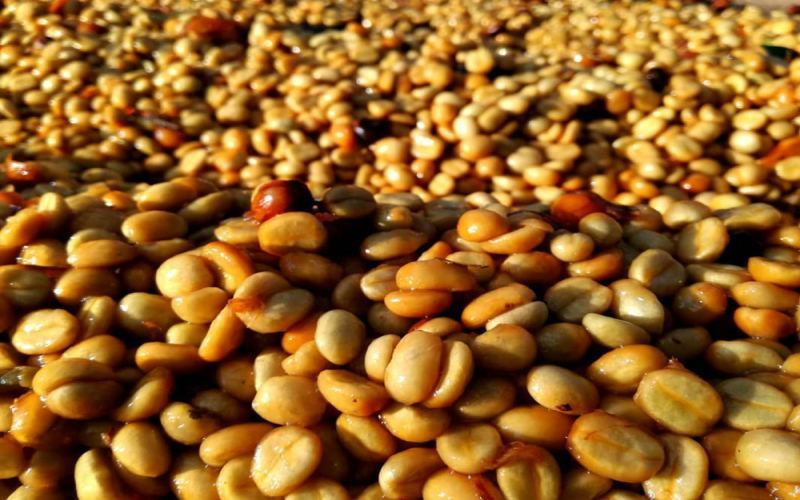
Costa Rican Coffee Bean Flavor and Processing Methods Explained: Tarrazu Region, SHB Grade, and Front Street Tarrazu Recommendation
Costa Rica is an important coffee-producing country in Central America, and its Tarrazu region is known for its light, pure, sweet, and pleasant aroma. The country's coffee is entirely Arabica and washed-processed, with a bright style, mild acidity, and outstanding sweetness, and excellent lots are classified as Strictly Hard Bean SHB. This article will introduce the region's background, varieties and processing methods, and flavor characteristics, and recommend Front Street Tarrazu, a washed coffee from the Tarrazu region roasted to a medium-light level, to help coffee lovers understand its flavor notes of sweet orange, nuts, and light floral aroma. [more…]
Is the sour taste in single-origin coffee a sign that it has gone bad? An analysis of the natural causes of coffee acidity and flavor classification.
Many people are startled by that hint of acidity the first time they try single-origin coffee, instinctively assuming the coffee has gone bad or spoiled. In fact, the coffee fruit is originally just like a cherry, and the natural sweet-and-sour flavor of its pulp influences the green beans during cultivation. Acidity is not a defect but a natural characteristic of specialty coffee. Of course, acidity has its good and bad sides: pleasant fruity acidity can add layers of complexity, while unpleasant acidity can ruin an entire cup. This article starts with the structure of the coffee cherry, explains where acidity comes from, distinguishes delicious acidity from rancid acidity, and offers beginners who are not used to acidity advice on choosing origins and roast levels, while also recommending several low-acid beans from the Front Street brand. [more…]
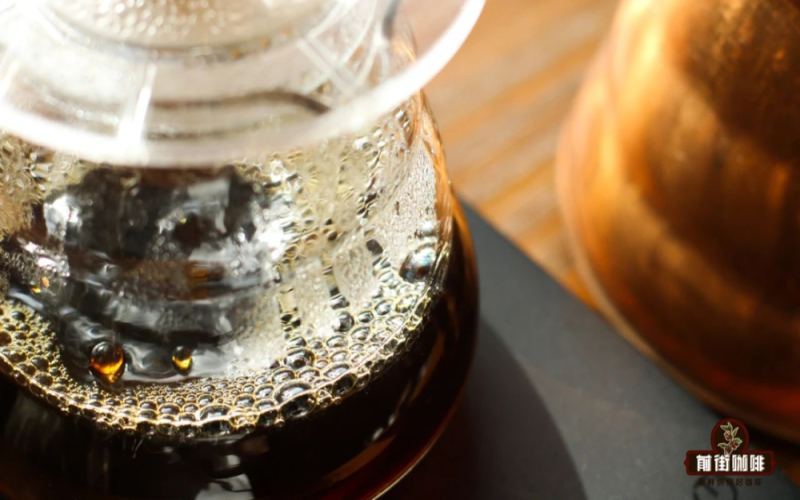
A Beginner's Guide to Coffee Tasting: From Aroma and Mouthfeel to Finish, Systematically Learn to Judge Whether a Cup of Coffee Tastes Good
Many friends who are just getting into specialty coffee run into the same confusion: they can't taste the flavors written on the coffee packaging, and they're not sure whether they actually know how to evaluate coffee. In its daily conversations with customers, Front Street Coffee has found that people often equate "being able to name flavors" with "understanding coffee evaluation," but these are actually two different things. Flavor description is only a small part of coffee evaluation. To truly judge whether a cup of coffee is good, you can start from five dimensions: aroma, overall performance, mouthfeel, flavor, and aftertaste. This article compiles Front Street's insights on coffee evaluation to help enthusiasts build an actionable evaluation framework, while also answering the common question of "why can't I taste the flavors?" [more…]
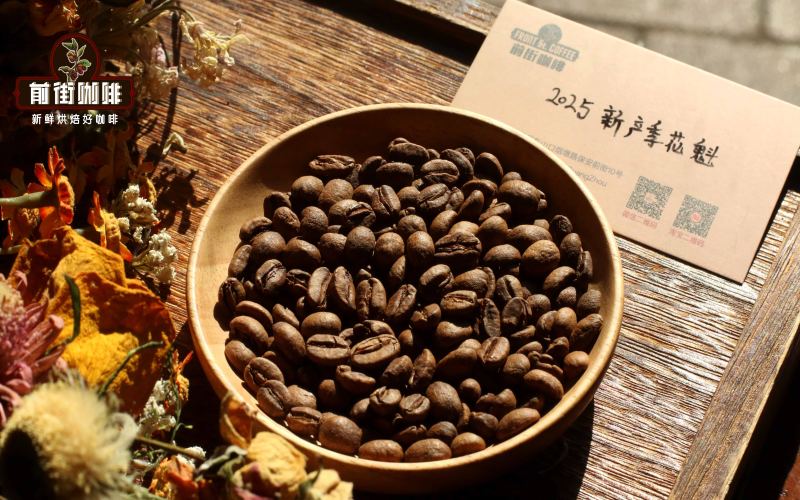
Commercial Coffee Bean Roundup | What to Consider When Buying Coffee Beans for Your Shop? Recommended Specialty Espresso Coffee Beans That Make Great Espresso/Americano/Milk Coffee
Coffee beans on the market are mainly divided into two types: single-origin and blended. Single-origin coffee beans, as the name suggests, refer to coffee beans of the same variety produced from the same estate. For example, Front Street Mandheling coffee with its rich spicy aroma, Front Street Colombia coffee with its dark chocolate and cocoa notes, Front Street Yirgacheffe coffee with its floral and citrus flavors, and so on. Each type of single-origin coffee [more…]
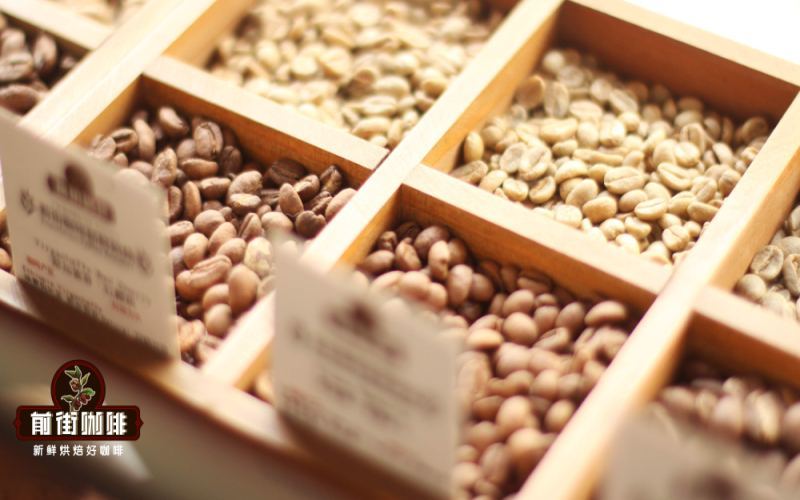
Ethiopian Washed Sidamo G1 Coffee Beans: From Grading and Roasting to a Comparison of Washed and Natural Flavor Sweetness
The Sidamo region is located in the southern highlands of Ethiopia and is known for its garden cultivation model, producing coffee beans with diverse flavors. The two processing methods, washed and natural, each have their own characteristics: washed Sidamo often carries citrus notes, nutty creaminess, and a slight cocoa aroma, while natural leans toward floral notes and fruity sweetness with acidity. What the two share is a smooth mouthfeel and pleasant acidity. In terms of grading, G1 represents the highest grade, with plump beans and balanced quality. The roast level directly affects its use; light-medium roasts are suitable for showcasing origin flavors as single-origin coffee, while medium-dark roasts can serve as an espresso base or in coffee blends. This article will focus on the Front Street Coffee Sidamo series products, including Huakui 11, Alo Village, and Natural Hamasho, and outline the green bean appearance, flavor characteristics, and brewing suggestions, helping coffee enthusiasts more clearly understand the differences between washed and natural processing in sweetness expression. [more…]
A Complete Analysis of the Flavor and Mouthfeel of Ethiopian Natural Sidamo Coffee Beans and the Origin Story of Hambela Guji 6.0
The Sidamo region is located in the southern highlands of Ethiopia, adjacent to Kenya, and is an important representative of African specialty coffee. Its complex terrain, fertile soil, and the diversity of microclimates and heirloom coffee varieties give Sidamo coffee extremely rich flavor layers. Natural processing brings an interweaving of floral aromas and a slight earthy note, while washed processing presents nutty and cocoa notes; both share a smooth mouthfeel and pleasant acidity. This article will comprehensively interpret the unique charm of natural Sidamo coffee beans from perspectives including flavor characteristics, differences in processing methods, the region's terroir conditions, and the story behind Hambela Hualigui 6.0, and will also include a brand recommendation from Front Street Coffee. [more…]

An Analysis of the Flavor Characteristics of Colombian Huila Coffee Beans: Terroir, Processing Methods, and Pour-Over Tasting
In the world of coffee, categories named after countries are everywhere, but what truly makes each bean unique is the specific region and estate behind it. Just as Ethiopia has Yirgacheffe and Sidamo, Colombia also boasts renowned names like Narino and Huila. Today, we're going to talk about specialty coffee from Colombia's Huila region. This land, embraced by mountains and canyons, nurtures high-quality Arabica beans with intertwined flavors of nuts, chocolate, and caramel, thanks to its high altitude, suitable temperatures, and ample rainfall. Combined with manual hand-picking and washed processing, Huila coffee presents a full, smooth body and a soft, pleasant fruit acidity, earning it the title of the country's "green gold." The following article will guide you through its terroir conditions and share a Front Street-style pour-over brewing log. [more…]
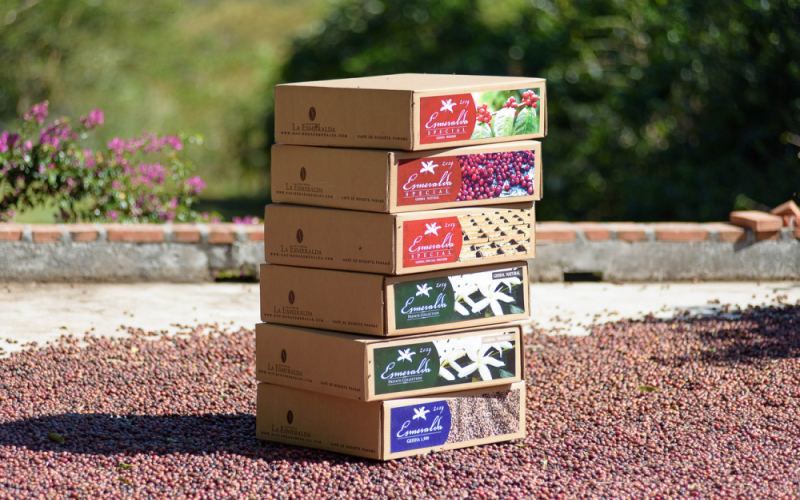
Colombia Cauca La Esperanza Estate Geisha Coffee Beans: A Complete Analysis of Flavor Characteristics, Processing Methods, and Pour-Over Brewing
This time Front Street Coffee has set its sights on Hacienda La Esperanza in Colombia's Cauca region, bringing a rather distinctive Geisha coffee. This bean has citrusy sweet acidity, delicate floral aromas, and a pleasant tea-like body, while also presenting creamy and honey-like sweetness in the finish, with a layered complexity that differs from Panamanian Geisha. As a top-tier Colombian estate, Hacienda La Esperanza has won awards multiple times at competitions such as the SCAA and GFA, and owns four farms: Esperanza, Las Margaritas, Cerro Azul, and Potosi. Front Street Coffee has acquired two Geisha lots, one washed and one honey-processed, and through cupping and pour-over tests, found that the flavor expression varies noticeably at different water temperatures: higher temperatures highlight sweetness and tea-like notes, while lower temperatures yield greater layered complexity. This article will provide a detailed overview of the estate's background, processing methods, roast profile, and brewing recommendations, offering coffee enthusiasts a complete tasting reference. [more…]
Colombia Huila Coffee Flavor Analysis: Taste Characteristics, Regional Advantages, and Pour-Over Experience
Colombian Huila coffee is renowned for its balanced blend of acidity, bitterness, and sweetness, with a mellow, velvety mouthfeel, aromas of dark chocolate, nuts, and caramel, and a smooth, pleasing fruity acidity. The Huila region is located in southern Colombia, with high-altitude canyon slopes and ample rainfall, making it a natural treasure for growing high-quality Arabica beans. This article will start with the origin, processing methods, and flavor characteristics to analyze why Huila coffee is hailed as "green gold," and share Front Street Coffee's recommended medium-dark roast Huila pour-over practice, taking you to experience the rich layers and quiet charm of this specialty coffee. [more…]
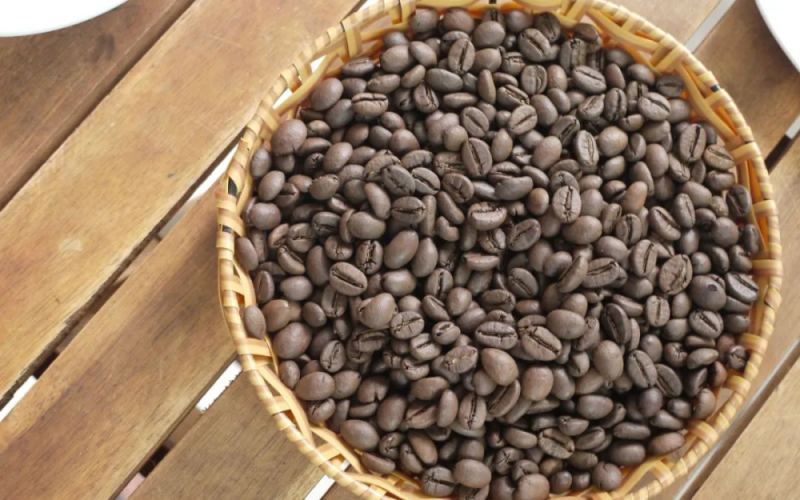
Is the flavor of Robusta coffee beans really that bad? An analysis of major producing regions and the specialty coffee trend
Robusta coffee beans are often labeled as cheap and inferior, but are they really that bad? This article takes a comprehensive look at Robusta's true nature, from its share of production and main growing regions to its flavor characteristics and recent specialty coffee trends. Robusta accounts for about 40% of global coffee production and is mainly grown in Vietnam, Brazil, Indonesia, and other places. Because of its strong disease resistance and low cultivation costs, it was mostly used in instant coffee in the past. However, as climate change affects the stability of Arabica quality, the value of carefully processed and blended Robusta is being reexamined. It is full-bodied, intense, and not acidic. After improvements, it presents pleasant flavors such as barley tea, nuts, and caramel, and can also give blended beans a solid mouthfeel. This article will help you objectively understand Robusta's pros and cons and its future prospects. [more…]
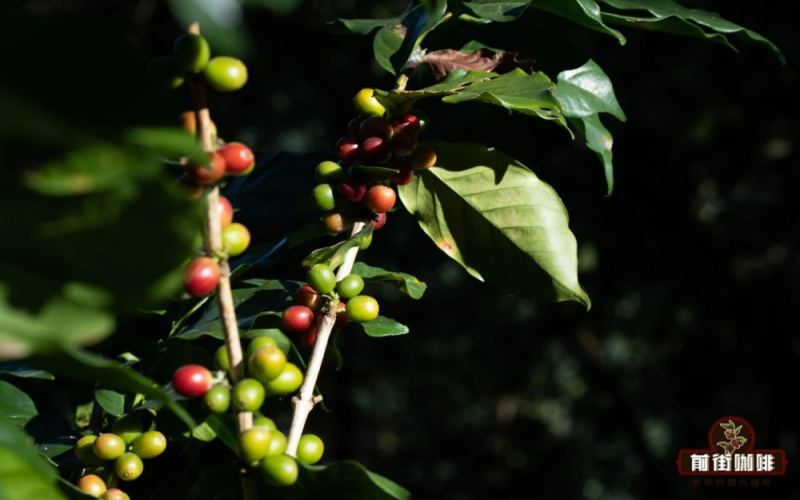
Why Is Yunnan Coffee Called Small-Bean Coffee? A Full Analysis of Its Regional History and Specialty Flavor Brewing
Among the three major species in the Coffea genus, Arabica is called small-fruit coffee because its fruit is relatively small, and this is precisely the origin of the name Yunnan small-bean coffee. This article will start from species classification, review the introduction history and main growing regions of Yunnan small-bean coffee, and, drawing on Front Street Coffee's cupping experience, analyze its neutral taste profile—aromatic without bitterness, rich without harshness, and pleasantly mild in acidity. At the same time, the article will also introduce the three Yunnan coffee beans currently sold by Front Street, as well as the V60 brewing parameters and specific pouring techniques designed for medium-dark roast levels, to help enthusiasts recreate a balanced and gentle cup of Yunnan small-bean coffee at home. [more…]