








What Is Coffee Body and What Affects It?
Body in coffee is the weight and tactile sensation of the liquid in the mouth, not a flavor. It ranges from light, like water or skim milk, to thick, like cream or syrup. Scott Rao defines it as the weight or fullness of the beverage felt in the mouth. Bitterness does not indicate a heavy body; the two are separate qualities, and body is felt in the area behind the middle of the tongue.
Green bean processing, variety, roast level, and brewing equipment all shape how thick a cup feels. Mellow coffee meaning sits close to this idea, describing a rounded rather than thin mouthfeel. Medium-dark roasted single origins such as PWN Golden Mandheling and Queen's Estate produce good body across pour-over, French press, siphon, moka pot, and espresso, since no single standard governs the result.
When drinking coffee, people often describe the mouthfeel as "mellow," "light," or "full," which actually points to a professional term—body. It is not a flavor of coffee, but the weight and tactile sensation of the coffee liquid in the mouth. Starting from the definition of body, this article sorts out the factors affecting body thickness, such as green bean processing methods, bean varieties, roast levels, and brewing equipment, and shares how to achieve an ideal body experience through different brewing methods. The article also recommends two single-origin coffees suitable for experiencing a rich body: Front Street PWN Golden Mandheling and Front Street Queen's Estate. Combined with a siphon brewing example, it helps coffee enthusiasts build a systematic understanding of body.

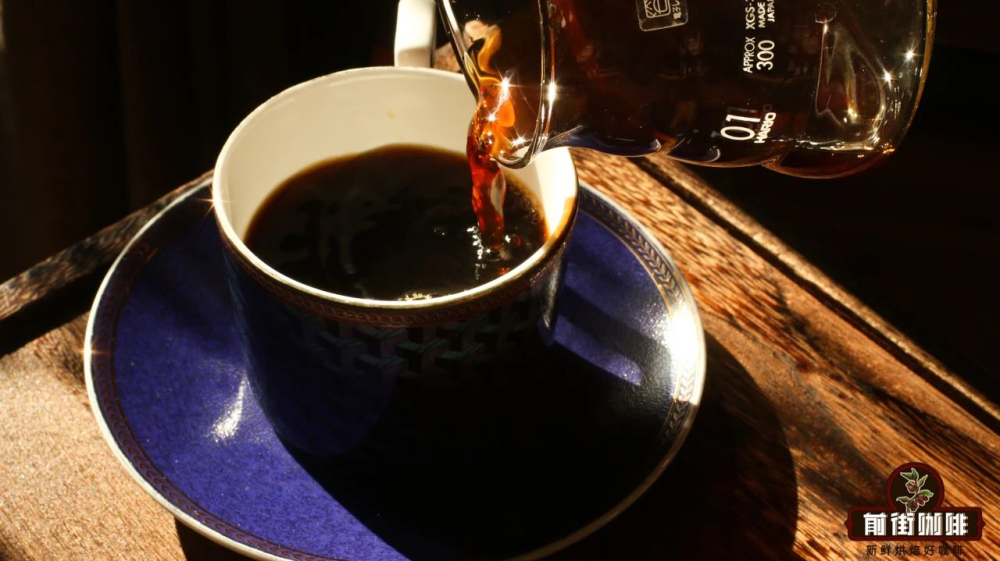
In the coffee world, "body" is probably the most puzzling term. In everyday language, when we say "human body," we mean a person's figure and posture; but when applied to coffee, the meaning of body is completely different. The words used to describe body are even more confusing—"light," "heavy," "full"—they don't sound like they're describing a beverage.
If you want to experience coffee with a rich body, you can prioritize Front Street PWN Golden Mandheling and Front Street Queen's Estate. Both single-origin coffees are medium-dark roasted, and whether you use pour-over, French press, siphon, moka pot, or espresso machine, you can achieve a good body performance.
What exactly is body?
Body: Body refers to the tactile sensation of coffee. The mouthfeel of coffee can range from light like water or skim milk to thick like milk, cream, or even syrup. In "The Professional Barista's Handbook," Scott Rao defines body as "the weight or fullness of the beverage felt in the mouth."
The so-called "body" is actually a description of the perceived "weight" or "thickness" of coffee in the mouth. After coffee enters the mouth, you need to use the area slightly behind the middle of the tongue to feel its "weight." Body can be light and delicate, or thick and substantial. Many people associate body with the bitterness of coffee, but this is actually a big misunderstanding—bitterness does not mean the body is strong.
Body does not represent a specific flavor characteristic of coffee, but rather a comprehensive result of multiple factors interacting. Because of this, there is no unified standard for measuring body, and more than one factor affects it. You might drink a coffee with a light body but a viscous feel, or encounter a coffee with a heavy body and a juice-like mouthfeel.
Classification of body
So, which coffees have a light body and which have a heavy body? The "weight" of coffee in the mouth (light, medium, heavy) is influenced by many factors. The processing method of green coffee beans is closely related to the lightness or heaviness of body, and bean variety is also a key factor. For example,
Honey processing or natural methods can bring excellent body. For instance, I once had a Costa Rican black honey processed coffee with a rich body, sweet like syrup. There is also the Yirgacheffe Natural Berry Garden, which likewise has an excellent body, viscous like jam. Coffees with a heavy body usually have a higher degree of complexity.
It is worth noting that the judgment of body is somewhat subjective. Therefore, the best way to learn about body lightness and heaviness is still to select several different types of coffee and deepen your perception through comparative tasting. Or you can compare the body of espresso and single-origin coffee to feel the heaviness—the heavier the body, the more likely the coffee is to have rich flavors. Espresso can bring fuller flavors and a richer mouthfeel. Pressure can produce crema, a golden-brown layer of oils, which tastes extremely bitter but is rich in melanoidins, and these give espresso its body.
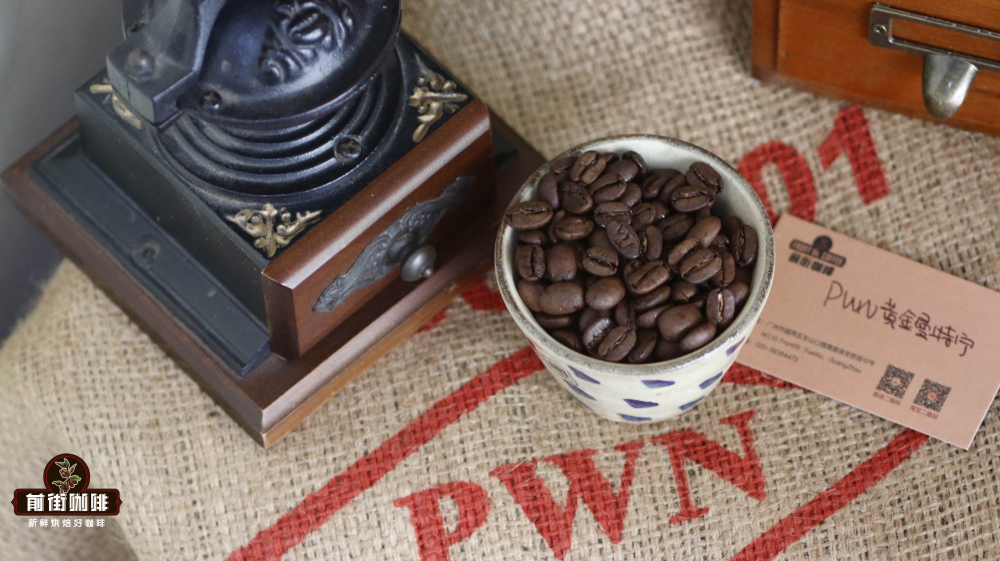
From the perspective of roasting, the mouthfeel of body increases with the degree of roasting. Usually, acidity disappears quickly after medium roast, but the body of coffee is the opposite—it increases rapidly after medium roast, which tests our standards of consideration. If the acidity of a bean is excellent, then our preset roast level will lean toward a light roast, sacrificing some body; but if the acidity of a bean is ordinary, such as Brazil or Mandheling, then the preset roast level will lean toward medium-dark roast, increasing some body. It is undeniable that coffee beans with good acidity are very precious and hard to find, while body can be compensated for in roasting, reaching its peak at medium-dark roast. However, if roasted further, body will instead decrease; at dark roast, body is actually thin. This is for everyone's reference when tasting.
How to brew coffee with a rich body?
Differences among brewing equipment also produce differences in body. Pour-over equipment and filter paper ultimately determine how much oil permeates into the cup, giving a clear and clean mouthfeel but low body, which has a great impact on body. For example, the French press is mainly characterized by its ability to make coffee with a rich body, but the flavor can easily become muddy; the AeroPress can also brew coffee with a high body, and although it can achieve high body, the mouthfeel is cloudy. I prefer to use a siphon, which brews coffee with a rich body and is also very clean.
For example, Natural Sidamo Flower Queen, medium-light roast, grind size 4.5, this bean's dry aroma has a particularly obvious citrus note. Using a siphon, use 25g of beans, 300g of water, 90°C water temperature, add the grounds first, reduce stirring and fully bloom, after 20 seconds of blooming, stir in a cross pattern 5 times, at 55 seconds turn off the heat and stir 4-5 times. When tasting, there is passion fruit acidity, strawberry acidity, peach sweetness, citrus flavor, and a round, full body.
The above content is compiled by CoffeeHunters, a coffee news website.


