







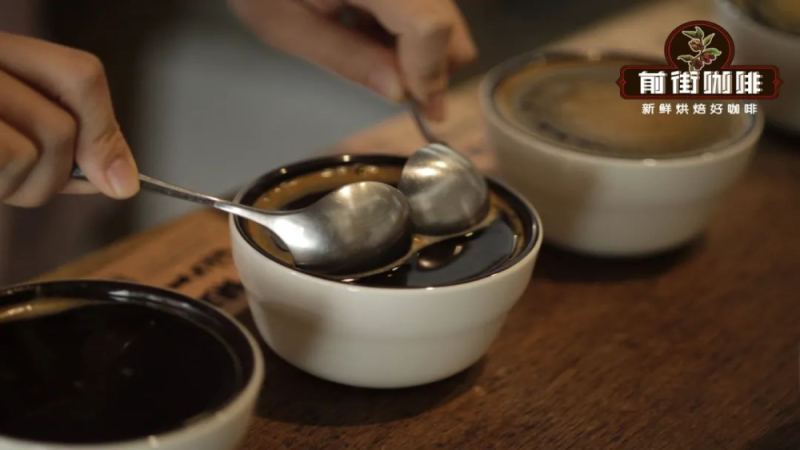
The SCAA cupping form is an important tool for judging quality in the specialty coffee industry. It consists of ten scoring categories, covering a complete sensory experience from dry and wet aroma to overall evaluation. This article explains the specific meaning and key judging points of each scoring dimension one by one: aroma is divided into dry fragrance and wet aroma; flavor is the core scoring basis; aftertaste measures the persistence of flavor; acidity distinguishes high-quality fruit acidity from undesirable acidity; body focuses on mouthfeel; uniformity checks whether the samples are consistent; balance evaluates whether all aspects are harmonious; cleanliness is an essential threshold for specialty coffee; sweetness reflects harvest maturity and quality; and overall evaluation reflects the cupper's comprehensive impression. Whether you are an enthusiast who has just come into contact with cupping or a professional hoping to refine your sensory skills, this item-by-item interpretation can help you understand the logic of using the SCAA cupping form more systematically.
For professional coffee knowledge exchange and more coffee bean information, please follow Coffee Workshop (WeChat public account cafe_style)
First: Fragrance/Aroma
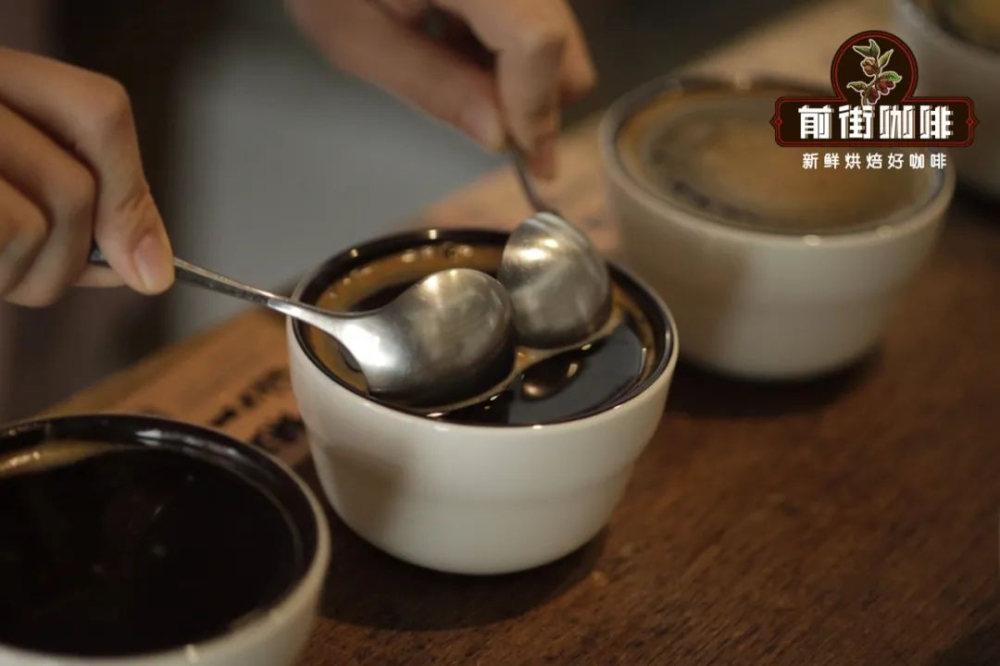
The aroma category covers two major parts: dry fragrance and wet aroma. After the coffee beans are ground, the scent that immediately rushes into the nasal cavity and the first item that needs to be scored is dry fragrance—the fragrance of coffee flowers, roasted hazelnuts, and roasted almonds are all pleasant aromas. After water is poured and the crust is broken, the wet aroma that surges forward brings even more room for imagination, with the scents of honey, lemon, and apricot making the mouth water.
Second scoring item: Flavor
Flavor: When the coffee liquid cools to 71°C and slurping begins, this is the first item to be perceived and scored, including various taste sensations as well as retronasal olfaction. Cuppers can list the flavors they perceive one by one in the score, whether smelled or tasted. It can be said that flavor is an extremely important scoring item and also the key basis for describing the characteristics of the cupped coffee sample. The more types of flavor and the better their expression, the higher the score.
Third scoring item: Aftertaste
Aftertaste: The various tastes, aromas, or tactile sensations that still remain in the mouth after slurping. The longer a high-quality flavor lingers, the higher the score. For example, if sweetness remains clearly in the mouth and even spreads outward after slurping and spitting out the coffee, then this item will receive a relatively high score. Conversely, if there is no aftertaste at all, or the aftertaste is extremely short, the score will be relatively low.
Fourth scoring item: Acidity
Acidity: High-quality acidity is not irritating like vinegar. It can be bright and lively, and you can taste many kinds of acidity such as citrus, berries, or sweet lemon, as well as melon-like sweet acidity, or the crisp fruit acidity of just-ripened apples. All of the above belong to high-quality acidity. Bad acidity is like unripe fruit or acetic acid. Some undesirable acidity resembles overripe fruit or is F·B, in which case fermented acidity or rotten-fruit acidity can be detected. The higher the quality of the acidity, the higher the score.
Fifth scoring item: Body
Body: This scoring item is not measuring taste. It belongs to the substance and tactile sensation felt in the mouth. Oiliness, viscosity, and weight together constitute body. For example, compared with water, milk has a much higher tactile sensation; compared with clear soup, thick soup also has far greater thickness and mouthfeel than the latter.
Sixth: Uniformity
Uniformity: This scoring item is relatively simple. It is just about seeing whether there are different tastes among the 5 cups of samples, and which cup has a defect. If all are consistent, then just write a big 10!
Seventh scoring item: Balance
Balance: This refers to whether the various scoring items of the coffee are balanced. For example, although the acidity is bright, does it still turn sweet in the end? Although the mouthfeel is viscous, is it not astringent? Are the various flavors of the coffee harmonious? If the answer is yes, then the score for this item will be high.
Eighth scoring item: Clean cup
Clean cup: This is a very important and essential condition for specialty coffee. So-called clean means complete freedom from taints or faults. If undesirable tastes and tactile sensations such as F·B, earthy, medicinal-iodine, fermented acidity, rubber, onion, and astringency appear in the coffee, it all indicates that it is not clean enough.
Ninth scoring item: Sweetness
Sweetness: It not only indicates that the coffee cherries were harvested at optimal maturity without mixing in unripe beans, but also represents excellent coffee quality. Only by selecting just-ripened coffee cherries and processing them into green beans can better sweetness be obtained. There are also many types of sweetness, such as sugarcane sweetness, caramel sweetness, and so on, all of which can be noted during evaluation. Coffee generally has some sweetness, so as long as sweetness is perceived, this item is given a very high score.
Tenth scoring item: Overall
Overall: Is the coffee excellent and appealing overall, average, or do you simply not like it? This scoring item is the cupper's overall assessment and can also reflect personal preference. Without cuppers diligently cupping every coffee, there would be no harvest for coffee farmers, and there would be no refreshingly delightful drink in the cup. The true essence of cupping is to seek better-tasting coffee.
The above content is compiled by CoffeeHunters, a coffee news website.


