






Can You Trace Off-Flavors Back to the Green Coffee Bean?
Bad flavors in a cup are usually traceable, not random. Earthy, woody, smoky, charcoal, medicinal, moldy, rubber and rotten notes, plus the astringency and dryness felt as texture rather than taste, each point to a specific stage: growing, processing, roasting or brewing. Identifying them one by one lets a taster work backward and infer what went wrong, which is more useful than dismissing the cup as simply off.
Some causes are easy to place. Earthy notes often relate to the soil and processing environment where the coffee beans were grown, woody notes usually follow over-extraction, and moldy or rubbery smells suggest storage or processing problems such as coffee bean mold. Tasting deliberately, rather than reaching for a vague label, turns these flavors into feedback for adjusting both brewing recipes and roasting curves.
An unpleasant taste in a cup of coffee is often not accidental, but rather a deviation in some detail during growing, processing, roasting, or brewing. If we can identify these negative flavors one by one, we can work backward to infer what went wrong with the cup, which is practically helpful for improving tasting ability and optimizing brewing and roasting. Front Street Coffee has compiled the most common types of bad flavors in pour-over coffee—including miscellaneous, earthy, woody, smoky, charcoal, medicinal, moldy, rubber, and rotten smells, as well as astringency and dryness, two tactile sensations that are not tastes—and analyzed their causes and identification points one by one.

Of course, we can completely dismiss a cup of coffee with a few vague words. But in fact, every negative flavor has a reason behind it. If we are willing to experience it more carefully and distinguish them accurately, we can use these flavors to determine exactly what was not done well enough in a cup of coffee.
The significance of this goes beyond the tasting level; it is equally valuable for adjusting daily brewing and roasting curves. Below, Front Street will talk with everyone about the bad flavors most easily encountered in coffee.
Negative flavors in coffee
"Miscellaneous" is probably the most frequently used negative review word. It is like a big umbrella covering all kinds of bad smells. As long as any flavor in the cup feels off to you, categorizing it as "miscellaneous" is basically not wrong. However, we should also realize that these miscellaneous flavors differ from one another and come from different sources.
Earthy: Some coffees bring out a hint of earthy smell in the aftertaste, which is usually related to the soil where the coffee beans were grown and the processing environment. I believe no one here has actually eaten dirt (probably), but everyone must have smelled that scent released when soil is washed by rain on a rainy day—that is what we call earthy or soil-like smell.
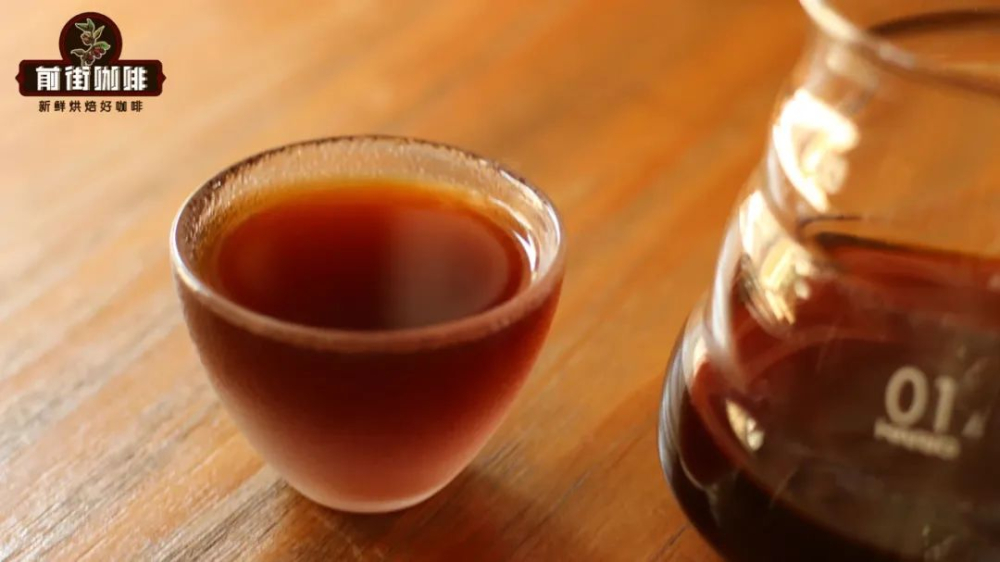
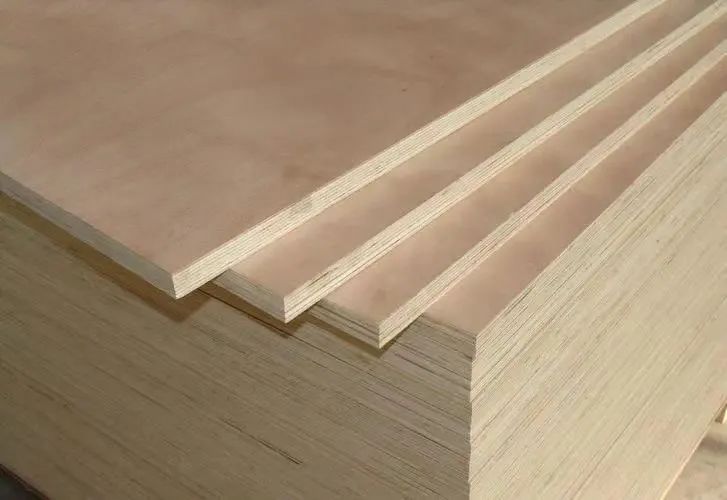
Woody: The woody note here refers to the smell released by wood after it has been processed into compressed board or wood chips. This flavor is quite obvious and usually appears because of over-extraction. But note that it is relatively close to the pleasant aroma of pine or cypress, so do not confuse positive woody aroma with this negative woody flavor.
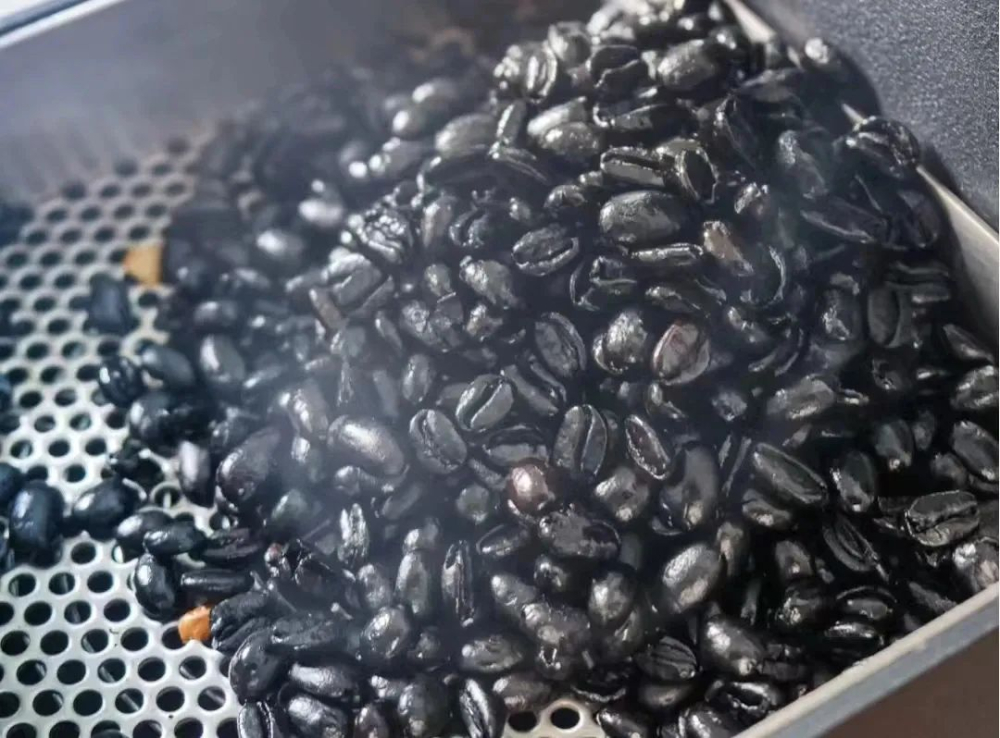
Smoky: You can recall the smoky smell given off when burning charcoal. This type of flavor generally comes from a mistake in the roasting stage.
Charcoal: Charcoal flavor is the taste felt at the moment you bite into food that has been burned and carbonized by high heat. It mostly appears in dark-roasted or over-extracted coffee.
Medicinal: Just hearing the name is scary enough. It is actually the bitterness brought by plant alkaloids. To put it more concretely, it is like the bitterness of the white pills commonly found in medicine packets. Essentially it belongs to bitterness, but it is still different from scorched bitterness.
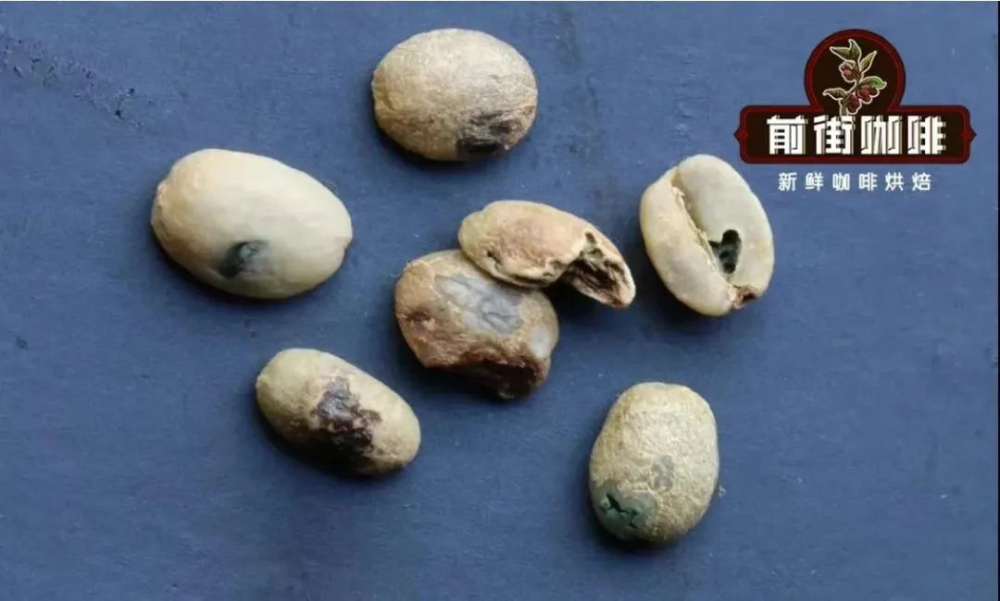
Moldy: Moldy is a sour, foul smell, like the smell given off by clothes that cannot dry during the plum rain season. Under normal circumstances, the probability of moldy flavor appearing is very low; if you taste it in coffee, it is very likely that black beans or moldy beans were mixed into the beans, or that roasted beans were stored for more than half a year (these situations themselves are rare, which is why the probability is low).
Rubber: Some rubber products give off a pungent rubber smell when first unpacked. This flavor is quite common in Robusta coffee.
Moldy: Here it refers to the off-flavor produced after fruit has been left for too long and over-fermented. This type of flavor is mostly seen in heavily fermented coffee.
Sensations that are not flavors
Astringency: Astringency is a tactile sensation that gives coffee a rough "sandpapery" feel, scraping the tongue and throat. Depending on the mixed flavors, astringency can also be divided into several types. For example, some astringency rises back from the throat along with sourness and sweetness after swallowing, and is actually quite pleasant. Some astringency carries a hay note. If you cannot imagine it, recall the experience of eating unripe fruit (such as green bananas or various unripe melons); the two are very similar. This hay-like astringency is what we call "green astringency." Green astringency often appears in coffee that is on the lighter side of roasting and under-extracted. If it is not too strong, it does not necessarily make people uncomfortable.
In addition, there is the astringency that appears after over-extraction. The astringency of over-extraction is mixed with bitterness; after swallowing, the bitterness and astringency combine into a strong negative experience, making people very uncomfortable. This kind of astringency is what we usually call "bitter astringency."
Dryness: When coffee beans have just finished roasting, they retain a large amount of roasting aroma. If they are brewed before these aromas have dissipated, the roasting flavor will enter the coffee liquid with extraction and be tasted by us. It is a very dry sensation that catches in the throat and feels astringent. This is also why coffee beans are not immediately used for brewing or cupping after roasting.
- END - Front Street Coffee (FrontStreet Coffee)
No. 10, Baoqian Street, Yandun Road, Dongshankou, Yuexiu District, Guangzhou City, Guangdong Province
The above content is compiled by CoffeeHunters, a coffee news website.


