







Search Results for: Fullness
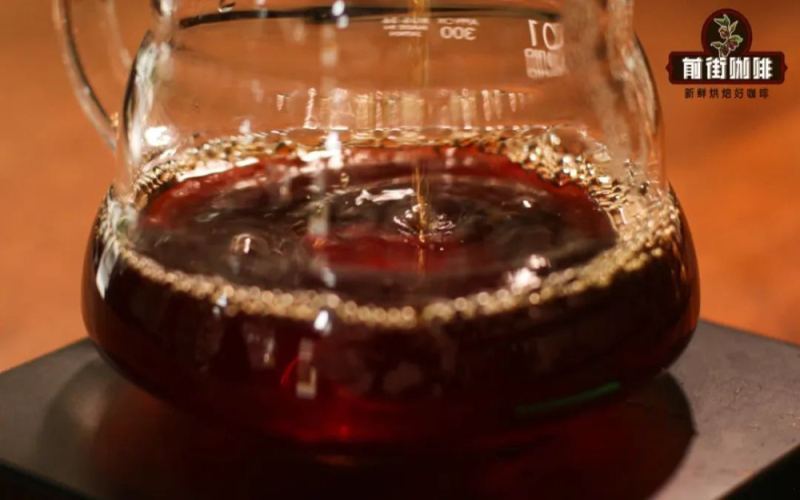
What Exactly Is Coffee Body? A Full Analysis of the Key Factors Affecting Fullness and Brewing Techniques
When drinking coffee, we often hear the term "Body" — what exactly does it mean? Simply put, Body is the tactile sensation and weight that coffee brings to the mouth, also known as mouthfeel or thickness. A good cup of coffee needs not only rich flavors but also a noteworthy mouthfeel. The quality of Body mainly depends on the content of oils and fiber in the coffee, and whether these substances can be fully extracted is closely related to the choice of filter, brewing time, and the roast level of the coffee beans. Front Street Coffee will take you through an in-depth understanding of the essence of Body and share how to achieve the ideal rich mouthfeel by adjusting brewing parameters. Whether you prefer a thick, full-bodied cup or a light, smooth one, this article offers practical reference for you. [more…]

Introduction to the Three Major Coffee Bean Producing Regions | What Are the Flavor Characteristics of Latin American, African, and Asian Coffee? Specialty Pour-Over Beans Recommended by Seasoned Coffee Enthusiasts
Front Street - Introduction to the Three Major Coffee Producing Regions I. Latin American Coffee: It has cocoa and nutty notes, a balanced mouthfeel, relatively low acidity, and a moderate body. Coffee beans from this region have a mild taste, and their refined flavor makes them highly regarded. 1. Brazil: Recommended Front Street Cerrado Coffee (smooth mouthfeel, with a bit of medium acidity, and also [more…]
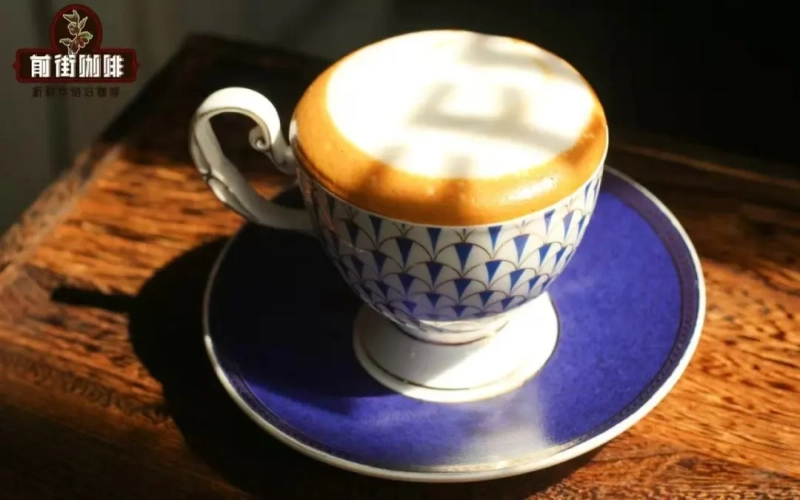
The Authentic Standards and Golden Circle Preparation of Cappuccino: The Golden Ratio of Espresso, Milk, and Milk Foam, and the 11-Point Fullness Technique
Cappuccino is not simply a milk-foam coffee; it has three hallmarks that distinguish it from lattes, flat whites, and other milk coffees: a velvety mouthfeel, a rich coffee taste, and a "11-point full" serve. Starting from the core characteristics of a cappuccino, this article explains in detail the ratio of coffee to milk, the effect of milk-foam thickness on latte art and the golden ring, and, using a classic blend bean as an example, provides the complete extraction parameters and steps for making the golden ring, helping you make a standard cappuccino at home that is rich without being bitter and as velvety as a cloud. [more…]
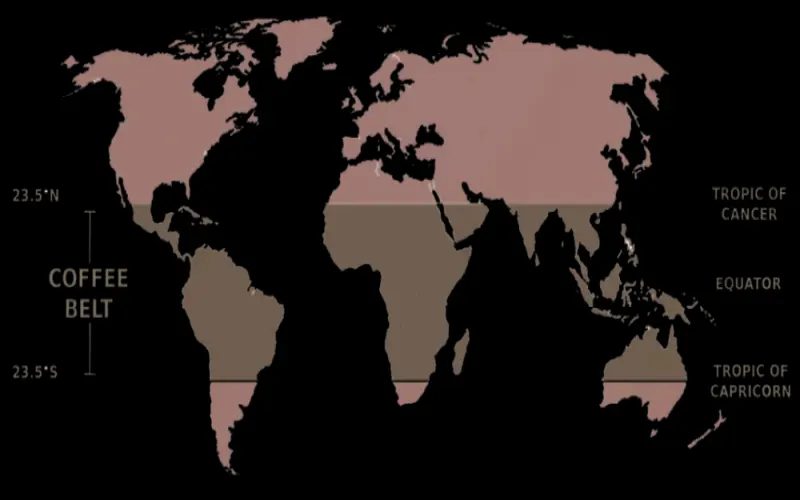
Where are the world's three major coffee-producing regions? A full analysis of the flavor differences between Latin American, African, and Asian coffee
The flavors of coffee vary enormously, and to a great extent depend on where it is grown. The global coffee-growing belt is mainly distributed across three major regions: Latin America, Africa, and Asia/Pacific. Each region, due to differences in climate, soil, and processing methods, produces distinctly different flavor characteristics. Latin American coffees are known for being balanced and mild, often with cocoa and nutty notes; African coffees are bright and refreshing, with prominent citrus and floral notes; Asia/Pacific coffees are rich and full-bodied, with distinct herbal and spicy aromas. This article systematically sorts out the flavor differences among the three major origins and recommends representative coffees from each region one by one, including Front Street Cerrado, Front Street Huila, Front Street Huakui, Front Street Little Tomato, Front Street Red Bourbon, Front Street Mandheling, and Front Street Yunnan Small Bean, helping coffee lovers quickly build an understanding of origin flavors. [more…]

An Introduction to Pour-Over Coffee Tasting: From Aroma to Mouthfeel, How to Read a Cup of Coffee
Compared to the straightforward expression of espresso, pour-over coffee presents its flavors more subtly, and tasting it requires more patience and method. From the perspective of Front Street, this article systematically sorts out the tasting path for pour-over coffee: from the dry aroma after grinding to the wet aroma during brewing, from the sweet, sour, bitter, and salty tastes brought by water-soluble substances to the flavor identification involving retronasal olfaction, and then to the mouthfeel experience determined by insoluble substances. The article also analyzes the causes of richness and thinness, the sources of astringency, and the influence of roast level on mouthfeel, helping coffee enthusiasts establish a correct tasting framework before identifying specific flavors and find a more efficient way to perceive them. [more…]

How Is Piccolo Coffee Different from Flat White and Latte? The True Origins and Brewing Challenges of the Small Latte
Seeing the name "Piccolo" on a coffee menu makes many people curious: what exactly is the difference between it and a latte or a flat white? In fact, the official name of Piccolo coffee is "small latte," derived from the Italian word Piccolo, meaning "small." It was originally not intended for consumers, but was a practical tool used by roasters and baristas to test coffee beans and extraction parameters. Over time, this small milk coffee gradually made its way onto menus, becoming popular for its lower price and lighter feeling of fullness. However, making a good Piccolo is not simple—from steaming 60ml of milk to integrating and pouring latte art, every step tests the barista's skill. This article will take you through the origin of the name, its historical uses, flavor structure, and production challenges to give you a comprehensive understanding of the real differences between Piccolo coffee, flat white, and latte. [more…]

What Factors Affect Coffee Cleanliness? An Analysis of the Meaning and Assessment of Cleanliness in Pour-Over Coffee
When tasting pour-over coffee, clarity is often mentioned, but what exactly does it mean? Which steps can influence the clarity of a cup of coffee? From the perspective of Front Street, this article sorts out the relationship between clarity and the overall flavor performance of a cup of coffee, explaining that clarity is not an isolated indicator, but needs to be judged together with layering, aroma fullness, and aftertaste. It will also mention store information for Front Street Coffee, helping readers more accurately understand the meaning of clarity and the factors that influence it in pour-over practice. [more…]
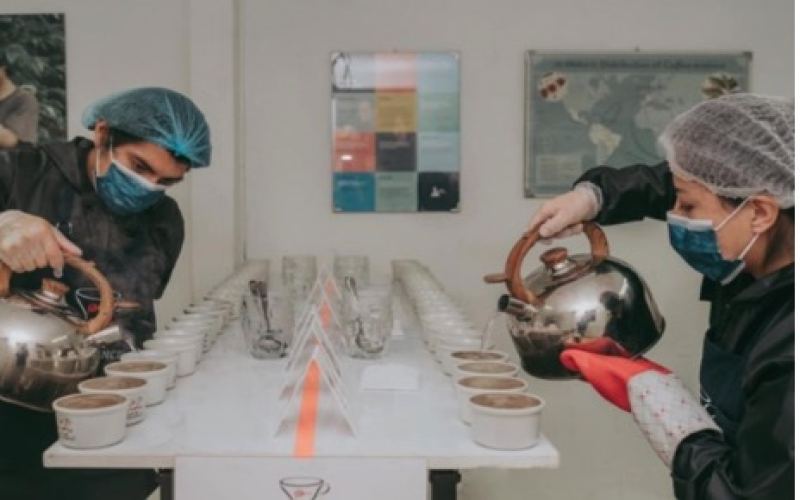
COE competition and coffee cup testing scoring criteria
Last month, Qianjie shared with everyone the scoring system of cup testing, among which we briefly mentioned COE. In daily life, the word COE also often appears on the labels of some beans. This immediately aroused everyone's curiosity: What is COE? [more…]
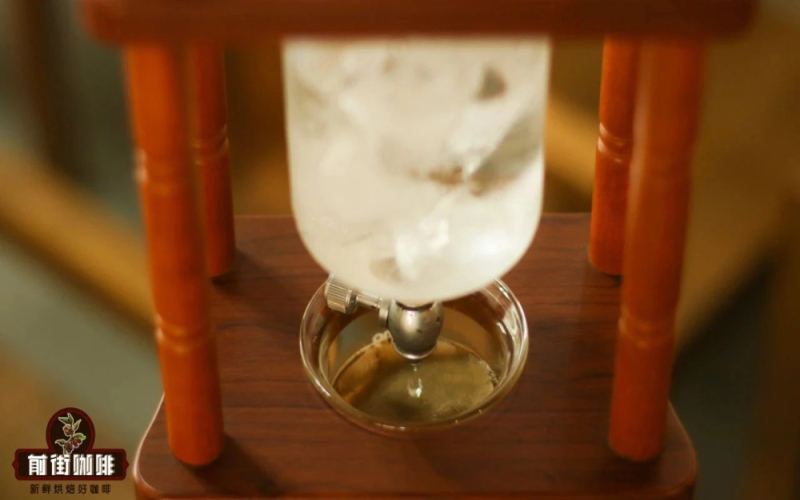
Is Golden Mandheling suitable for cold drip coffee? Analysis of cold drip brewing time and flavor performance
With its unique low-temperature slow extraction method, cold brew coffee presents a sweetness and smoothness completely different from hot brewing, and is also one of Front Street Coffee's most popular offerings in summer. So, what beans should those who love a rich, mellow, and bitter flavor choose to make cold brew? This article will explain the extraction principles, flavor characteristics, and shelf life of cold brew, and will highlight Front Street Golden Mandheling—a dark-roasted bean processed using the wet-hulled method, which when made into cold brew has a solid, full-bodied richness, with aromas of caramel, spices, herbs, and nuts, like a piece of unsweetened dark chocolate. It will also answer common questions such as cold brew production time and drinking recommendations. [more…]
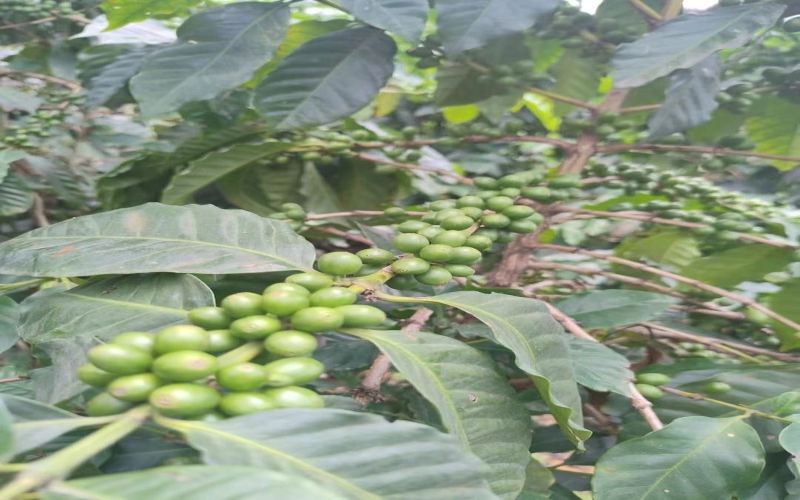
From Light to Dark Roast: How Do Brazilian Coffee Bean Flavors Change?
Whether Brazilian coffee beans taste good doesn't depend only on the region's name; the roast level is more like a switch that determines the whole character of the cup. Beans with the same sweetness can present bright fruit notes at a light roast, shift to soft and full-bodied at a medium roast, and move closer to cocoa and roasty notes at a dark roast. Depending on whether you usually drink black coffee, milk coffee, or espresso, first [more…]
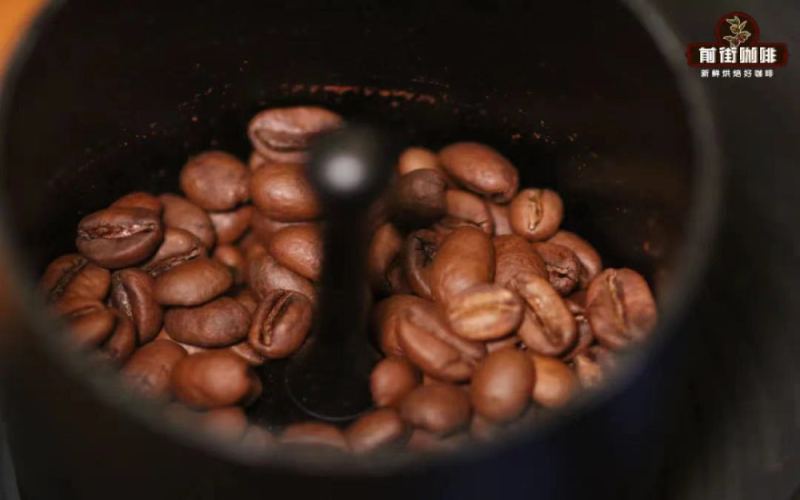
The Complete Guide to Resting Hand-Pour and Espresso Coffee Beans: Optimal Degassing Times and Identification Methods for Different Roast Levels
Why do freshly roasted coffee beans need to rest for a period? How does carbon dioxide release affect extraction and flavor? Drawing on the practical experience of Front Street Coffee, this article systematically explains the principles and necessity of resting beans, and provides recommended resting days for three roast levels: light-medium, medium, and medium-dark. At the same time, you will learn how to judge whether coffee beans have finished degassing by observing the blooming state in pour-over brewing and the crema performance of espresso, as well as how to flexibly adjust the resting period under low winter temperatures. Whether you prefer pour-over or espresso, these practical tips can help you present coffee's fullness and cleanliness more consistently. [more…]
What grade do Kenyan PB round beans belong to? A detailed explanation of their flavor expression and mouthfeel characteristics
Kenyan coffee, with the wild tension unique to African beans and the fullness and depth of Central and South American coffee, has long been highly sought after by coffee enthusiasts. In China, Kenya AA is the most common grade designation, but above AA there are AA+ and AA TOP, while below it there is AB. If the packaging only says AA without specific estate or cooperative information, it usually only means the beans are uniform in shape and meet appearance standards, and the flavor may not be outstanding; conversely, as long as a specific estate, cooperative, or even buyer is indicated, whether AA or AB, it is worth trying. This article focuses on PB—Peaberry round beans, which in Kenya are specially screened out and sold separately, with scarce production and a distinctive flavor. The following will explain the formation principle of peaberries, their grade positioning, and present a complete cupping record of Kenyan PB. [more…]
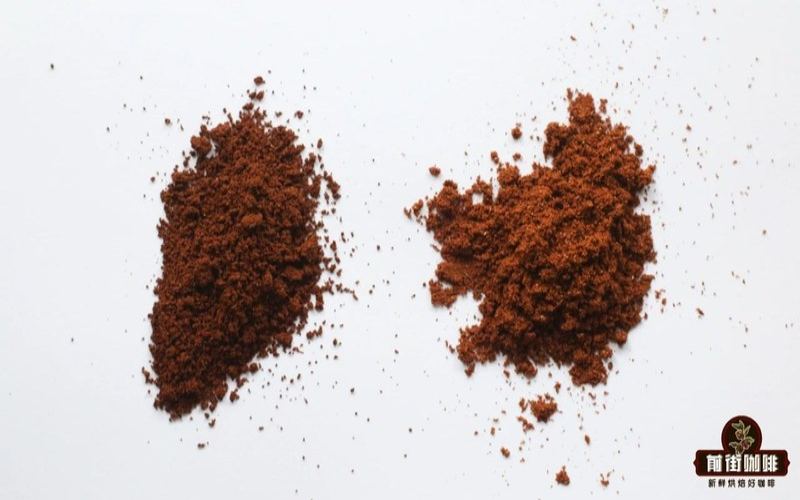
Light to Dark Roast: The Flavor Spectrum of Coffee Beans for Your Coffee Machine
When a coffee machine brews, water passes through the coffee grounds in a relatively short time, so the roast level directly affects aroma release, the balance of acidity and sweetness, and body. Light-roasted beans tend toward bright, fresh flavors, medium-roasted beans easily balance sweetness and fullness, while dark-roasted beans put cocoa, nut, and roasted notes at the forefront. First look at your own [more…]
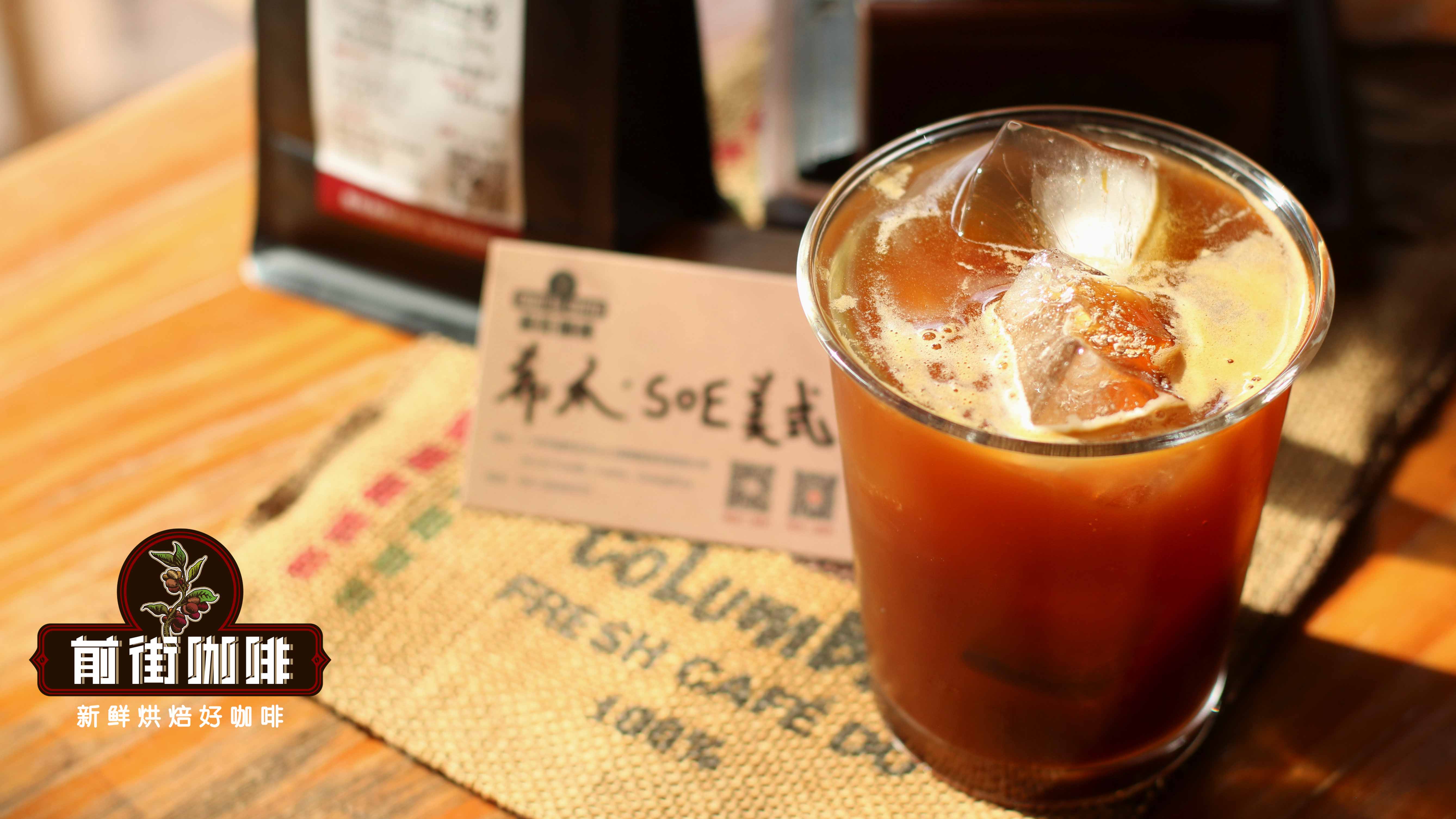
Easily Make Iced Americano, Iced Latte, Cold Brew, and Cold Drip at Home: A Complete Guide from Bean Selection to Extraction
On a scorching summer day, a glass of iced coffee always brings refreshing, invigorating delight. Iced Americano, iced latte, cold brew, and iced drip—these four popular iced coffees each have their own merits: the iced Americano uses espresso plus ice water to deliver zero-guilt refreshment, the iced latte wraps the richness of coffee in milk, while cold brew and iced drip rely on low-temperature extraction to fully release coffee's roundness, fullness, and clean flavors. This article walks you through recreating café-quality iced coffee step by step, from brewing methods and equipment selection to coffee bean recommendations, and shares Front Street Coffee's Classic Blend, Strawberry Candy, as well as bean varieties suited to iced drinks such as Butterfly, Red Cherry, and Mozart, helping you find your own summer flavor. [more…]
The Same Highlands, Different Roasts: How to Choose Affordable Yirgacheffe Beans
Yirgacheffe can be bright and clear, or sweet and full-bodied—the difference often comes not only from the region, but also from the roast level. A light roast makes it easier to taste floral notes, citrus, and a tea-like quality; a medium roast brings sweetness and roundness to the forefront; and a darker roast is better suited to those who seek fullness and low acidity. When the budget is limited, choose according to the roast [more…]

Drip Bag Coffee Advantages and Buying & Brewing Guide: A Complete Analysis from Brand Recommendations to Iced Coffee Making
Drip bag coffee has become the daily go-to for many coffee lovers thanks to its无需 complex equipment and its lack of fuss over pouring technique or timing ratios—just hot water and the right ratio are enough to enjoy it easily. However, this casual approach also means the flavor expression is less rich than pour-over, and because it is ground and bagged in advance, its aroma fullness falls short of freshly ground coffee; stored too long, it may even develop a woody taste. To preserve the original flavor as much as possible, Front Street Coffee drip bags are made from freshly roasted beans that are ground and prepared, and typically arrive 4 to 5 days after roasting, so it is best to drink them soon to avoid aroma loss. This article will also introduce Front Street drip bag products suited to different tastes and demonstrate in detail the steps for making both hot and iced coffee. [more…]
What Are the Flavor Differences Between Cold Brew and Pour-Over? Cold Extraction Has Higher Caffeine—Front Street Coffee Teaches You How to Choose Beans
Why do the same coffee beans taste so completely different when made as cold brew versus pour-over? The key lies in the extraction temperature. Pour-over uses hot water to quickly release the coffee's rich aromas and layers, while cold brew relies on a long, low-temperature steep, delivering a sweet, crisp, and refreshing taste—though with slightly less fullness of flavor. Low-temperature extraction also reduces bitter compounds, but it also results in a higher caffeine content. Using Front Street Coffee's light-roast washed Yirgacheffe Geddid as an example, we compare hot pour-over, cold brew, and iced pour-over to analyze why the flavors differ, and offer coffee bean recommendations suitable for home cold brew and pour-over. [more…]
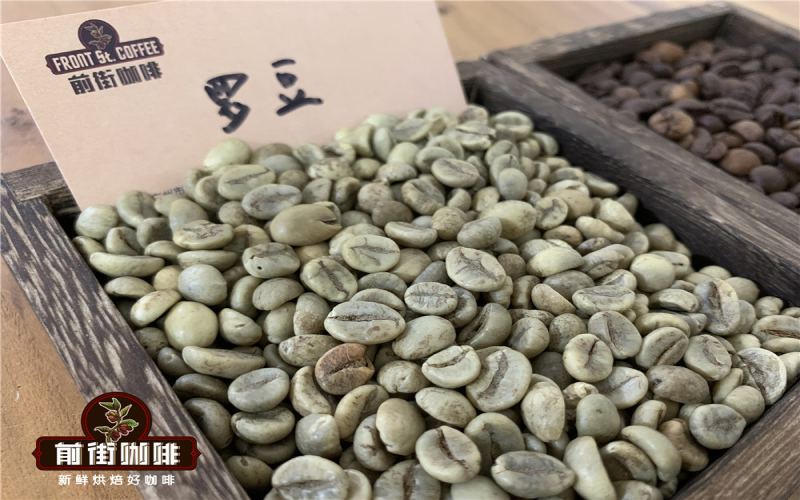
The Diverse Applications of Robusta Coffee Beans and an Analysis of the Controversial Causes of Their Bitterness
Robusta is often labeled as "bad-tasting" and "high in caffeine," but few delve into why it is still so widely used. Front Street believes that to understand this variety, one must start with its botanical characteristics, historical role, and practical uses. Robusta is naturally resistant to pests and diseases, high-yielding, and low-cost, making it suitable for commercial mass production, and thus widely used in instant coffee and espresso blends. Its bitterness mainly stems from high chlorogenic acid and low sucrose, but this does not mean all Robusta is of poor quality—Indian Royal Robusta demonstrates a clean flavor profile. Front Street's commercial blend coffee beans include 10% washed Robusta, combined with Colombian and Brazilian beans, producing espresso with rich crema, strong nutty aroma, creamy fullness, and bitterness that dissipates quickly. This article will comprehensively analyze Robusta's uses and controversies. [more…]

Yirgacheffe Goting Goting Coffee Beans: Hot Brew, Cold Brew, and Americano Methods and Flavor Comparison
The same Ethiopian Yirgacheffe washed Gutingding coffee beans can present a variety of flavor profiles when brewed at different temperatures and with different methods. Some people love the bright acidity and floral aroma of a hot brew, some prefer the roundness and fullness after cold brewing, and others are fond of the refreshing fruity notes of an SOE americano. This article focuses on Front Street. washed Gutingding, sorting out its flavor changes and key operating points one by one, from bean information, pour-over parameters, and the effect of temperature on flavor, to cold brew ratio and steeping time, and then to the extraction details of SOE americano, helping coffee lovers find the way they like to drink it. [more…]

A Complete Guide to Making Latte Coffee: Ingredient Selection, Coffee-to-Milk Ratios, and Pouring Techniques
To make an excellent latte, three things matter most: the choice of coffee beans and milk, the ratio of coffee to milk, and the specific techniques of extraction and incorporation. Different coffee beans directly shape the flavor profile of a latte, and the texture of the milk likewise influences the final mouthfeel. Get the ratio wrong and you either lose the coffee flavor to too much milk or end up with harsh bitterness from too little. And if the incorporation step is handled poorly, you get one sip that's all milk followed by another that's all coffee. Drawing on Front Street's practical experience, this article breaks down material selection, the coffee-to-milk ratio, and incorporation techniques one by one, helping coffee lovers consistently produce a delicious latte at home. [more…]