








How Do You Taste Pour-Over Coffee Beyond Its Aroma?
Tasting pour-over coffee starts with the nose. After grinding, volatile compounds escape in order of molecular weight: light floral and fruity notes first, then hazelnut, almond, and cream, and finally roasted and resinous notes, which usually appear only in dark roasts. Dry aroma, brewing aroma, and wet aroma are all targets worth checking before the first sip.
Taste comes from water-soluble substances, giving sour, sweet, bitter, and salty sensations, while flavor identification relies on retronasal olfaction. Mouthfeel is set by insoluble substances, which explain fullness and thinness. Roast level also shapes body, and understanding these dimensions helps explain why a cup turns astringent coffee rather than sweet before moving on to naming specific flavors.
Compared to the straightforward expression of espresso, pour-over coffee presents its flavors more subtly, and appreciating it requires more patience and method. From the perspective of Front Street, this article systematically sorts out the tasting path for pour-over coffee: from the dry aroma after grinding to the wet aroma during brewing, from the sweet, sour, bitter, and salty tastes brought by water-soluble substances to the flavor identification involving retronasal olfaction, and then to the mouthfeel determined by insoluble substances. The article also analyzes the causes of fullness and thinness, the source of astringency, and the influence of roast level on mouthfeel, helping coffee lovers establish a correct tasting framework before identifying specific flavors and find a more efficient way to perceive them.

Compared with espresso, pour-over coffee usually expresses its flavors more subtly, and truly understanding it does require some effort.
Today, Front Street will briefly talk with everyone about which dimensions can be used to appreciate pour-over coffee and how to perceive them.
Aroma — the experience brought by volatile substances
After coffee beans are ground, the first thing we notice is the coffee aroma filling the air. This is actually a signal delivered to us by the release of volatile substances. Aroma is released in sequence according to differences in molecular weight: the first to be perceived are often light-molecular-weight aromas such as flowers and fruits; next are medium-molecular-weight notes such as hazelnut, almond, and cream; only at the end come high-molecular-weight aromas such as roasted notes and pine resin.
Of course, these aromas do not necessarily all appear in the same bean. For example, high-molecular-weight aromas usually appear only in dark-roasted coffee beans, but during the grinding stage, the speed at which they escape follows this pattern. The dry aroma of coffee grounds, the aroma during brewing, and the wet aroma after brewing are all aroma targets we can perceive, so smelling the aroma constitutes the first step in pour-over tasting.
Taste — the sensation brought by water-soluble substances
After smelling comes drinking. Once coffee enters the mouth, the tastes we detect come from the water-soluble substances contained in the coffee. Sour, sweet, bitter, and salty are the four basic tastes we can perceive in coffee. But it should be noted that the tongue is only responsible for perceiving these tastes. If we want to connect them with something specific, the main basis is not the information transmitted to the brain by taste.
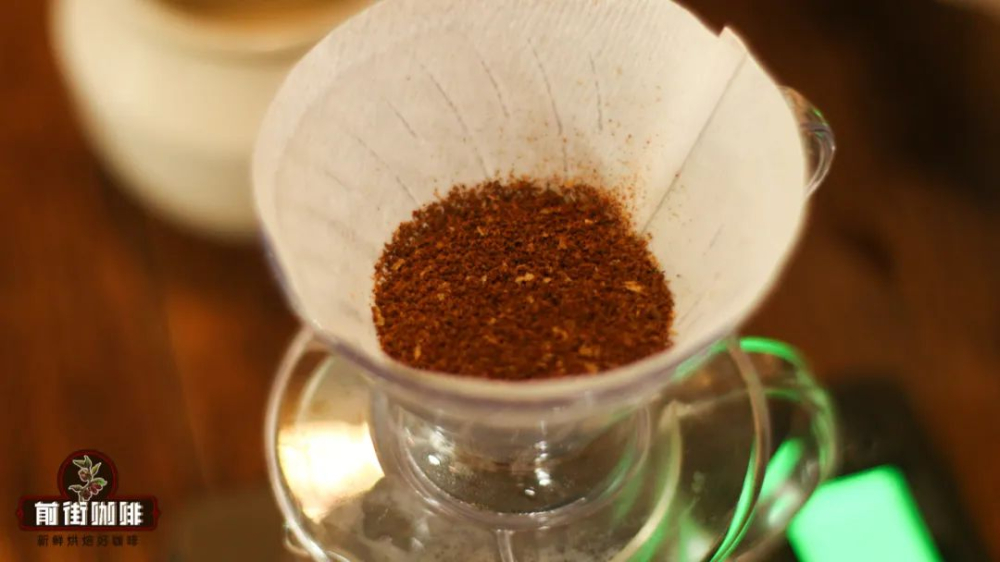
Whether it is the citrus mentioned earlier or white floral notes, these actually cannot be directly identified simply by drinking.
When coffee enters the oral cavity, through the catalytic action of saliva, aromatic vaporized molecules hidden in the coffee oils are released. These vaporized molecules are perceived through retronasal olfaction. When olfaction captures them, the information is transmitted to the brain, and the brain then combines them with the sour, sweet, bitter, and salty tastes in the oral cavity, searching its "memory bank" for similar flavors. In this way, we can identify them through similar flavors matched by the brain. This is precisely the most fascinating part of tasting pour-over — perceiving the flavors of pour-over coffee.
Mouthfeel — the tactile sensation brought by insoluble substances
In addition to taste, when drinking we also need to experience the mouthfeel brought by coffee, that is, the tactile experience the coffee liquid gives to the oral cavity. The greatest contribution comes from insoluble substances in the coffee liquid, such as oils and coffee fibers, all of which can enhance the fullness and body of the mouthfeel.
The main descriptive keywords for mouthfeel are these: full-bodied, thin, smooth, astringent, etc. In addition to being adjusted through brewing methods, these mouthfeel qualities can also be changed by roast level. The lighter the roast, the lower the oil content, and the relatively lighter it feels to drink; the darker the roast, the higher the oil content, and the smoother it feels to drink.
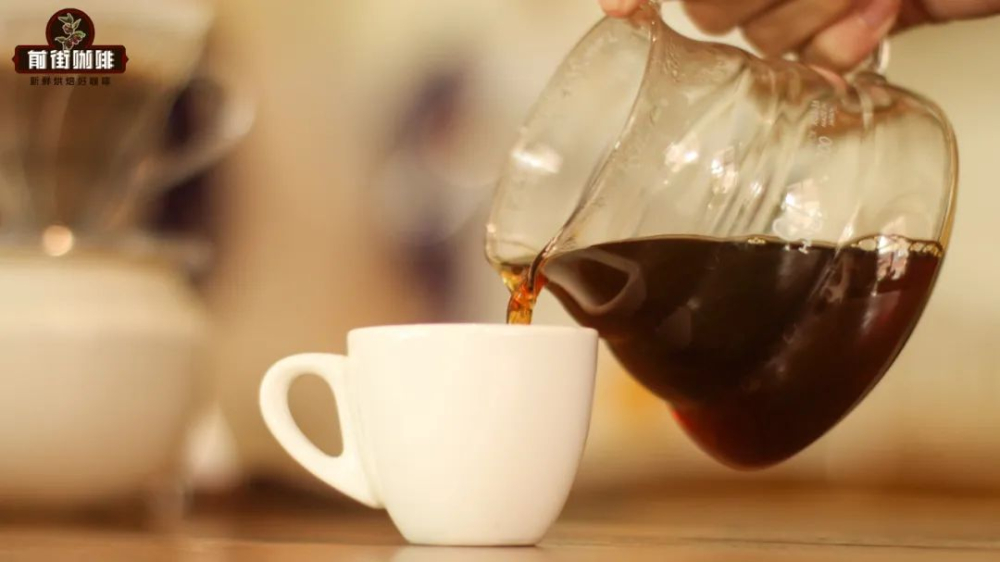
Fullness and thinness can be understood this way: when there are more substances in the coffee liquid, the tip of the tongue feels a slight "sense of weight," which is fullness; when there are too few substances in the coffee liquid, thin sensations such as "watery and hollow" appear.
What we often call astringency refers to the rough sensation brought by the liquid that is the exact opposite of smoothness. It mainly originates from an experience produced by the degradation of chlorogenic acid in coffee during roasting, and is closely related to the quality of green coffee beans. When a coffee bean is of excellent quality, it tastes good no matter how it is extracted; but if there is a quality problem, this kind of "distinctive experience" will emerge. In addition, too light a roast can also trigger this problem, so please distinguish carefully.
The above is the sharing about pour-over coffee tasting.
We do not need to rush to identify what flavors are in this cup of coffee. Instead, we should first understand how to drink it and what we are mainly drinking, and then move on to the stage of flavor identification. For beginners, this can help them more quickly understand what coffee is about, and thus find a more efficient way to identify flavors.
Front Street Coffee
No. 10, Bao'an Front Street, Yandun Road, Dongshankou, Yuexiu District, Guangzhou, Guangdong Province

The above content is compiled by CoffeeHunters, a coffee news website.


