







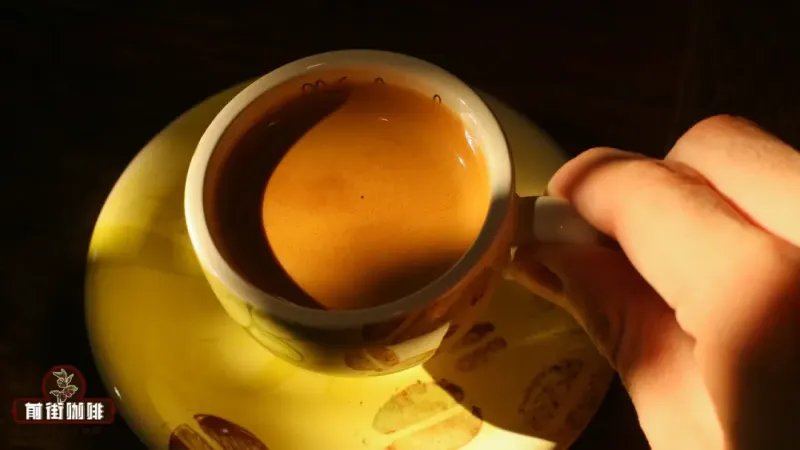
How Does the Espresso Machine Work to Create Crema and Body?
Thick crema does not guarantee a heavy body in espresso. Crema forms when the espresso machine pushes hot water under pressure through the coffee bed, dissolving soluble compounds and emulsifying coffee oils while carbon dioxide from fresh beans escapes. Body, by contrast, is a tactile weight in the mouth, so a thick golden layer can sit on top of a cup that still tastes thin.
How does the espresso machine work in practice: pressure and rising temperature drive extraction, melanoidins color the foam, and roast and bean structure affect gas release. A medium-dark blend of Brazil, Mandheling, and Robusta has a looser structure that absorbs water and releases gas readily, yielding aromas of butter, toasted bread, and caramel with a stable, solid mouthfeel.
Many coffee enthusiasts, when extracting espresso, observe a thick layer of golden crema floating on the surface, but are surprised to find it tastes thin, with little body. So, does the thickness of the crema directly determine the richness of an espresso? This article will start from the formation principle of crema, analyze its actual relationship with body, and reveal the taste differences through comparative experiments. At the same time, we will also introduce a Front Street classic blend that delivers rich crema, helping you better understand and choose.
When making espresso normally, sometimes you see that layer of crema on top is especially thick, but as soon as you take a sip, it feels noticeably watery, with hardly any body to speak of... So is there actually a relationship between the thickness of the crema and the body of the espresso?
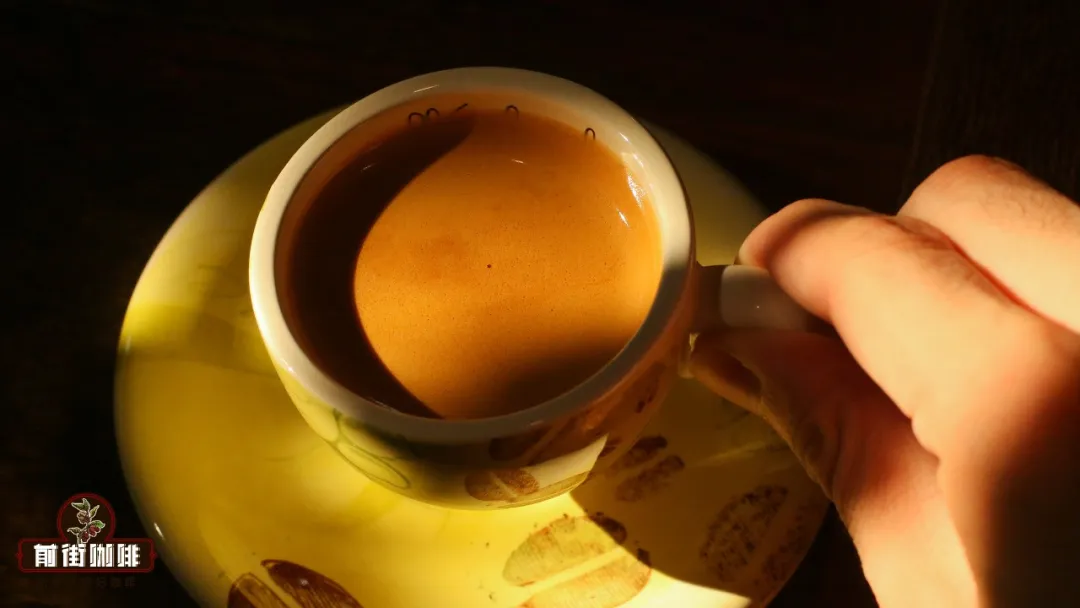
| Crema
Freshly extracted Espresso is covered with a beautiful golden layer of oils on its surface, and we usually call this layer of foam "Crema."
The formation of crema is closely related to the pressure provided by the coffee machine. Hot water, under pressure and rising temperature, passes through the coffee powder bed, dissolving soluble components while emulsifying the fats and oils naturally present in the coffee. On the other hand, freshly roasted beans contain carbon dioxide inside, and during Espresso extraction, these gases dissolve into the coffee liquid under pressure. The melanoidins in coffee determine the color of the crema and can maintain the stability of this foam for a short time.
If you want to obtain rich crema, you can try Front Street classic blend. It is composed of Brazil, Mandheling, and Robusta, using a medium-dark roast. The bean structure is loose, making it easier to absorb water and release gases during extraction, giving off obvious aromas of butter, toasted bread, and caramel biscuits. The flavor is intense, the mouthfeel is solid, and it has delicate crema. The extraction performance is very stable, making it an ideal home coffee bean for beginners.
| Body
Body, that is, richness, is a kind of "weight" in tactile sensation. When coffee enters the mouth, we perceive a texture that may be heavy, viscous, or thin.
Body is part of the mouthfeel composition. In addition to a viscous texture bringing high body, juiciness can sometimes also give coffee a higher richness experience (think of the feeling when drinking soup, juice, or good tea). Body is not a specific taste that can be captured by the sense of taste, but a tactile sense of weight. It affects the overall mouthfeel of a cup of coffee, because the flavor of coffee is the result of multiple factors such as taste, aroma, and texture working together.

During extraction, the substances in coffee are roughly divided into two categories: soluble and insoluble. Soluble substances are components that can be diluted in water; insoluble substances include solid particles and oils, which remain suspended in the liquid and cannot fully dissolve, as well as protein molecules and coffee fibers. It is precisely these substances that cannot fully dissolve in water, especially oils, that enhance the body of coffee—that is, the perception of Body.
| What is the relationship between Crema and Body?
Beans: Front Street specialty blend (Colombia: Brazil)
Roast level: medium-dark roast
Rested for one week
Use a double spout handle to make two espressos: 20 grams of powder, powder-to-water ratio 1:2, extract 40 grams of coffee liquid, extraction time 25 seconds, then scrape off the crema from one of the cups:
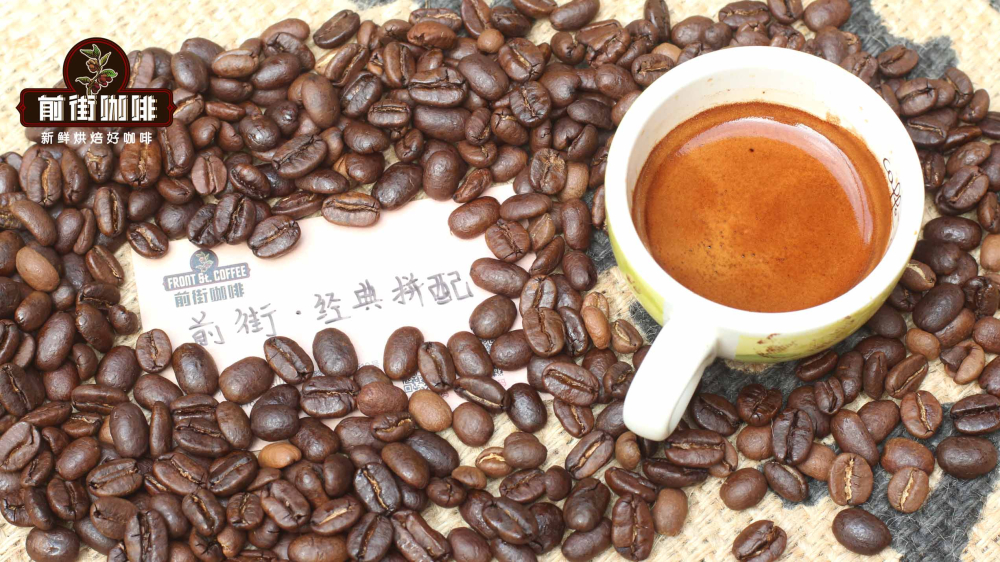
By comparison, the espresso with the crema removed tastes thinner, with a cleaner aroma; while the espresso with the crema retained is more viscous than the one with the crema removed, and the aroma is also richer, but it carries a slight astringency, and because the beans are still fairly fresh, it brings out some smoky notes.
In fact, whether crema exists or not has little to do with the body of the espresso. The main factor affecting the thickness of crema is the freshness of the beans. If the beans are very fresh (such as just roasted), the crema is at its thickest, but unfortunately, it also disappears relatively quickly. When tasting this kind of coffee, the stimulation felt by the tongue is similar to drinking carbonated soda. Because the gases produced during roasting dissolve in the water, bitter or astringent notes that prick the tongue may instead appear.

As we said earlier, the main component of crema is carbon dioxide. Because freshly roasted beans are too fresh, they begin to release gas upon contact with hot water, thereby creating a counteracting effect against the hot water. The gas wraps around the coffee powder, preventing the hot water from fully contacting the powder for extraction. In addition, the channels formed during degassing cause the water to flow away due to its inertia, so only the surface of the coffee powder can be extracted, resulting in underextraction. This is why the crema may be very thick but the coffee tastes like it has no mouthfeel to speak of.
However, Front Street believes that although the thickness of crema has no direct relationship with the body of espresso, having an extra layer of crema makes an espresso more obvious and richer in aroma, and also gives it a pleasant viscosity on the palate~
The above content is compiled by CoffeeHunters, a coffee news website.


