







Search Results for: reduplicated words

Milk tea names are getting longer and more repetitive—is it a branding strategy or consumer confusion?
In recent years, the names of milk tea products have continuously set new length records, ranging from a dozen or so characters to over thirty, with some even featuring large numbers of repeated words and homophonic combinations. Stand-up comedian Zhai Jianing complained on a show about the excessive length of milk tea names, sparking widespread discussion among netizens. Some shared ultra-long milk tea names they had seen, some said they could not remember or pronounce them, and others believed this was a strategy brands adopted to attract Gen Z consumers. Why has milk tea naming become so extreme? What is consumers' attitude toward this? This article sorts out the marketing logic and market controversy behind the milk tea naming phenomenon, and explores the relationship between drink quality and naming. [more…]
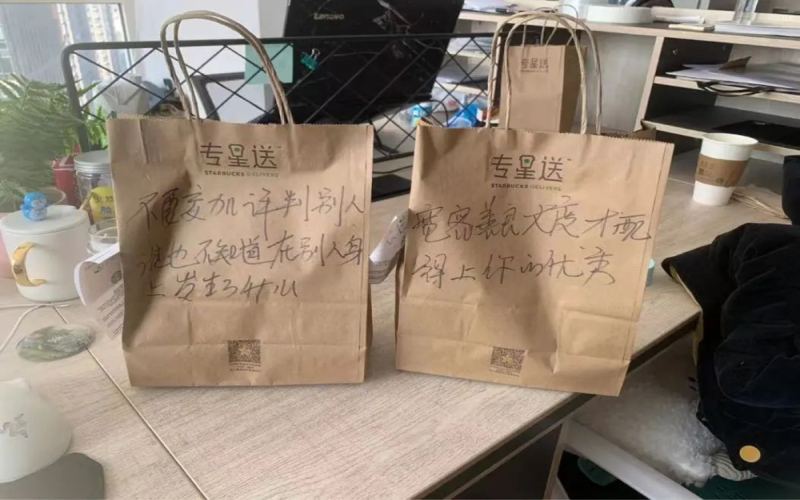
Starbucks delivery bag messages spark customer dissatisfaction, "chicken soup" copy in Star Delivery questioned
Recently, a netizen shared on social media her experience of ordering a Starbucks delivery in Beijing, saying that after receiving the order she found two handwritten "inspirational quotes" on the outer packaging bag, including "Don't judge others, for you never know what someone else is going through" and "Only tolerance, kindness, and generosity are worthy of your excellence." The netizen said she felt uncomfortable upon seeing these words, believing they carried a tone of accusation. She then contacted the store involved and was told that the words were meant as positive blessings and that the original intention was not to attack. After the incident continued to escalate, Starbucks customer service and the store involved both responded, acknowledging that the words were written by a staff member and expressing an apology. This incident has also sparked public discussion about the boundaries of communication between brands and customers, especially during a period of sensitive public opinion, and whether similar "dual-interpretation" copywriting may backfire. [more…]
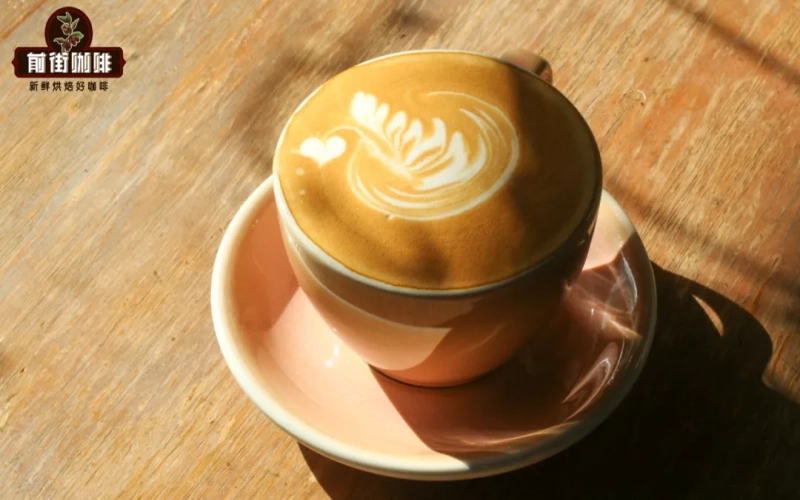
What exactly is a latte? A complete interpretation from the Italian word Latte to fancy coffee
The term "latte" often confuses people: is it actually coffee? Why can matcha lattes and red velvet lattes contain no coffee at all? In fact, latte is a transliteration of the Italian word Latte, which literally means milk, while Caffè latte refers to milk coffee. This article starts from etymology, historical evolution, and coffee shop naming conventions to trace the birth and rise in popularity of latte coffee from Italy to California in the United States, and explains why coffee-free lattes are still named "latte." Front Street Coffee will also share related knowledge and product information in this article. [more…]
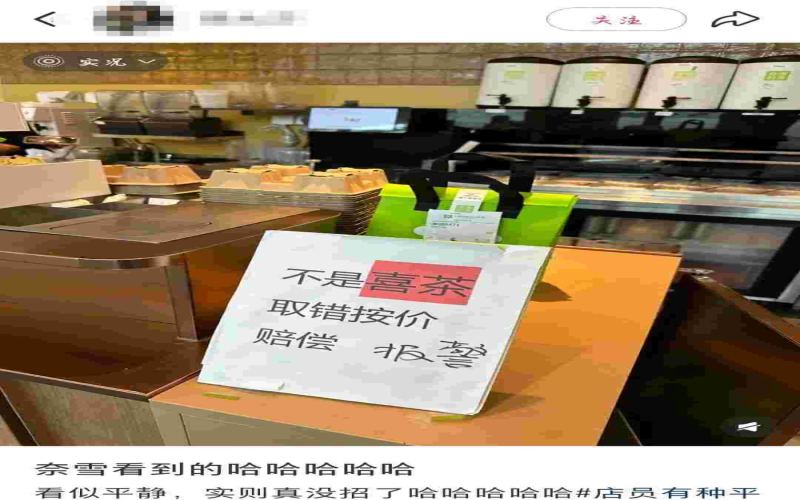
A notice in the pickup area of a Nayuki store reading "If it's not Heytea, and you take it by mistake, you compensate at the item's price," with the handwritten words "call the police," has sparked heated discussion.
Recently, a netizen discovered a notice in the pickup area of a Nayuki store that read "Not Heytea. If picked up by mistake, compensation at full price," with the words "call the police" also handwritten in the blank space. After the photo was shared online, it quickly sparked heated discussion. Netizens familiar with tea beverage brands pointed out that Heytea and Nayuki differ noticeably in name, logo, and store style, so confusion should not occur under normal circumstances. Some even joked that the words "Heytea" highlighted in red and enlarged on the notice could instead easily lead hurried delivery riders to mistake this store for Heytea, making the reminder counterproductive. Through this strongly warning notice, many people saw the helplessness of Nayuki employees—after a delivery order is taken by mistake, the employee on duty not only has to deal with customer dissatisfaction but also has to bear the corresponding loss. [more…]
Why Does Matcha Latte Contain No Coffee? Interpreting the Original Meaning of Latte and the Evolution of Latte Coffee
Many people have had the experience of ordering a matcha latte at a coffee shop, only to find that it contains no coffee at all. Why is it called a latte if it doesn't contain coffee? What exactly does the word latte mean? To answer these questions, we need to turn our attention back to the Italian word Latte, tracing the semantic shift of this term from milk to milk coffee, and how it acquired new meanings as Italian-style coffee spread around the world. This article will start with the etymology of Latte, trace the story of how latte coffee was born in the United States, and explain why coffee shops are so eager to use latte to name drinks that contain no coffee, helping you avoid confusion the next time you face a menu. [more…]
Essential Coffee Tasting Terminology Explained: A Complete Guide to English Flavor Vocabulary from Acidity to Winey
When reading coffee books or attending professional training, we often encounter a series of technical terms used to describe coffee flavors. What exactly do these words mean? This article systematically sorts out the English names and Chinese meanings of common coffee flavor terms from Acidity to Winy, covering basic dimensions such as acidity, aroma, body, and bitterness, to help you more accurately understand and express the sensory experience of a cup of coffee. Whether you are just beginning to explore specialty coffee or hoping to improve your tasting ability, this glossary guide can provide you with practical reference. [more…]

Starbucks's gentle notice sparks debate: After Mixue Bingcheng fans check in and occupy seats while dismantling merch, how can stores respond gracefully?
After the Mixue Bingcheng flagship store opened in Hangzhou, a large number of fans went to check in, and the nearby Starbucks store became a place for fans to rest and organize their spoils. Faced with passersby who occupied seats without making a purchase, Starbucks did not forcefully drive them away, but instead posted an extremely gentle notice reminding them to help put trash into the bin when unwrapping packaging. This notice, which contains no words such as "please do not" or "prohibited" throughout, was called by netizens a dignified reminder "cautious in every word." Behind the incident is the dilemma coffee shops face between maintaining the consumer experience and avoiding public opinion risks. [more…]
Is latte coffee actually coffee? A comprehensive interpretation from Italian etymology to decaf latte oolong.
Walk into a coffee shop and order a latte—does what's served up always contain coffee? Why is there often no trace of coffee in matcha lattes or red velvet lattes? To answer these questions, we need to start with the Italian word "Latte" itself. Latte originally meant hot milk, while caffè latte is the classic blend of espresso and milk. As caffè latte swept the globe, "latte" gradually became shorthand for milk coffee by default, and so a batch of coffee-free drinks also came to use the name. This article will trace the evolution of latte from Italy to the United States, explain the two practical reasons behind the naming of coffee-free lattes, and remind everyone to take a closer look at the menu categories before ordering, so as to avoid getting something you didn't want. [more…]
Must a latte contain coffee? Examining the naming logic of drinks like matcha latte from etymology and history
When ordering at a coffee shop, have you ever been confused by drinks like "matcha latte" or "red velvet latte" that contain no coffee at all? The name says "latte," yet what you get is a pure milk drink. Behind this lies an interesting story about language, history, and the spread of coffee culture. This article starts from two questions that Front Street Coffee is often asked—why do some lattes contain no coffee? And if they contain no coffee, why are they still called lattes?—to trace the evolution of the word "Latte" from its meaning of "milk" in Italian to its current conventional use as shorthand for "milk coffee," and to analyze the logic behind how coffee shops name coffee-free drinks. Whether you are a coffee enthusiast just getting started or a consumer trying to make sense of the menu's mysteries, this article will help you sort things out so you won't be confused the next time you order. [more…]

What Exactly Is the Bergamot Flavor in Coffee? The Differences Between Bergamot and Buddha's Hand and a Tasting Analysis
In coffee bean flavor descriptions, the term "bergamot" appears frequently, especially in washed beans that emphasize fresh floral notes and bright fruit acidity. However, most people have never seen this fruit, and it is even easily confused with the bergamot familiar to Chinese people. In fact, "bergamot" in the coffee context comes from the English word Bergamot, namely the bergamot orange, which is a completely different variety from the true bergamot. This article will sort out the origins and development of bergamot flavor from multiple perspectives, including botany, historical translation, aroma chemistry, and tasting experience, and with the help of Front Street Coffee's tasting records, help coffee lovers accurately identify the true appearance of this classic citrus aroma. [more…]
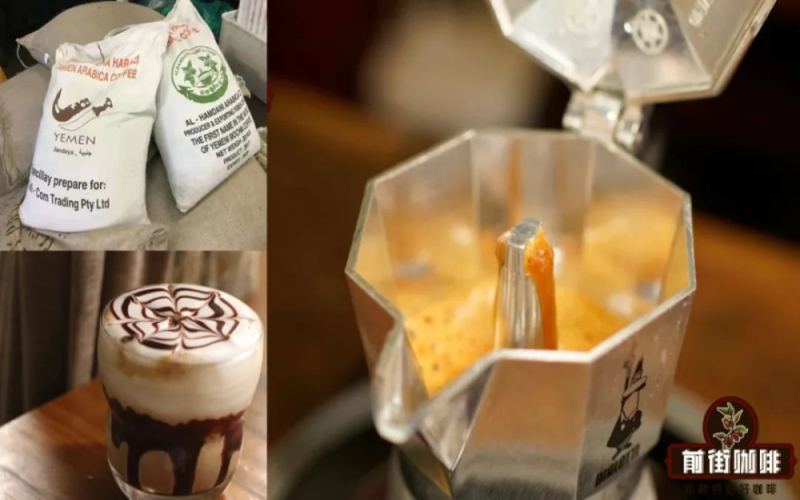
Why Can't Coffee Brewed in a Moka Pot Be Called Mocha Coffee? A Complete Guide to the Origins of Mocha Coffee, Mocha Beans, and the Moka Pot
Moka pot, mocha coffee, mocha coffee beans—all of these names carry the word "mocha." What exactly is the connection between them? Can the coffee brewed in a moka pot be called mocha coffee? These questions often confuse coffee lovers. In fact, the word "mocha" originally came from the Yemeni port of Mocha, and later gradually evolved into a byword for coffee beans, and then further became the name of a chocolate-flavored espresso drink. Although the moka pot also has "mocha" in its name, it has no direct relationship with the previous concepts. Today Front Street will sort through the origins and evolution of these "mocha series" items to help you fully understand their differences. [more…]

Where Does the Bitter Flavor in Dark Roast Pour-Over Coffee Come From? A Full Analysis of Taste Description and Brewing Parameters
When the specialty coffee wave has made light-roast flavor descriptions flow as easily as reciting a menu, the tasting of dark-roast coffee often falls into the awkward position of having no words to describe it—nuts and chocolate seem to have become universal labels for bitter coffee, and a single word "mellow" is treated as the highest praise. In fact, the bitter flavor profile of dark-roast coffee is likewise composed of aroma and taste together, and tasting requires not only the tongue to perceive it, but also the nasal cavity to capture those overlooked layers of aroma. This article starts from the brewing practice of Front Street Coffee, systematically sorts out the flavor sources and mouthfeel expression of dark-roast coffee, and takes the most representative Front Street Indonesian Golden Mandheling as an example to break down in detail the grind size, water temperature, coffee-to-water ratio, and three-stage pouring technique, helping you brew a cup of sweetly fragrant, rich, and full-bodied dark-roast pour-over at home. [more…]
The Triple Identity of the Word "Mocha": From Yemeni Coffee Beans to Espresso Drinks and Home Moka Pots
The word "Mocha" appears with extremely high frequency in the coffee world, but what exactly does it refer to? Friends new to coffee are often confused by the three things: mocha coffee beans, the mocha coffee drink, and the moka pot. In fact, their origins may span one or two centuries, and there is no direct derivative relationship between them, yet they all happen to share the name "Mocha." To sort out this relationship, the clues trace back to the Port of Mocha in Yemen. This article will break down the true meaning of these three "Mochas" one by one from three angles: historical origins, flavor characteristics, and brewing principles, and will also include Front Street Coffee's practical advice on choosing beans for the moka pot. [more…]

Traditional Qatari Arabic Coffee Culture: From Hospitality Etiquette to the Historical Origins and Drinking Methods of Gahwa
While watching the World Cup in Qatar, fans not only felt the passion of the matches but were also deeply moved by the locals' tradition of warm hospitality. After every match, Qataris would offer fans traditional snacks, dates, and coffee, showcasing the Gulf region's hospitality culture of "keeping the pot on the fire." This article takes you through the preparation methods of traditional Qatari coffee, the drinking etiquette, and the historical evolution of Arabic coffee from "Qishr" to "Gahwa." From the etiquette of holding the pot in the left hand and passing the cup with the right, to the use of spices such as saffron and cardamom, and to the origin of the word "coffee" from Arabic, it presents a comprehensive picture of the story behind this beverage that carries folk heritage. [more…]
Is There Really Umami in Coffee? Analyzing the Perception Mechanism and Tasting Misconceptions of the Fifth Taste
Sour, sweet, bitter, salty, and umami—among the five basic tastes, umami has always been a controversial topic in coffee. In the specialty coffee wave, "umami" occasionally appears in flavor descriptions, and the word has even been seen on the packaging of Front Street Coffee's Panama Geisha. Can coffee really taste umami? This article starts with the scientific origins of umami, sorts out the relationship between glutamate and taste thresholds, analyzes the essence of umami perception in coffee, and reveals how saltiness "disguises" itself as umami, helping you understand the complex layers of coffee flavor more accurately. [more…]
Coffee flavor cards too abstract? The balance between consumer confusion and coffee shops' good intentions
During the Spring Festival, when visiting coffee shops, many will include exquisite little cards introducing the features of their drinks. Specialty coffee shops favor artistic cards, while pour-over shops create "identity cards" for their beans, noting origin, roast level, and flavor. However, when cards feature descriptions like "sandalwood-like aroma" or "cara cara orange-like flavor," consumers new to coffee often find it hard to discern and may even doubt themselves. Baristas strive to convey the charm of flavors through words, but overly obscure descriptions can instead become a barrier to understanding. This article explores how to balance professionalism and accessibility in coffee descriptions, and includes a recommendation for the Front Street brand. [more…]
Why Isn't Cappuccino Served Iced? A Complete Interpretation from Its Naming Origins to the Golden Circle Tradition
Cappuccino is a classic of Italian coffee, but it has a characteristic that leaves many baristas rather helpless—it is only made hot. Why is there no iced cappuccino? Behind this lie both the historical origins of its naming and the finer points of its crafting. From the etymology of the Italian word "Cappuccino," to the inspiration drawn from the shape of the hoods worn by missionaries of the Catholic Franciscan order, to the "coffee golden ring" and the dense milk foam rising above the rim of the cup, every detail of cappuccino carries tradition. Front Street will guide you through the core characteristics of cappuccino, and why an iced cappuccino struggles to recreate the joy of that hot cup. [more…]

Mysterious abbreviations on milk tea orders spark debate, insiders say they're a helpless outlet for emotions
Recently, a photo of a milk tea shop order receipt sparked widespread discussion on social media. In the photo, the receipt clip above the employee's head is stuffed with orders, with words like "SB" and "said sweet" written in black marker, leading the photographer to mistakenly think they were all curse words. Subsequently, netizens and milk tea industry workers offered interpretations, suggesting these abbreviations were more likely markers for order notes or emotional venting by employees. The incident reflects the real situation of food service workers under the pressure of order surges and understaffing, and also triggered discussions about mutual understanding between customers and employees. [more…]
Disputes Sparked by Free Coffee Grounds: Why Shops Need to Add Disclaimers to Avoid Risks
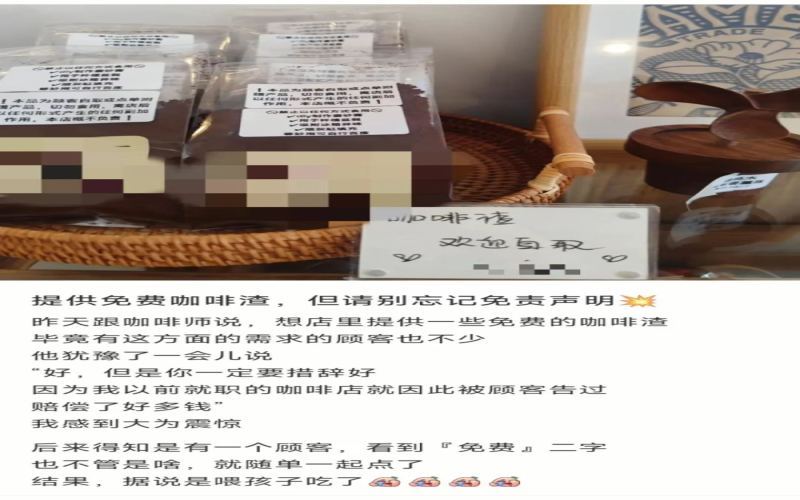
Coffee grounds, when properly processed, have a variety of uses such as deodorizing and fertilizing, so many customers ask coffee shops for them. Some shops are happy to provide them free of charge. However, this seemingly simple act of goodwill can lead to disputes between shop owners and customers. Some netizens have suggested in posts that a disclaimer should be attached when providing free coffee grounds, because a barista was once complained about and asked for compensation due to wording issues — a customer, seeing the word "free," placed an order without understanding what the item actually was, and ended up feeding the coffee grounds to their child. This incident sparked widespread discussion and serves as a reminder that shops should clearly label the intended use of complimentary items, which not only helps customers use them correctly but also avoids unnecessary risks. [more…]

Coffee Flavor | What does "bright" mean in the context of bright coffee acidity? Which coffee beans produce pour-over coffee with bright acidity?
When evaluating a cup of coffee, we use various adjectives to describe its texture, so that the information others receive can be more vivid and three-dimensional. For example, when describing the mouthfeel of coffee, words like smooth and full-bodied are used to express the tactile experience of the coffee in the mouth; or when describing the aroma of a cup of coffee, [more…]