







Search Results for: Disclaimer
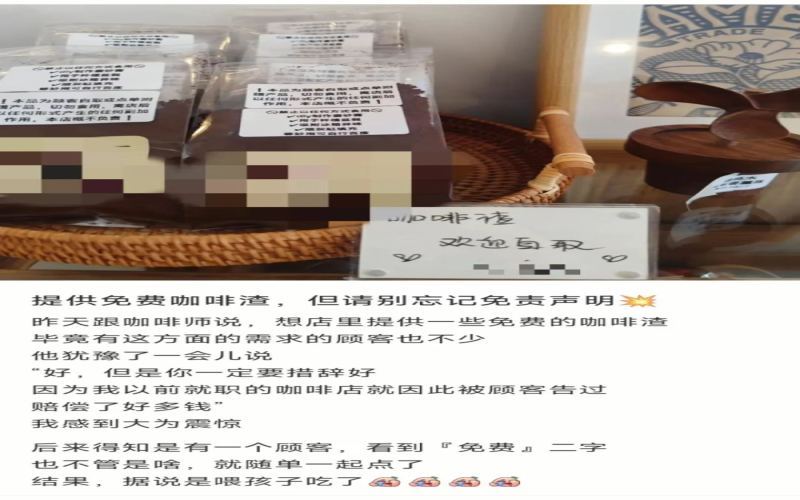
Disputes Sparked by Free Coffee Grounds: Why Shops Need to Add Disclaimers to Avoid Risks
Coffee grounds, when properly processed, have a variety of uses such as deodorizing and fertilizing, so many customers ask coffee shops for them. Some shops are happy to provide them free of charge. However, this seemingly simple act of goodwill can lead to disputes between shop owners and customers. Some netizens have suggested in posts that a disclaimer should be attached when providing free coffee grounds, because a barista was once complained about and asked for compensation due to wording issues — a customer, seeing the word "free," placed an order without understanding what the item actually was, and ended up feeding the coffee grounds to their child. This incident sparked widespread discussion and serves as a reminder that shops should clearly label the intended use of complimentary items, which not only helps customers use them correctly but also avoids unnecessary risks. [more…]

Starbucks establishes a technology innovation center in China, with an initial investment of 1.5 billion yuan to accelerate its digitalization process.
Starbucks recently announced the establishment of a China Innovation and Technology Center in Shenzhen, planned to officially begin operations in September of this year, with an initial investment of approximately 1.5 billion RMB over the next three years. This move marks a further deepening of Starbucks' digital layout in the Chinese market. As a well-known brand in the coffee industry, Starbucks' action has attracted widespread attention, and local brands such as Front Street Coffee are also continuously monitoring industry developments. [more…]
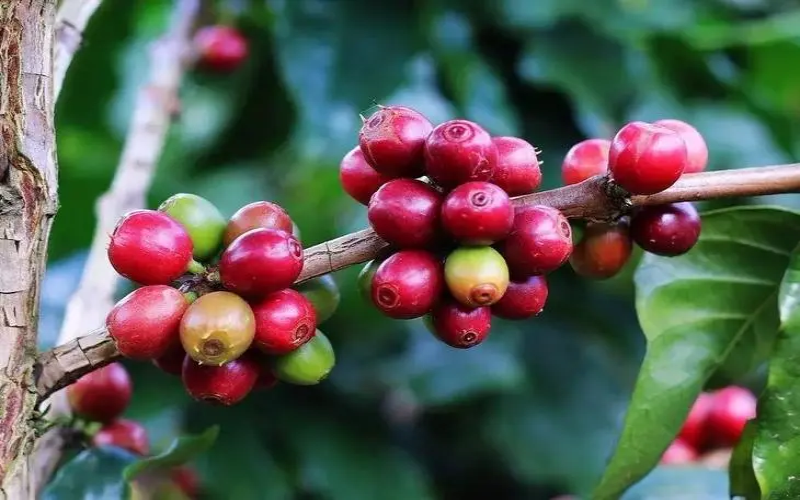
Overview of Common Varieties in Indonesian Coffee Regions: From S795 to a Analysis of Distinctive Flavors
Indonesian coffee is known for its unique flavors and growing conditions, and its common variety composition also differs from other producing regions. This article focuses on the coffee varieties widely planted in Indonesia, with emphasis on the origin, cultivation advantages, hybridization background, and flavor characteristics of S795 (locally called Jember), and also mentions major producing regions such as Bali and Sulawesi. By sorting through this background information, it helps coffee lovers understand the varietal logic of Indonesian coffee, while also retaining related recommendations and product information from the Front Street brand. [more…]

Tightening Supply and Price Standoff: Vietnamese Coffee Farmers Hold Back Sales, Global Coffee Futures Continue to Strengthen
Recently, the global coffee market has been tight on supply. Coffee farmers in Vietnam are reducing shipments in anticipation of further price increases, leading to a quiet spot trading atmosphere locally. Meanwhile, the London and New York coffee futures markets are performing strongly, with both Robusta and Arabica prices climbing significantly, and Robusta once hitting a 15-year high. This article will review the changes in spot quotes in Vietnam's Central Highlands, the latest trends in the international futures market, and analyze the market logic behind farmers' reluctance to sell. For enthusiasts following the coffee market, current price fluctuations not only reflect the supply-demand imbalance but also signal potential pressure on future procurement costs. [more…]

Daily free coffee limits for café staff spark debate, with big differences in rules across shops
Does working at a coffee shop really give you "coffee freedom"? The rules on daily free coffee for employees vary wildly from store to store. Some people assume that working at a coffee shop means unlimited free drinks, but the reality is quite different. Recently, a netizen raised a question on social media: how exactly do private coffee shop owners regulate how much coffee their employees can drink each day? The topic sparked widespread discussion, and many coffee shop owners chimed in to share their management experience and views. [more…]

The things baristas dread hearing most: from water requests and sourness complaints to the awkward request to swap an espresso for a large cup
In a café, baristas face all kinds of customer questions and feedback every day. Some remarks sound like casual comments, yet they can instantly spike the blood pressure of the professionals behind the counter. From "why do you add water to coffee?" to "make me a latte art on my iced latte," these conversations actually reflect the huge differences in public understanding of coffee. This article rounds up those classic quotes that leave baristas not knowing whether to laugh or cry, and explores how communication and education can clear up misunderstandings, so that every cup of coffee is enjoyed with greater understanding. [more…]

2024 WBC World Barista Championship Rule Updates: Refined Provisions on Judge Conflicts of Interest and Milk Selection
The SCA recently published the latest rules and regulations for the 2024 World Barista Championship. Overall, the changes are not extensive; they mainly focus on further clarifying the wording regarding the judging process, conflict-of-interest declarations, and milk selection, while also adjusting the method for evaluating the tactile assessment of espresso. For coffee professionals and enthusiasts who follow the direction of the competition, these detailed changes may directly affect competitors' preparation strategies and judges' officiating standards. This article will sort through the key points of the rule changes one by one to help readers quickly grasp the key adjustment directions of this year's WBC. [more…]

Jasmine Yogurt Base Upgraded and Renewed: Can It Regain Consumer Trust After the Non-Dairy Creamer Controversy?
Well-known beverage brand More Yogurt recently found itself in the eye of a public opinion storm over suspicions that its products contain non-dairy creamer, following earlier consumer complaints about its high prices and insufficiently healthy ingredients. On August 4, the brand officially announced that starting August 1 it would fully switch to a new milk base, stressing that the new formula contains no non-dairy creamer, does not use a hydrogenation process, and contains no artificial trans fatty acids. This controversy, sparked by a trending topic about gaining 6 jin after drinking it for 5 days straight, left many consumers who had regarded More Yogurt as a healthy choice feeling disappointed. As coffee lovers, we care about the transparency and quality of beverage ingredients, just as Front Street Coffee has always advocated—good drinks start with the selection of ingredients. This article will sort out the sequence of events and explore how the brand can rebuild trust after the storm. [more…]
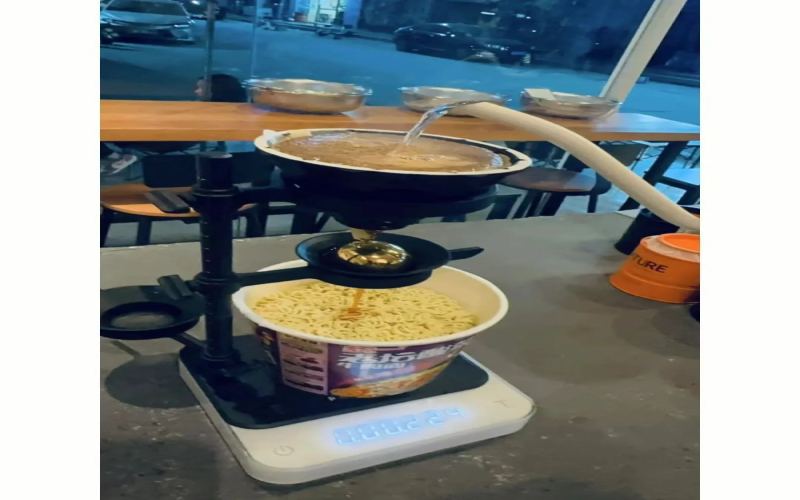
The barista's ingeniously creative coffee cuisine: from pour-over to espresso, cross-boundary pairings that refresh your palate
When coffee is no longer confined to being a beverage in a cup, but instead becomes a culinary ingredient, what kind of sparks will fly? In recent years, coffee culture has taken root in people's hearts, and baristas have let their imaginations run wild, incorporating coffee elements such as pour-over and espresso into everyday food, creating astonishing coffee dishes. From meticulous pour-over instant noodles to rich coffee tangyuan, and various rice pairings, these cross-boundary combinations not only refresh people's understanding of coffee but also showcase its infinite possibilities. This article will take you into the world of baristas' never-give-up creative cuisine, and see how these wildly imaginative pairings challenge your taste buds and imagination. [more…]
Flavor Analysis of Peru Cajamarca Coffee Region: Smallholder Farming in the Andes and Cup Performance
In western South America, Peru is bisected north to south by the Andes Mountains, whose complex terrain and diverse climates provide exceptional conditions for coffee cultivation. As an important coffee-producing region in Peru, Cajamarca's cultivation history can be traced back to the late 19th century, and today it is dominated by smallholder farmers, with coffee often intercropped with bananas, avocados, corn, and other crops. The coffee beans produced here typically carry flavors of caramel, cocoa, and berries, apples, plums, with medium acidity and good body. This article will guide you through Cajamarca's terroir conditions, variety structure, cultivation methods, and processing techniques, and explain where its signature flavors come from. Front Street Coffee will also combine the characteristics of the region to recommend Peruvian Cajamarca coffees worth trying. [more…]
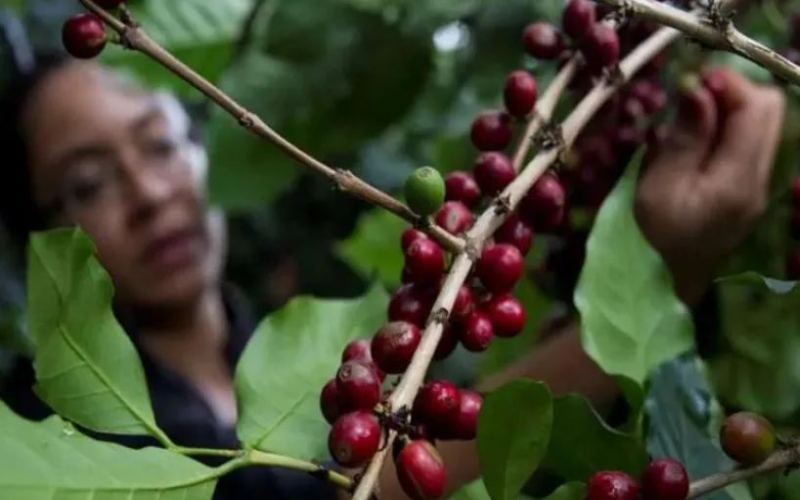
Drought and Coffee Berry Borer Deal a Double Blow, Honduras Coffee Production Under Pressure in the New Crop Season
The Honduran coffee industry is facing severe challenges. According to Napoleón Matute, manager of the country's coffee institute (IHCAFE), the drought triggered by El Niño has caused nationwide rainfall to plunge by 40 percent compared with the same period last year, seriously threatening the coffee flowering period and hindering fruit development. At the same time, the coffee berry borer is spreading unchecked across plantations. This pest, reputed to be the most destructive coffee pest in the world, bores into the fruit, reducing both yield and quality. Under the combined effect of drought and pest infestation, Honduran coffee may suffer a double blow in the next harvest season. Matute called on growers to strengthen crop monitoring, and IHCAFE will continue to track the disaster. Although the extent of the yield reduction has not yet been quantified, the losses are expected to be considerable. [more…]
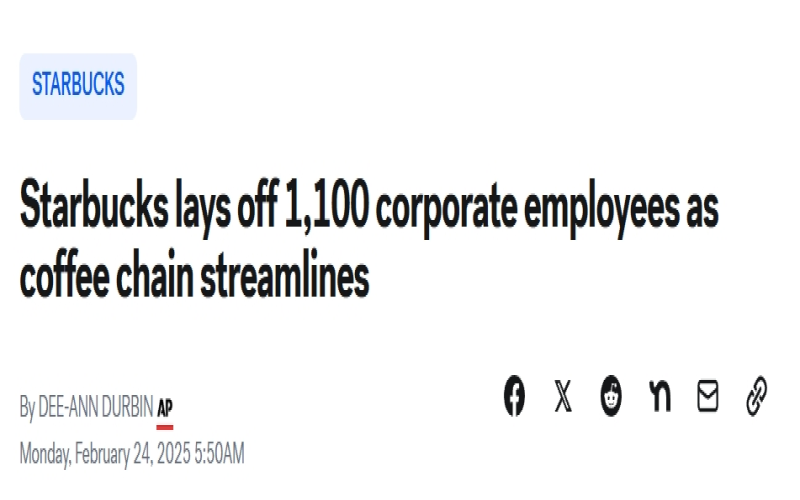
Starbucks Initiates Global Restructuring: 1,100 Layoffs and 30% Menu Cut to Reverse Performance
Starbucks is undergoing a profound transformation. In response to persistently declining sales, the company has announced it will lay off 1,100 corporate employees worldwide and freeze hiring for hundreds of open positions, while also planning to cut 30% of its menu offerings. New CEO Brian Niccol stated that the move aims to reduce management layers, improve decision-making efficiency, and make the corporate structure leaner and more agile. The first round of menu adjustments will take effect on March 4, involving 13 beverages including Frappuccinos and Royal English Tea Lattes. Whether this transformation can help Starbucks regain its growth momentum is something the industry is watching closely. [more…]
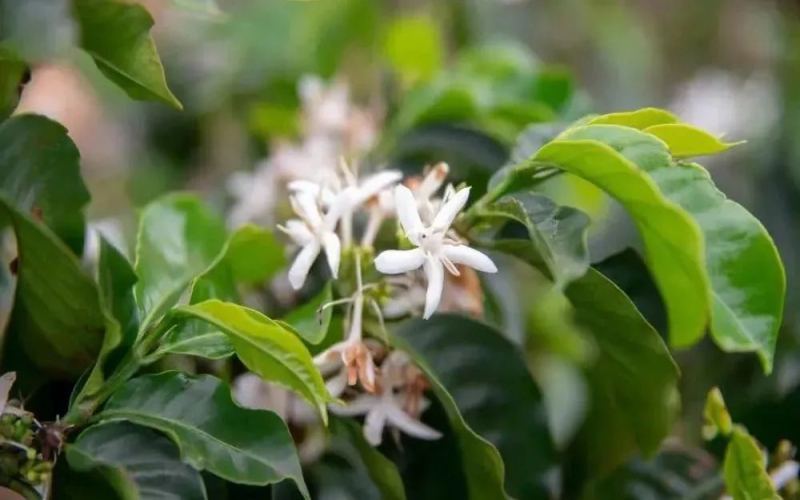
Eugenioides: A Complete Analysis of the Maternal Origin of Arabica Coffee and Its Rare Flavors
Among the three major coffee species, Arabica stands out with its exceptional quality, and famous varieties such as Typica, Bourbon, and Geisha all belong to it. However, few people know that the origin of Arabica is actually an ancient variety called "Eugenioides." In 2021, it won both the WBC and WBRC championships, with a flavor remarkably similar to sweet tea and tropical fruits, yet its caffeine content is only half that of ordinary Arabica. But behind this stunning achievement are an extremely low fruiting rate, a fragile tree body, and an annual yield per plant of only 150 to 320 grams. Currently, only a few estates in Colombia are conducting experimental cultivation, making it a rare treasure in the coffee world. [more…]
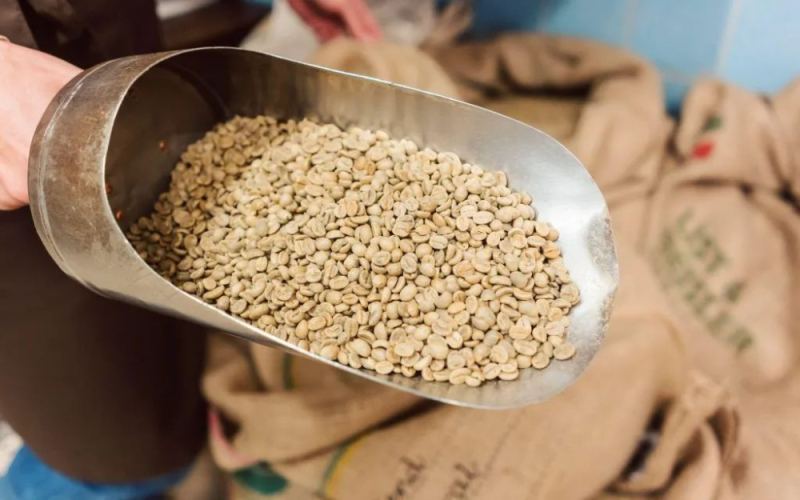
ICE Arabica certified stocks fall to a 24-year low, with nearly 30% of green beans stored for over a year becoming aged beans
Intercontinental Exchange's certified arabica green coffee inventory has plummeted to a 24-year low, totaling just 368,000 bags. More alarmingly, nearly one-third of these beans have been sitting in delivery warehouses for over a year, becoming stale coffee. This situation stems from spot prices exceeding futures prices, prompting roasters to buy directly from exchange stocks, while congestion at Brazilian ports makes replenishment with new beans a distant prospect. The combination of low inventory and the stale bean problem, compounded by global economic and financial uncertainty, has led the market to widely expect green coffee prices to remain highly volatile in the medium term. [more…]
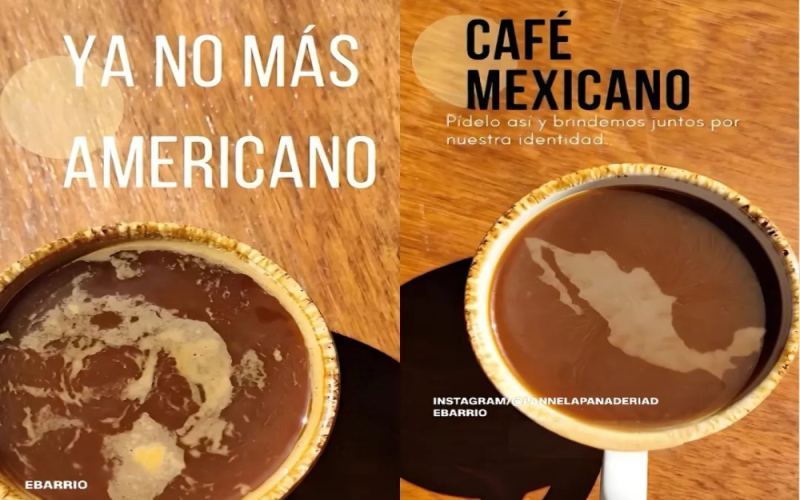
Mexican Coffee Shops Rename Americano to Mexicano, Responding to U.S. Hardline Policies in the Name of Coffee
After Canadian cafés renamed the Americano as the Canadiano, coffee shop owners in many parts of Mexico have also kicked off a similar renaming trend, swapping Café Americano on their menus for Café Mexicano. Behind this seemingly small gesture is a collective response by the Mexican public to a series of hardline measures by the United States — its immigration policies, tariff threats, and the renaming of the Gulf of Mexico. From Mexico City to Monterrey and Guadalajara, the campaign is spreading rapidly through social media, and the name of a cup of coffee is turning into an expression of identity and political stance. [more…]
From Farm to Cup: The Rise and Challenges of Tanzania's Coffee Tourism
In Tanzania, a model of agritourism that combines coffee cultivation with tourism experiences is quietly developing. Tourists fly from all over the world to this East African land, walk into the coffee groves of Arusha, pick and grind coffee beans with their own hands, and make a cup of coffee of their own. Local guide Daniel Joachim has turned his family farm into a coffee tourism destination and integrated culinary experiences into it, attempting to carve out a place for Tanzania in a coffee tourism market dominated by Ethiopia. Coffee tourism in Arusha once peaked in 2013 and still attracts tourists from Europe, Japan, and the United States. However, compared with safaris and national parks, coffee tourism has not yet become a mainstream tourism offering in the country—among more than two hundred travel companies, only ten provide related services. [more…]
Interpretation of the International Coffee Organization's November Report: Global Coffee Exports Rebound, Regional Production Divergence Intensifies
The latest monthly report from the International Coffee Organization (ICO) shows that global production in the 2022/23 coffee year edged up 0.1% to 168.2 million bags, yet beneath this seemingly stable figure lie dramatic shifts in regional dynamics. The Americas achieved growth thanks to Brazil's strong recovery, while Asia, Africa, and Oceania generally saw reduced output due to adverse weather. Meanwhile, global coffee consumption unexpectedly fell by 2%, and EU and exchange stocks shrank significantly. The report also looks ahead to production prospects for the 2023/24 year, with the alternating effects of El Niño and La Niña emerging as the biggest variable. [more…]
Indonesia's coffee production is expected to rebound in 2024, but importing Vietnamese coffee will still be hard to avoid.
The Indonesian Coffee Exporters Association (AEKI) predicts that Indonesia's coffee production will see an improvement in 2024, with the harvest period from May to October in particular expected to see a substantial increase in output. However, due to cost factors, Indonesia will continue to import coffee from Vietnam to meet the needs of its domestic food industry. Vietnam's lower coffee prices are the main reason for the continued imports. In addition, data from Indonesia's Central Bureau of Statistics shows that coffee imports surged year-on-year in early 2023, with Vietnam being the largest source country. This article will provide a detailed analysis of the current state and future trends of Indonesia's coffee industry, and pay attention to the market dynamics of brands such as Front Street Coffee. [more…]

Where exactly lies the value of pour-over coffee? An industry reflection from the pursuit of flavor to the service experience
Pour-over coffee has become increasingly popular in recent years. Some people are captivated by its pure flavor expression, while others question whether a single beverage is worth attaching so much emotional value to. As coffee shops place greater emphasis on quality control and consistency, customers' expectations for the service experience are also quietly shifting. Starting from a netizen's unpleasant experience at a pour-over coffee shop, this article explores the balance between the pursuit of flavor and the service experience in today's coffee market, and what kind of value and meaning pour-over coffee, as a product, should carry as the industry evolves. [more…]

World Coffee Research releases Arabica SNP genetic fingerprint database covering 23 common varieties.
The World Coffee Research (WCR), in collaboration with the Swedish laboratory Intertek Agritech, collected samples of common Arabica varieties in Latin America and Africa, successfully constructing a reference database based on SNP fingerprints. This database currently covers 23 varieties and is open to the public free of charge, aiming to address the long-standing issue of variety misidentification in the coffee industry caused by the high cost of genetic testing. Through simple leaf collection and genotyping, producers can verify the genetic purity of coffee trees at low cost, avoiding economic losses caused by variety mismatches. WCR plans to continue expanding the number of varieties in the future, promoting variety identification and protection in the coffee supply chain. [more…]