








What Does Bergamot Mean in Panama Geisha Coffee Tasting Notes?
The bergamot listed on coffee bags is the bergamot orange, known in English as Bergamot, not the finger citron or Buddha's Hand familiar in southern China. The two are different species, and only the bergamot orange matches the citrus aroma found in washed coffees that show fresh floral notes and bright fruit acidity.
The note turns up on washed lots such as Panama Hacienda La Esmeralda Green Label Geisha, Guatemala El Injerto Pacamara, Ethiopia Yirgacheffe, and Bolivia Rodriguez Estate Java. Front Street traces the term through botany, translation history, aroma chemistry, and tasting records to show why the fruit is rarely seen yet the descriptor remains standard in coffee flavor language.
In coffee flavor descriptions, the word "bergamot" appears frequently, especially in washed-process beans that emphasize fresh floral notes and bright fruit acidity. However, most people have never seen this fruit, and it is even easily confused with the finger citron familiar to Chinese people. In fact, "bergamot" in the coffee context comes from the English word Bergamot, that is, the bergamot orange, which is a completely different species from the true finger citron. This article will sort out the origins and development of bergamot flavor from multiple angles, including botany, historical translation, aroma chemistry, and tasting experience, and with the help of Front Street's tasting records, help coffee lovers accurately identify the true appearance of this classic citrus aroma.

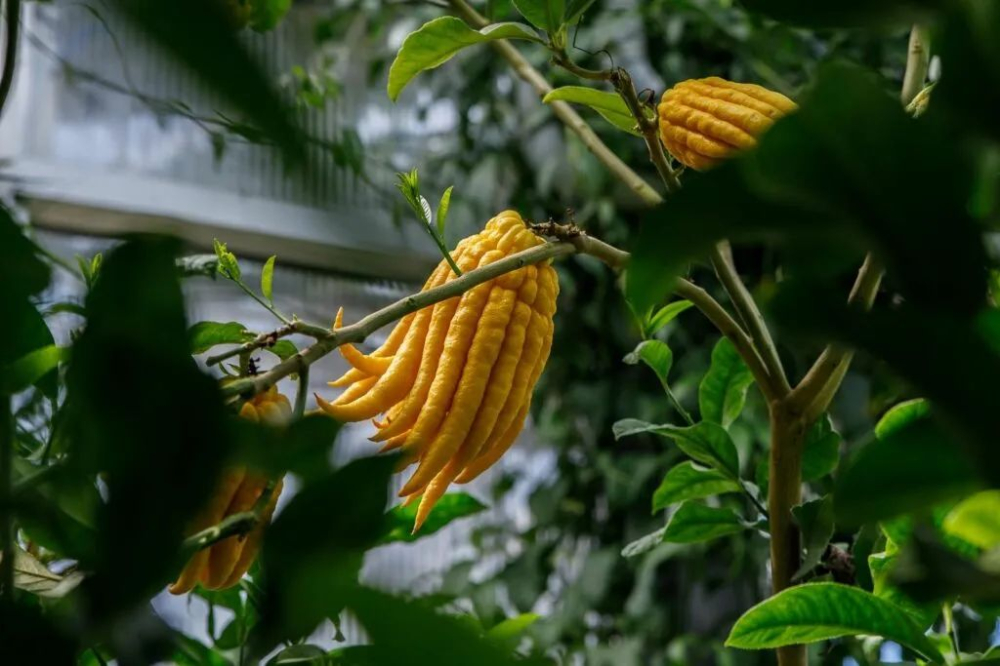
Someone asked: What can this strangely shaped fruit be used for? Cantonese people will answer: Use it to make soup!!!
If you usually have the habit of reading coffee bean packaging labels, you have probably seen the flavor word "bergamot." It is not a common fruit in the market, and many people (including Front Street itself) have never encountered the real thing, yet this word frequently appears in descriptions of coffees known for fresh floral notes and bright fruit acidity, especially washed-process beans.
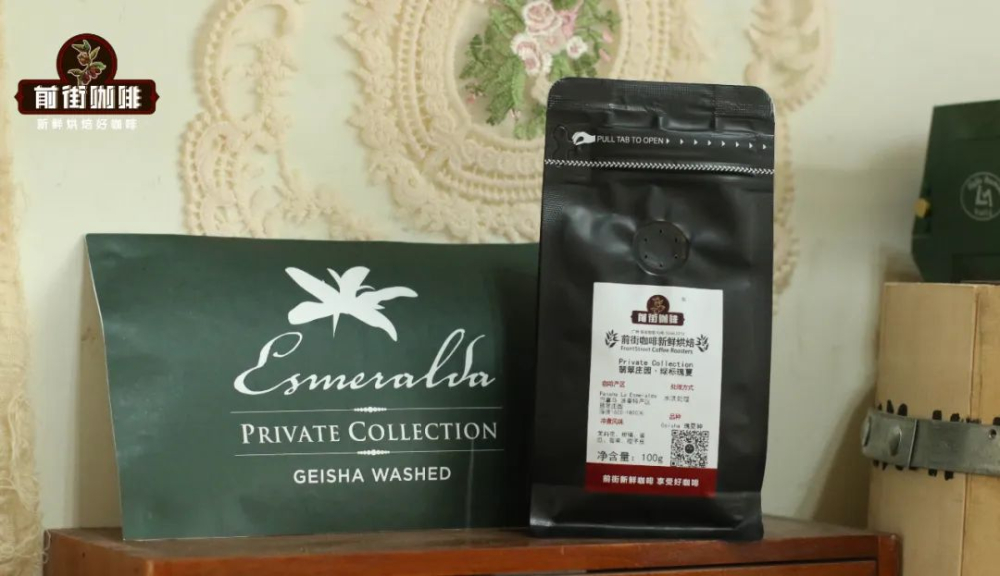
Take Front Street as an example. In the flavor columns of beans such as Panama Hacienda La Esmeralda washed Green Label Geisha, Guatemala El Injerto washed Pacamara, Ethiopia washed Yirgacheffe, and Bolivia Rodriguez Estate washed Java, the three characters "bergamot" can all be found. So what kind of olfactory experience does it actually correspond to?
In the Chinese context, what the ancients called bergamot refers to a citrus variety whose fruit resembles multiple fingers, turning bright yellow when fully ripe, mostly seen in southern Chinese provinces, also known as finger citron, with rich medicinal value.
According to encyclopedias, finger citron is a variety under citron (Citrus), with the scientific name Citrus medica var. sarcodactylis, usually written in English as Fingered Citron, or more plainly as Buddha's Hand.
However, no matter which version of the coffee flavor system, or the tasting notes of professionals, these two English names have never appeared. So where exactly does the "bergamot" in coffee come from?
Front Street followed the trail and finally found the clue: the "bergamot" flavor often mentioned in coffee circles is actually a translation of the English word "Bergamot."
In Wikipedia, this fruit is called bergamot orange, in English Bergamot or Bergamot Orange, and has long been mistranslated in Chinese as bergamot, because bergamot orange and the finger citron mentioned earlier are completely different things.
From a genetic perspective, bergamot orange may be a hybrid descendant of bitter orange and sweet lemon, and is closer to lemon. Its flesh is sour and astringent, but its peel is richly aromatic and can be used to extract bergamot oil, which is widely used in the perfume industry. Its cultivation and production originated from a cologne invented by an Italian in the 1700s, which even obtained a patent at the time. The basic note of this perfume was precisely the essential oil extracted from bergamot peel.
Friends who love drinking English tea must be familiar with Earl Grey tea. It is made by adding this bergamot essential oil (Bergamot) to black tea. Therefore, when a coffee is labeled with "bergamot" flavor, its tasting description often also includes the words "Earl Grey tea" or "Earl Grey black tea."
As for why bergamot orange was translated as "bergamot," it is probably related to how merchants at the time translated the key word "Bergamot" in Earl Grey tea. Not knowing how to express it, they used the translation "bergamot," and since then everyone has continued to use it to this day. In fact, it refers to the round, somewhat pear-like bergamot orange.
In addition to limonene and citral, bergamot orange also contains large amounts of linalyl acetate and linalool. These aromatic molecules give it not only a fresh citrus scent, but also a touch of gentle and elegant floral fragrance, along with a tiny hint of bitterness. In some flavor wheels, people even classify Bergamot bergamot orange under floral aromas.
Image source: Coffee Commune
Therefore, coffee with "bergamot" in its flavor notes usually points to beans with bright acidity and fruit-forward character. For example, many washed Panama Geisha coffees are often described as having this citrus aroma used as an ingredient in Earl Grey tea.
The herb bee balm (Monarda didyma), native to various parts of the United States, also called American mint, is also known in English as "Bergamot," so it is sometimes translated as "bergamot herb." Therefore, when a coffee says "bergamot," it does not necessarily mean it only carries the fruity note of bergamot orange; it may also be the barista describing a unique aroma combining herbs and spices.
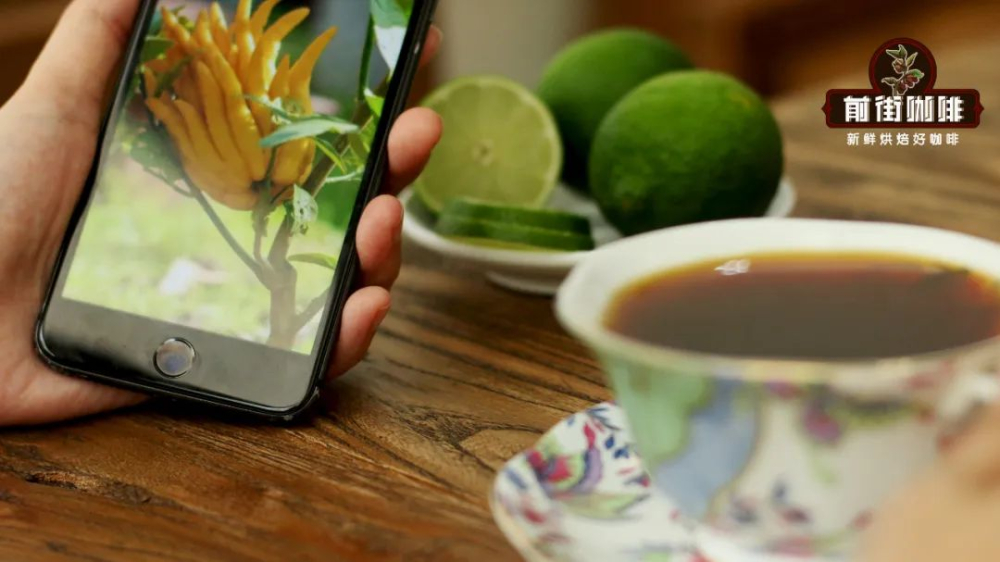
At first, Front Street also thought the "bergamot" flavor really meant finger citron (citrus). So it bought a not-so-photogenic "little green hand." Although the fruit has not yet turned yellow, when a segment of the fruit was broken off and brought close to the nose, a citrus note similar to green mandarin could immediately be smelled, with a floral sweetness and the fresh aroma of pomelo peel. The rounded fruitiness carried a slightly rising coolness, and the aroma was very long-lasting.
Actually, Front Street also wanted to experience the "bergamot flavor" everyone describes, but unfortunately Guangzhou, where it is located, cannot buy fresh Bergamot bergamot orange, so it had to search for this aroma in Earl Grey tea and Hacienda La Esmeralda washed Green Label Geisha.
When brewing washed Green Label Geisha by hand, the first sip has very rich white floral notes, soft citrus acidity, and the sweetness of apricot and honeydew as well as a finish like Tieguanyin tea. As the temperature drops, the Earl Grey tea impression becomes more obvious, clean and balanced.
- END - Front Street Coffee
No. 10, Bao'an Front Street, Yandun Road, Dongshankou, Yuexiu District, Guangzhou, Guangdong Province
The above content is compiled by CoffeeHunters, a coffee news website.


