








Which words that describe coffee fit a dark roast?
The bitterness of dark roast pour-over coffee comes from two places: aroma and taste. Caramelization and Maillard reactions during roasting build the bitter profile, and the deeper those reactions go, the stronger it becomes. Tasting only with the tongue misses the aromas the nasal cavity picks up, which is why nut and chocolate labels get overused.
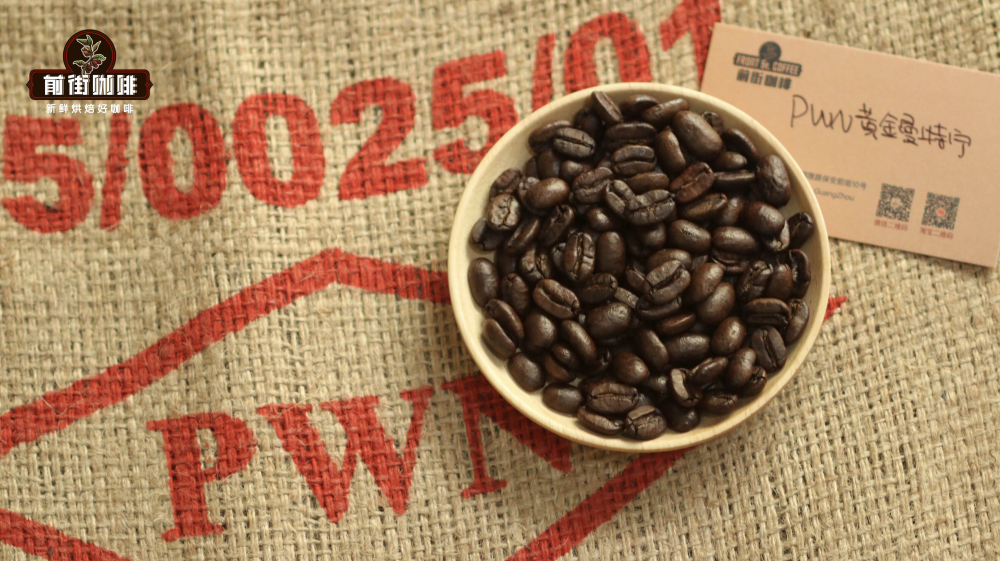
A representative example is Golden Mandheling from Indonesia, often used to show how grind size, water temperature, ratio, and a three-stage pour shape the cup. The vocabulary of coffee flavor grew alongside the specialty coffee movement, so describing a dark roast well means naming layers of aroma and mouthfeel instead of falling back on a single word like mellow.
When the specialty coffee wave has made light roast flavor descriptions flow as smoothly as reciting a menu, the tasting of dark roast coffee often falls into an awkward loss for words—nuts and chocolate seem to have become universal labels for bitter coffee, and a single word "mellow" is treated as the highest praise. In fact, the bitter flavor profile of dark roast coffee is also composed of both aroma and taste. When tasting, it is not only necessary to use the tongue to perceive it, but also to rely on the nasal cavity to capture those overlooked layers of aroma. Starting from the brewing practice of Front Street Coffee, this article systematically sorts out the flavor sources and mouthfeel expression of dark roast coffee, and takes the most representative Front Street Indonesia Golden Mandheling as an example to break down in detail the grind size, water temperature, coffee-to-water ratio, and three-stage pouring technique, helping you brew a cup of sweetly fragrant, mellow, and full-bodied dark roast pour-over at home.

The discourse system of coffee flavor was actually gradually established only with the rise of the specialty coffee concept. Nowadays, when drinking a light roast bean, casually saying a few sets of flavor words is no longer difficult, and some people can even recite a long string of flavor descriptions as fluently as a tongue twister.
However, when facing dark roast coffee, flavor expression becomes less easy. Many times we search high and low for the right words and still cannot find them, and in the end can only bring out "nuts" and "chocolate" to save the day, as if this were the fixed answer for bitter coffee; while a single word "mellow" is默认 as the highest compliment for bitter coffee.
In fact, bitter flavor, like acidic flavor, is also built jointly by two parts: aroma and taste. Therefore, when drinking coffee with a prominent bitter taste, do not let only the tongue do the work; the aroma smelled by the nose is equally important. The bitter flavors in coffee mainly come from the caramelization reaction and Maillard reaction that occur during roasting. The deeper these two reactions proceed, the more pronounced the bitter profile becomes.
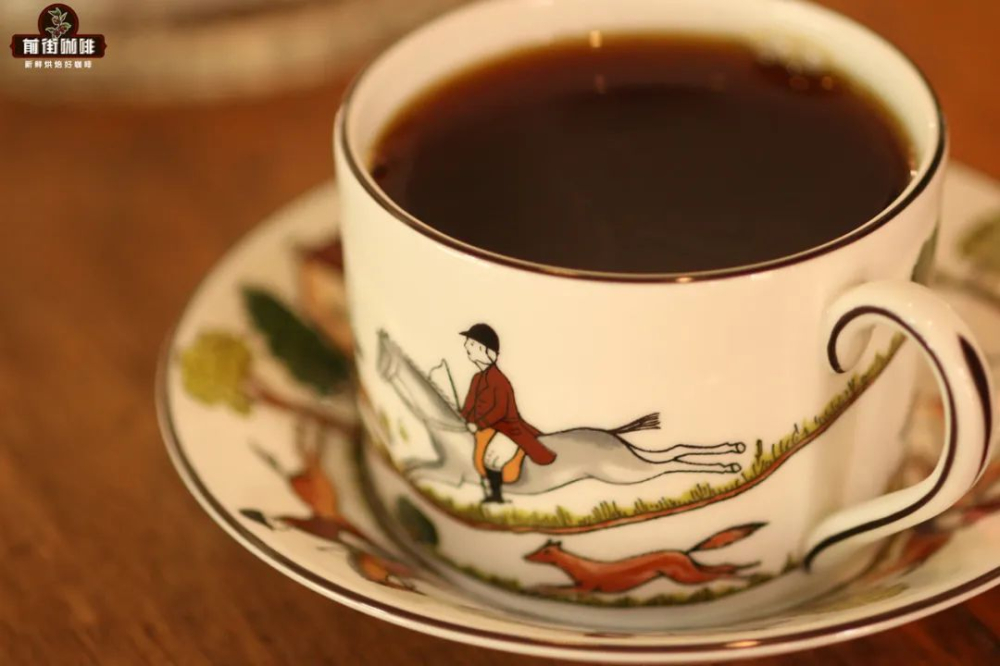
Having discussed flavor, let us now talk about mouthfeel. Many people unconsciously use "mellow" to describe the comfort a cup of bitter coffee brings. Here, "mellow" points to the excellent mouthfeel experience possessed by dark roast coffee, making one feel satisfied after drinking it. Of course, words such as rich, full, and smooth can also be used to express a similar feeling.
When customers say they want to drink "coffee that is not sour," the baristas at Front Street Coffee usually point directly to several "bitter coffees" on the blackboard: Front Street Indonesia Golden Mandheling, Front Street Brazil Queen's Estate, and Front Street Papua PGN Bird of Paradise. These three beans are the most representative. But if you want to fully brew their essence—sweet aroma and mellow texture—special attention must be paid to parameter settings and technique details. Below, Front Street takes the most popular Front Street Golden Mandheling as an example to demonstrate step by step how to brew a good taste:
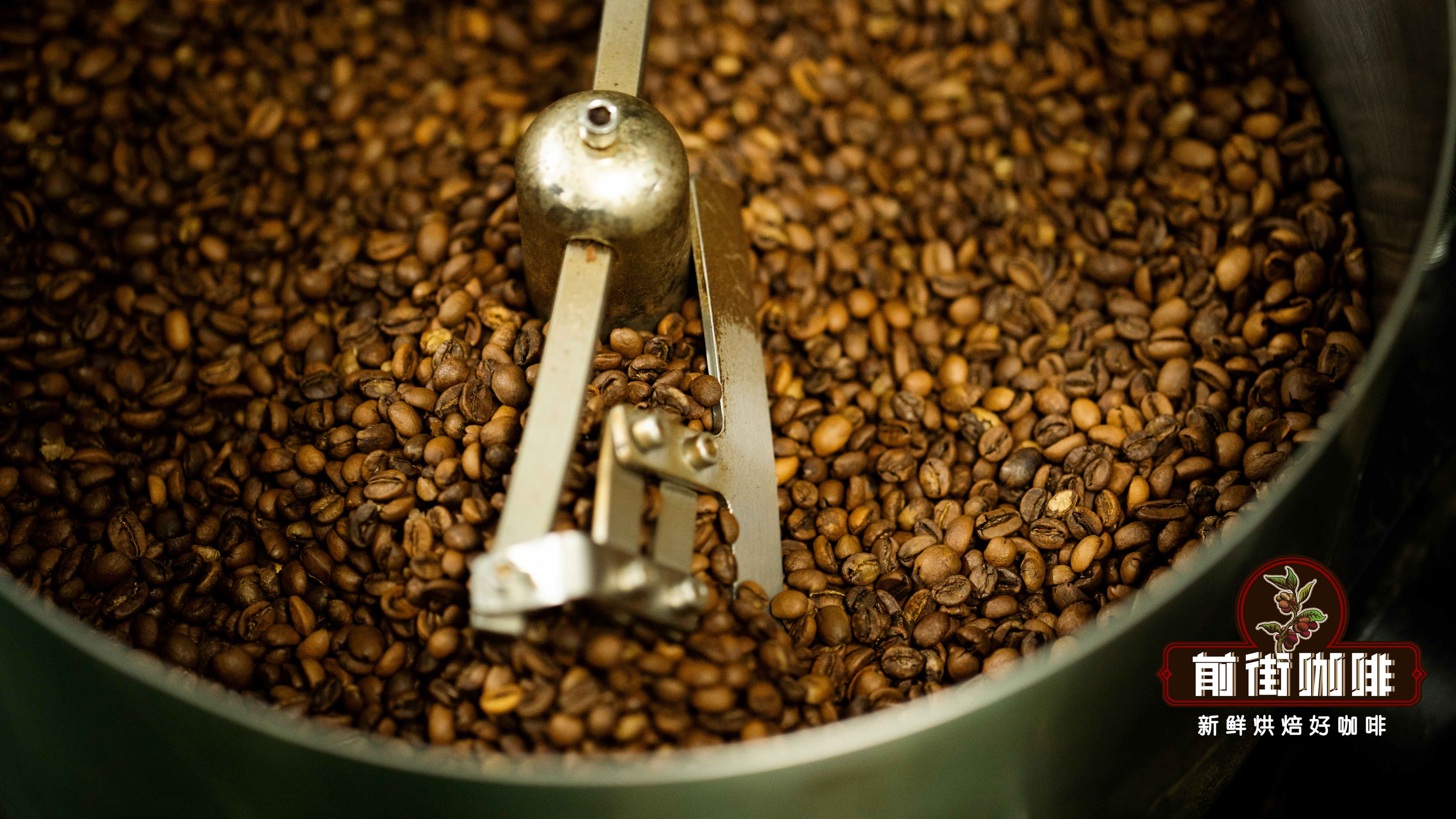
Dark roasting makes the internal structure of coffee beans loose, so they crumble with a gentle pinch of the hand, which means that after being ground into powder they have a strong water-absorbing capacity. In order not to let the coffee grounds release excessive bitter substances after absorbing water, Front Street's approach is to adjust the grind coarser and brew with a relatively lower water temperature.
The degree of grinding has an extremely critical impact on coffee taste. After coffee beans are ground into powder and come into contact with hot water, a large amount of soluble flavor substances is released. When adjusting the grind size, Front Street uses a tool—China No. 20 0.85mm standard sieve. For medium-light roast beans, Front Street usually controls the passing rate at 75–80%; for medium-dark roast beans, it falls at 70–75%. Compared with light roast coffee, the internal structure of medium-dark roast Mandheling beans is looser, the water absorption effect is stronger, and large-molecule bitter substances are more likely to escape. In order to avoid over-extraction, Front Street selects a grind size with a 70% passing rate through a No. 20 standard sieve.
The effect of water temperature on extraction is similar to that of grind size: the higher the water temperature, the higher the extraction efficiency, the easier it is for various substances and components to dissolve out, and the concentration also rises accordingly. If water close to boiling is used for brewing, unpleasant bitterness and astringency are easily brought out. Therefore, when brewing medium-dark roast beans, Front Street uses parameters different from those for light roast beans. Medium-dark roast beans undergo a more complete caramelization reaction than light roast beans, and caramelized bitter large-molecule substances are more easily released. In order to avoid too many miscellaneous flavors, Front Street appropriately lowers the water temperature: the brewing water temperature for light roast coffee is 91–93°C, while for medium-dark roast coffee beans Front Street recommends 87–88°C.
Recommended brewing water temperature: 87–88°C
Coffee grounds: 15g
Coffee-to-water ratio 1:15
Grind size: medium-coarse grind (70% passing rate through China standard No. 20 sieve)
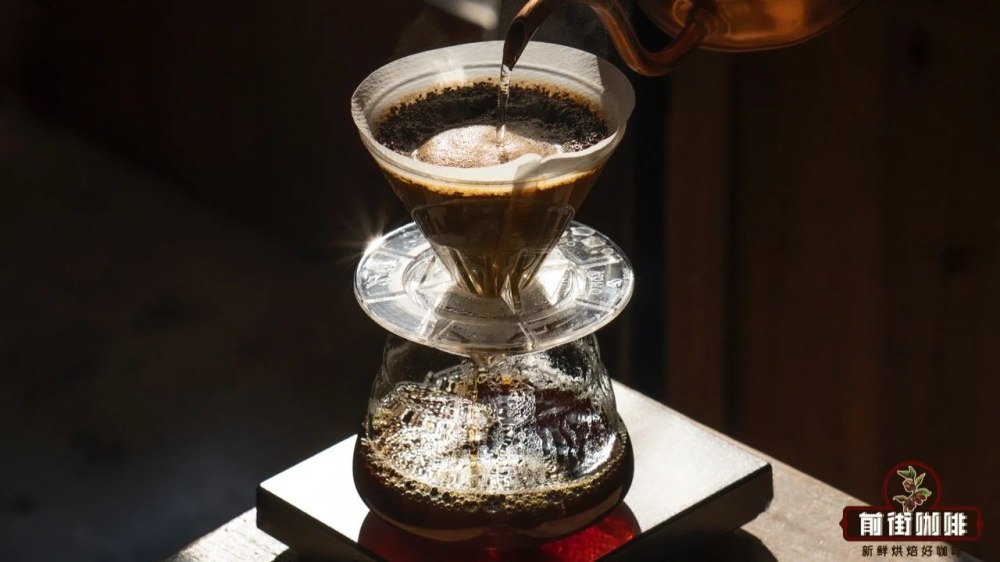
The brewing technique uses three-stage pouring. Pouring in three stages can better present the mellow mouthfeel and caramel sweetness of Golden Mandheling.
For the first stage, pour 30ml for blooming, with the purpose of wetting all the coffee grounds, letting them degas, and paving the way for the subsequent extraction of flavor substances. For the second stage, pour 100ml. This stage is mainly to bring out Mandheling's golden foam while raising the coffee bed.
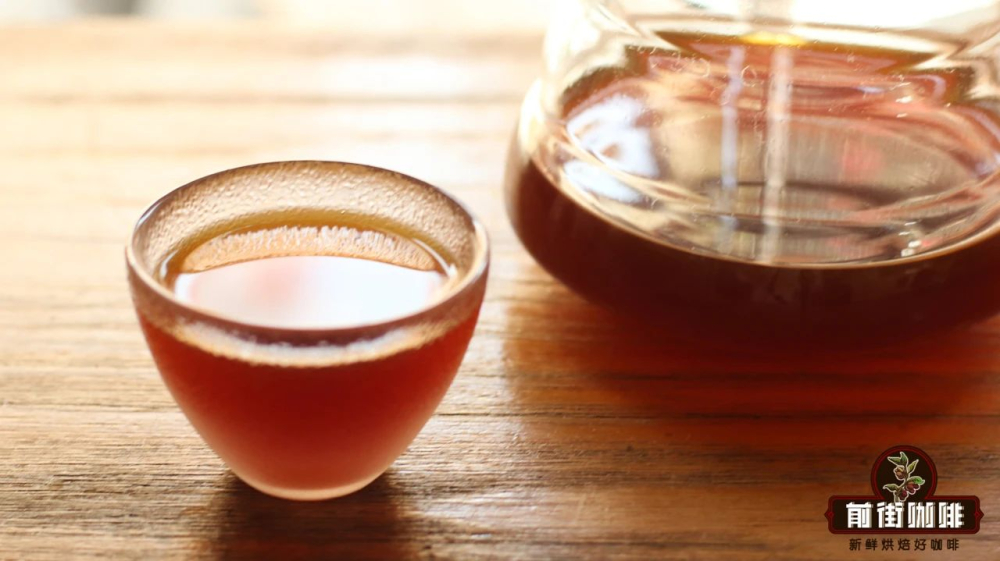
For the last stage, pour 95ml in a gentle centered pouring manner. This can enhance the coffee's sweetness, presenting an overall thick and mellow mouthfeel, as well as a flavor interwoven with caramel sweetness, chocolate, and nuts.
The above content is compiled by CoffeeHunters, a coffee news website.


