







Starbucks's Gentle Notice Highlights Coffee Shop Tensions
When a nearby Mixue Bingcheng flagship store drew crowds of fans, a Hangzhou Starbucks became a resting spot for them. Rather than demanding purchases or asking them to leave, staff posted a notice simply reminding visitors to place trash in the bin when unwrapping packaging. The wording avoided prohibitions, and netizens called it cautious and dignified. The incident shows how coffee shops balance customer experience with public perception, especially when non-buying visitors occupy seating and increase cleaning work for employees.
This situation reflects broader coffee culture tensions in busy retail areas. Stores want to remain welcoming, but they also depend on turnover and a comfortable atmosphere for paying customers. A gentle reminder can protect that environment without creating conflict or bad publicity. For coffee shops, the challenge is finding language that guides behavior while respecting everyone in the space, even when the crowd arrives for reasons unrelated to the coffee itself.
After the Hangzhou Mixue Bingcheng flagship store opened, a large number of fans went to check in, and the nearby Starbucks store became a place for fans to rest and organize their spoils. Faced with passersby who occupied seats without consuming anything, Starbucks did not forcefully drive them away, but instead posted an extremely gentle notice reminding them to help put trash into the bin when unwrapping packaging. This notice, which contains no words like "please do not" or "prohibited" throughout, was called by netizens a "cautious in every word" and dignified reminder. Behind the incident is the dilemma coffee shops face between maintaining the consumption experience and avoiding public opinion risks.
▲
Click to follow | Daily specialty coffee culture magazine Coffee Workshop
Recently, a netizen shared on social media a photo of a notice board inside a Starbucks store in Hangzhou, which quickly attracted a large number of onlookers and discussion.
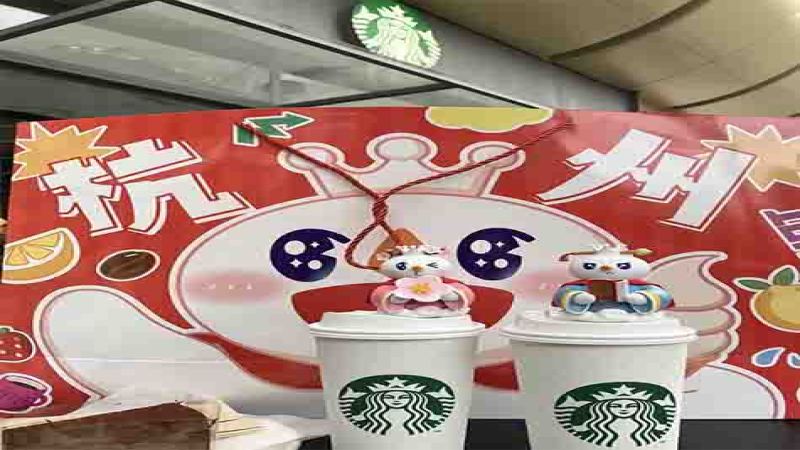
Judging from the post's accompanying images and descriptions by local netizens, the Mixue Bingcheng Hangzhou flagship store opened recently and attracted a large number of fans to check in and buy brand merchandise. This Starbucks store, not far from the flagship store, became a stopping point for fans after they finished exploring the store, and many would rest inside and organize their "spoils."
Regarding these passersby who briefly occupied seats in the store, Starbucks staff did not bring out phrases like "seating requires a purchase" to refuse Mixue Bingcheng customers entry, but said they had noticed the situation and reminded users: "If you produce trash while unwrapping packaging, we would trouble you to help us put the waste into the trash bin."
Interestingly, this notice in black and white did not contain words such as "please do not" or "prohibited." Its tone was gentle throughout, and in the eyes of some people, "every word was cautious," immediately prompting many onlooking netizens to exclaim that it was "a very dignified reminder."
While lamenting the euphemistic and gentle wording of this notice, a consumer who had recently visited the store revealed that when the Mixue Bingcheng flagship store first opened, this notice did not appear in the Starbucks store. It may have been that during this period more people in the store occupied seats and unwrapped merchandise packaging, affecting customers in the store and increasing cleaning work for employees, which led the store to have to use this method to maintain the store's environment and atmosphere.
Some consumers shared phenomena they had witnessed in Starbucks stores, saying, "A group of middle school students bought a few cups of Mixue Bingcheng and went to Starbucks to occupy a large table and play Honor of Kings," "I saw two girls bring a big tray of self-heating grilled fish to Starbucks to eat," and "The day before yesterday I went to Starbucks wanting to sit and drink a cup, and from ordering to having it made, there was really not a single seat." They said bluntly that this kind of behavior of not consuming anything but occupying empty seats in the store and "doing whatever they want" would disturb other people who were actually consuming.
So in their view, "business premises should require a purchase to sit." Many people believed staff could go up and remind or persuade those passersby who brought a negative impact to the store's atmosphere and environment to leave, so that other users could have a good in-store experience. "Starbucks not chasing people away really affects normal paying customers," and "There should be purchase-based seating, giving consumers back some peace and quiet."
However, in fact, the "purchase-based seating" that most people support is very difficult to enforce firmly in stores. Some people pointed out that when staff see passersby entering and sitting down with competitors' drinks without buying anything, they worry that going up to remind or stop them will offend them and bring relatively bad online public opinion to the brand and store.
Therefore, some staff helplessly chose to compromise and adopt a middle-ground approach, either giving Starbucks cup sleeves for customers to put over takeaway cups to cover competitors' logos, or, like the Hangzhou store, using a gently worded notice to euphemistically remind other brands' fans to clean up the trash after unwrapping packaging.
Image source: Xiaohongshu
Disclaimer: Some images in this article are from the internet. For some content on the website, such as images, we will respect the original author's copyright and indicate the source. However, due to the large quantity, a few images and texts may not have been credited in time. Please understand. If the original author has any disputes, they may contact the website for handling. Once verified, we will correct it immediately. Compiled and edited by "Coffee Workshop." Please indicate the source when reposting. If there is infringement, please inform us for deletion. Thank you ~ !
The above content is compiled by CoffeeHunters, a coffee news website.


