







Search Results for: acidity
Fruity-acid flavored coffee beans recommendation | What are the pour-over black coffee flavor characteristics of medium-light roasted coffee? Where does the acidity in coffee come from?
On ordinary days, behind the bar, you get to meet all kinds of customers. Quite a few of them are not used to coffee beans that are on the acidic side. Usually, the coffees with pronounced acidity are those that are roasted lighter, and indeed some lightly roasted coffees have an acidity that is hard to accept. So customers naturally form the impression that cof [more…]

Coffee Flavor | What does "bright" mean in the context of bright coffee acidity? Which coffee beans produce pour-over coffee with bright acidity?
When evaluating a cup of coffee, we use various adjectives to describe its texture, so that the information others receive can be more vivid and three-dimensional. For example, when describing the mouthfeel of coffee, words like smooth and full-bodied are used to express the tactile experience of the coffee in the mouth; or when describing the aroma of a cup of coffee, [more…]
Light Roast Pour-Over Single-Origin Bean Recommendations | Why Is Light Roast Coffee Sour? Which Light Roast Beans Have Sweet, Fruity, and Floral Flavors in Pour-Over Coffee?
On ordinary days, I get to meet all kinds of customers behind the bar, and quite a few of them are not used to coffee beans that lean sour. Usually, the coffees with strong acidity are those that are roasted lighter, and indeed some lightly roasted coffees have a sourness that is hard to accept. So customers naturally form the impression that cof [more…]
Introduction to Coffee Acidity | Is Dark Roast Less Acidic Than Light Roast Coffee Beans? Which Single-Origin Pour-Over Coffee Beans Are Recommended for Being Tasty and Not Sour?
The acidity in coffee beans does not refer to pH value, but is one of the basic taste characteristics that, together with body, aroma, sweetness, bitterness, and aftertaste, make up the overall flavor. Acidity is generally related to the roast level of the coffee beans and is also somewhat connected to the flavor of their growing region. Many people do not accept coffee that is too acidic because they find the taste too harsh. So [more…]
Pour-Over Coffee: Should You Choose Acidic or Non-Acidic Beans? Understanding the Two Flavor Camps at a Glance
First-time buyers of pour-over coffee beans often find themselves stuck in a dilemma: should I buy something acidic, or something not acidic? In fact, there is no standard answer to this question. The fun of pour-over coffee is that different beans can present completely different styles. Some people love the bright, lively notes of floral and fruity flavors, while others love the warm, solid comfort of the rich, full-bodied camp. The key [more…]
Acid-sensitive coffee lovers, gather up! A few non-acidic coffee beans you can buy with your eyes closed.
Is there anyone like me whose biggest fear when drinking coffee is "sourness"? You just want a rich, fragrant cup to perk yourself up, but one sip of that fruity acidity sends you running. Don't worry—there are actually plenty of good beans that aren't sour. As long as you pick the right direction, you can drink a mellow, smooth cup every day. To choose beans when you're afraid of sourness, just remember two key words. [more…]
How to Choose Coffee That Isn't Sour? Understand the Principles to Pick Beans Without Pitfalls
Many friends who dislike acidic coffee have had this experience: they order based on online recommendations, only to brew a cup with a fruity sour taste, and it completely ruins their mood. What exactly determines whether coffee is sour or bitter? How can you choose to avoid sourness? This article explains it all at once. The sourness and bitterness of coffee mainly depend on these factors: roast level. [more…]
The acidity in SOE Americano is hidden in the roasting curve.
SOE americano is not a fixed flavor—whether it tastes "sour" depends first on how dark the coffee beans are roasted. Light roasts preserve more of the origin's natural fruit acidity and floral notes, medium roasts pull sweetness, body, and acidity into a more balanced position, and dark roasts move toward cacao, nuts, and caramel. If you want something smooth and easy to drink, start with the roast level. [more…]
How to Choose Pour-Over Coffee If You Don't Like Acidity? Recommendations for Full-Bodied Beans
Not all coffee lovers enjoy acidity. Some people, after drinking specialty coffee for years, ultimately return to a cup of mellow, warm, non-irritating pour-over coffee. Beans of this style usually feature notes of nuts, cocoa, caramel, dark chocolate, herbs, and even a faint earthy aroma, going down smoothly with a long, sweet finish—especially suit [more…]
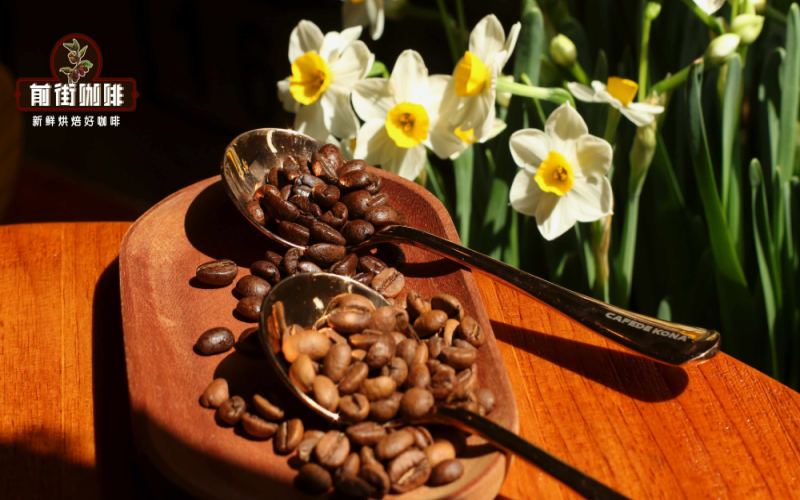
Where Does the Sourness in Coffee Come From? A Guide to Light and Medium Roasts and Five Recommendations for Single-Origin Beans with Floral and Fruity Notes
Many people feel puzzled the first time they taste coffee with acidity: is coffee being sour actually a good thing? In fact, acidity is an extremely important flavor dimension in specialty coffee. Especially in medium-light roasted beans, floral and fruity aromas often come hand in hand with bright acidity. Because dark-roasted beans undergo sufficient caramelization, bitterness dominates and the floral and fruity notes are masked instead. Light roast is dropped between the middle of first crack and the end of first crack, retaining more organic acids, with prominent acidity and rich aroma layers; medium roast, by contrast, has higher sweetness and more restrained acidity. Starting from roast level, this article will explain the causes of acidity and then introduce five representative single-origin coffees with floral and fruity aromas one by one—Front Street Coffee Gutingding, Front Street Coffee Kenya Little Tomato, Front Street Coffee Geisha Blend Strawberry Candy, Front Street Coffee Colombia Big Belly Button, and Front Street Coffee Butterfly—to help enthusiasts choose beans precisely based on flavor descriptions. [more…]

Mildly Acidic Yirgacheffe Recommendations: Balancing Budget and Drinking Frequency
A Yirgacheffe with soft acidity is suitable for gradually building judgment from taste experience. When buying beans for daily use, you need to consider how quickly you drink them, how much to buy at once, and whether you mainly make black coffee or milk coffee at home. The flavor words on the packaging can provide clues, but they cannot replace the actual drinking experience—whether the acidity is soft, whether the sweetness persists, and the mouthfeel [more…]
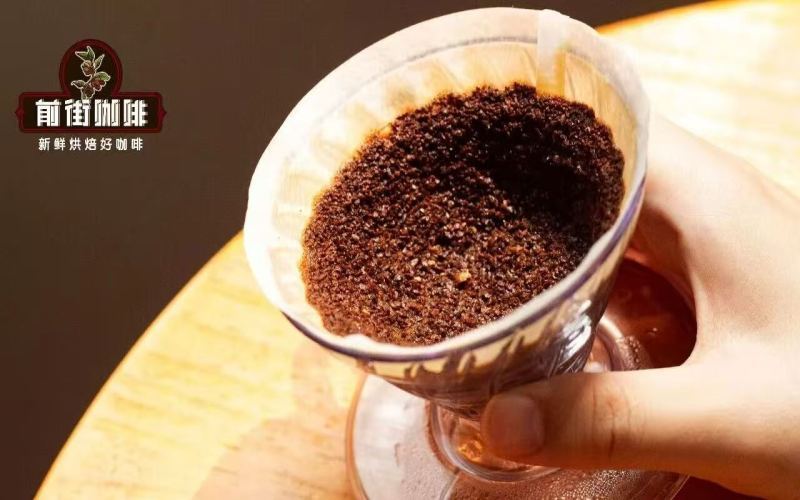
Beginner's Guide to Light Roast Fruity and Floral Acidic Coffee Beans
If you enjoy tea, juice, or if your impression of coffee is stuck on "bitter," then light-roast floral and fruity acidic coffee beans will likely open a new door to understanding coffee. Light-roasted beans preserve the coffee's original floral and fruity aromas and bright acidity, tasting refreshing, clean, and layered. It's not the kind that jolts you so [more…]
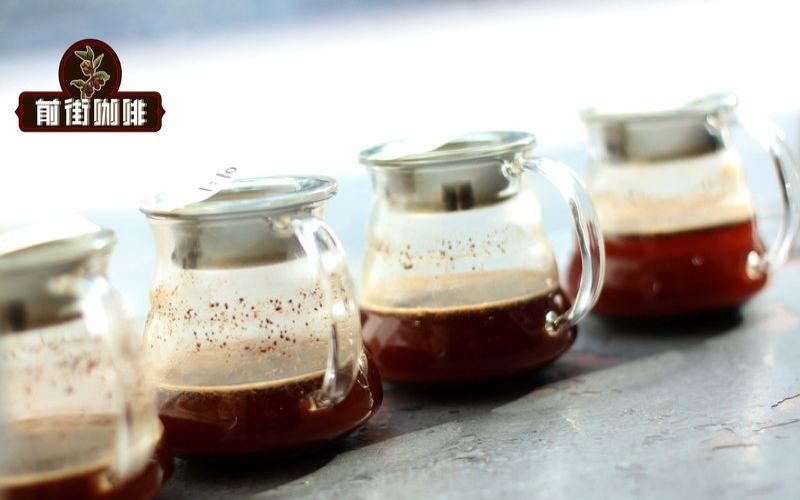
How to Choose a Non-Acidic Yirgacheffe: Judging Flavor by Roast Level
If you want a cup of Yirgacheffe with a soft, gentle acidity, the roast level is usually more worth checking first than the region name. Yirgacheffe often has citrus, floral, and tea-like notes; when lightly roasted, its acidity is brighter, and it also tastes refreshing as it cools. If you prefer a rounder coffee with pronounced sweetness, you can narrow your choices to medium or medium-dark roasts, and then based on your [more…]
Choosing Coffee for Family and Friends: Two Low-Acid Beans That Elders and Acid-Sensitive Drinkers Will Love
Want to give your parents or acid-sensitive friends a bag of coffee beans, but find yourself overwhelmed browsing e-commerce pages? Gifting is scarier than drinking it yourself—if the taste doesn't match, even the most expensive beans go to waste. Today, following the "mass acceptance first" standard, I recommend two low-acid, smooth, easy-to-drink beans, with brewing methods suited to different equipment. [more…]
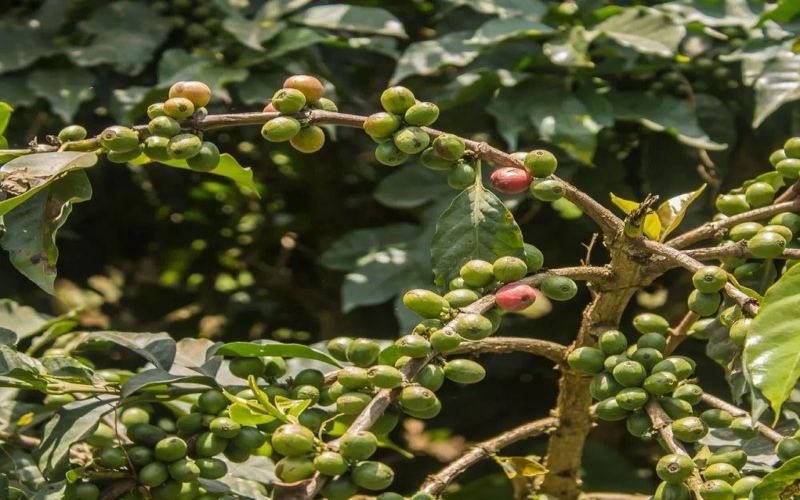
How to Choose Between Sweet and Sour Balance: Looking at Coffee Beans from Light Roast to Dark Roast
A coffee bean with balanced acidity and sweetness is not simply a matter of adding sourness and sweetness together; rather, it has a bright sensation on entry, followed by a soft sweetness, with a finish that is neither sharp nor astringent, and is not overpowered by bitterness. The roast level changes how this balance is expressed: light roasts lean toward aroma and fruity acidity, medium roasts toward rounded sweetness, while dark roasts use caramel and cocoa [more…]
The Darker the Roast, the Less Acidic? A Guide to Choosing Beans for Pour-Over
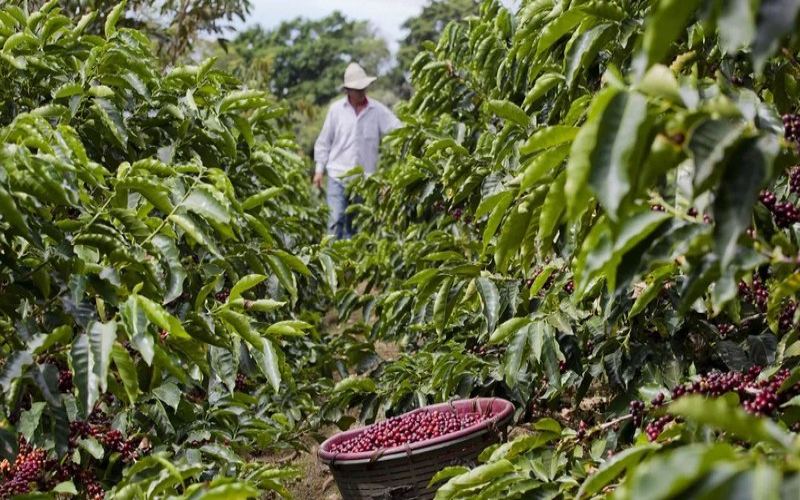
If you want your pour-over coffee to have less sharp acidity, roast level is a very practical starting point. Light roasts usually retain more of the origin's character, with fruit acidity and floral notes more pronounced; as the roast gradually darkens, the flavors shift toward caramel, nuts, cocoa, and roasted aromas. For those who prefer a rounder mouthfeel, medium to medium-dark roasts are often more [more…]
The Meaning and Core Principles of Coffee Roasting: A Complete Analysis of the Transformation from Green Beans to Rich, Aromatic Flavor
Roasting is the key step that transforms coffee beans from bland green beans into the rich aroma in your cup. During roughly twenty minutes of high-temperature treatment, the starches inside the beans convert into sugars and acidic substances, moisture and carbon dioxide escape, and proteins and fats combine to form an oily film on the surface, accompanied by the cracking sounds of first crack and second crack. Chlorogenic acid gradually dissipates, releasing pleasant fruit acids such as acetic acid, citric acid, and malic acid. Different roasting levels produce beans of varying darkness; charcoal-burned coffee is the typical example of a deep French roast, and its bitterness comes mostly from carbonization rather than just caffeine. When roasted properly, the beans expand evenly, with a smooth surface and consistent gloss, which is what allows coffee to show its ultimate character. Front Street Coffee believes that mastering the principles of roasting is an important foundation for brewing good coffee. [more…]
Kenya Double Washed Explained: The Bright Acidity in the Fermentation Tank
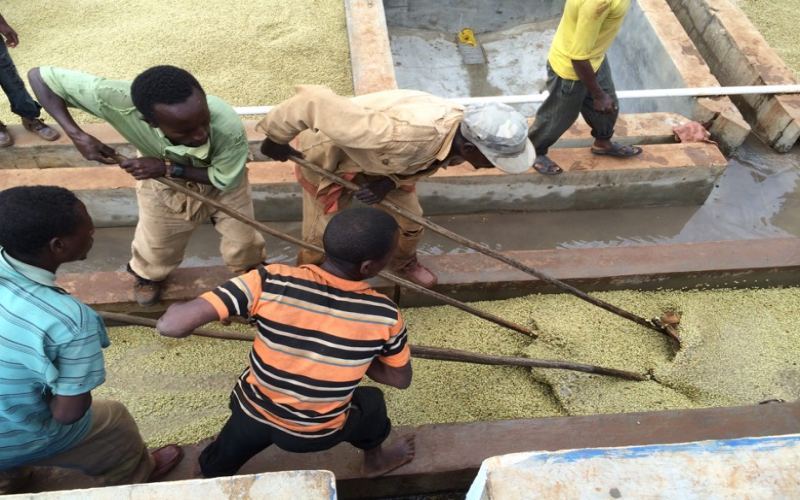
If you had to trace the "Kenyan taste" back to its processing origins, the answer would most likely point to double washing. This method, known locally as K72, polishes the fruit acidity of Kenyan coffee until it is bright, solid, and yet still clean. Once you understand double washing, you understand where the signature juicy quality of Kenyan beans comes from. Double Washing [more…]
Choosing Non-Acidic Pour-Over Beans by Roast Level: From Medium to Dark Roast
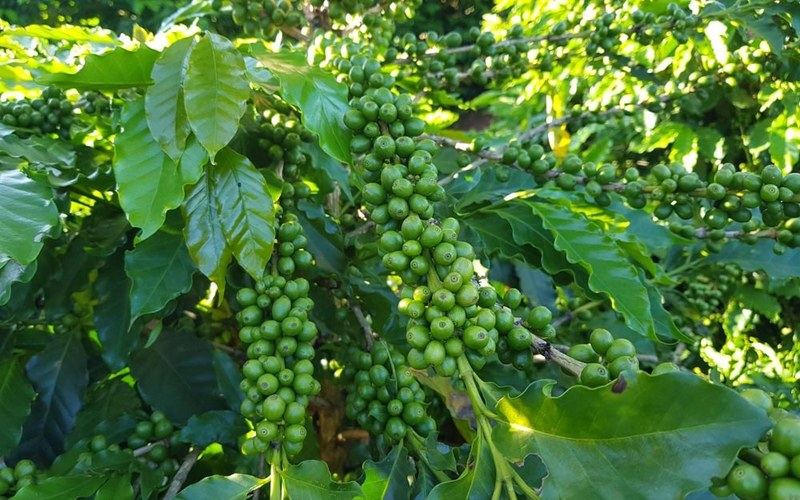
Pour-over coffee doesn't only express bright fruity acidity. If you prefer a soft, easy-drinking cup with nutty or cocoa notes, you can start by choosing beans from three directions: medium roast, medium-dark roast, and dark roast. The darker the roast, the more the acidity usually recedes, and the flavors gradually shift toward caramel, roast, chocolate, and nuts, making them suitable for breakfast, [more…]
Is SOE Americano sour? Pick beans that suit your taste by roast level
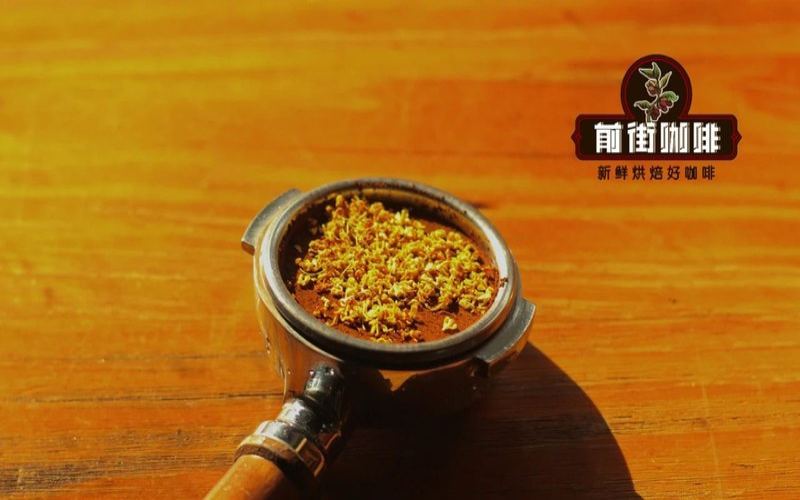
Whether an SOE americano is acidic or not cannot be judged simply by the word "single origin" on the menu. SOE refers to espresso made from single-origin or single-batch coffee beans, and its flavor amplifies the regional characteristics of the beans. When the roast is on the lighter side, citrus, berry, and floral notes are more likely to come through in the cup; as the roast gets darker, the acidity recedes, and caramel, [more…]