








Long Drink Names and Their Effect on Buyers
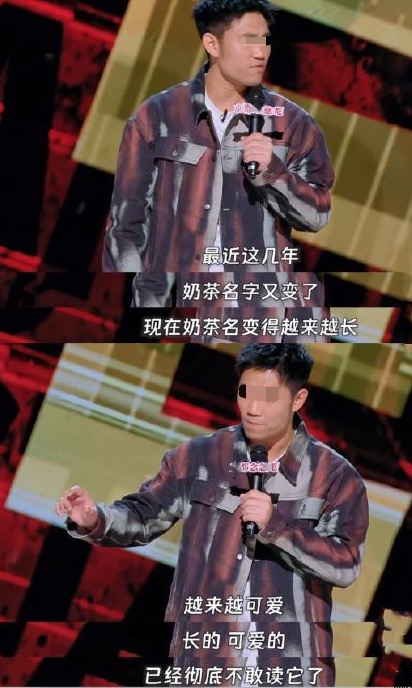
Milk tea product names have stretched past 30 characters, mixing ingredients, homophones and repeated syllables into a single label. A stand-up routine by Zhai Jianing about these names set off wide discussion online, with many people saying they cannot remember or pronounce what they ordered. The recognized longest name runs 37 characters, essentially the full ingredient list printed as the product title.
Brands argue the wording helps customers see what is inside and avoids disputes over accidental consumption, as with a drink listing polygonatum, ginseng, cistanche and cordyceps extracts. Critics call it a bid for young buyers' attention. Similar patterns show up in the wider drink world, where shops invent other names for coffee to stand out on a crowded menu.
In recent years, the names of milk tea products have continuously broken length records, ranging from a dozen characters to over thirty, with even large numbers of reduplicated words and homophonic combinations appearing. Stand-up comedian Zhai Jianing complained on a show about the lengthy names of milk tea, sparking widespread discussion among netizens. Some shared the ultra-long milk tea names they had seen, some said they could not remember or pronounce them, and others believed this was a strategy brands adopted to attract Gen Z consumers. Why has milk tea naming gone to extremes? What is consumers' attitude toward this? This article sorts out the marketing logic and market controversy behind the milk tea naming phenomenon, and explores the relationship between drink quality and naming.
"The milk tea name is so long that I thought my astigmatism had come back."
Recently, stand-up comedian Zhai Jianing joked on a show that milk tea product names are getting longer and longer, and this bit quickly triggered a large amount of discussion and resonance among netizens on social platforms.
The "Cheese Strawberry Mango Peach Tea" mentioned by Zhai Jianing prompted many people to dig up the longest milk tea names they had ever seen. Some shared the 17-character "Avocado Kale Plant Molecule Oat Bursting Boba Yogurt," while others listed the 22-character "Peruvian Black Maca Oyster Cistanche Polygonatum Deer Penis Ginseng Tieguanyin Jersey Milk."
After netizens' relay-style stocktaking, the currently recognized longest milk tea name has reached 37 characters: "Turn the Tables PlanA [Standard Edition] Cistanche Ginseng Polygonatum Goji Berry Cordyceps Militaris Deer Penis Maca Yam Taurine (Red Bean Red Heart Dragon Fruit Flavor)."
This is almost equivalent to stuffing the entire ingredient list into the product name. Could it be that they want customers to be able to tell what ingredients are inside just by looking at the name, thereby avoiding disputes caused by accidental consumption?
Take the above Blueglass example: its ingredients indeed include Polygonatum extract, ginseng extract, Cistanche extract, Cordyceps militaris extract, deer penis extract, oyster peptide, taurine, and goji berry, among other components.
Impossible to remember. A netizen shared that right after placing an order, when a friend asked what they had ordered, they went back to the order page to look again, and still could not remember.
There are also some milk tea names that, although not particularly long in character count, are especially fond of using reduplicated words, such as "Bobo Crunchy Sweet Mango Mango Berry Berry" and "Lonely Lonely Dudu." They sound very cutesy when read, giving people goosebumps. The former can at least be vaguely guessed to be a cup of bubble tea, while the latter gives no clue that it is a sparkling tea.
So why are these increasingly absurd milk tea names—long, full of reduplicated sounds, and even embarrassing to say out loud when ordering—becoming more and more popular in the tea beverage industry?
Some customers said they love trying all kinds of new products, especially drinks with more unusual names, and sometimes they really do get to taste something different. Some industry insiders also pointed out that drinks with cute names tend to be more popular among female consumers.
Brand expert Zhan Junhao said in an interview with China News Service's Jingwei reporter that from a marketing perspective, milk tea names becoming longer and harder to understand is a strategy adopted by tea beverage brands to compete for consumer attention, strengthen product differentiation, and increase brand memorability.
Zhan Junhao explained: "Long names usually contain product features, taste descriptions, or cultural connotations, and can stimulate consumers' curiosity and desire to buy. The core consumer group for milk tea is Gen Z young people, and this group indeed favors strange and quirky names—their online handles are like that too."
However, some netizens were not buying it and said they would avoid drinks with this kind of naming. "If I can't tell what this drink is within four or five characters, I won't drink it at all." "I skip right past names like this." "Even drinking a milk tea requires reading an ultra-long name—it looks just like the title of my unfinished thesis. Better not to order it."
Other netizens believed that merchants racking their brains only over drink names and pursuing novelty precisely showed that the products lacked core competitiveness in the market and could only rely on excessive exaggeration to grab momentary attention. What they fail to realize is that the quality and taste of the drink are the key factors determining whether consumers are willing to keep paying for it.
Image source: Internet
The above content is compiled by CoffeeHunters, a coffee news website.


