







Search Results for: pour-over coffee temperature
What Are the Flavor Differences Between Cold Brew and Pour-Over? Cold Extraction Has Higher Caffeine—Front Street Coffee Teaches You How to Choose Beans
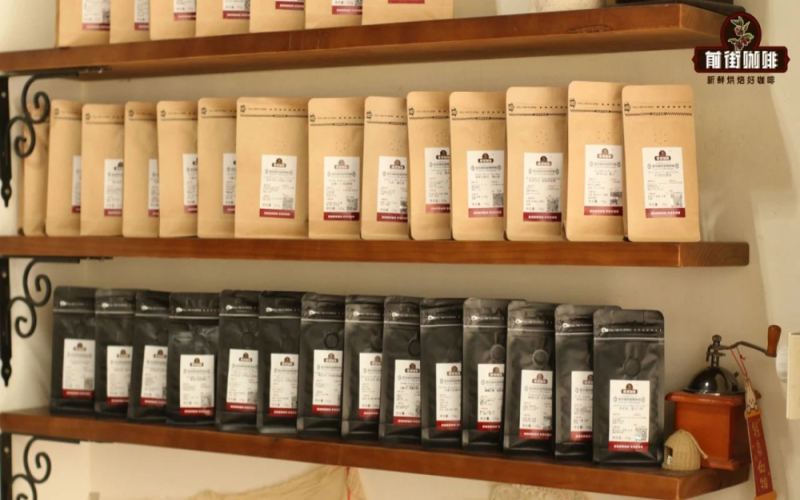
Why do the same coffee beans taste so completely different when made as cold brew versus pour-over? The key lies in the extraction temperature. Pour-over uses hot water to quickly release the coffee's rich aromas and layers, while cold brew relies on a long, low-temperature steep, delivering a sweet, crisp, and refreshing taste—though with slightly less fullness of flavor. Low-temperature extraction also reduces bitter compounds, but it also results in a higher caffeine content. Using Front Street Coffee's light-roast washed Yirgacheffe Geddid as an example, we compare hot pour-over, cold brew, and iced pour-over to analyze why the flavors differ, and offer coffee bean recommendations suitable for home cold brew and pour-over. [more…]
Hand Brew vs. Cold Brew: How Extraction Temperature Affects Flavor and Bean Selection
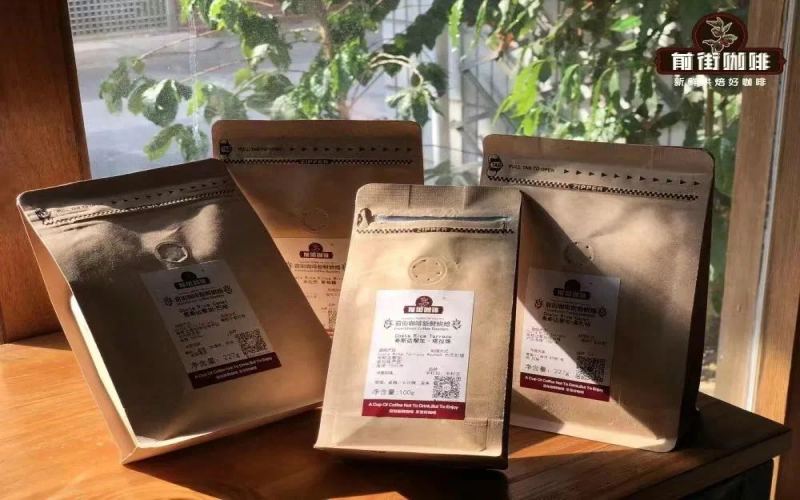
Why do the flavors of the same coffee beans differ so dramatically when brewed as pour-over versus cold brew? From the perspective of Front Street, this article systematically sorts out the core differences between high-temperature pour-over and low-temperature cold brew in terms of extraction principles, flavor expression, and suitable bean types. The article covers a comparative tasting of three methods—hot pour-over, iced pour-over, and cold brew—analyzes the effect of water temperature on the dissolution sequence of acids, sweetness, bitterness, and other substances in coffee, and provides recommendations for coffee beans suited to both brewing methods, including specific Front Street products such as Guodingding, Huahudie, Strawberry Candy, and Huakui, helping coffee enthusiasts easily make their ideal cup at home. [more…]
Brewing Water Temperature | The Relationship and Difference Between Pour-Over Coffee Brewing Water Temperature and Coffee Flavor: How to Determine the Pour-Over Water Temperature
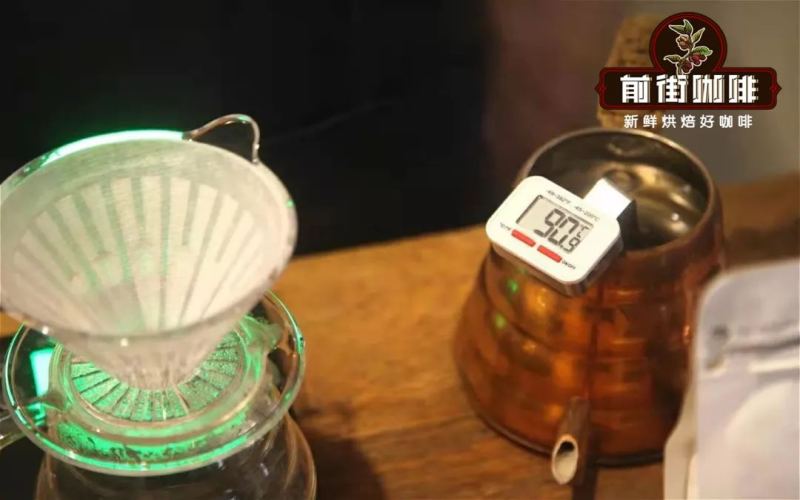
I wonder if everyone has heard this saying: pour-over is easy to get started with but hard to master. It means that anyone can brew coffee, but wanting to brew a delicious cup of coffee freely and according to your own vision is actually very difficult. There aren't many factors that affect pour-over coffee, and among them, water temperature is one of the four major elements of brewing. Hand [more…]

Same Beans, Different Taste? An In-Depth Analysis of the Extraction Differences and Flavor Comparison Between Cold Brew Coffee and Iced Pour-Over
Many coffee enthusiasts have wondered: why do cold brew and iced pour-over made from the same coffee bean taste so different? Front Street Coffee once conducted a comparative experiment with Huakui 8.0, and the results were surprising. This article will systematically analyze the core differences between cold brew coffee and pour-over coffee from the perspectives of extraction water temperature, extraction method, and concentration changes, explaining why low-temperature slow extraction brings a rounder acidity, a fuller body, and a unique fermented aroma, while high-temperature fast extraction retains richer aromatic layers. If you also want to understand the essential difference between these two brewing methods, read on. [more…]
Analysis of Flavor Differences Between Hot and Cold Pour-Over Coffee and the Optimal Drinking Temperature
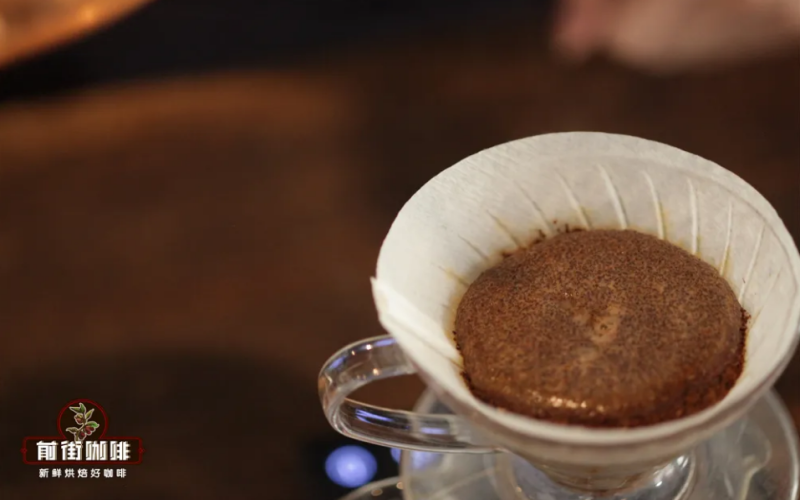
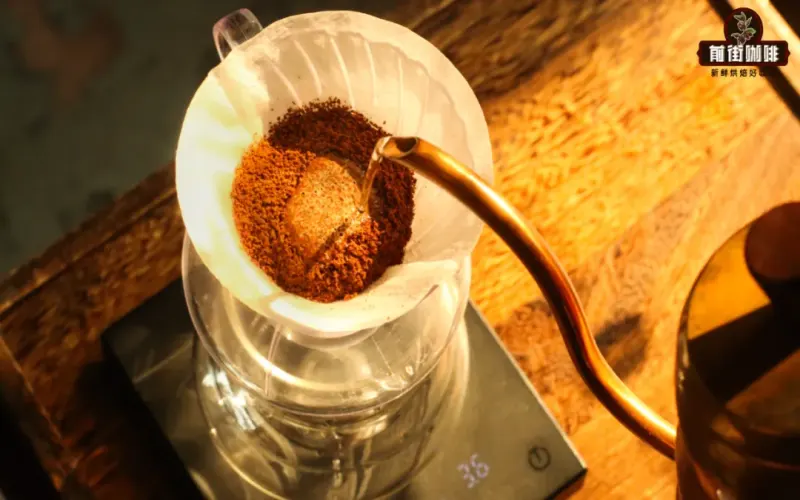
A cup of pour-over coffee reveals a completely different flavor perception at different temperatures. When hot, bitterness is suppressed and the sour-sweet notes stand out; at the medium-temperature stage, sweetness and the sweet aftertaste are at their fullest; once cooled, bitterness and acidity rise together while sweetness fades. Through comparative experiments, Front Street Coffee found that the reason hot pour-over has a more complete flavor comes down to ample water and full extraction. Iced pour-over, by contrast, requires less water and a finer grind to cool quickly, yet this easily brings out bitter, harsh off-notes from too many fines. Starting from parameter differences, experimental data, and tasting feedback, this article systematically explains why, if you want flavor, you should drink hot pour-over. [more…]
An Analysis of Flavor Differences Between Hot and Iced Pour-Over Coffee: A Professional Tasting Comparison from Temperature to Brewing Parameters
When buying coffee beans at a coffee shop or a Front Street location, many coffee enthusiasts ask the same question: for single-origin pour-over coffee, is it better hot or iced? Why is the flavor of hot pour-over coffee often more intense and prominent than iced pour-over? This article will start from the effects of coffee temperature on taste bud perception and aroma volatilization, deeply analyze why hot drinks make it easier to taste flavor, and at the same time explain the special adjustments in brewing parameters for iced pour-over—how operations such as reducing the amount of water, increasing the ratio of grounds to ice, and grinding finer affect the final flavor performance. The article also takes Front Street Ethiopia Huakui as an example, separately presenting a comparison of tasting results between hot brewing and iced brewing, to help readers fully understand the respective flavor characteristics and suitable scenarios of the two brewing methods. [more…]
Pour-Over Coffee Brewing Temperature | What Is the Best Water Temperature for Brewing Pour-Over Coffee? Does Brewing Water Temperature Have a Big Impact on Coffee Flavor and Mouthfeel?
For pour-over coffee, most people tend to use higher water temperatures for extraction, because high temperatures not only improve extraction efficiency but, more importantly, bring out a rich, sweet-and-sour aroma and flavor. Basically, the water temperature used for pour-over coffee is rarely below 80°C. So, if you brew coffee below this temperature, is there any [more…]
Pour-Over vs. Espresso and Americano: Flavor Complexity, Brewing Time, and a Front Street Coffee Bean Selection Guide
Both are black coffee, yet pour-over and Americano have completely different personalities. Pour-over uses a drip filtration method, allowing precise control of extraction through grind size, water temperature, and pouring technique, showcasing the layers of acidity and sweetness in coffee along with the flavor surprises brought by temperature changes; Americano, on the other hand, is made by diluting espresso with water, relying on rapid extraction under 9 bars of pressure, emphasizing body and clarity of flavor. At Front Street Coffee, in daily production, pour-over commonly uses PWN Golden Mandheling and Ethiopia Sidamo Natural Huakui 5.0, while Americano uses the Sunflower Warm Sun espresso blend of Natural Yirgacheffe blended with Honduras Sherry, with a dilution ratio of about 1:6. If time permits, pour-over takes 3-5 minutes and offers a soothing experience; when in a hurry, an Americano can be completed in just 1-2 minutes. This article provides a detailed analysis of the differences between the two, helping you make the right choice in a café. [more…]
Why Do the Same Beans Taste So Different? A Deep Dive into the Extraction Differences Between Cold Brew and Pour-Over Coffee
Many coffee enthusiasts at Front Street stores order both a cold brew and an iced pour-over made from the same beans, yet are often surprised by the huge gap in flavor between the two after drinking them. Why does the same coffee bean produce such an obvious difference in the resulting cup? This article will systematically sort out the core differences in brewing principles between cold brew and pour-over from multiple dimensions such as extraction water temperature, extraction method, and concentration differences, and combine a comparative experiment conducted by Front Street using Huakui 8.0 to help you understand the taste expressions brought by low-temperature slow extraction and high-temperature fast extraction, as well as the scientific logic behind these differences. [more…]
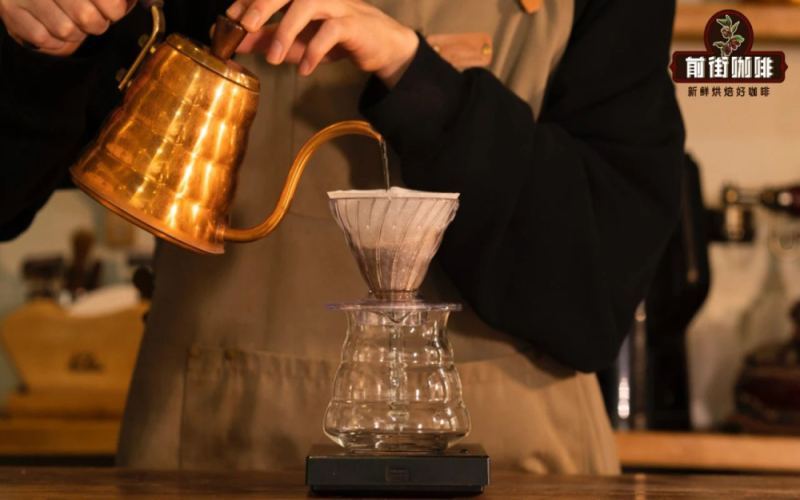
Ice Drip vs. Iced Pour-Over Coffee: A Flavor Comparison of Low-Temperature Slow Extraction and High-Temperature Fast Extraction
Ice drip coffee and iced pour-over coffee are often mentioned together, but the two differ significantly in extraction principles, flavor expression, and brewing process. Ice drip is a low-temperature slow extraction, while iced pour-over is a high-temperature fast extraction followed by cooling. Temperature greatly affects the breakdown rate of oils, acids, and sugars in coffee, thereby shaping distinctly different aromas, mouthfeels, and layers. From the perspective of Front Street Coffee, this article systematically sorts out the respective characteristics of high-temperature extraction and low-temperature extraction, and, using Honduras Sherry coffee beans as an example, records in detail the brewing parameters and flavor comparison of ice drip and iced pour-over, helping coffee enthusiasts more clearly understand the essential differences between the two kinds of iced coffee. [more…]

How to Choose the Water Temperature for Pour-Over Coffee? A Detailed Explanation from Dissolution Principles to Brewing Practice of Temperature's Influence on Flavor
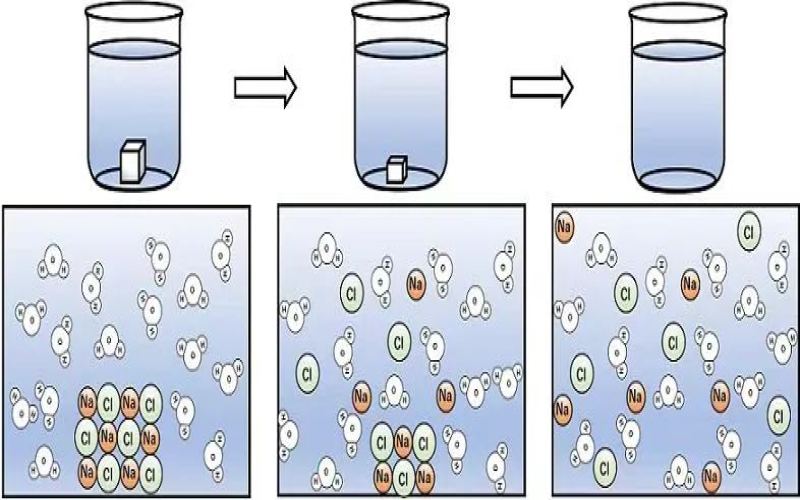
What water temperature is actually suitable for pour-over coffee? Does a higher temperature always mean better extraction? Starting from everyday dissolution phenomena, this article explains how water temperature affects coffee extraction efficiency, and uses cupping immersion experiments and pour-over comparison data to show how coffee flavor actually performs at different temperatures. The article also explores competition brewers' high-temperature brewing strategies, and why Front Street Coffee recommends a relatively narrow brewing temperature range, helping enthusiasts understand the key role of water temperature in brewing and avoid common misconceptions. [more…]

Can Pour-Over Coffee Be Extracted with Milk? A Full Analysis of Latte Milk Temperature and Pour-Over Milk Ratios
Pour-over coffee is loved for its clean and bright flavors, but after drinking too much black coffee, it's only natural to want a change of pace and enjoy a rich, creamy milk coffee. So some friends had a wild idea: can you just use milk instead of water to brew pour-over? Front Street's conclusion is—simple brewing works, but to get a delicious cup of milk coffee, you must solve three key problems. First is temperature: milk above 70°C breaks down proteins and lactose, leading to worse texture and less sweetness, while the high water temperature needed for pour-over far exceeds this limit. Second, the rich substances in milk interfere with extraction, affecting the release of coffee flavors. Finally, there's the technique of ratio and blending. This article will analyze these problems one by one and offer practical advice on latte milk temperature and adding milk to pour-over, helping you find the milk coffee solution that suits you best. [more…]
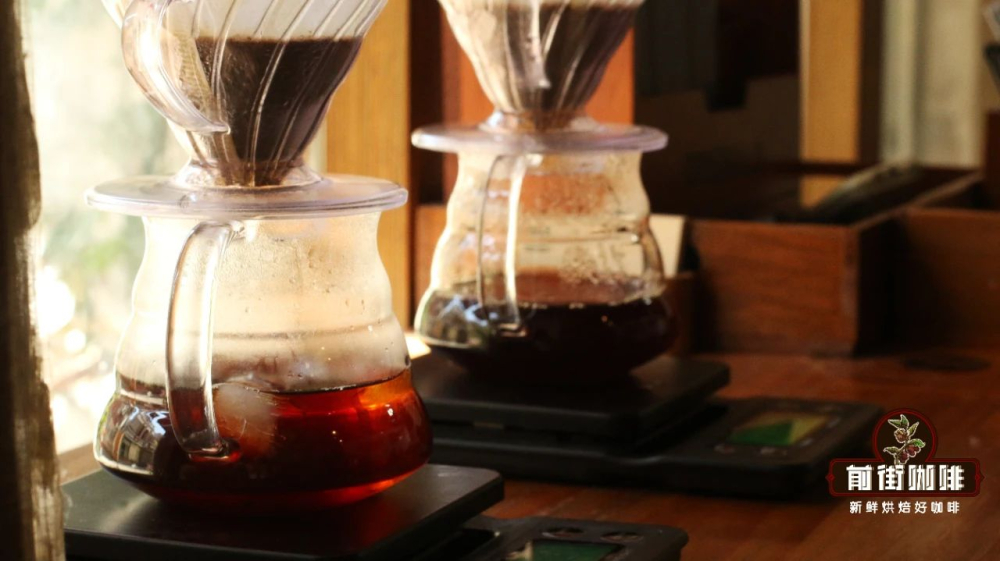
Pour-over Coffee Brewing Tips | What Is the Ideal Water Temperature for Pour-over Coffee? How Does Brewing Water Temperature Affect the Flavor and Mouthfeel of Pour-over Coffee?
If you ask whether water temperature is important for extraction, Front Street Coffee believes it is important, but not that important. As a tool for adjusting the extraction rate, the higher the temperature, the easier it is to extract soluble substances, but because too high a water temperature will cause coffee to quickly release bitterness, a conservative range should be chosen. Generally speaking, the vast majority on the market [more…]
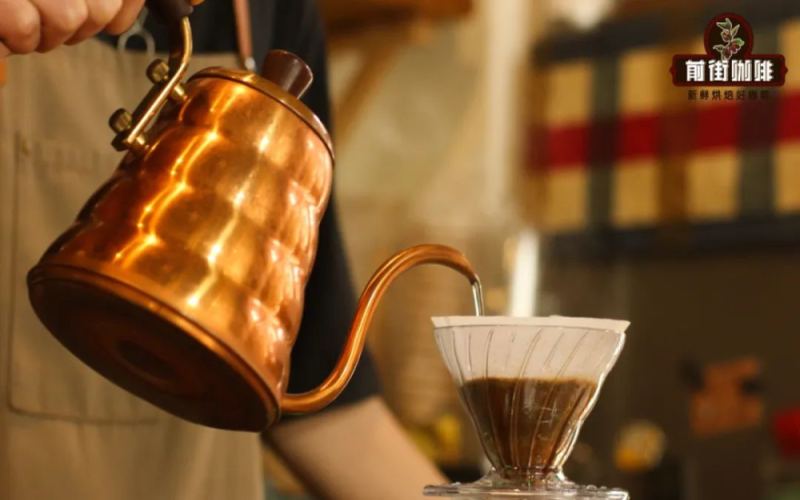
Can pour-over coffee still taste good when the water temperature drops to 80°C? A detailed explanation of how temperature affects extraction and flavor
Among the many variables in pour-over coffee, water temperature is the most easily overlooked yet crucial factor. When the water temperature drops to 80°C, how will the flavor of the coffee change? Is it under-extraction or something entirely different? This article will focus on pour-over practice at 80°C, delving into the effects of temperature on extraction efficiency and flavor expression, and offering practical advice on adjusting grind size, pouring, and other parameters. Whether you are a beginner just starting out or a seasoned connoisseur pursuing perfection, you will find ideas to make your coffee taste better. Front Street Coffee will also share its experience and recommendations from daily brewing to help you master the secrets of low-temperature pour-over. [more…]

How to determine the grind size, water temperature, ratio, and ice for iced pour-over coffee? Does pour-over coffee need to be brewed over ice?
When making iced pour-over coffee, should the coffee liquid be allowed to pass through the ice or not? This is a question that many coffee enthusiasts struggle with. Many cafés do indeed use the ice-passing method for serving, but passing through ice also has obvious shortcomings, such as the coffee warming up quickly, not being cold enough, and the degree of dilution being difficult to control. To solve these problems, the key is to start from three aspects: the degree of cooling, pre-treatment of the cupware, and parameter adjustment. Based on the practical experience of Front Street Coffee, this article breaks down in detail the precautions for the ice-passing method and gives specific suggestions for coffee dose, coffee-to-water ratio, grind size, water temperature, and extraction time, helping you consistently make delicious iced pour-over at home. [more…]
Yirgacheffe Pour-Over Techniques: A Full Breakdown of Grind Size, Water Temperature, and Brewing Parameters
Yirgacheffe has become a favorite among pour-over enthusiasts thanks to its distinctive notes of lemon, florals, and honeyed sweetness, but to brew a cup that is clean, balanced, and layered, grind size, water temperature, and pouring technique are all crucial. Drawing on Front Street Yirgacheffe brewing practice, this article shares in detail the approach to choosing pour-over equipment, the relationship between water temperature and extraction time, how strong versus gentle pours affect extraction, and how to properly appreciate the balance of a pour-over coffee. Whether you are a beginner just starting out or an enthusiast looking to refine your skills, these practical parameters and experiences are well worth consulting. [more…]
Pour-Over Coffee Heat Retention and Hot Milk Coffee Temperature Control Guide: How to Slow Cooling Without Ruining Flavor
When the temperature drops, coffee cools down noticeably faster, and its enjoyable drinking window shortens accordingly. Once hot coffee goes cold, it often no longer tastes good—for example, Front Street PWN Golden Mandheling tends to turn bitter, while Front Street Yirgacheffe becomes more sharply acidic. This article addresses three questions: whether pour-over coffee can be kept warm in a thermos, why coffee's flavor deteriorates after it cools, and what temperature milk in a latte should be steamed to. It also offers practical tips, including moderately raising the water temperature and milk temperature, preheating equipment, covering and sealing, and using a thermos for short-term storage of pour-over coffee, to help you extend the time your coffee stays tasty without ruining the extraction or mouthfeel. [more…]
The Complete Guide to Buying a Pour-Over Kettle: Temperature Control, Spout, Body, Material, and Price Explained in One Go
Faced with the dazzling array of pour-over kettles on e-commerce platforms, many coffee enthusiasts often don't know where to start. Although pour-over kettles are basically composed of a spout, body, handle, and lid, different shapes directly affect pouring performance. Front Street Coffee will systematically sort out the selection approach for pour-over kettles from dimensions such as temperature-controlled vs. non-temperature-controlled, spout type, body capacity and center of gravity, handle feel, material, and price. The article will also introduce the pouring characteristics and representative products of different spouts such as narrow gooseneck, wide gooseneck, crane-neck, flat spout, and eagle spout, helping you find the one that better suits you between budget and needs. [more…]

What Is the Ideal Water Temperature for Pour-Over Coffee? An Experimental Analysis of How Different Temperatures Affect Extraction Flavor
Many coffee enthusiasts who brew pour-over at home habitually estimate the water temperature by feel, without using a thermometer. As a result, the taste comes out a little different every time, and they start to wonder whether the beans are stale or the quality is problematic. In fact, water temperature has a far greater impact on pour-over extraction than one might imagine—the same beans can present completely different flavor directions at different water temperatures. In this article, Front Street Coffee uses a washed Yirgacheffe Gedingding Cooperative coffee bean from Ethiopia as the sample, brewing comparison tests at five water temperatures—80°C, 86°C, 90°C, 93°C, and 96°C. Through actual tasting, it records the flavor differences at each temperature, analyzes the principles by which water temperature affects extraction, and finally provides a recommended temperature range for everyday brewing. [more…]
Three-Temperature Pour-Over Method Explained: A Complete Guide to Variable-Temperature Staged Extraction Workflow and Parameters
Among the many variables in pour-over coffee, water temperature is often seen as the most conservative one—once a value is chosen, it is no longer changed. However, Wu Tzelo, the 2016 WBC champion, turned water temperature into a powerful tool for regulating flavor in stages. His invented "sauna pour-over method" extracts sequentially through three temperature ranges—94°C, 90°C, and 80°C—allowing acidity, sweetness, bitterness, and umami to each find their proper place. In this article, Front Street will fully replicate this technique, breaking down the extraction logic and practical parameters behind variable-temperature brewing one by one, from equipment preparation and staged pouring rhythm to the final flavor presentation, helping you understand why water temperature can become the key lever for adjusting coffee balance. [more…]