







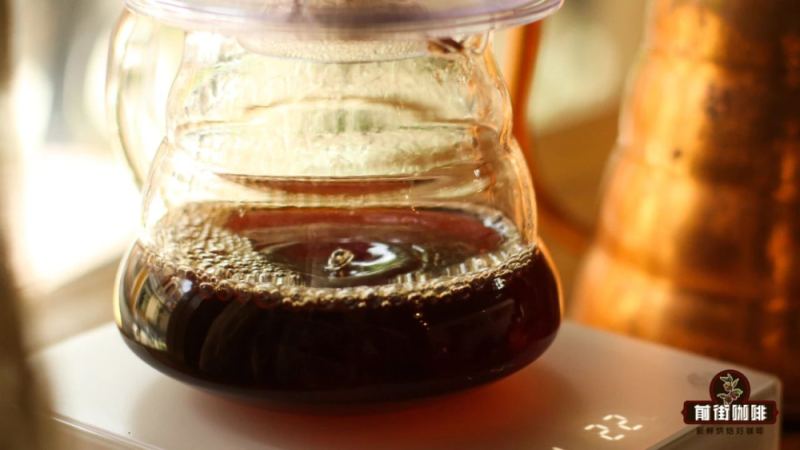
How Does Golden Mandheling Perform in Pour-Over and Americano?
Pour-over and Americano are both black coffee, but they extract differently. Pour-over uses a drip method where grind size, water temperature and pouring technique shape the acidity and sweetness layers, taking three to five minutes. An Americano dilutes espresso pulled at roughly 9 bar with water, usually around 1:6, and can be finished in one to two minutes, putting body and flavor clarity first.
In daily cafe service, Golden Mandheling and Ethiopia Sidamo Natural Huakui 5.0 are common pour-over choices, while an espresso blend of Natural Yirgacheffe and Honduras Sherry covers the Americano side of the menu. A caffe americano is simply espresso plus hot water, so its texture and bitterness track the espresso rather than the filter brew.
Both are black coffee, yet pour-over and Americano have completely different personalities. Pour-over uses a drip method, allowing precise control of extraction through grind size, water temperature, and pouring technique, showcasing the acidity and sweetness layers of coffee and the flavor surprises brought by temperature changes; Americano, on the other hand, is made by diluting espresso with water, relying on 9 bar high pressure for rapid extraction, focusing on body and clarity of flavor. At Front Street Coffee's daily service, pour-over commonly uses PWN Golden Mandheling and Ethiopia Sidamo Natural Huakui 5.0, while Americano uses the Sunflower Warm Sun espresso blend of Natural Yirgacheffe blended with Honduras Sherry, with a dilution ratio of about 1:6. If time permits, pour-over takes 3-5 minutes and brings a healing experience; when in a hurry, Americano can be completed in 1-2 minutes. This article analyzes the differences between the two in detail to help you make a suitable choice in a café.
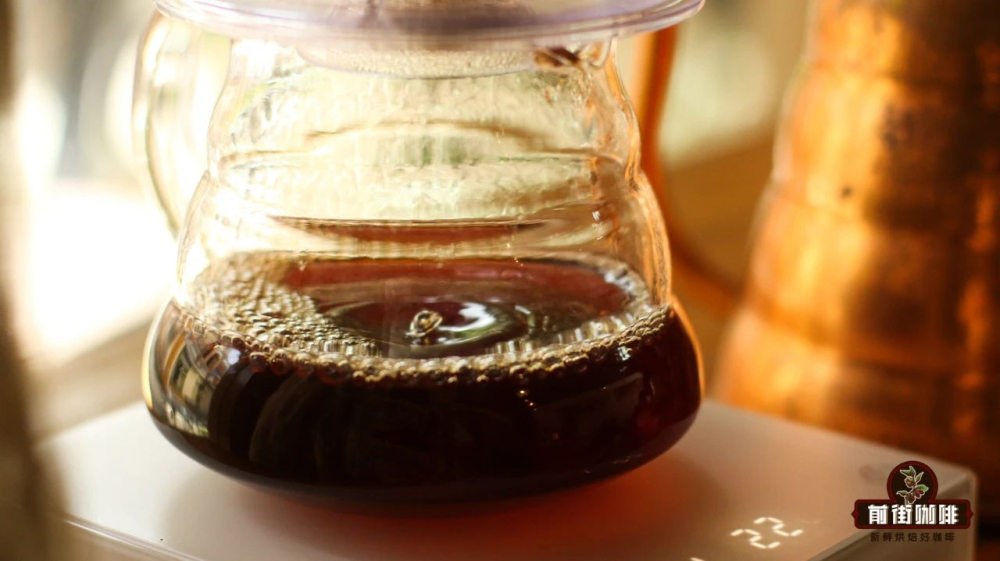
Many people ask, is pour-over coffee necessarily more delicious than Americano? Although both fall under the category of black coffee, their styles each have their own strengths. Today Front Street will talk about what differences actually exist between pour-over coffee made by the drip method and Americano made with an espresso machine~ When you walk into a café, should you order pour-over or Americano?
First, let's talk about what pour-over coffee is.
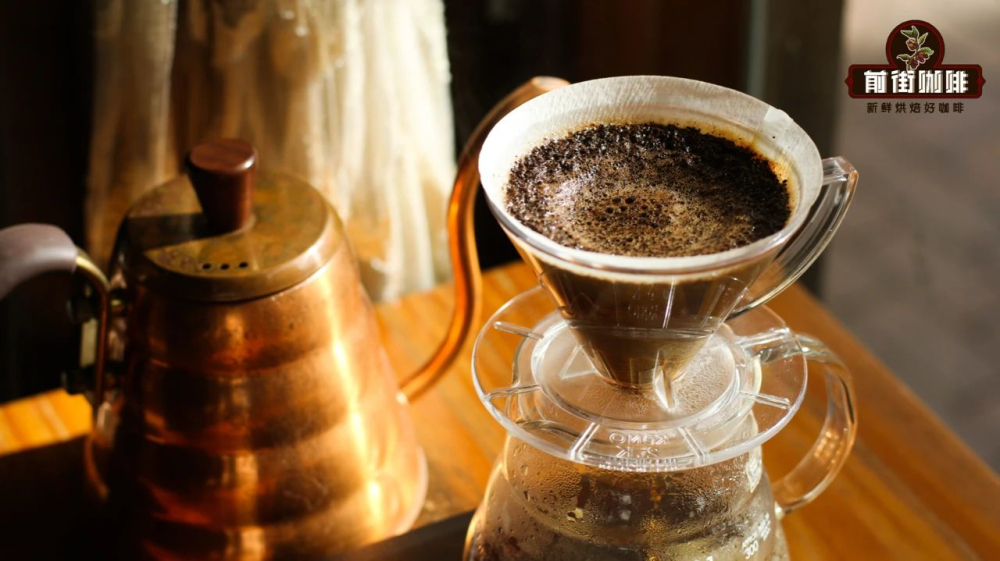
Pour-over coffee belongs to the broad category of drip coffee. Early drip coffee had a very simple purpose: to filter out the coffee grounds—pour the brewed coffee liquid into a perforated copper cup, then lay blotting paper over it to filter out a clean cup of coffee. Later, as the specialty coffee wave rose, people gradually realized that coffee could have refined flavor expression, but the premise was that both water temperature and extraction time had to be just right. So people began to improve filtering equipment and filter paper, grinding coffee beans to a suitable coarseness and placing them directly into the dripper to pour water and extract, thus effectively controlling extraction time and water temperature. The improved pour-over coffee uses a dripper with filter paper or other filtering media to block coffee grounds, ultimately obtaining a cup of coffee rich in flavor layers.
Why is pour-over coffee often described as having "layers"?
The traditional method is to put coffee grounds into water and boil it directly, with extraction time entirely based on feeling. High temperature plus long extraction time easily causes over-extraction—it smells rich, tastes full-bodied, but always carries an unpleasant bitterness. In fact, only 30% of a coffee bean is flavor substances, while the remaining 70% is woody fiber, and we only need to extract 18%-22% of that 30% to be enough.
The release of coffee flavor substances follows a sequence: the first to emerge are acidic substances, then sweet substances, and finally bitter substances. If all 30% of the flavor substances are extracted, once bitterness is over-released, it will overpower acidity and sweetness, and the coffee will ultimately taste bitter and astringent. Pour-over coffee, however, effectively controls the extraction process by adjusting coffee grind size, water temperature, pouring method, and coffee-to-water ratio. When acidity and sweetness are fully extracted, an appropriate amount of bitterness can also add body to the coffee. As the temperature drops, different tastes will show their best state within specific temperature ranges, which is why pour-over coffee presents different layers when drunk~
So what temperature is most suitable for drinking pour-over coffee?
Different roast levels of coffee beans also have different optimal drinking temperatures. For example, Front Street PWN Golden Mandheling coffee beans use a dark roast, with the aim of highlighting the coffee's body. Coffee with high body has more obvious sweetness and bitterness, and the optimal temperature for sweetness and bitterness is 40-60 degrees Celsius.
Another example is Front Street Ethiopia Sidamo Natural Huakui 5.0 coffee beans, which use a medium-light roast to highlight fruity acidity and sweetness. The optimal temperature for acidity and sweetness is 30-50 degrees. Of course, this is only the optimal expression for one specific flavor! When Front Street brews coffee for guests, it always recommends tasting separately at three stages: high temperature, medium temperature, and low temperature. If you only focus on drinking at the optimal temperature, you will miss the "flavor surprises" brought by other temperatures.
Next, let's talk about what Americano is.
Authentic Americano is made by adding an appropriate amount of water to espresso to dilute it to the concentration the drinker wants. The production method of espresso is completely different from drip! It uses the 9 bar pressure boost of a specific coffee machine to quickly extract a highly concentrated coffee liquid. When this extraction method was first invented, it was only for quickly drinking a cup of coffee with high caffeine content to refresh oneself, and flavor was hardly a consideration! But with the improvement of quality of life and the promotion of specialty coffee, today's espresso also emphasizes bean selection and flavor expression, and then adding water in a suitable ratio to stretch out the concentration of the espresso, so that while the coffee is rich, the flavor can also be expressed more clearly.
What does Americano taste like?
The flavor expression of Americano depends on the blended coffee beans used to make the espresso. For daily espresso drinks at Front Street stores, Front Street Natural Yirgacheffe coffee beans are blended with Front Street Honduras Sherry coffee beans. The espresso made from this Front Street Sunflower Warm Sun espresso blend has whiskey aroma, berry acidity and sweetness, vanilla cream-like smoothness, and a nutty cocoa-like finish. The dilution ratio for Americano is 1:6, but because the flavor of Front Street Sunflower Warm Sun espresso blend is relatively special and mild, the dilution ratio is this low. The dilution ratio for Americano in general cafés is about 1:7-1:8.
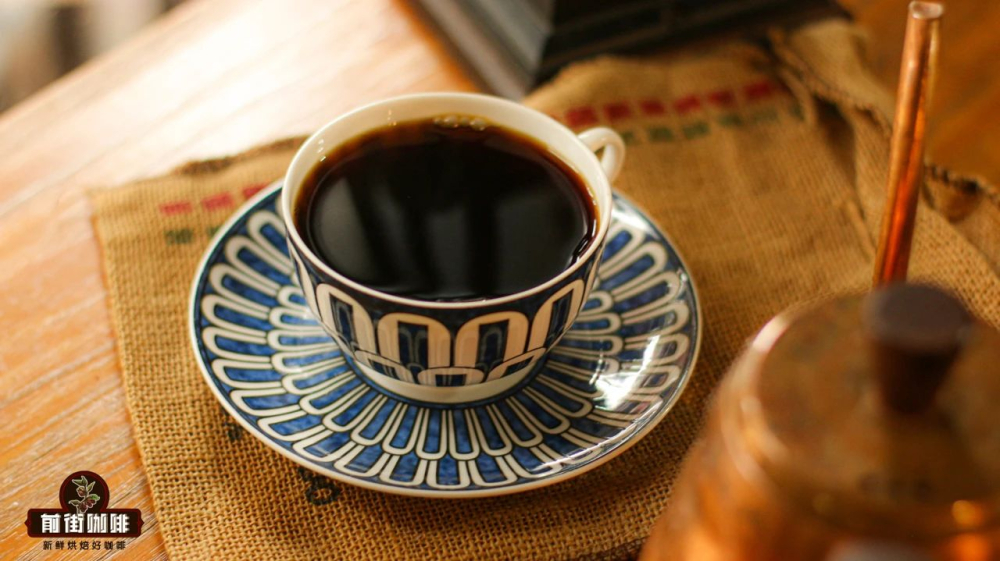
When walking into a café, should you choose pour-over coffee or Americano?
Front Street recommends both! Everyone can decide based on time. If you are not in a hurry, you might as well sit down and slowly enjoy a cup of pour-over coffee, feeling the layers and surprises brought by different temperatures. Sitting at the bar quietly watching the barista make a cup of coffee is truly healing!!! But if you are in a hurry, then choose Americano! Pour-over coffee usually takes 3-5 minutes to make, while Americano can be completed in 1-2 minutes.
The above content is compiled by CoffeeHunters, a coffee news website.


