







What Does Cold Brew Coffee Contain Compared With Pour-Over?
The main difference between cold brew and pour-over is extraction temperature. Pour-over uses hot water, releasing aromas and layers quickly, so the cup changes fast and is enjoyed soon after brewing. Cold brew steeps grounds in room-temperature or ice water for 8 to 24 hours in the fridge, giving a sweet, refreshing result with less fullness.
Low-temperature extraction reduces bitter compounds, yet the coffee contains more caffeine than black coffees such as Americano or pour-over, because the grounds stay in contact with water far longer. Cold brew keeps 3 to 5 days refrigerated; the longer it sits, the more fermentation-like notes develop.
Why do the flavors of the same coffee beans differ so drastically when made into cold brew versus pour-over? The key lies in the extraction temperature. Pour-over uses hot water to quickly release the rich aromas and layers in coffee, while cold brew relies on long steeping at low temperatures, delivering a sweet, refreshing taste but slightly less fullness in flavor. Low-temperature extraction also reduces bitter compounds, yet it results in higher caffeine content. Front Street Coffee takes a light-roast washed Yirgacheffe Gedingding as an example, comparing hot pour-over, cold brew, and iced pour-over to analyze the causes of flavor differences, and offers coffee bean recommendations suitable for home cold brew and pour-over.
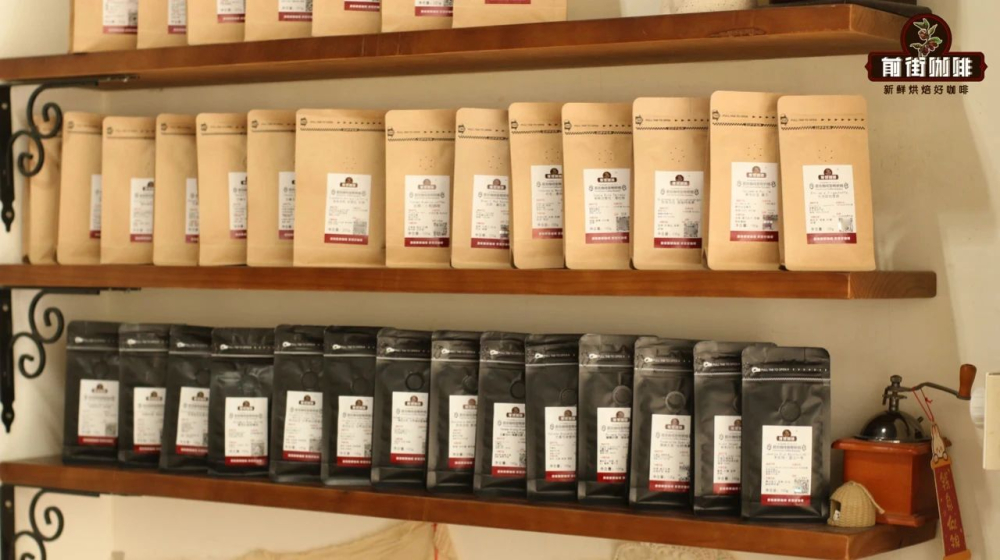
Front Street Coffee has noticed that many friends, after buying a bag of coffee beans, make pour-over or cold brew at home themselves—these two methods are indeed the most hassle-free, requiring no complicated equipment.
Some have asked: why does the same bean taste so different when brewed as cold brew versus pour-over?
—The Core Difference Between Pour-Over and Cold Brew
The biggest divide between the two lies in temperature: pour-over is high-temperature extraction, while cold brew is low-temperature extraction.
Pour-over coffee, whether hot or iced, uses hot water at room temperature to contact the coffee grounds and extract soluble substances. At high temperatures, extraction is fast, and the flavor and mouthfeel change quickly, so it's best to drink it as soon as possible.
Iced pour-over adjusts the coffee-to-water ratio based on hot pour-over, using less hot water to brew a more concentrated coffee liquid, then cooling it with ice cubes to create a chilled mouthfeel.
Cold brew coffee, also known as cold water brew, involves soaking coffee grounds in room-temperature or ice water, then placing it in the refrigerator for low-temperature slow extraction over 8 to 24 hours, and filtering out the grounds to obtain iced coffee. Cold brew made via low-temperature extraction can be stored in the refrigerator for 3 to 5 days; the longer it's stored, the more it develops fermentation-like flavors. Because the coffee grounds contact water for a longer time, cold brew has higher caffeine content than black coffees like Americano or pour-over, offering a more pronounced energizing effect.
—Different Brewing Methods, Different Coffee Flavors
Front Street Coffee selected a light-roast washed Yirgacheffe Gedingding and compared its flavor using three methods: hot pour-over, cold brew, and iced pour-over.
Hot pour-over presents a complete beginning, middle, and end, with jasmine and honey sweetness, bright acidity like lemon and citrus, and a lingering green tea aftertaste in the mouth. As it cools, you can sense the flavor changes, offering rich layers.
Cold brew Gedingding, after sitting in the refrigerator overnight, has a thin layer of oil on the surface, a weaker aroma, and on the palate, berry and citrus acidity with a sweet taste like iced fruit tea, but relatively ordinary in flavor complexity.
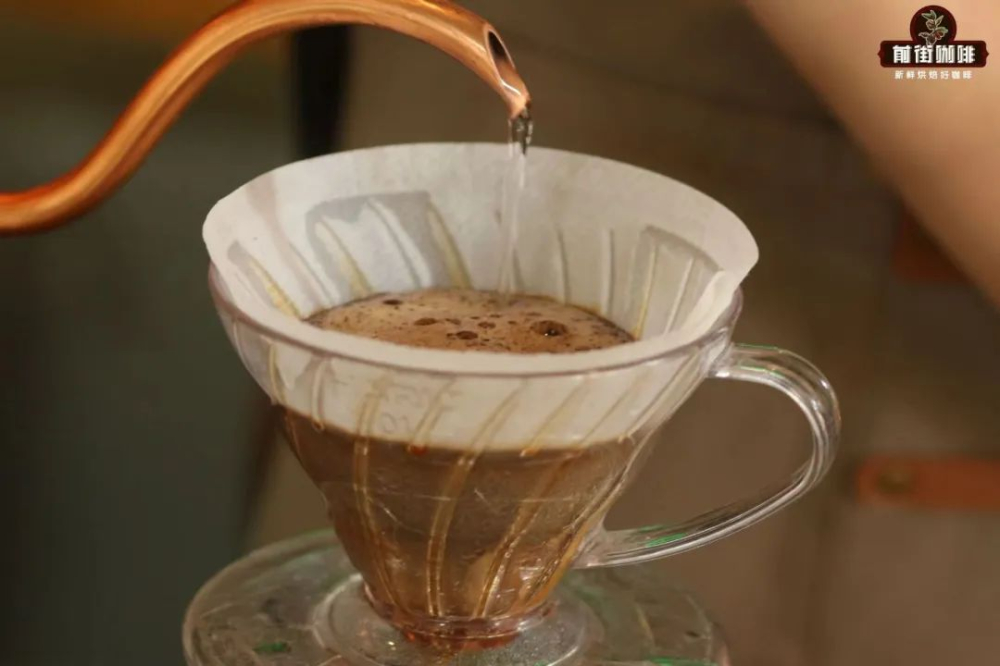
Iced pour-over, also a cold drink, uses a finer grind, and the high-temperature hot water extracts a more concentrated coffee liquid, dissolving more substances than cold brew. Although the flavor is less full than hot pour-over, the profile is similar, and the cooling from ice makes the coffee more refreshingly sweet and acidic.
—The Dissolution Patterns of Flavor Compounds at Different Temperatures
Coffee contains components like quinic acid, amino acids, tannic acid, caffeine, and oils. During extraction, water and coffee undergo a series of reactions, and the water temperature directly affects the extraction rate of each component.
During brewing, fruit acid small molecules come out first, followed by sweetness molecules, and finally bitter large molecules. The higher the temperature, the faster the extraction, and various variables can influence the coffee's taste, so careful control of the extraction rate is needed during pour-over.
In low-temperature environments, the amount of bitter substances extracted is much less than at high temperatures. To increase the extraction rate, the contact time between coffee grounds and water must be extended.
However, even if the extraction rate is increased, low temperatures often fail to release the rich flavor molecules that water molecule movement brings at high temperatures. The body and mouthfeel of a cup of coffee largely come from bitter substances; lacking them, the mouthfeel is thin and not full enough.
Before launching any coffee bean, Front Street Coffee conducts a cupping, using 94°C water to stimulate various aromatic substances, and then describes the flavors on the label. All flavor descriptions are based on high-temperature extraction, while low temperature can only extract part of them—this is why cold brew's aroma concentration is less full than pour-over.
—What Coffee Beans to Choose
As mentioned in previous articles, Front Street Coffee notes that medium-light roasted fruit-flavored coffees are more suitable for cold brew than dark roasts. If the grind size isn't adjusted well for dark roast beans, adding ice can easily leave only bitterness.
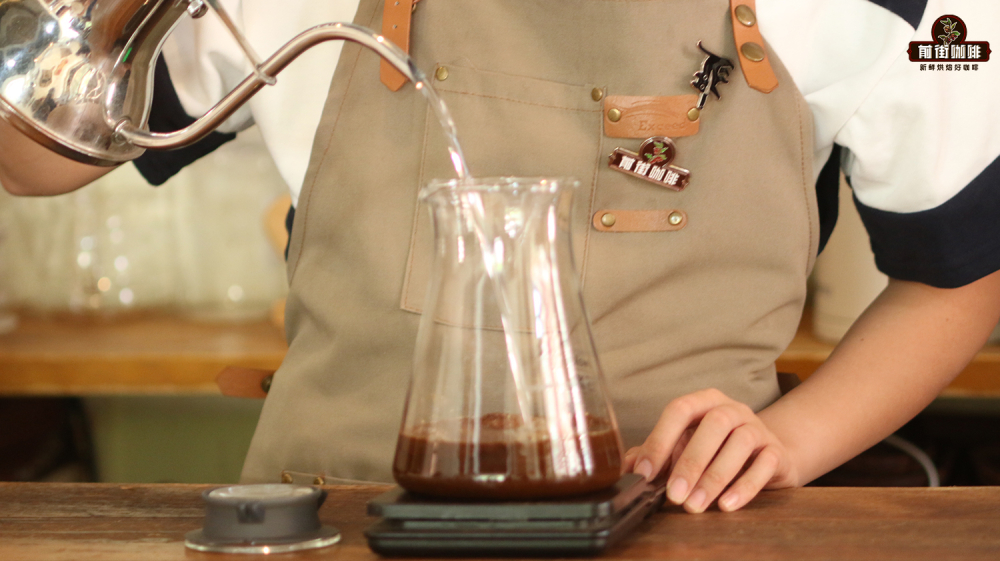
If you want to stock a bag of beans at home that works for both pour-over and cold brew, and lets you enjoy a richer variety of tastes, Front Street Coffee recommends specialty processed beans with high flavor distinctiveness, such as Honduras Sherry, Costa Rica Baja, Colombia Big Belly, Ethiopia Dorothy…
This way, you can enjoy the full aroma of pour-over as well as the refreshing, full-bodied taste of iced coffee.
The above content is compiled by CoffeeHunters, a coffee news website.


