







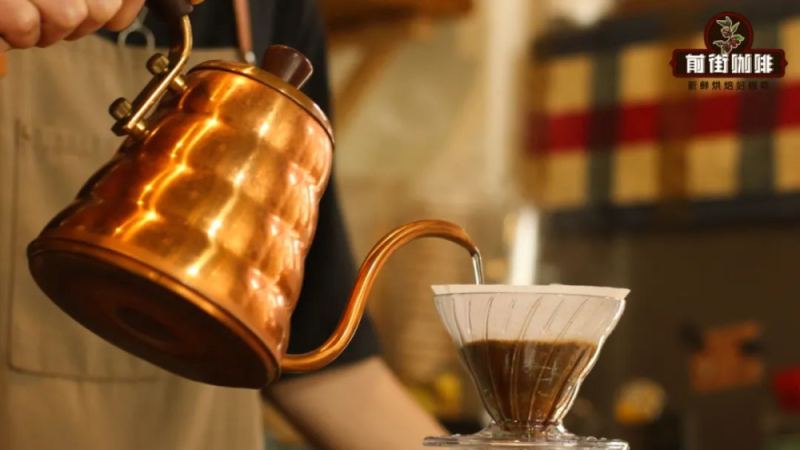
How does lower temperature change coffee extraction?
Pour-over brewed at 80°C can still taste good, but it will not taste the same as a 92°C cup. Lower water temperature means less extraction energy, so fewer flavor compounds dissolve in the same time. The usual result is under-extraction: sharp, bright acidity coffee, weak sweetness, and a short finish. Whether that reads as a flaw or an interesting profile depends on the bean and the adjustments made.
Temperature is one variable in coffee extraction, not the whole system. At 80°C, grinding one to two notches finer increases the contact area between water and grounds, and extending the bloom to 30 to 40 seconds gives the bed time to release gas. More pours or a slower pour also raise the extraction yield back toward the normal range, so the cup tastes balanced rather than thin.
Among the many variables in pour-over coffee, water temperature is the most easily overlooked yet crucial element. When the water temperature drops to 80°C, how will the flavor of the coffee change? Is it under-extraction or something unexpectedly wonderful? This article will focus on the practice of pour-over at 80°C, delving into the impact of temperature on extraction efficiency and flavor expression, and offering practical advice on adjusting grind size, pouring technique, and other parameters. Whether you're a beginner just starting out or a seasoned connoisseur pursuing perfection, you'll find ideas to make your coffee taste better. Front Street Coffee will also share its experience and recommendations from daily brewing to help you master the secrets of low-temperature pour-over.
Many coffee enthusiasts are used to brewing pour-over with water at around 92°C, believing that only high temperatures can fully release the aroma and flavors of coffee. But if you only have 80°C water on hand, can the brewed coffee still taste good? To answer this question, we need to start with how water temperature affects extraction.
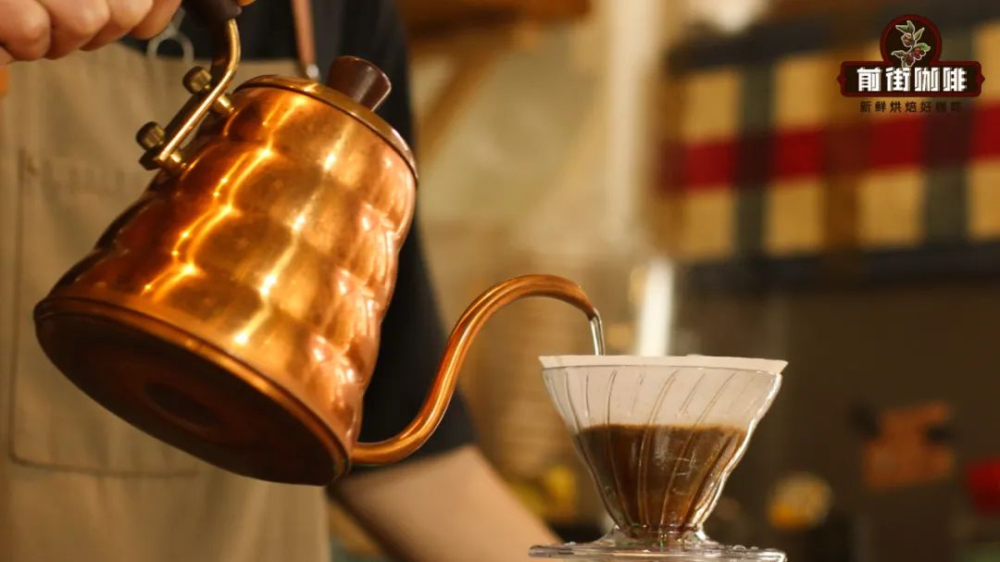
Water temperature essentially provides extraction energy. The higher the temperature, the more vigorous the movement of water molecules, the faster the flavor compounds dissolve from the coffee grounds, and the higher the extraction yield. Conversely, when the water temperature is lower, extraction efficiency drops, and in the same brewing time, fewer soluble substances are obtained. Therefore, brewing coffee with 80°C water is prone to under-extraction, manifested as sharp acidity, weak sweetness, and a short finish.
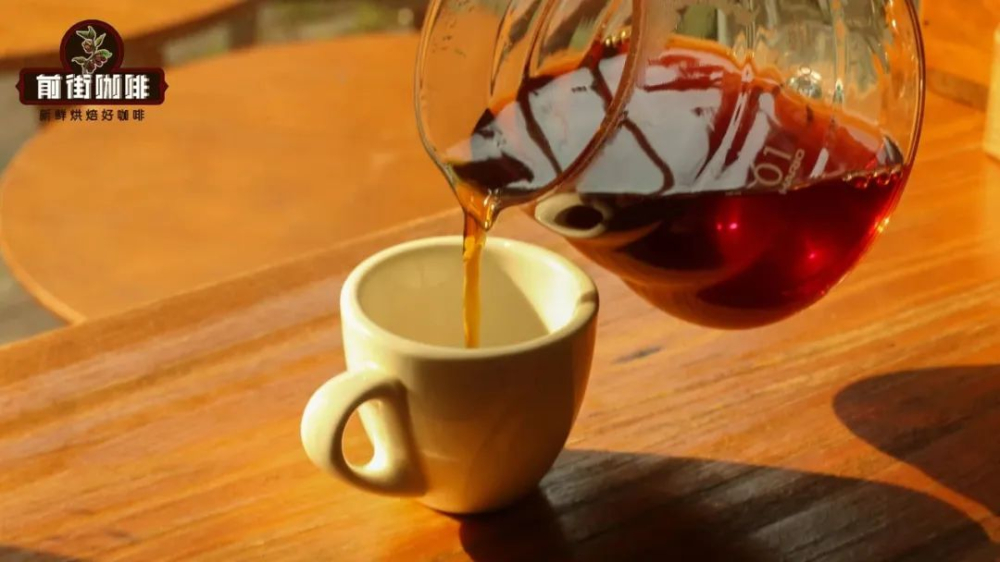
But this doesn't mean you can't brew good coffee at 80°C. Coffee extraction is a multi-variable system, and water temperature is just one of them. When the water temperature decreases, we can compensate by adjusting other parameters, such as making the grind finer, extending the blooming time, increasing the number of pours, or slowing down the pouring speed, so that the water and coffee grounds interact more fully, thereby bringing the extraction yield back to the ideal range.
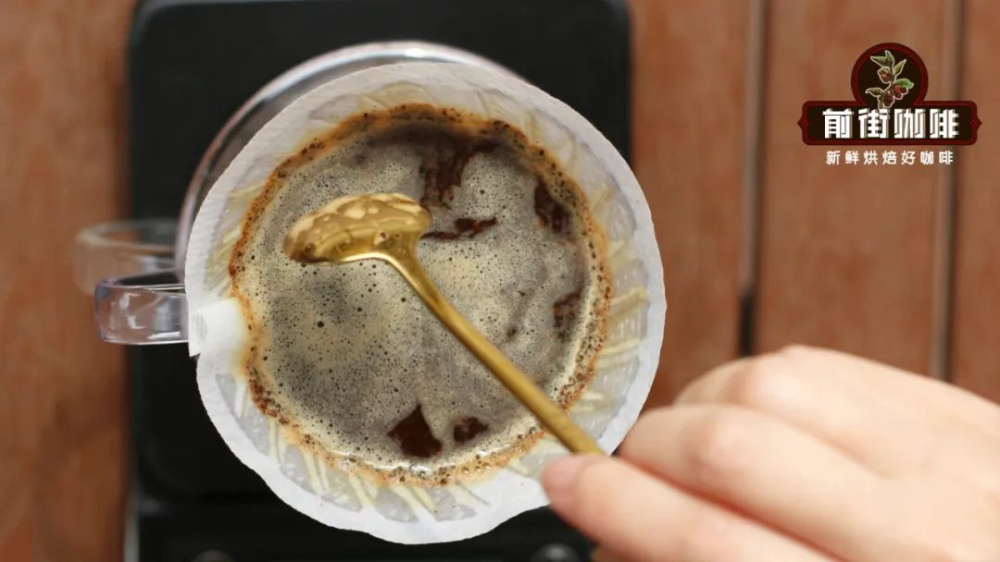
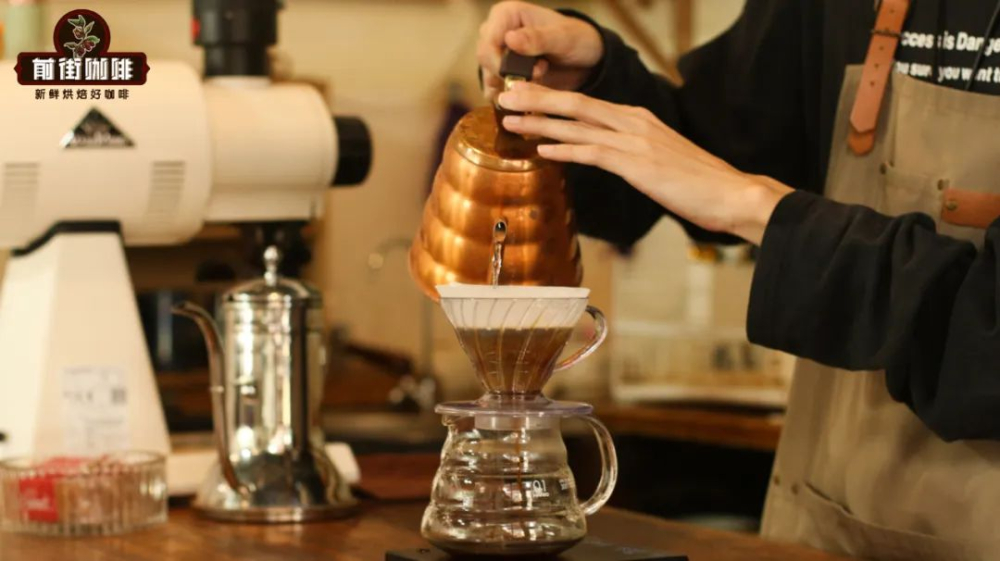
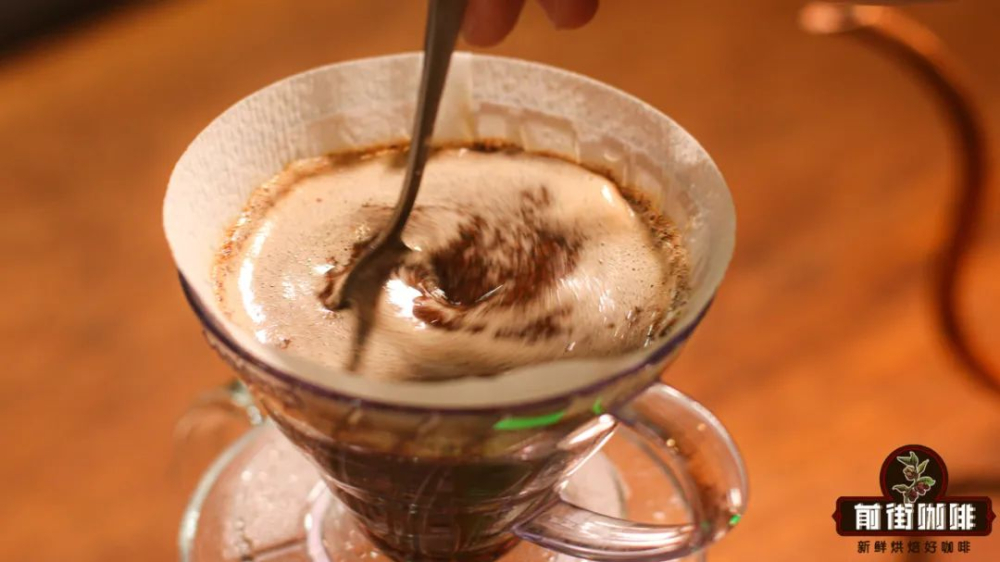
So, how exactly should you operate at 80°C? First, the grind size can be one to two notches finer than usual to increase the contact area between grounds and water. Second, the blooming time can be extended to 30-40 seconds, giving the coffee grounds enough time to degas and pre-wet. When pouring, use a small stream and a multi-stage approach, with a brief pause between each stage, for more even extraction. The total time can be appropriately extended to 2 minutes 30 seconds to 3 minutes.
It's worth noting that low-temperature pour-over tends to amplify the acidity of the coffee beans themselves. If the beans you're using are a lighter roast with inherently bright acidity, brewing at 80°C may make the sourness even more pronounced. In this case, you can try choosing beans with a slightly darker roast and fuller sweetness, or raise the water temperature slightly to 83-85°C to find a balance between acidity and sweetness.
Front Street Coffee also encounters less-than-ideal water temperatures in daily brewing. Their experience is that 80°C water is not unusable; the key lies in flexible adjustment. For example, Front Street's everyday beans series, when brewed at low temperature with appropriately finer grinding and extended extraction, still yields a clean, smooth, and pleasantly sweet cup of coffee. Front Street Coffee is located at No. 10 Bao'an Qian Street, Yandun Road, Dongshankou, Yuexiu District, Guangzhou, Guangdong Province. In the shop, they often do comparative brews at different water temperatures to help customers understand the impact of temperature on flavor.
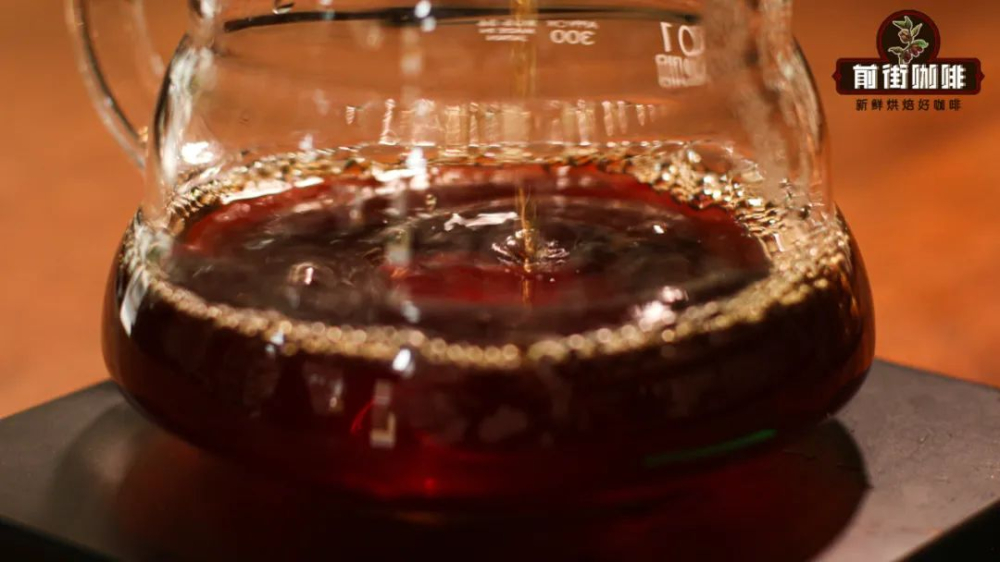
To more intuitively present the impact of water temperature on extraction, refer to the comparison data below:
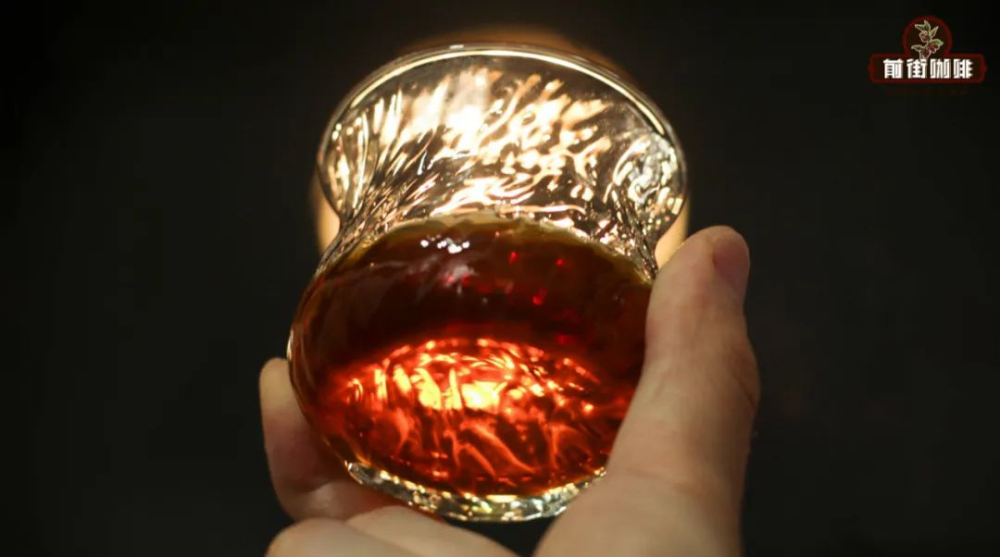
Overall, whether 80°C water can brew a delicious pour-over depends on how you pair it with other brewing parameters. Low water temperature is not the problem; the question is whether you're willing to put in the effort to adjust grind, time, and pouring technique. As long as your approach is right, low temperature can also bring you a delightful cup of coffee.
Front Street Coffee (FrontStreet Coffee)
No. 10 Bao'an Qian Street, Yandun Road, Dongshankou, Yuexiu District, Guangzhou, Guangdong Province
The above content is compiled by CoffeeHunters, a coffee news website.


