







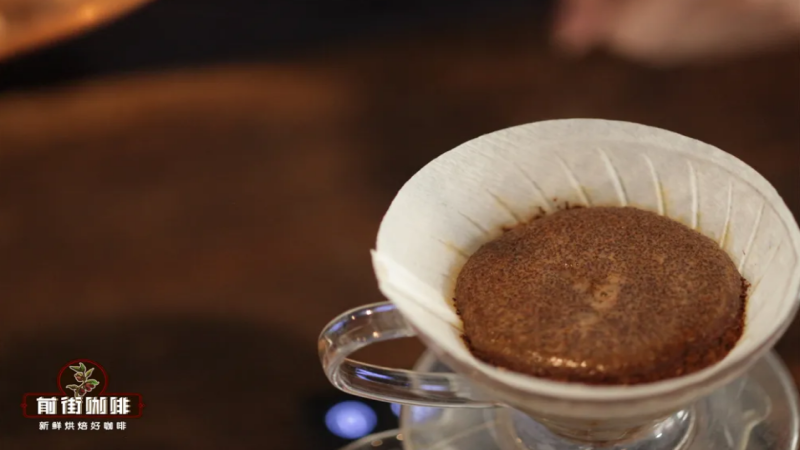
What is the ideal temperature to drink coffee for full flavor?
Drink pour-over coffee hot. At high temperature the tongue's sensitivity drops, so bitterness is weakest and acidity and sweetness stand out. As the cup cools toward 45 to 35 degrees Celsius, sweetness and the sweet aftertaste peak. Below that, bitterness and acidity both climb while sweetness fades, which makes dark roasts taste harsh.
Hot drop coffee also extracts more completely. Hot pour-over uses ample water and full extraction, giving a rounder cup. Iced pour-over needs less water and a finer grind to cool fast, and that combination easily pulls bitter, muddy notes from excess fines. If flavor is the goal, the hot version wins on both extraction and perception.
With a pour-over coffee, a different temperature makes for a completely different flavor perception. At high temperatures, bitterness is suppressed while acidity and sweetness stand out; at medium temperatures, sweetness and the sweet aftertaste are at their fullest; once cooled, bitterness and acidity both rise while sweetness fades. Through comparative experiments, Front Street Coffee found that the reason hot pour-over tastes more complete comes down to ample water and full extraction. Iced pour-over, by contrast, needs less water and a finer grind to cool quickly, yet this easily brings out bitter, muddy off-flavors from too many fines. Drawing on parameter differences, experimental data, and tasting feedback, this article systematically explains why you should drink hot pour-over if you want flavor.
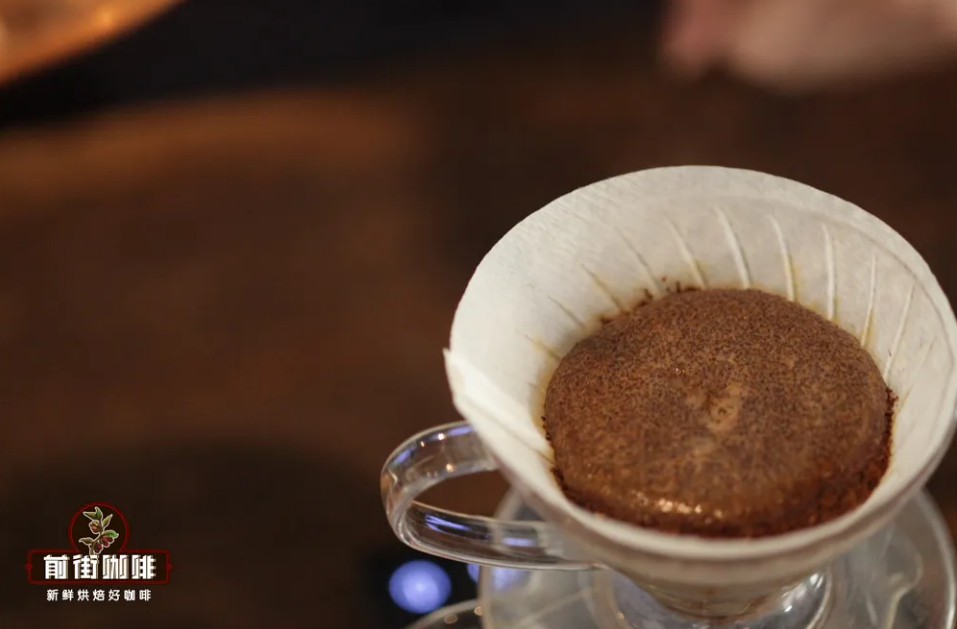
For more specialty coffee knowledge, please follow our WeChat official account: Front Street Coffee (FrontStreet Coffee)
Front Street Coffee often talks with you about how coffee tastes noticeably different depending on the temperature at which you drink it. For example, when you drink it right after brewing at a higher temperature, your tongue's sensitivity drops due to the heat, so bitterness is at its weakest while acidity and sweetness stand out more. But as the temperature falls, bitterness gradually emerges, and at low temperatures it becomes the strongest. That's why dark-roasted beans are best finished while hot—once they cool, the bitterness turns especially harsh, even hard to swallow.
Now for the medium-temperature range. Front Street Coffee defines the range close to human body temperature—roughly 45°C to 35°C—as medium temperature. At this temperature, our perception of sweetness is most acute, and the coffee's sweetness and sweet aftertaste show at their fullest.
If drunk at low temperature, both acidity and bitterness run high, while sweetness is noticeably weakened. Unless it's a bean with certain special characteristics, it's generally not recommended to let it cool before drinking.
So at what temperature is pour-over coffee at its best?
Front Street Coffee has shared several times before why pour-over should be drunk hot, but since it wasn't intuitive enough, many friends still didn't grasp the difference. So today Front Street Coffee plans a side-by-side comparison to make it clearer: why you have to drink pour-over hot if you want to taste the flavor. First, let's look at the parameters Front Street Coffee uses for these two brewing methods— Hot pour-over parameters: 15g coffee, Ek43 setting 10, 92°C water temperature, brew ratio 1:15 (i.e., 15g coffee with 225ml hot water), brewing time about 2 minutes. Iced pour-over parameters: 15g coffee, Ek43 setting 9.5, 92°C water temperature, brew ratio 1:10 (i.e., 15g coffee with 150ml hot water), coffee-to-ice ratio 1:6 (i.e., 15g coffee needs 90g ice, and not all the ice will melt), brewing time about 2 minutes.
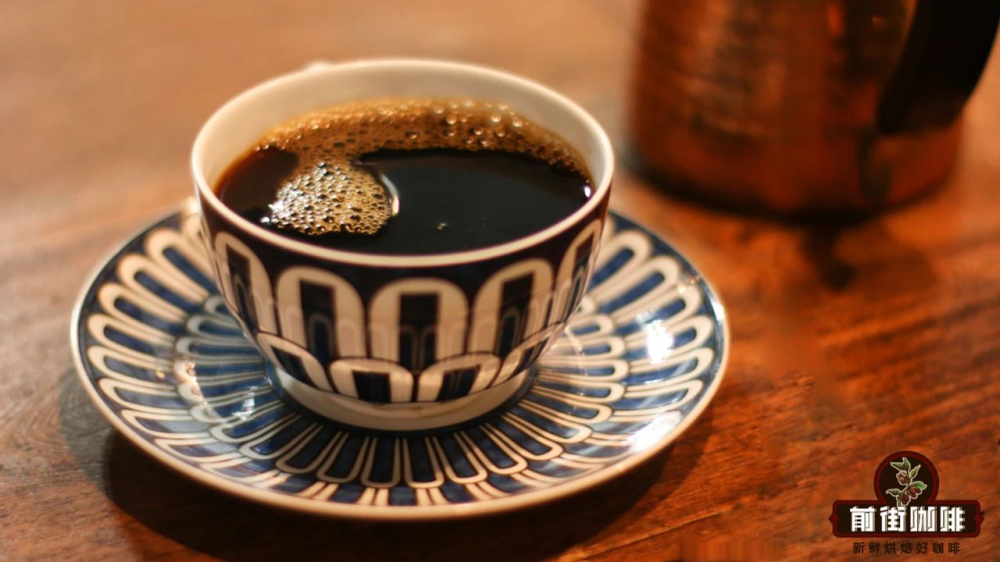
It's easy to see that the key differences between the two are water volume and grind size. Iced pour-over uses less water because it relies on ice for rapid cooling, so the water volume must be reduced to raise the coffee's concentration, otherwise melting ice would turn it into a weak "coffee water."
But with less water, the same brewing method can't extract the coffee sufficiently, so Front Street Coffee grinds finer to appropriately raise the extraction yield. Clearly, the root of the difference lies mainly in the amount of water used.
Pour-over coffee doesn't have the pressure of an espresso machine to help it, so when there isn't enough water, brewing and dripping alone can hardly bring out all the desired flavor compounds. Below, Front Street Coffee uses a set of comparative experiments to help you better understand this. Of course, friends can also try it at home when free, because it really shows the difference between the two directly. Comparative experiment Next, Front Street Coffee will brew one pot each at 1:15 and 1:10 brew ratios, with parameters consistent with those listed above. The only difference: the 1:10 pot gets no ice, but is diluted with hot water instead. The purpose is to bring the two pots' temperature and concentration as close as possible, thereby more clearly showing the difference caused by different amounts of brewing water.
The bean chosen for this session is Front Street Coffee's Guodingding; the brewing method was covered in yesterday's article, so we won't repeat it here. Only after brewing do we need to measure the liquid weight of each pot separately.
Measured, the pot using the 1:15 brew ratio had a coffee liquid weight of 195ml, while the pot using the 1:10 brew ratio had 120ml. We take one spoonful of coffee liquid each (about 1ml) to test the extraction yield, then add 70ml of 65°C hot water to the 1:10 pot to dilute it, bringing its concentration close to the 1:15 pot, and finally taste.
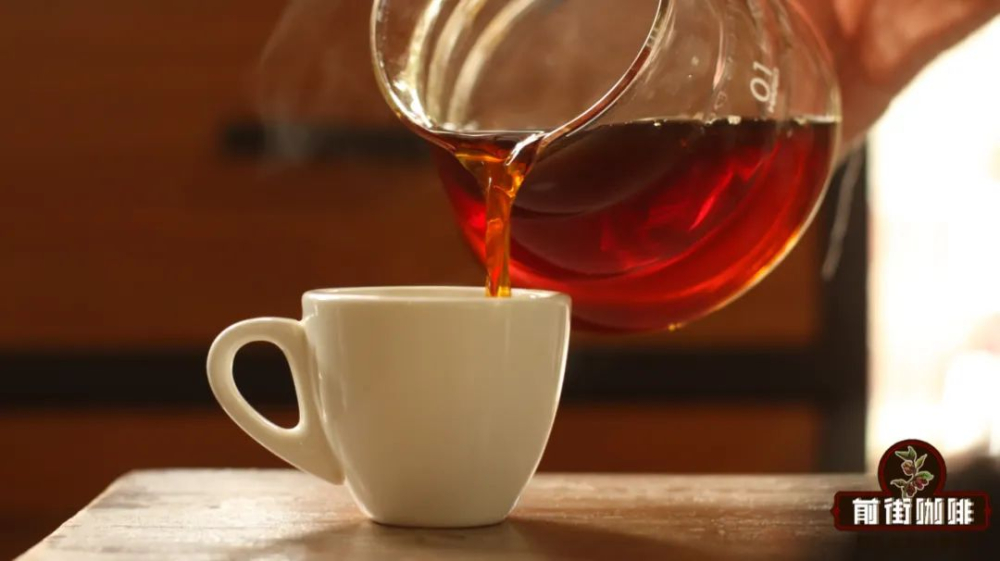
Honestly, the difference is very obvious. The 1:15 brew ratio pot had an extraction yield of 20.6%, with very rich layers, full acidity and sweetness, flavors of citrus, strawberry, cream, and berries, plus a clear sweet aftertaste like honey after swallowing; whereas the 1:10 brew ratio pot had an extraction yield of 18.1%, with relatively thin layers, more of a prominent acidity and sweetness, and almost no bitterness. Its flavors were strawberry, berries, and citrus, with no sweet aftertaste after swallowing, but even so, it still counted as tasty.
Afterward, Front Street Coffee poured both pots for guests and friends at the shop to taste and choose blindly, and everyone unanimously picked the 1:15 pot. The conclusion: both were tasty, but the 1:15 brew ratio pot had fuller flavor and tasted a bit better.
Reading this, some may ask: since too little water leads to insufficient dissolution of compounds, couldn't you just grind as fine as possible and raise the water temperature as high as possible to make up for the extraction efficiency lost from the missing water? Purely in terms of extraction logic, that reasoning is correct. But in practice, we must consider not only the relationships between parameters but also issues beyond the parameters, such as: fines.
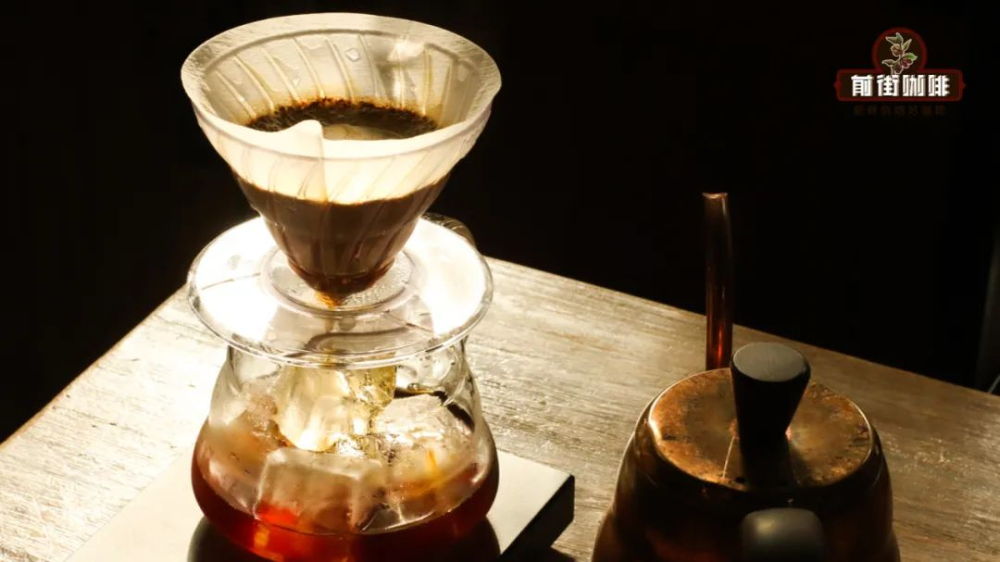
A finer grind gives coffee grounds more surface area in contact with water, but it also creates more fines. Fines dissolve compounds faster than regular particles, meaning they more easily dissolve out all the bitter compounds. Front Street Coffee once tested grinding finer to Ek43 setting 7, with other parameters unchanged, brewing at a 1:10 ratio; the result was an extraction yield of 20%, within the Golden Cup extraction range. It looked like a good cup of coffee, but it didn't taste that way. Because it showed no distinct flavor, mostly just bitterness and off-flavors.
So when the grind is too fine, the coffee easily over-extracts due to too many fines. And the extraction yield meeting the standard is only because it's an average—it can't measure how much acidity, sweetness, or bitterness is in there. Therefore, most coffee shops' iced pour-over, for the sake of consistency, only makes slight adjustments on top of their existing hot pour-over, and won't attempt highly unstable extraction methods for a more pronounced flavor. And some coffee shops, to extract more completely, add more coffee to increase the amount of water used for extraction. The result naturally achieves the goal, but it raises costs and prices accordingly, so most coffee shops don't make iced pour-over this way.
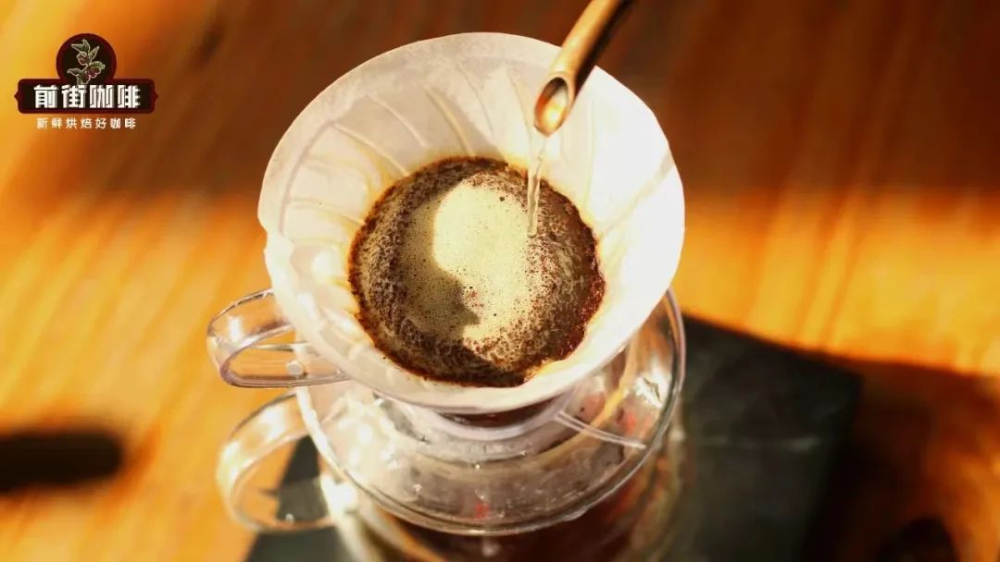
In summary, you can now understand why you have to drink pour-over coffee hot if you want the flavor. Because hot pour-over has enough water to dissolve out the flavor compounds in the coffee, making the flavor expression more complete.
The above content is compiled by CoffeeHunters, a coffee news website.


