







How Does Extraction Temperature Shape Your Cup of Coffee?
Pour-over and cold brew from the same bag of beans taste different because of extraction temperature. Pour-over uses hot water, which extracts soluble flavor substances quickly, so the taste shifts fast and the cup should be drunk soon after brewing. Cold brew soaks grounds in cold water, slowing extraction and producing a smoother, less acidic result.
For iced pour-over, less hot water brews a higher-concentration liquid that is then cooled with ice, giving a brighter, sweet-and-sour profile suited to light to medium roasts. A process description of making coffee covers hot pour-over, iced pour-over and cold brew, with bean choices such as Front Street Dingding, Butterfly, Strawberry Candy and Huakui fitting different styles, from coffee green bean to cup.
Why do the same coffee beans taste so different when brewed as pour-over versus cold brew? From the perspective of Front Street, this article systematically sorts out the core differences between high-temperature pour-over and low-temperature cold brew in extraction principles, flavor performance, and suitable bean types. The article covers a comparative tasting of three methods—hot pour-over, iced pour-over, and cold brew—analyzes the effect of water temperature on the dissolution order of acids, sweetness, bitterness, and other substances in coffee, and gives recommendations for coffee beans suitable for both brewing methods, including specific Front Street products such as Dingding, Butterfly, Strawberry Candy, and Huakui, helping coffee lovers easily make their ideal cup at home.
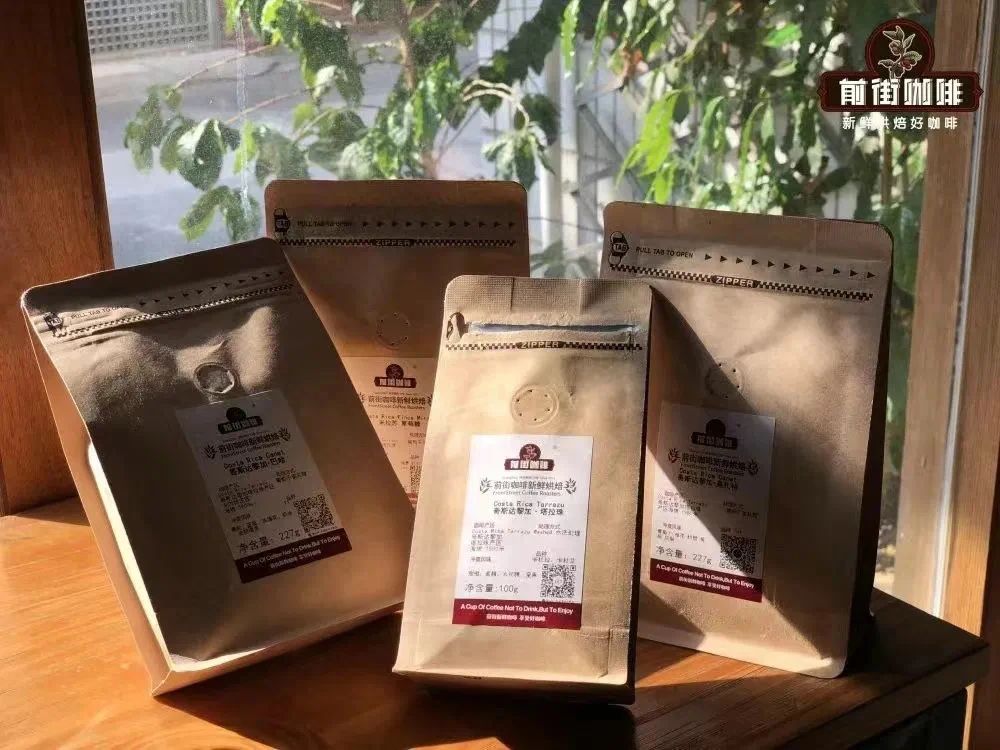
Front Street has found that many friends, after getting a bag of coffee beans, will try making pour-over or cold brew at home. These two methods are indeed the most convenient, and the equipment needed is not complicated. So some people wonder: why do cold brew and pour-over from the same bag of beans taste so different?
—The Core Difference Between Pour-Over and Cold Brew
The most fundamental difference between the two lies in the extraction temperature: pour-over is high-temperature extraction, while cold brew is low-temperature extraction.
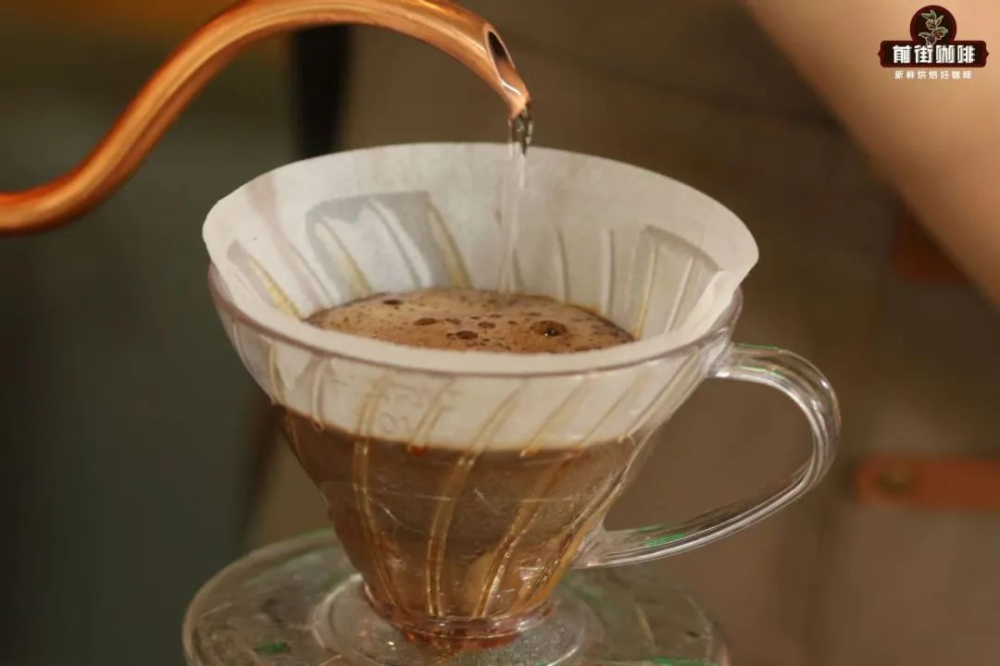
Pour-over coffee, whether hot pour-over or iced pour-over, involves hot water contacting coffee grounds at room temperature to extract soluble flavor substances. At high temperatures, extraction is fast, and the taste changes quickly, so it needs to be drunk as soon as possible after brewing.
Iced pour-over, on the other hand, adjusts the coffee-to-water ratio based on hot pour-over, using less hot water to brew a higher-concentration coffee liquid, then rapidly cooling it with ice to create an iced taste.
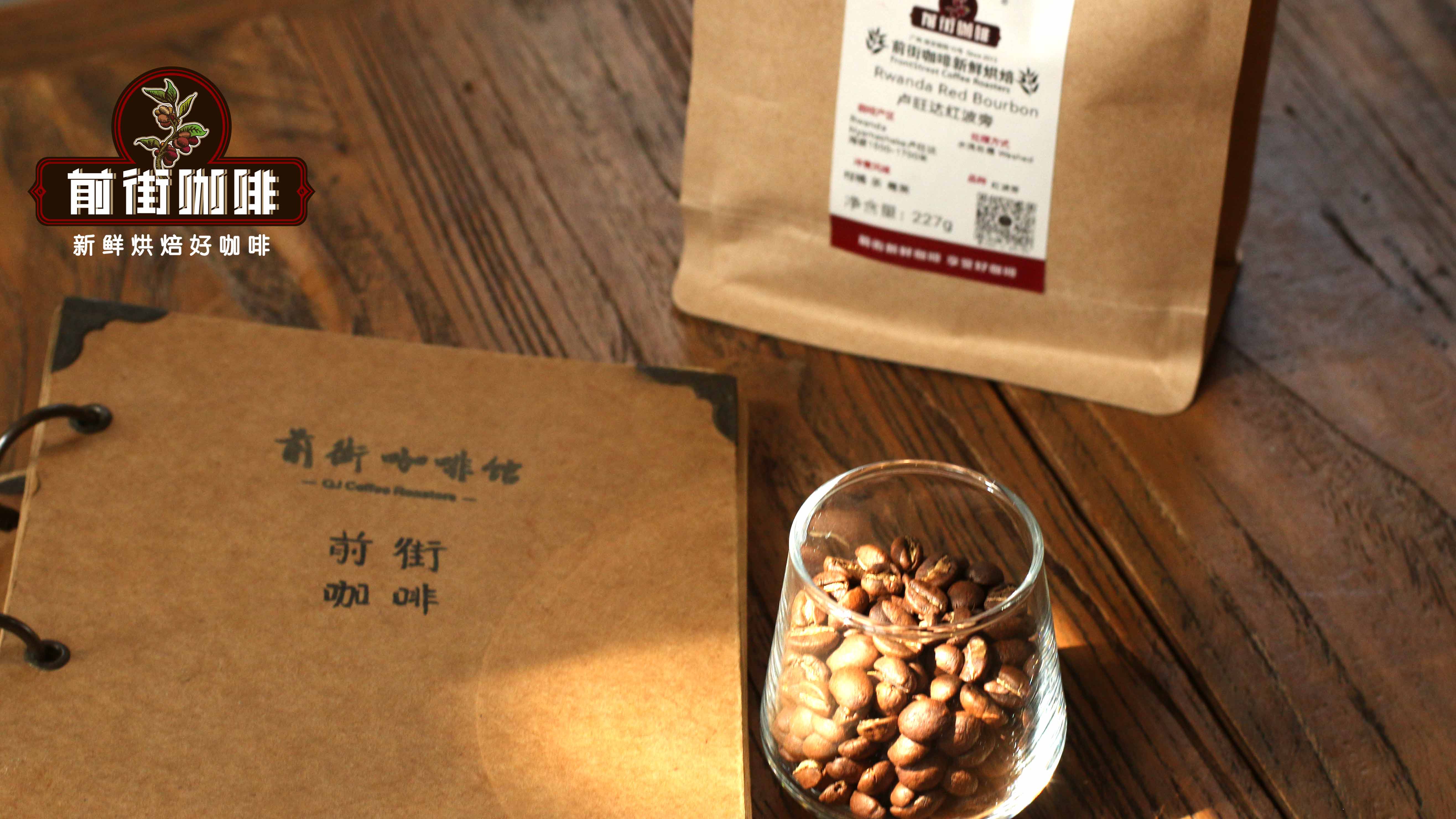
Compared with hot pour-over, iced pour-over emphasizes refreshment and sweet-and-sour flavors more, so it is recommended to prioritize light to medium roast flavor-type beans. If you like a bright and refreshing style, you can try Front Street Dingding, Front Street Butterfly, Front Street Rwanda Red Bourbon;
if you prefer types with prominent sweetness, Front Street Strawberry Candy, Front Street Xizhua, and Front Street Daduqi would be good choices.
Cold brew coffee, also called cold-pressed coffee, is made by soaking coffee grounds in room-temperature water or ice water, placing it in the refrigerator for slow extraction at low temperature for 8 to 24 hours, then filtering out the coffee grounds to obtain iced coffee. The cold brew liquid extracted in a low-temperature environment can be stored in the refrigerator for 3 to 5 days. As storage time increases, the flavor will gradually take on a fermented note.
When Front Street makes cold brew, it usually prioritizes beans with floral and fruity notes, mainly light to medium roast, with floral aromas and fruity sweet-and-sour notes. Recommended are Front Street Huakui Coffee and Front Street Red Cherry Coffee; if you prefer a juicy feel, you can choose fruit-forward beans such as Front Street Little Tomato Coffee and Front Street Mozart Coffee. All of the above can be ordered from the Front Street Tmall flagship store or the Front Street Taobao store.
—Different Brewing Methods, Different Coffee Taste
Front Street selected a light-roast washed Yirgacheffe Dingding and used three methods—hot pour-over, cold brew, and iced pour-over—for a flavor comparison.
The flavor layers of hot pour-over are complete, reflected in the front, middle, and finish: jasmine and honey-like sweet aroma, the bright acidity of lemon and citrus, and after swallowing, the aroma of green tea remains in the mouth. After the temperature drops, the flavor continues to change, with very rich layering.
The cold brew Dingding was left in the refrigerator overnight. A thin layer of oil floated on the surface, and the aroma was relatively weak when smelled. On the palate, it had the acidity and aroma of berries and citrus, with a clear sweet taste, a bit like iced fruit tea, but the flavor layering was relatively average.
Iced pour-over, which is also an iced drink, uses a finer grind and extracts a higher-concentration coffee liquid with high-temperature hot water, so it dissolves more substances than cold brew. Although the flavor is not as full as hot pour-over, the overall tone is not very different, and the cooling from ice also adds a sweet-and-sour refreshing quality to the coffee.
—Differences in the Dissolution of Flavor Substances at Different Temperatures
Coffee contains quinic acid, amino acids, tannic acid, caffeine, oils, and other components. During extraction, water and coffee undergo a series of chemical reactions, and the water temperature directly affects the extraction rate of various components.
During brewing, the first to emerge are small molecules such as fruit acids, followed by sweetness molecules, and finally large bitterness molecules. The higher the temperature, the faster the extraction speed, and various variables may change the taste of the coffee, so when making pour-over, it is necessary to consciously control the extraction rate.
In a low-temperature environment, the amount of bitter substances extracted is much less than at high temperature. To increase the extraction rate, it is necessary to extend the contact time between the coffee grounds and water.
However, even if ways are found to increase the extraction rate, low temperature still cannot release rich flavor molecules as high temperature does through the vigorous movement of water molecules. The body and mouthfeel of a cup of coffee largely come from bitter substances. Coffee lacking bitter components will taste thin and not full enough.
Before Front Street launches each coffee bean, it first tests it through cupping, using 94-degree hot water to stimulate various aromatic substances, and then writes the flavor description on the label. All flavor descriptions are based on high-temperature extraction. Low temperature can only extract part of them, which is why the aroma concentration of cold brew coffee is not as good as pour-over.
—What Coffee Beans to Choose
Front Street has also mentioned in previous articles that medium-light roast fruit-flavored coffee is more suitable for cold brew than dark roast. This is because if the grind size of dark roast beans is not adjusted well, combined with the effect of ice, it is easy for only bitterness to remain.
If you want to stock a bag of beans at home, brew it using both pour-over and cold brew, and still drink a richer taste, Front Street suggests choosing specialty processed coffee beans with high flavor recognizability, such as Honduras Sherry, Costa Rica Musician Series, Colombia Flower Moon Night, Ethiopia Dorothy...
In this way, you can enjoy both the full and rich aroma of pour-over coffee and the icy, mellow taste of iced coffee.
The above content is compiled by CoffeeHunters, a coffee news website.


