








Can Brewing Coffee With Milk Work in a Pour-Over?
Using milk instead of water in a pour-over is possible if taste is not a concern, since milk is still a liquid. The problems start with temperature: milk above 70°C damages proteins and lactose, reducing sweetness and mouthfeel, while pour-over water for light roasts runs far hotter and needs a fine grind and agitation for fast extraction.
Milk solids also interfere with extraction and mute coffee flavor release, and the drink often turns out watery without careful balance. A workable approach is to brew a concentrated pour-over first, then add warmed milk and adjust the latte milk ratio to taste. The article walks through temperature, extraction interference and integration technique in order.
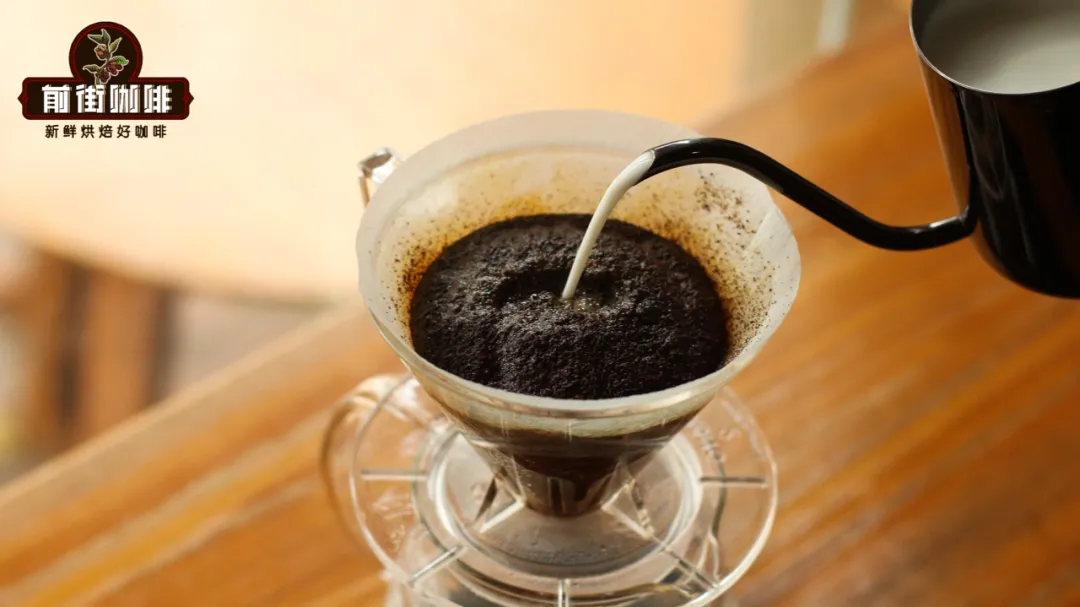
Pour-over coffee is loved for its refreshing, clean flavor, but after drinking too much black coffee, you can't help wanting a change of pace and a rich, creamy milk coffee. So some friends had a wild idea: can you directly use milk instead of water to brew pour-over? Front Street's conclusion is—simple brewing is possible, but if you want a delicious cup of milk coffee, you must solve three key problems. First is temperature: milk above 70°C will damage proteins and lactose, leading to a worse mouthfeel and less sweetness, while the high water temperature required for pour-over far exceeds this limit; second, the rich substances in milk will interfere with extraction and affect the release of coffee flavors; finally, there is the technique of ratio and integration. This article will analyze these problems one by one and give practical advice on latte milk temperature and adding milk to pour-over, helping you find the milk coffee solution that suits you best.
But once you're used to black coffee, your taste buds will always want some variation from time to time, such as a cup of silky, rich milk coffee. However, after adding milk to pour-over, it often tastes too watery, so many people have an idea: can milk be used directly to brew pour-over coffee?
Let's give a conclusion first—if you merely use milk for brewing and have no requirements for taste, then of course it works; milk is at least a liquid, so it is not impossible to operate. But if you want to extract a truly delicious, tasty cup of coffee with milk, we first have to overcome three difficulties. Once they cannot be solved, the final coffee will most likely be hard to drink.
The first difficulty: the temperature of milk.
The reason pour-over coffee is so widely favored is not only that it can present clear flavor layers, but also that it is fast! In just about two minutes, you can extract a pot of black coffee with a distinctive character. To achieve this efficient extraction, the coordinated cooperation of various parameters is indispensable. Taking light-roasted beans as an example, if you want to force out a large amount of flavor in a short time, you need to rely on a finer grind, extremely high water temperature, and water-flow agitation to achieve the goal. Even for dark-roasted beans, which are easier to extract, the starting water temperature must reach 86°C.

But milk simply cannot withstand such high temperatures. We all know that once milk exceeds 70°C, components such as proteins and lactose are damaged by the high heat. After these substances are damaged, the milk's mouthfeel becomes worse and thinner, and its sweetness also declines. To put it plainly, the milk becomes no longer tasty! Therefore, to keep milk in a "healthy state," we must keep the temperature below 70°C. But under this limit, the milk is at most warm and slightly hot, and the extraction efficiency is quite limited. If used directly for brewing, what you get will obviously only be a cup of milk with coffee flavor, not milk coffee. Of course, many clever friends will think that this can be compensated for by improving the extraction efficiency of other parameters, such as adjusting the grind finer and extending the extraction time.
The idea is right, but because the temperature gap is simply too large, even after adjustments, it is still hard for milk to fully extract the substances in coffee as we wish. And this is only the first problem. Next, Front Street will talk about the second difficulty encountered when using milk to extract coffee: over-saturation.
Next is the second problem: the substances in milk.
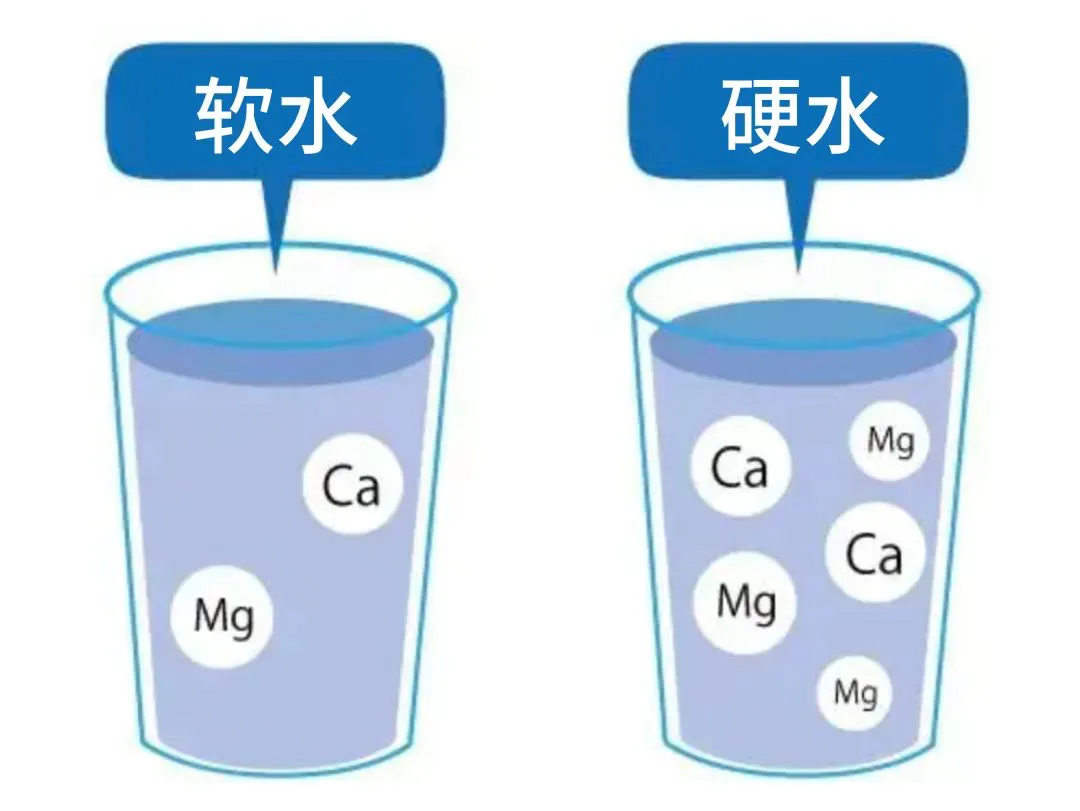
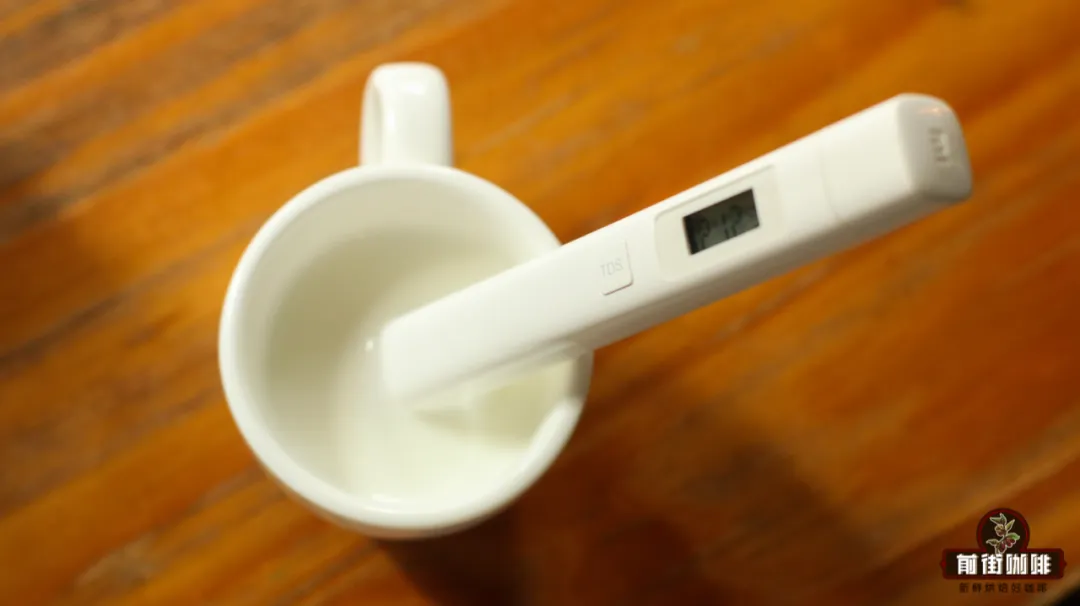
Okay, let's assume milk can be heated to 92°C. But you should know that not all liquids are suitable for brewing coffee; even water is no exception. Not long ago, Front Street shared that to brew a delicious cup of coffee, in addition to the coffee beans having to pass quality standards, the choice of water is also crucial. Although water is colorless and tasteless, seemingly containing nothing, it actually contains many substances, such as calcium, magnesium, potassium, sodium and other ions as well as bicarbonate ions. The amount of these substances in water affects the hardness or softness of the water and can also determine how easily the water dissolves coffee substances.

The above content is compiled by CoffeeHunters, a coffee news website.


