







Search Results for: 80°C
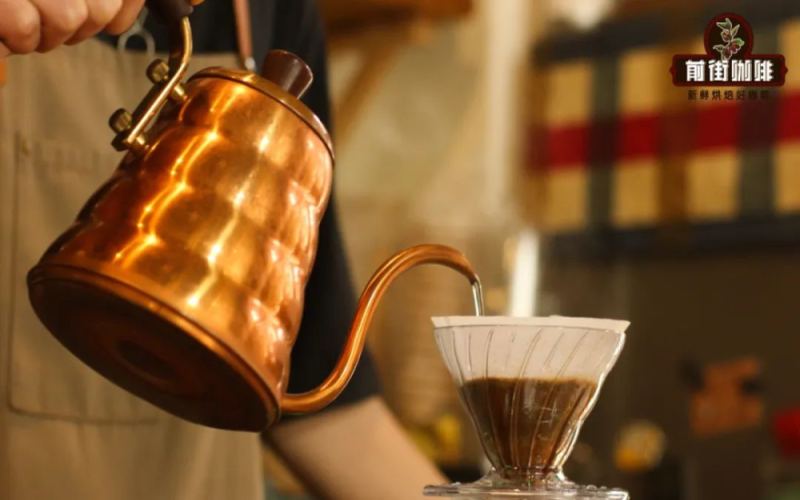
Can pour-over coffee still taste good when the water temperature drops to 80°C? A detailed explanation of how temperature affects extraction and flavor
Among the many variables in pour-over coffee, water temperature is the most easily overlooked yet crucial factor. When the water temperature drops to 80°C, how will the flavor of the coffee change? Is it under-extraction or something entirely different? This article will focus on pour-over practice at 80°C, delving into the effects of temperature on extraction efficiency and flavor expression, and offering practical advice on adjusting grind size, pouring, and other parameters. Whether you are a beginner just starting out or a seasoned connoisseur pursuing perfection, you will find ideas to make your coffee taste better. Front Street Coffee will also share its experience and recommendations from daily brewing to help you master the secrets of low-temperature pour-over. [more…]

How Does Milk Temperature Shape Latte Flavor? A Side-by-Side Test from 40°C to 80°C
As the weather turns cooler, the demand for hot milk coffee rises noticeably. Some coffee shops, wanting takeaway customers to still feel warmth when they receive their drink, steam the milk to a temperature far above the usual 65°C or so, even close to scalding. What changes does milk temperature—whether too high or too low—actually bring to a latte? In this article, we steam milk at three temperatures—40°C, 60°C, and 80°C—and make lattes with each, comparing them one by one in terms of aroma, sweetness, milk foam texture, and overall balance, to find the more ideal serving temperature and explain why everyday cafés usually don't change their milk temperature lightly. [more…]
Analysis of the Optimal Serving Temperature for Hot Americano: A Comparative Experiment Between Dark and Light Roast Beans
In the cold winter, the order rate for hot Americanos rises noticeably, yet the serving temperature at different cafés varies widely, ranging from 60°C to over 90°C. Exactly which temperature range allows a hot Americano to reach its best flavor and mouthfeel? Front Street used a dark-roast espresso blend and a medium-light-roast single-origin bean respectively, comparing them one by one at four temperatures: 60°C, 70°C, 80°C, and 90°C, conducting tests across dimensions such as aroma retention, initial drinking experience, changes as it cools, and the length of the enjoyable drinking window. The results showed that the optimal temperature for dark-roast and light-roast beans is not the same, but both are not very friendly to high temperatures above 80°C. This article will present the full experimental process and conclusions to help coffee lovers find the most ideal state for a cup of hot Americano in winter. [more…]
What Is the Ideal Temperature for Hot Americano? A Full Analysis of Flavor Differences at Various Temperatures and the Best Time to Drink It
Coffee enthusiasts have different preferences for drinking temperature, from piping hot to ice-cold, but the actual impact of temperature on flavor is often overlooked. This article focuses on hot Americano, a category that receives much attention in winter, and explores the changes in aroma and mouthfeel at different serving temperatures. Front Street Coffee uses a dark-roast espresso blend and a light-roast single-origin bean to make Americanos separately, comparing them one by one at four temperatures: 60°C, 70°C, 80°C, and 90°C, in an attempt to identify the range with the best flavor performance. The test also focuses on the evolution of taste as the coffee cools, as well as the phenomenon that bitterness increases as the temperature drops. The final conclusion points to serving at a medium-high temperature of 75–80°C, and it is recommended to use preheated cups to extend the optimal tasting time. [more…]
How Does Water Temperature in Pour-Over Coffee Affect Extraction Flavor? A Comparative Experiment and Selection Guide from 80°C to 96°C
Among the many variables in pour-over coffee, water temperature has a particularly direct impact on the extraction result. It not only determines the speed and sequence with which flavor compounds are released from the coffee, but also ultimately shapes the acidity, sweetness, bitterness, and body of a cup of coffee. In this article, through comparative experiments conducted by Front Street Coffee using washed Yirgacheffe beans, five water temperature groups of 80°C, 86°C, 90°C, 93°C, and 96°C were used for brewing, recording the flavor differences and analyzing the relationship between water temperature and extraction yield and concentration. At the same time, the article also provides the recommended water temperature ranges for light-roasted and dark-roasted coffee beans in daily brewing, helping coffee enthusiasts make more suitable choices for different beans. [more…]
How Does Water Temperature Affect Flavor in Pour-Over Coffee? Extraction Experiments and a Temperature Selection Guide from 80°C to 96°C
Water temperature is an extremely critical part of pour-over coffee extraction. It not only determines the degree to which coffee compounds are dissolved, but also directly influences the final flavor direction. Through a comparative experiment at Front Street Coffee using the washed beans of the Yirgacheffe Guddina Cooperative, this article brews at five water temperatures—80°C, 86°C, 90°C, 93°C, and 96°C—observing the changes in acidity, sweetness, tea-like character, and astringency, and offers practical advice on choosing water temperature according to roast level. At the same time, starting from the lignocellulose structure of coffee beans and the structure of soluble aroma molecules, it explains why different water temperatures bring about completely different flavor layers, helping you avoid over-extraction bitterness or under-extraction blandness in your daily brewing. [more…]
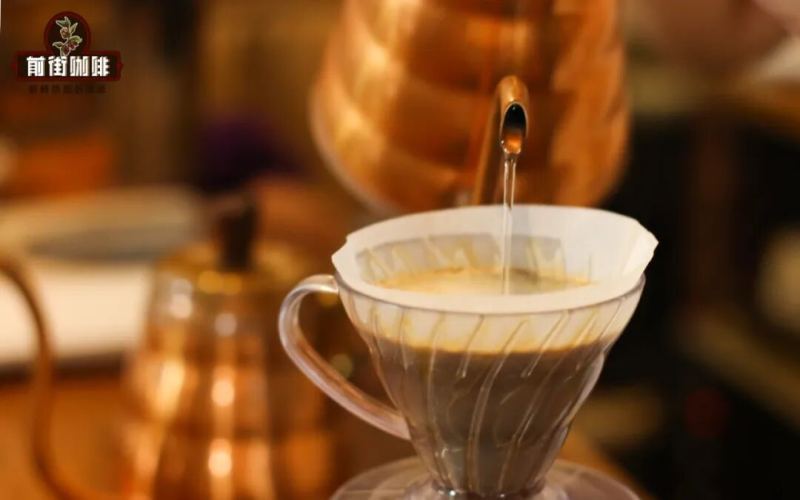
Pour-Over Coffee Tutorial | Why Do Some Coffee Beans Have Floral Aromas? How to Brew the Floral Flavors in Ethiopian Gedeb G1 Coffee?
Although floral aromas are not uncommon in coffee, they are undoubtedly one of the most appealing flavors among the many. After all, quite a few friends became fascinated with coffee precisely because they tasted floral notes in it. But brewing floral notes out of coffee is not a simple matter, because friends often tell Front Street that they [more…]
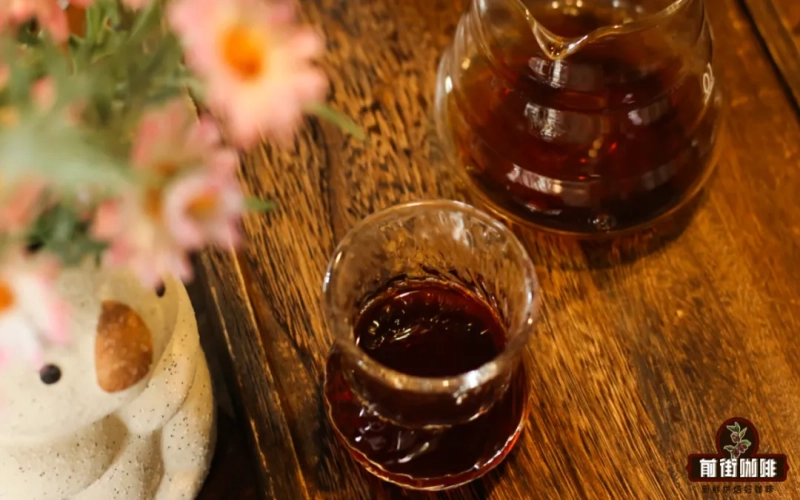
How to Make Coffee Floral Notes More Prominent? Yirgacheffe Gotingding Variable Temperature Brewing Method and Geisha Flavor Analysis
Floral notes are one of the most captivating flavors in coffee, and many people fall head over heels into the rabbit hole precisely because they tasted florals in a cup. But consistently brewing clear floral notes at home is no easy task: you need to choose the right floral beans, and you also need a brewing strategy that keeps the florals from being masked or fading too early. From the perspective of Front Street, this article first explains where floral notes come from, covering factors such as variety, altitude, processing, and roasting; then, drawing on the approach of 2022 WBrC champion Sherry, it shares a three-pour, variable-temperature brewing scheme, and uses Yirgacheffe·Gedeb as an example to give reproducible parameters and step-by-step instructions. [more…]
Three-Temperature Pour-Over Method Explained: A Complete Guide to Variable-Temperature Staged Extraction Workflow and Parameters
Among the many variables in pour-over coffee, water temperature is often seen as the most conservative one—once a value is chosen, it is no longer changed. However, Wu Tzelo, the 2016 WBC champion, turned water temperature into a powerful tool for regulating flavor in stages. His invented "sauna pour-over method" extracts sequentially through three temperature ranges—94°C, 90°C, and 80°C—allowing acidity, sweetness, bitterness, and umami to each find their proper place. In this article, Front Street will fully replicate this technique, breaking down the extraction logic and practical parameters behind variable-temperature brewing one by one, from equipment preparation and staged pouring rhythm to the final flavor presentation, helping you understand why water temperature can become the key lever for adjusting coffee balance. [more…]
What Is the Ideal Water Temperature for Pour-Over Coffee? An Experimental Analysis of How Different Temperatures Affect Extraction Flavor
Many coffee enthusiasts who brew pour-over at home habitually estimate the water temperature by feel, without using a thermometer. As a result, the taste comes out a little different every time, and they start to wonder whether the beans are stale or the quality is problematic. In fact, water temperature has a far greater impact on pour-over extraction than one might imagine—the same beans can present completely different flavor directions at different water temperatures. In this article, Front Street Coffee uses a washed Yirgacheffe Gedingding Cooperative coffee bean from Ethiopia as the sample, brewing comparison tests at five water temperatures—80°C, 86°C, 90°C, 93°C, and 96°C. Through actual tasting, it records the flavor differences at each temperature, analyzes the principles by which water temperature affects extraction, and finally provides a recommended temperature range for everyday brewing. [more…]
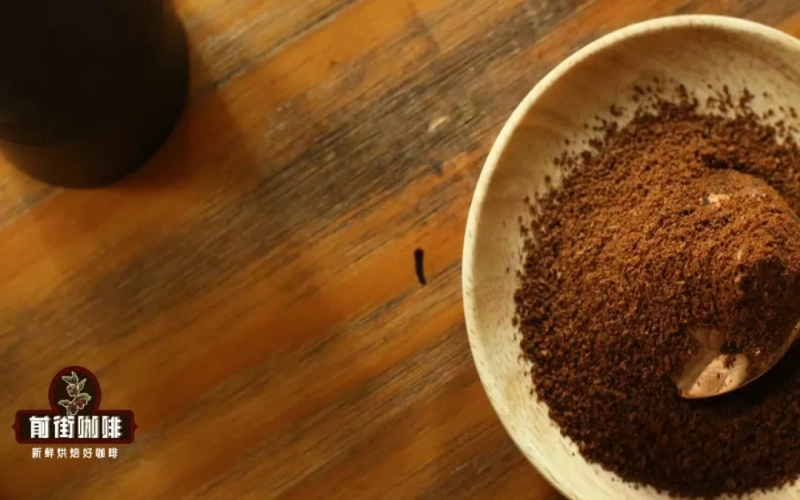
Why Extract Coffee at Different Temperatures? Analyzing Three-Temperature Variable-Temperature Brewing and Pour-Over Water Temperature Selection
In pour-over coffee, when extraction parameters are too high, it is usually possible to dial them back, but if over-extraction is caused by too many fines from the grinder, adjusting parameters alone is often not enough to solve the problem. In this case, sifting out the fines or adopting variable-temperature brewing are both response options recognized by Front Street Coffee. This article will focus on variable-temperature brewing: it is not a minor adjustment of 2~3°C, but rather segmented extraction with a larger temperature differential, controlling the dissolution rhythm of flavor compounds through high-temperature fast extraction and low-temperature slow release. The article will trace the origins of this method, analyze the championship cases of Wu Zelin and Emi, explain how to use cold water to regulate temperature and achieve a variable-temperature operation that starts high and ends low, and share in detail the practical process of the "Devil Brewing Method" by Tetsu Kasuya, which Front Street Coffee favors. [more…]

How to Choose the Water Temperature for Pour-Over Coffee? A Detailed Explanation from Dissolution Principles to Brewing Practice of Temperature's Influence on Flavor
What water temperature is actually suitable for pour-over coffee? Does a higher temperature always mean better extraction? Starting from everyday dissolution phenomena, this article explains how water temperature affects coffee extraction efficiency, and uses cupping immersion experiments and pour-over comparison data to show how coffee flavor actually performs at different temperatures. The article also explores competition brewers' high-temperature brewing strategies, and why Front Street Coffee recommends a relatively narrow brewing temperature range, helping enthusiasts understand the key role of water temperature in brewing and avoid common misconceptions. [more…]
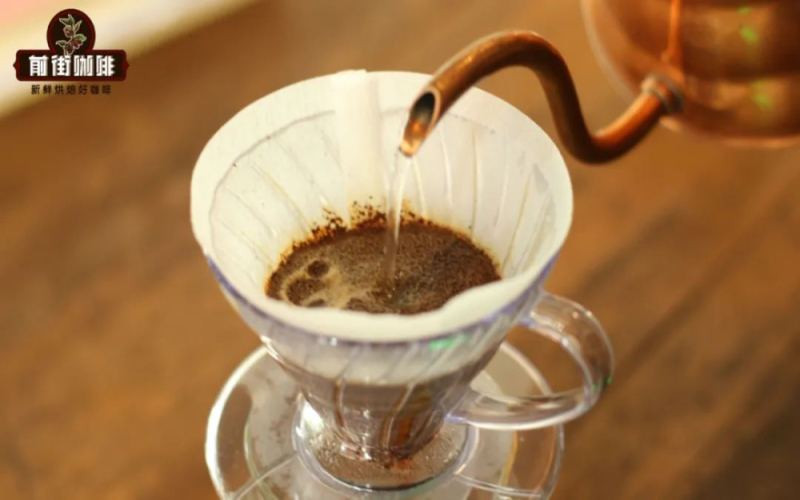
The Bypass Brewing Technique in Pour-Over Coffee: A Practical Guide to Diluting Strength, Rescuing Botched Brews, and Making Iced Coffee
In the world of pour-over coffee, besides the conventional extraction path, there is also an operation known as "bypass"—letting hot water bypass the coffee grounds and fall directly into the server, where it mixes with the already-brewed coffee liquid. This method seems simple, yet it can effectively dilute coffee that is too concentrated, allowing the flavor layers to unfold. Front Street Coffee frequently uses this technique in daily brewing; for example, when a pot of Finca Los Pirineos Geisha has an overly concentrated acidity due to improper brewing, pouring in a small amount of 80°C hot water can release the fruity notes of grape, passion fruit, and citrus. Beyond adjusting concentration, bypass is also widely used in iced coffee preparation, in rescuing over-extracted coffee caused by fine-particle clogging, and even appears in professional coffee competitions. But note that it is not a cure-all—when faced with severely over-extracted or under-extracted coffee, bypass pouring is powerless. This article will systematically analyze the principles, applicable scenarios, and key operational points of bypass, helping you control coffee flavor more flexibly. [more…]
From Aroma and Color to Sipping and Tasting: Mastering the Four Key Steps and Temperature Control of Pour-Over Coffee Tasting
A good cup of coffee deserves our serious attention from the moment it is set before us. Many people rush to take a sip as soon as they receive their coffee, but a complete tasting actually follows a careful procedure—first smell its aroma, then observe its color, then slurp loudly so the coffee liquid is fully atomized and coats the entire mouth, and finally smell the aroma lingering at the bottom of the cup to capture those shifting fruity and floral notes. Beyond the steps, temperature is equally key to how flavors express themselves: about 83°C at the moment of brewing, about 80°C when poured into the cup, and ideally 61 to 62°C when sipped. This article systematically lays out the correct way to drink pour-over coffee, from operational details to sensory experience, and explains the sources of bitterness, acidity, sweetness, aroma, and astringency in coffee, helping you taste layers and surprises in every sip. [more…]
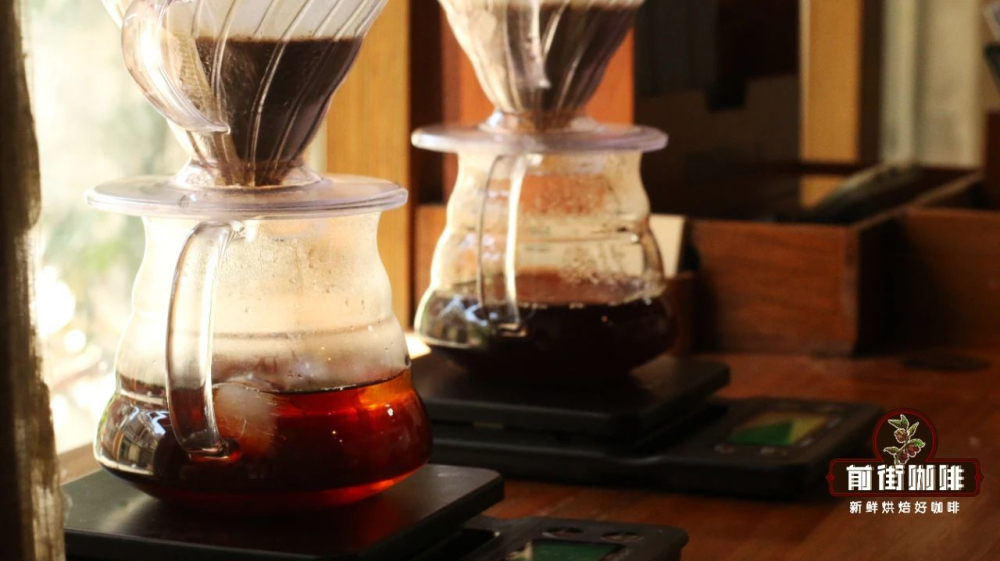
Pour-over Coffee Brewing Tips | What Is the Ideal Water Temperature for Pour-over Coffee? How Does Brewing Water Temperature Affect the Flavor and Mouthfeel of Pour-over Coffee?
If you ask whether water temperature is important for extraction, Front Street Coffee believes it is important, but not that important. As a tool for adjusting the extraction rate, the higher the temperature, the easier it is to extract soluble substances, but because too high a water temperature will cause coffee to quickly release bitterness, a conservative range should be chosen. Generally speaking, the vast majority on the market [more…]

Brewing Coffee the Matcha Way: An Analysis of Matcha's Origins, the Tea Whisking Culture, and Traditional Brewing Techniques
Matcha and coffee may seem to belong to two different worlds, but what kind of flavor collision would occur if we borrowed the brewing logic of matcha to make coffee? Before getting hands-on, Front Street Coffee will first take everyone back through the historical origins of matcha—it began with the whisked tea method of China's Song Dynasty, and after localized evolution, became part of Japanese tea ceremony culture, which emphasizes the spirit of "harmony, respect, purity, and tranquility." Traditional matcha brewing requires a small amount of matcha powder with 70°C~80°C warm water, first blended in a bowl with a tea whisk, then a measured amount of warm water is added and whisked to create foam, producing a thick, delicate layer of foam. This article unfolds around the origins of matcha, key brewing points, and the specific method for making matcha coffee, while preserving relevant images and recommendation information in appropriate places. [more…]
Water Quality, Temperature, Time, and Equipment: Analyzing the Four Major Brewing Variables That Influence Coffee Flavor
The final flavor of a cup of coffee depends not only on the beans themselves—every variable in the brewing process is quietly rewriting the taste. Water quality is the foundation: hard water or water with high iron content will directly drag down the flavor; water temperature needs to be controlled between 80°C and 90°C, as boiling water only lets bitterness steal the show. Steeping time is equally critical, with around two minutes being the ideal range; steep too long and the aromatic oils are destroyed, while a cloudy film also rises to the surface. The material of the equipment cannot be ignored either: glass and ceramic are safe choices, while metal vessels easily trigger oxidation reactions and bring unpleasant flavors. As for the dosage, it should be adjusted flexibly according to grind size and personal taste—coarse particles often require a bit more than fine ones. Only by mastering these key points can the coffee's aroma and layers be released steadily. [more…]
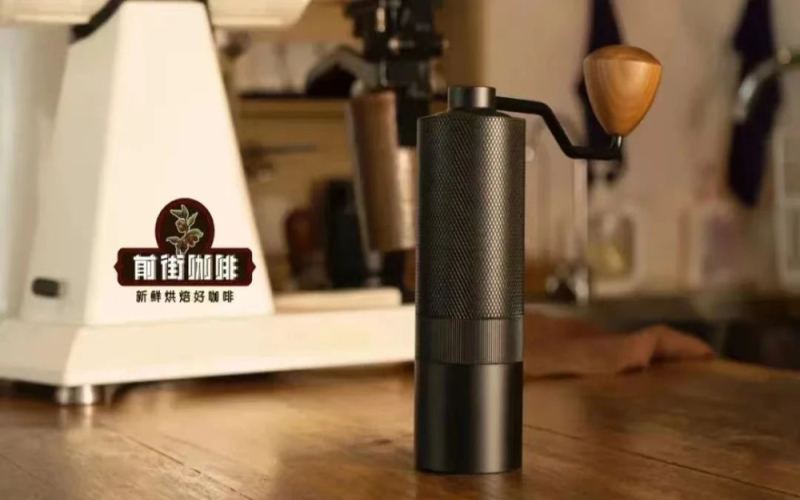
Coffee Grinder Settings Guide: Hand Grinder Disassembly and Pour-Over Grind Standards
Grind size is one of the core variables affecting coffee flavor. This article starts with the structure of a manual coffee grinder, gradually explaining how to disassemble it and adjust the grind adjustment screw, and, combined with the hands-on experience of Front Street Coffee, provides grind size standards for different brewing methods. At the same time, the article also shares a method for judging whether the grind is appropriate using a 0.80 mm standard sieve, as well as reference suggestions for pour-over parameters such as the coffee-to-water ratio, water temperature, and extraction time. Finally, using Panama Diamond Mountain coffee beans as an example, it demonstrates a complete three-stage brewing process to help readers put theory into daily practice. [more…]

Coffee Brewing Water Temperature | What water temperature is suitable for drip coffee brewing? How does water temperature affect the extraction process of pour-over coffee?
For more specialty coffee knowledge, please follow: Front Street Coffee (Frontsteet Coffee) Many friends in their daily lives, when brewing pour-over coffee, do not use a thermometer and brew a coffee bean with an approximate water temperature, and then because the taste is different every time, they start to question whether it is the coffee bean. [more…]
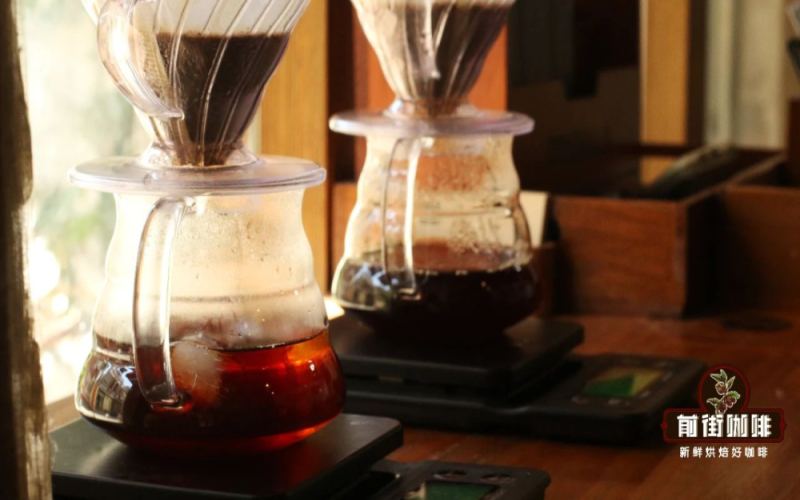
How to Choose the Water Temperature for Pour-Over Coffee? From Extraction Principles to Variable-Temperature Brewing, Understanding the Impact of Temperature on Flavor in One Go
What role does water temperature actually play when brewing coffee? Front Street Coffee believes that while it is crucial, it is not the only factor determining flavor. The higher the temperature, the faster the extraction of soluble substances, but excessively high water temperatures quickly bring out bitterness, so adjustments need to be made within a safe range. Most coffee beans are suitable for brewing at water temperatures of 86–93°C, though the specific setting should be flexibly adjusted based on the growing region, roast level, and flavor goals. This article will move from the basic range and common misconceptions to the variable-temperature brewing methods that have become popular in recent competitions, and analyze Wu Tsung-Lin's three-temperature brewing method to help you accurately grasp temperature as a variable. [more…]