








What water temperature should you use for pour-over coffee?
A comparative brew used a washed Gudingding Cooperative bean from Ethiopia's Yirgacheffe region at five temperatures: 80°C, 86°C, 90°C, 93°C, and 96°C. Each cup was tasted and recorded. The usual recommended range is 86 to 93°C, and the same beans clearly shift flavor direction across the gradient, which is why guessing temperature by feel leads to inconsistent results.
The brewing plan stayed fixed apart from temperature: Hario V60 dripper, medium-fine grind at 0.85mm with 75% passing rate, 15g dose, 1:15 ratio, and staged pouring with a 30g bloom for 30 seconds until the bed expanded. The article records flavor differences at each point, explains how temperature affects extraction, and gives a recommended daily range, useful for any coffee enthusiast who brews without a thermometer.
Many coffee enthusiasts habitually estimate the water temperature by feel when making pour-over at home, without using a thermometer, and as a result, the taste comes out different every time. They then begin to suspect whether the beans are stale or of poor quality. In fact, water temperature has a far greater impact on pour-over extraction than imagined—the same beans can present completely different flavor directions at different water temperatures. In this article, Front Street Coffee uses a washed Gudingding Cooperative coffee bean from the Yirgacheffe region of Ethiopia as a sample, performing comparative brews at five water temperatures: 80°C, 86°C, 90°C, 93°C, and 96°C. Through actual tasting, we record the flavor differences at each temperature, analyze the principles by which water temperature affects extraction, and finally provide a recommended temperature range for daily brewing.
To learn more about specialty coffee, welcome to follow Front Street Coffee (Frontsteet Coffee).
Many friends don't use a thermometer when brewing pour-over coffee, and simply estimate a water temperature before starting to pour. As a result, the same beans taste different every time, and they begin to suspect whether the coffee beans have been sitting too long or simply don't taste good. In reality, water temperature has a quite significant impact on coffee flavor expression. In this article, Front Street explores the specific role of water temperature in pour-over coffee extraction.
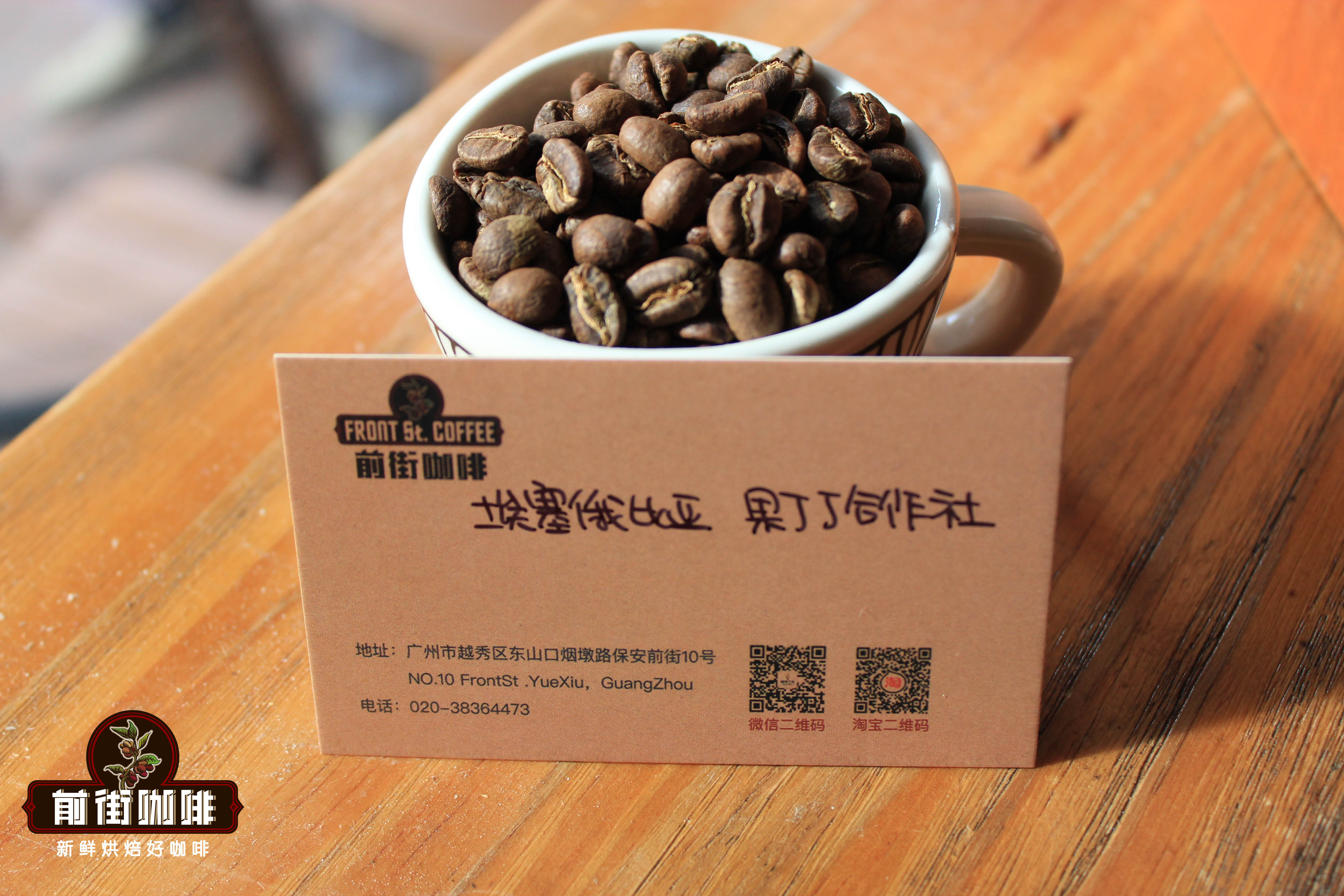
This time, Front Street selected a washed coffee bean from the Front Street Gudingding Cooperative in the Yirgacheffe region of Ethiopia as the subject of the comparative experiment. Typically, the recommended water temperature range for pour-over coffee is 86 to 93°C, so this brewing session set up 5 temperature gradients: 80°C, 86°C, 90°C, 93°C, and 96°C, brewing this bean separately at each.
Front Street's brewing plan is as follows: Dripper: Hario V60 Grind size: medium-fine (0.85mm aperture sieve, 75% passing rate) Dose: 15g Coffee-to-water ratio: 1:15 Brewing water temperature: 80°C, 86°C, 90°C, 93°C, 96°C
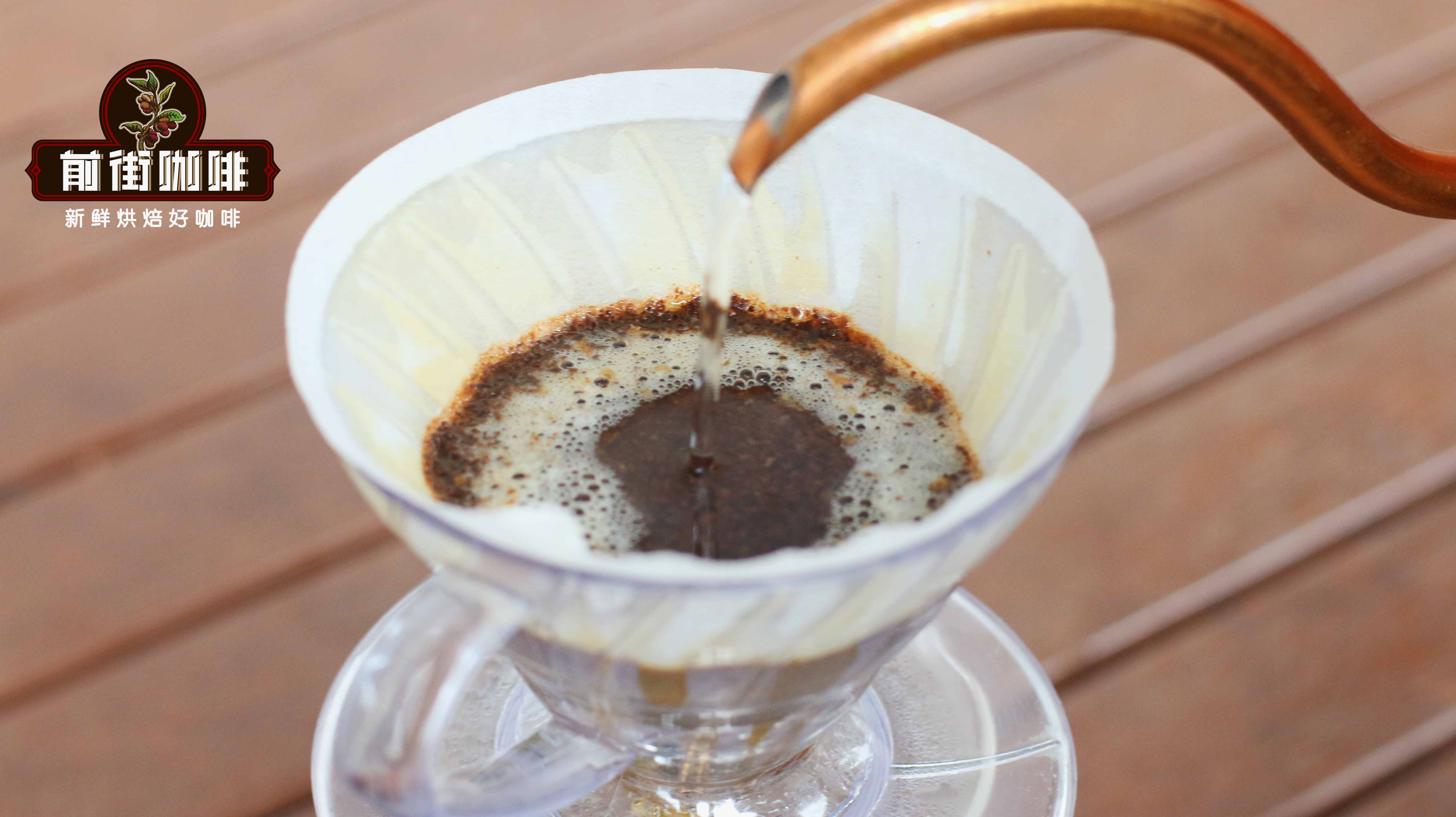
Front Street uses a staged pouring method: in the first stage, pour 30g of water and bloom for 30 seconds, during which the coffee bed expands into a "hamburger" shape. In the second stage, pour 125g of water from the center in a small circular trajectory, keeping the pouring height at about 4cm, maintaining a gentle force to minimize agitation of the coffee bed, with a flow rate of about 4g per second. When the water level drops to half the height of the coffee bed, begin the third stage of pouring, also gently circling from the center outward, until the total poured water reaches 225g and then stop. End extraction after all the coffee liquid in the dripper has finished dripping, with a total time of 2 minutes and 1 second. After extraction is complete, gently swirl the sharing pitcher to mix the coffee evenly before tasting.
The brewing results of the five different water temperatures are as follows: 80°C: Slightly astringent and sour, with lemon peel notes, prominent tea-like character, overall dominated by the sweet aftertaste of tea. 86°C: Kumquat-like acidity, with a slightly sharp acidity. 90°C: Bright citrus acidity, with clear fruity sweetness. 93°C: Bright citrus acidity, with a black tea finish in the tail. 96°C: Fruit tea style, with tea astringency, concentrated flavors.
How does water temperature affect coffee extraction?
Front Street's brewing experiment data shows: the higher the water temperature, the more substances are extracted from the coffee, and the higher the concentration; the lower the water temperature, the fewer substances are extracted, and the concentration decreases accordingly. From a flavor perspective, with other parameters fixed (taking light-roast coffee as an example), when the water temperature is lower, the coffee tends to be more sour, and when the water temperature is higher, the coffee tends to be more bitter and sweet. But coffee is not better simply because it is more concentrated, nor are more extracted substances always ideal. A reasonable water temperature can avoid bitterness caused by over-extraction during brewing, while also reducing the thinness brought by under-extraction.
Why do different water temperatures bring different flavor expressions?
During the pour-over process, a series of complex chemical reactions occur between water and coffee, with different stages corresponding to different reaction types. Water temperature directly affects the extraction rate of various components in coffee, including quinic acid, amino acids, tannic acid, caffeine, oils, and other substances.
About two-thirds of a coffee bean is composed of lignocellulose, and the remaining one-third consists of soluble aroma molecules. When these substances meet water, they dissolve out in order according to molecular size: the first to be extracted are small-molecule substances, including acids and aromas; next are medium-molecule sweetness; and finally large-molecule bitter and roasted notes. The layered complexity of coffee flavor arises precisely from this.
Water temperature is a key factor in accelerating the release of aroma molecules. Too high a temperature causes aroma molecules to release too quickly; within the same extraction time, flavor substances have already been fully released before extraction ends, and the remaining extraction time then brings out the taste of lignocellulose, causing the coffee to show woody and woody-astringent notes; too low a temperature causes aroma molecules to release too slowly, so within the same time, the flavor substances have not yet been fully released when extraction ends, and the coffee shows only sourness and sweetness, lacking body and layering, appearing thin overall.
So what water temperature should be used for daily brewing?
Front Street Coffee recommends that the water temperature for pour-over coffee is usually controlled between 86 and 93°C. Lighter-roasted beans (such as the washed Yirgacheffe brewed by Front Street above) are suitable for 90 to 93°C; darker-roasted beans (such as Front Street's Front Street PWN Golden Mandheling coffee beans) are suitable for lower water temperatures, around 86 to 88°C.
The above content is compiled by CoffeeHunters, a coffee news website.


