







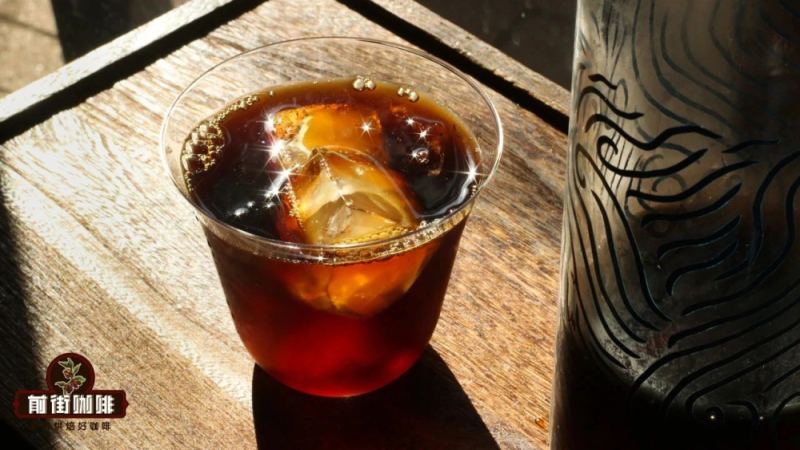
Many coffee enthusiasts at Front Street stores order a cold brew and an iced pour-over at the same time, using the same beans, yet are often surprised by the huge difference in flavor between the two after drinking them. Why is the difference so obvious when made from the same coffee beans? This article will systematically sort out the core differences in production principles between cold brew and pour-over from multiple dimensions such as extraction water temperature, extraction method, and concentration differences, and combine a comparative experiment conducted by Front Street using Huakui 8.0 to help you understand the taste expressions brought by low-temperature slow extraction and high-temperature fast extraction, as well as the scientific logic behind these differences.
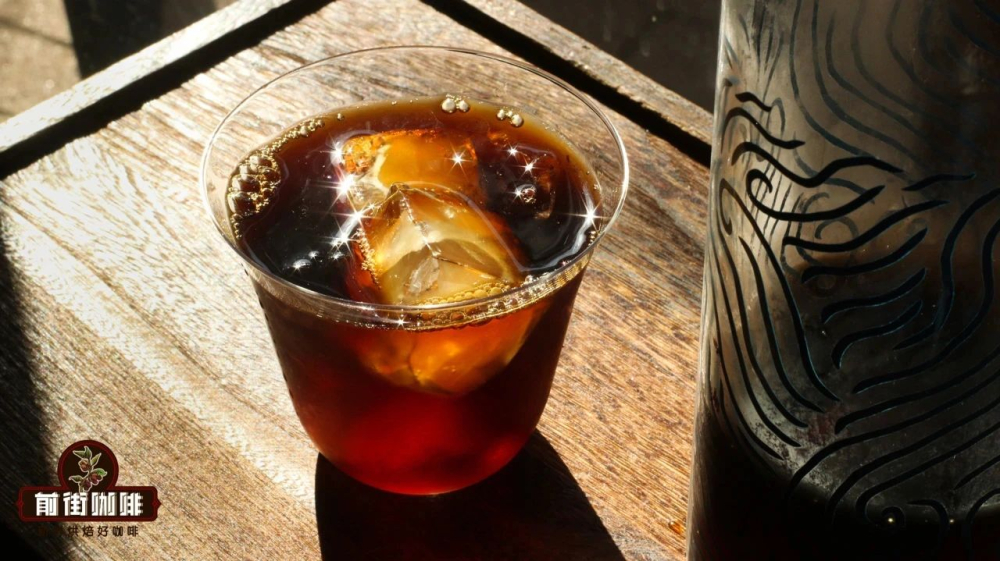
Many customers, when visiting Front Street stores, always like to order a cold brew and an iced pour-over at the same time, and specifically request that both drinks use the same bean. Their purpose is simple—they want to figure out what exactly the difference is between cold brew and pour-over. And the result of each comparison is very consistent: without exception, everyone is surprised by the huge contrast in mouthfeel and taste between the two, and cannot help asking: "They are made from the same bean, so how can the difference be so big?"
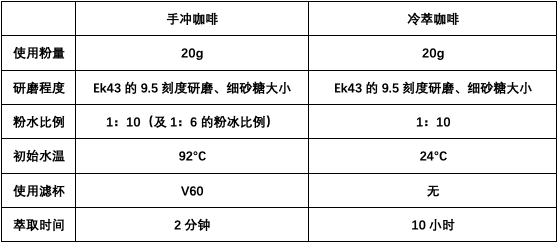
To answer this question, we first need to understand where the two differ in taste. Front Street conducted a controlled experiment earlier, choosing the same coffee bean and making a pot of cold brew and a pot of iced pour-over for comparison. Considering that the temperature difference between hot pour-over and cold brew is too large, which is not conducive to a fair comparison, the experiment only used iced pour-over as the reference. The bean used in the experiment was Huakui 8.0, and the extraction parameters are shown in the figure below:
The specific production process is omitted here. It should be noted that after the cold brew coffee is made, it should first be filtered, then two ice cubes should be added, and then it can enter the tasting stage.
The tasting results showed that the iced pour-over Huakui had fruit notes such as strawberry and citrus, accompanied by the sweetness of cream and melon, with a refreshing yet full mouthfeel and quite rich aroma layering—of course, still slightly inferior to hot pour-over. The cold brew Huakui, on the other hand, presented aromas of berries and citrus, with an overall rounder acidity, a thicker mouthfeel, and a fermented note.
It can be seen that although the same bean is used, the final coffee indeed has obvious differences. This principle is actually not hard to understand—the same ingredient can be cooked by different methods such as steaming, frying, and stewing, and the taste and mouthfeel presented by each method are very different. Coffee follows the same logic: cold brew and pour-over use different extraction processes, so the finished product naturally differs.
Some friends may ask: the difference between espresso and pour-over is not that exaggerated, so why is the difference between pour-over and cold brew so prominent?
Where is the difference between pour-over and cold brew?
This brings us to the biggest point of divergence in the extraction process between the two—water temperature.
Whether hot or iced, pour-over coffee uses very hot water for extraction. Hot water can quickly dissolve the flavor substances in coffee, so making a pot of pour-over usually takes a very short time, and it can be completed in two or three minutes. But precisely because it is high-temperature extraction, the aroma of coffee dissipates much faster than in cold brew, so pour-over needs to be drunk as soon as possible within a relatively short time.

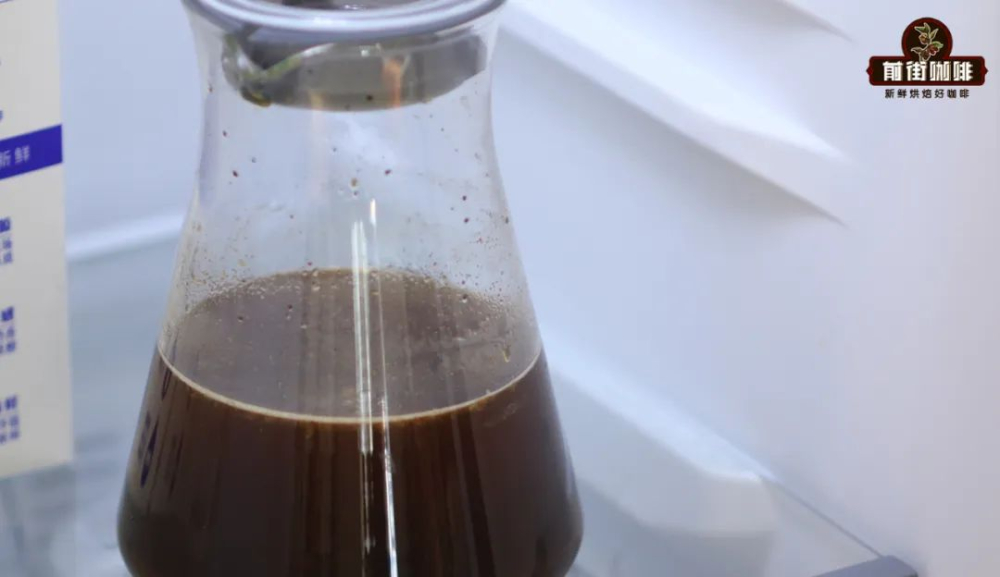
Cold brew coffee takes the completely opposite route—using low-temperature cold water for extraction. The dissolution rate of ice water is extremely low, so cold brew cannot be completed as quickly as pour-over. Instead, it relies on extending the extraction time to allow the coffee to be fully extracted. Generally speaking, cold brew needs 8 to 12 hours, and some people even steep it for 24 hours.
The longer the steeping time, the higher the concentration of the coffee. Cold brew coffee stored in a low-temperature environment can be kept for about 5 days. As the storage time increases, the flavor performance will gradually decline, but the fermented taste will instead strengthen accordingly.
However, we need to be clear about one point: the level of extraction water temperature affects far more than just extraction time; it also directly determines the extraction rate of various components in coffee.
Everyone knows that coffee contains quinic acid, amino acids, tannic acid, caffeine, oils, and various other substances, which together make up the taste of coffee. The dissolution process of these substances is significantly affected by water temperature—the lower the water temperature, the harder it is to extract certain substances.
Take caffeine as an example. It is one of the main sources of bitterness in coffee. When the water temperature is low, caffeine is difficult to dissolve, and the dissolution rate is also slower. Therefore, even if the extraction rate is the same, the bitter substances in cold brew coffee will be much fewer than in pour-over (of course, this is also affected by concentration, which will be discussed later), and even extending the extraction time cannot change this. And tastes constrain each other—a cup of coffee is mainly composed of acidity, sweetness, and bitterness. When bitter substances decrease, the sour and sweet flavors are amplified because their proportion rises. This is why cold brew does not taste so bitter.
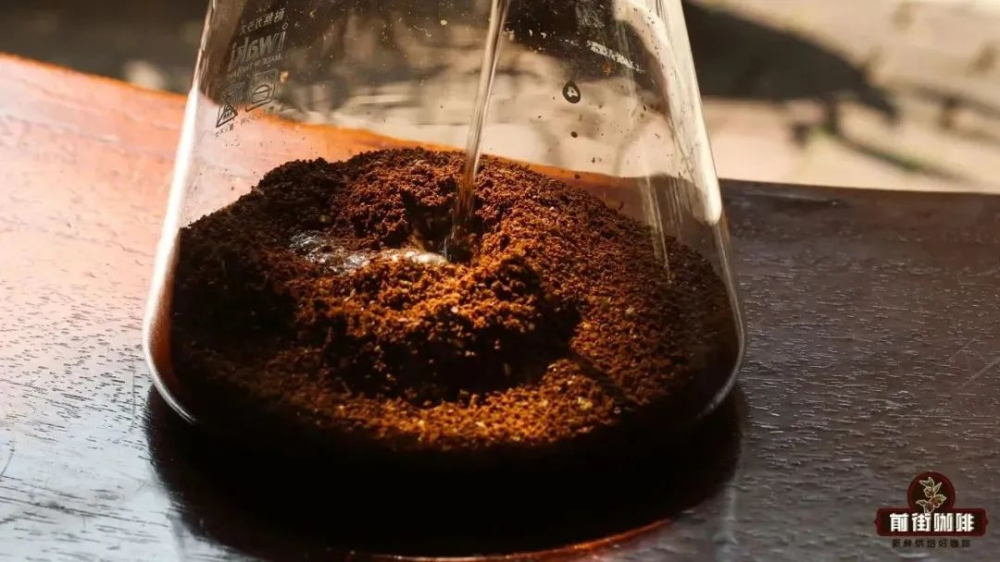
In addition, another reason for the difference is that the extraction methods of the two are different. Pour-over belongs to drip extraction, that is, letting water pass through the coffee bed to bring out the coffee's flavor substances; cold brew belongs to immersion extraction, which soaks out the flavor substances by mixing and steeping coffee grounds with water (Front Street has also frequently discussed the difference between these two methods recently).
Coffee extraction relies on the concentration gradient principle: soluble substances diffuse from inside the coffee grounds (high-concentration area) into the water (low-concentration area) until the concentrations on both sides reach equilibrium. In drip extraction, because fresh liquid continuously refreshes the concentration, the substances in the coffee are continuously released outward, resulting in higher extraction efficiency. However, because the coffee grounds are not extracted evenly, with some parts higher and some lower, the resulting coffee has relatively rich layering.
Immersion extraction is different. The liquid sits still for a long time, the concentration cannot be refreshed, and once equilibrium is reached, the extraction efficiency declines. But because all the coffee grounds are in the same environment, although the coffee made by immersion extraction is not as rich in layering, its taste is more balanced and its mouthfeel is thicker.
In addition, cold brew coffee increases its fermented flavor through standing, which further widens the gap between it and pour-over coffee.
Oh right, the difference in concentration cannot be ignored either. Although the powder-to-water ratio of iced pour-over and cold brew is both 1:10, the purpose of using ice cubes is different, resulting in inconsistent final coffee concentration. Adding ice cubes to pour-over is mainly to cool it down—rapid cooling is achieved through contact between the ice cubes and the extracted hot coffee liquid. However, due to the large temperature difference, the ice cubes melt relatively more, and the coffee concentration is therefore diluted more noticeably.
The purpose of adding ice cubes to cold brew is mainly to maintain low temperature while moderately diluting the concentration. Because the temperature of the coffee liquid itself is not much different from that of the ice cubes, the ice cubes melt very slowly, so the coffee concentration will not be greatly affected. The level of concentration also affects the intensity of the coffee's taste and its mouthfeel performance. Therefore, even if cold brew coffee and pour-over coffee use the same coffee bean, they will show significant differences for the reasons above.
The above content is compiled by CoffeeHunters, a coffee news website.


