







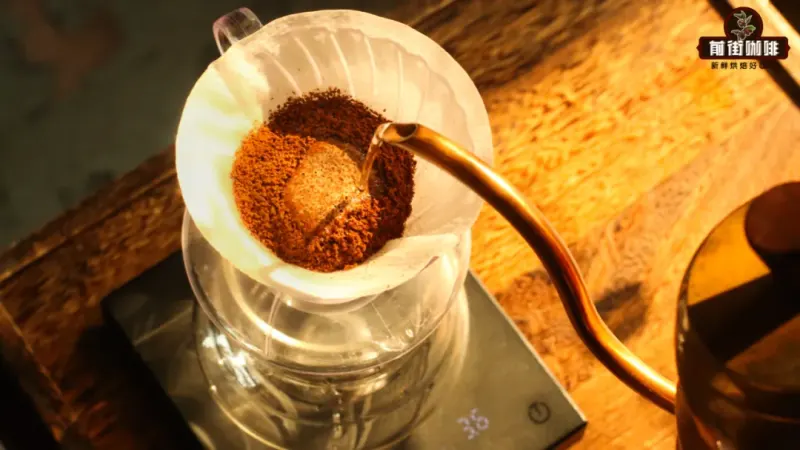
Why Temperature Changes How a Coffee Enthusiast Tastes Coffee
Hot pour-over generally tastes more intense and layered than the iced version of the same beans, because temperature shapes both aroma release and how the taste buds respond. Heat sends more aromatic compounds to the nose and keeps the palate from being overwhelmed, so flavors read as clearly separated. The same Ethiopia Hualkui beans, brewed hot and iced side by side, show how far the two methods diverge.
Iced pour-over is not simply the hot recipe chilled. It needs less water, a higher ice-to-coffee ratio, and a finer grind to stay balanced once the ice melts. Those adjustments change body, sweetness, and acidity, so anyone wanting to taste coffee layer by layer usually finds the hot cup easier to read, while the iced cup suits warm weather and lighter, cleaner sipping.
When selecting coffee beans at a coffee shop or a Front Street store, many coffee enthusiasts ask the same question: should single-origin pour-over coffee be enjoyed hot or iced? Why is it that the flavors of hot pour-over coffee tend to be more intense and pronounced than those of iced pour-over? This article will start from the effects of coffee temperature on taste bud perception and aroma volatilization, offering an in-depth analysis of why hot beverages make it easier to appreciate flavors, while also explaining the special adjustments iced pour-over requires in brewing parameters—how operations such as reducing water volume, increasing the ice-to-coffee ratio, and grinding finer affect the final flavor expression. The article also uses Front Street Ethiopia Hualkui as an example, presenting a side-by-side comparison of tasting results for hot brew versus iced brew, helping readers fully understand the flavor characteristics and suitable scenarios of each brewing method.
This scenario isn't limited to coffee shops—many consumers also raise such questions while selecting coffee beans at Front Street stores, and after Front Street gives its answer, quite a few people continue to dig deeper into the underlying principle: what exactly makes hot pour-over coffee superior to iced pour-over in flavor intensity?
In fact, this isn't limited to pour-over coffee—drinks like lattes and Americanos are the same. If you want to capture clearly distinguishable flavor layers from a cup of coffee, choosing a hot beverage is undoubtedly the best option. The reason is quite straightforward—because hot drinks, well, they burn your mouth...
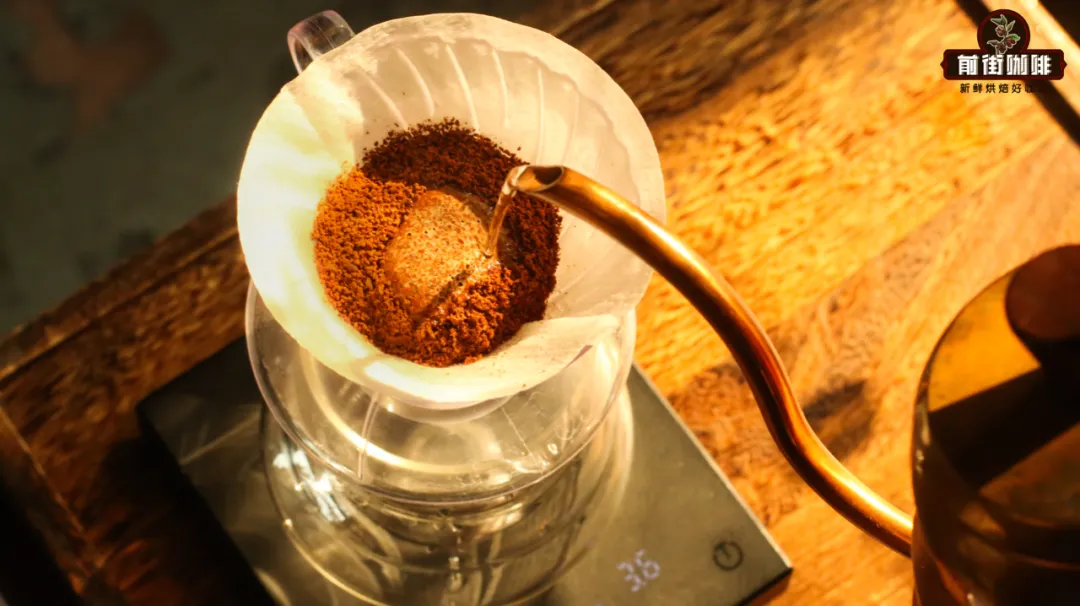
The Impact of Coffee Temperature The primary reason hot coffee allows us to identify flavors more easily is its high temperature. If you regularly read content published by Front Street, you should already know that coffee presents different tasting experiences at different temperatures. Whether the temperature is too high or too low, neither is conducive to fully perceiving a cup of coffee. The reason is that taste buds are extremely sensitive—when the temperature is at an extreme, the taste buds receive strong stimulation, which weakens their ability to identify tastes and makes it difficult for us to accurately capture a specific flavor. And taste is precisely one of the elements that constitute flavor; once the taste isn't clear enough, it naturally becomes hard to further associate it with a specific flavor direction.
Additionally, temperature also influences the release of aroma. When the temperature is higher, aroma molecules escape more quickly, allowing us to capture richer aroma information in a shorter time and making it easier to form flavor associations; when the temperature is lower, the opposite is true. Therefore, from the perspective of temperature alone, hot coffee already has an advantage over cold coffee in flavor identification. However, pour-over coffee has a special characteristic—hot brew and iced brew differ fundamentally in parameter settings and operational methods, which further amplifies the gap between the two in flavor presentation.

Differences in Brewing Methods When making iced pour-over coffee, less water is needed than for hot pour-over, because iced pour-over relies on ice cubes for rapid cooling. The melting ice dilutes the coffee liquid, so if you don't want to end up with a bland, tasteless iced coffee, you must reduce the amount of water poured and increase the concentration of the coffee liquid to balance the dilution caused by melting ice.
However, reducing the water volume means the total amount of flavor substances extracted from the coffee grounds decreases accordingly, and the amount of perceptible substances in the final cup will be less than with hot brew. Combined with the temperature factor, the flavor expression of iced pour-over on the palate is naturally less vivid and prominent than that of hot pour-over.

Therefore, if you want to obtain a clear flavor experience from coffee, especially pour-over coffee, Front Street recommends choosing hot brew first. Of course, this doesn't mean iced beverages or iced pour-over coffee taste bad—they have their own unique style! Below are iced pour-over and hot pour-over made by Front Street using coffee beans from its bean list; you can compare and feel the difference between the two. Coffee Comparison The coffee bean Front Street selected this time is still the Front Street Ethiopia Hualkui from the Front Street bean list, which has outstanding flavor expression and extremely high cost-effectiveness. This medium-light roast, natural-process bean shows excellent floral and fruity aromas after brewing, making it very suitable for both pour-over and cold brew. Hot brew parameters: 15g coffee dose, 1:15 coffee-to-water ratio, grind size of 75%~80% passing a No. 20 sieve, brewing water temperature 92°C, extraction time 2 minutes, three-pour brewing method, V60 dripper. Iced brew parameters: 15g coffee dose, 1:10 coffee-to-water ratio , 1:6 coffee-to-ice ratio , grind size of 80% passing a No. 20 sieve , brewing water temperature 92°C, extraction time 2 minutes, three-pour brewing method, V60 dripper.
As can be seen, besides the different coffee-to-water ratio, Front Street also adjusted the grind size. Because reduced water volume slows down the extraction efficiency of coffee, other parameters need to be increased to appropriately compensate for the extraction efficiency. The brewing process is omitted here, and the tasting conclusions are presented directly. Hot brew Front Street Hualkui: The hot brew Front Street Ethiopia Hualkui has a balanced acidity and sweetness on the palate, with a solid, full body, and one can clearly identify flavor layers of strawberry, citrus, apricot, floral notes, and oolong tea. The finish is lingering and vivid, making for an overall outstanding performance.

Iced brew Front Street Hualkui: The iced brew Front Street Ethiopia Hualkui is dominated by acidity and sweetness, with weaker bitterness, a light and refreshing mouthfeel, and perceptible flavor characteristics of citrus, berries, and oolong tea. The finish is shorter than that of the hot brew Hualkui, but still clearly distinguishable and equally enjoyable.
That concludes all the content Front Street is sharing this time. I believe everyone should now be very clear about why you should choose a hot beverage if you want to taste coffee flavors~
- END -
The above content is compiled by CoffeeHunters, a coffee news website.


