







Search Results for: portafilter temperature
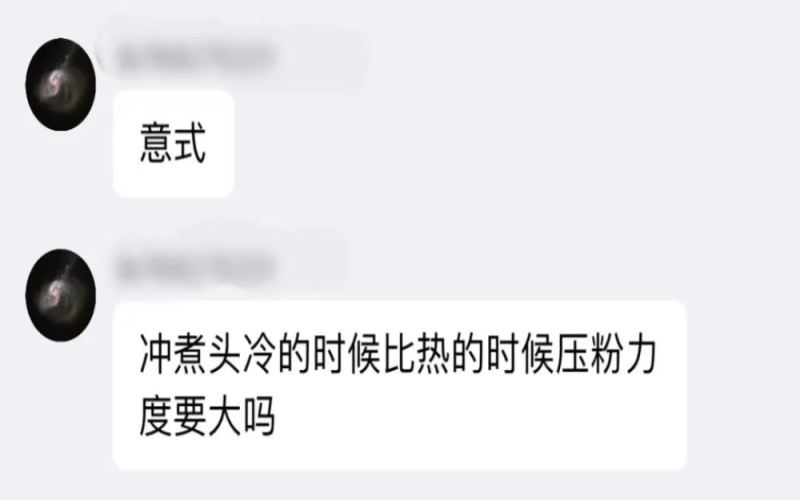
How Does Portafilter Temperature Affect Espresso Extraction? A Comparative Test of Brew Head Preheating vs. Chilled Portafilter
Espresso extraction involves numerous variables, and portafilter temperature is often overlooked. Front Street Coffee designed a comparative experiment to address the question of "whether the hot or cold brew head affects tamping force": keeping dose and yield fixed while only changing the portafilter temperature, recording time, concentration, flavor, and milk-coffee performance. The experiment used Front Street Sunflower Warm Sun Blend, and the results showed that although temperature did not significantly change the extraction yield, it clearly steered the flavor direction—a preheated portafilter made the full-bodied feel and winey notes more prominent, while a chilled portafilter amplified the fruity acidity and light texture. This article will present the complete experimental data and tasting conclusions, and answer whether tamping force needs to be adjusted with temperature, as well as how to decide on a portafilter preheating strategy based on the coffee bean roast level. [more…]
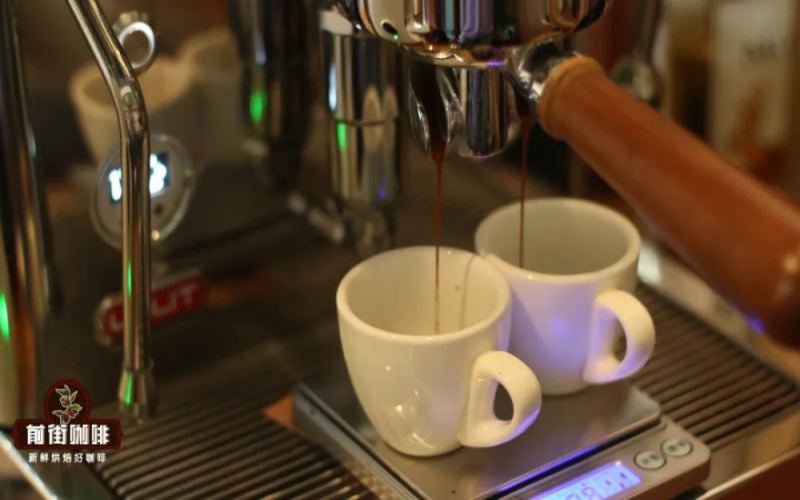
How should the portafilter temperature be controlled when extracting espresso? A hands-on test of the flavor differences among three states: room temperature, preheated, and high temperature.
When extracting espresso, should the portafilter be left at room temperature or locked onto the group head to keep it warm? Different baristas have different opinions on this. Some worry that the high temperature of the group head will overheat the filter basket and accelerate the loss of coffee grounds' aroma; others believe that keeping it warm is the only way to maintain a consistent portafilter temperature. Front Street Coffee specially designed three sets of controlled experiments for this purpose, using a room-temperature portafilter, a preheated portafilter, and a long-time high-temperature portafilter to extract the same "Sunflower Warm Sun Blend Coffee Beans," comparing aroma, acidity, sweetness, and aftertaste one by one to see exactly what kind of taste changes temperature differences bring, and which method is more worth recommending in daily operation. [more…]
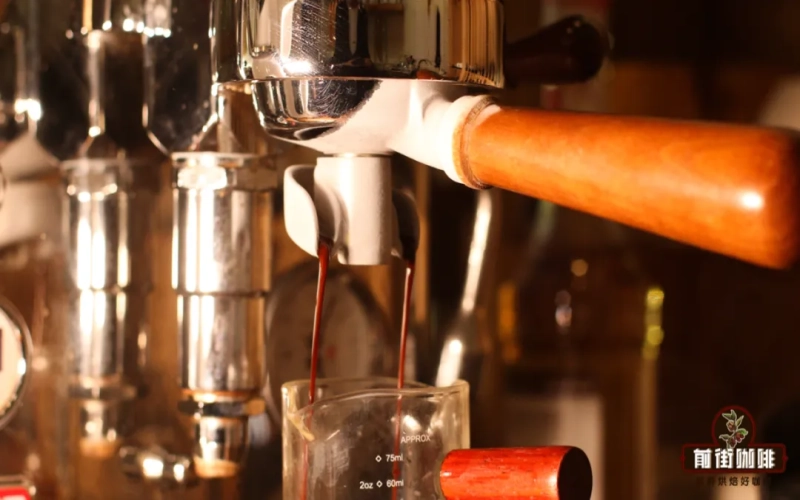
The Impact of Portafilter Temperature on Espresso Extraction: Starting from the WBC Champion's Frozen Portafilter Experiment
At the 2016 WBC, Taiwanese competitor Berg Wu won the championship with a frozen portafilter extracting espresso, overturning the perceptions of the judges and audience at the time. Can portafilter temperature really influence the flavor of an espresso? Through extraction experiments comparing high-temperature, room-temperature, and frozen portafilters, Front Street Coffee found that the three indeed show clear differences, and the effect brought by the frozen portafilter is especially far removed from the other two. This article will analyze in detail the principles behind how portafilter temperature affects espresso, and share Front Street Coffee's actual test conclusions, helping you reunderstand this easily overlooked extraction variable. [more…]
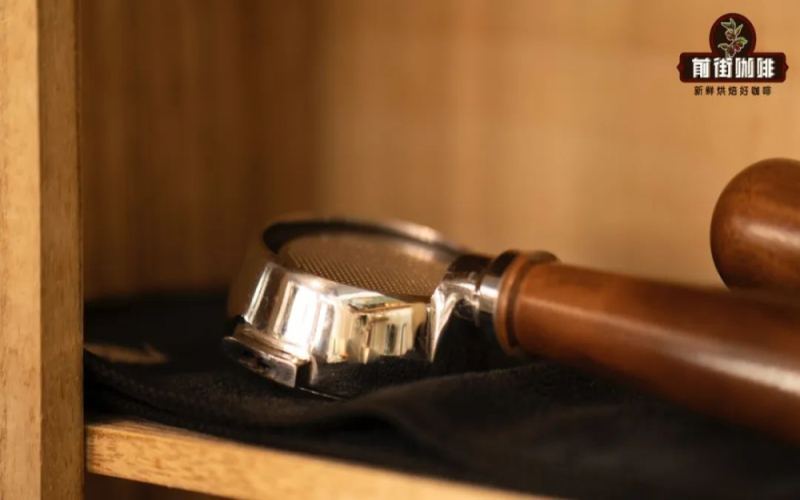
How Does Portafilter Temperature Affect Espresso Flavor? Front Street Tests Three States: Room Temperature, Refrigerated, and Heated
When making espresso, does the temperature of the portafilter have a substantial impact on the final flavor? Front Street Coffee conducted a comparative test around this question: three portafilters were placed respectively in a room-temperature storage area, a refrigerator's cold compartment, and the coffee machine's cup-warming zone, then used with the same beans and identical parameters for extraction. The results showed differences among the three espressos in time, temperature, and taste performance. This article documents the experimental process and tasting results in detail, explores the feasibility of low-temperature portafilters in café settings, and offers alternative solutions. If you have also agonized over whether the portafilter needs to be kept warm, take a look at what this hands-on test reveals. [more…]

Analysis of Common Espresso Extraction Misconceptions and Standard Operating Demonstration Guide
In the daily preparation of espresso, many seemingly insignificant operational details often determine the success or failure of the final flavor. This article systematically outlines four easily overlooked extraction pitfalls: not flushing water to cool down before attaching the portafilter, not knocking out the puck promptly after extraction, forgetting to clean the dispersion screen, and leaving the portafilter locked in the group head for extended periods. These habits not only affect the taste of the coffee but may also shorten the lifespan of the equipment. Drawing on Front Street Coffee's practical recommendations, the article provides corresponding correct practices and standard demonstrations to help coffee enthusiasts develop proper operating procedures and improve the consistency and quality of every cup of espresso. [more…]
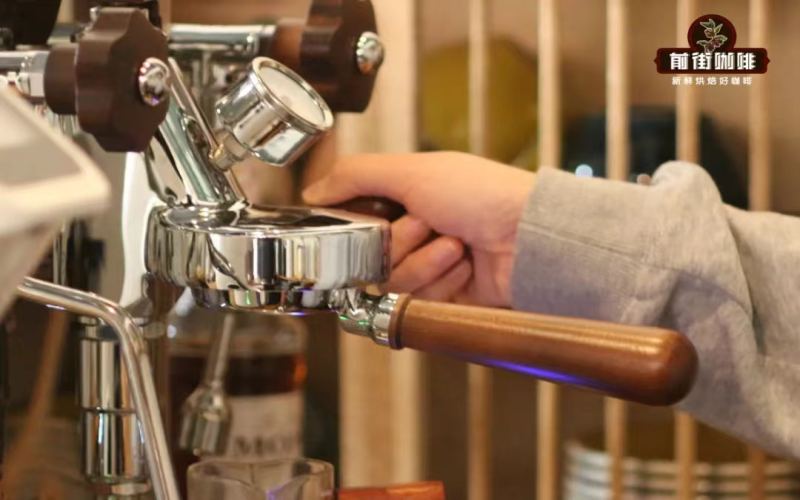
Extracting Espresso Problems
In making espresso, some seemingly unimportant details are often overlooked, yet they can gradually affect the taste of the coffee. Today, Front Street Coffee will talk about those details that are often forgotten—count how many you've missed. - Forgetting to flush water before attaching the portafilter. If there is a long interval between this espresso extraction and the last one, [more…]
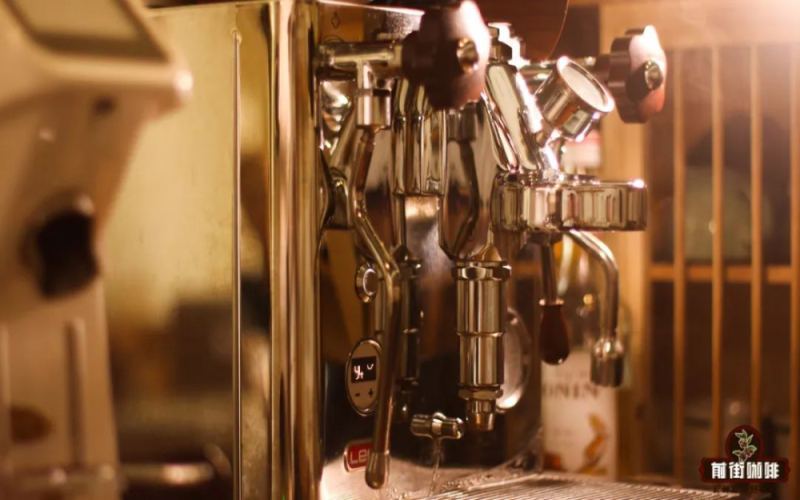
Four Key Details for Pulling Espresso: Flushing, Removing the Portafilter, Heat Retention, and Group Head Cleaning
When pulling espresso, some seemingly insignificant operational habits can, over time, have a noticeable impact on coffee quality and machine lifespan. This article compiles four easily overlooked details: why you should flush hot water before extraction, why you should remove the portafilter promptly after extraction, what hidden risks arise from leaving the portafilter locked in the group head for long periods, and how to clean the gaps in the group head. Each detail comes with specific reasons and operational advice to help coffee enthusiasts develop more standardized extraction habits, making every shot of espresso more consistent and cleaner. [more…]
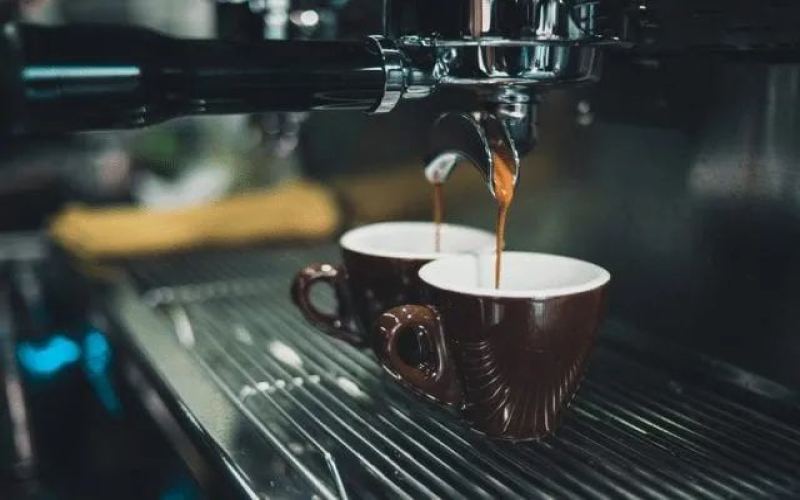
Differences Between a Double-Spout Portafilter and a Bottomless Portafilter for Espresso Extraction, and Recommendations for Choosing One
When making espresso, the choice of portafilter is often overlooked, yet it directly affects the consistency of the output and the operating experience. A split portafilter has a closed bottom with two spouts, allowing it to evenly distribute a double shot of espresso; a bottomless portafilter removes the bottom cover, making it easier to observe the extraction state, and is especially advantageous for identifying channeling and making layered coffee. However, the two also differ noticeably in flow rate, preheating requirements, and cleaning and maintenance. This article will systematically compare the features of split portafilters and bottomless portafilters, and offer practical advice from Front Street Coffee to help you make a more suitable choice in your daily output. [more…]
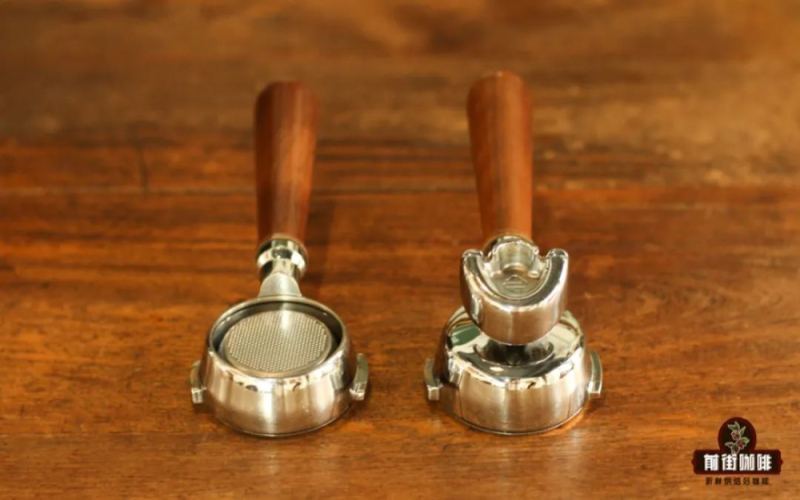
Espresso Machine Portafilter: Bottomless or Spouted? A Comprehensive Comparison from Extraction Differences to Cleaning Convenience
When selecting or using an espresso machine, the choice of portafilter often causes confusion: what exactly is the difference between a traditional spouted portafilter and a bottomless portafilter? Does a bottomless portafilter really affect the extraction results of espresso? This article will analyze the extraction performance of the two portafilters under the same parameters through a practical comparative experiment, and review the background and original design intent of the bottomless portafilter. We will also explore how "channeling" was discovered by baristas, and the respective advantages of the two portafilters in terms of space occupation, cleaning difficulty, and usage scenarios. Whether you are a beginner or a seasoned enthusiast, you can find a suitable basis for your choice. Front Street Coffee will also share its own usage habits for your reference. [more…]
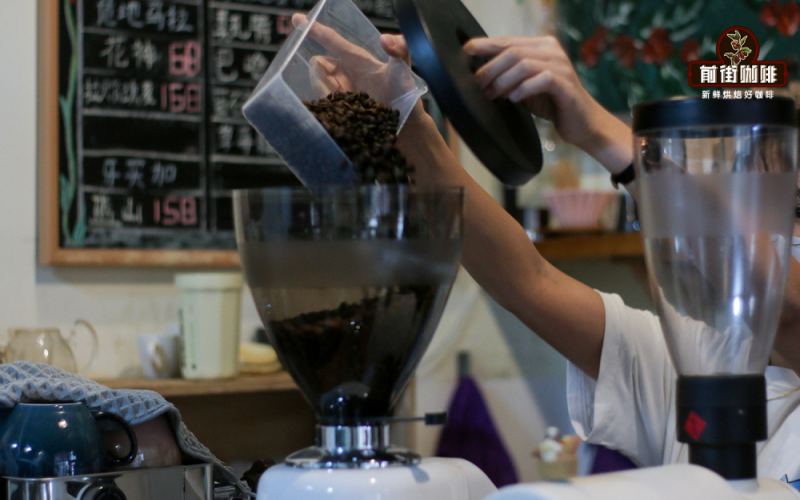
Espresso Extraction Standards | How Can Coffee Beginners Determine Espresso Grind Size, Extraction Time, and Coffee-to-Water Ratio? Which Coffee Beans Can Be Used for Espresso Blends?
Front Street has noticed that many coffee novices or baristas believe the key skills in making espresso-based coffee are milk frothing and latte art, but Front Street believes the most important thing in espresso-based coffee is the extraction of the espresso shot. If the espresso doesn't taste good, no matter how smooth and velvety the milk foam is or how beautiful the latte art looks, the milk coffee won't taste good either. [more…]
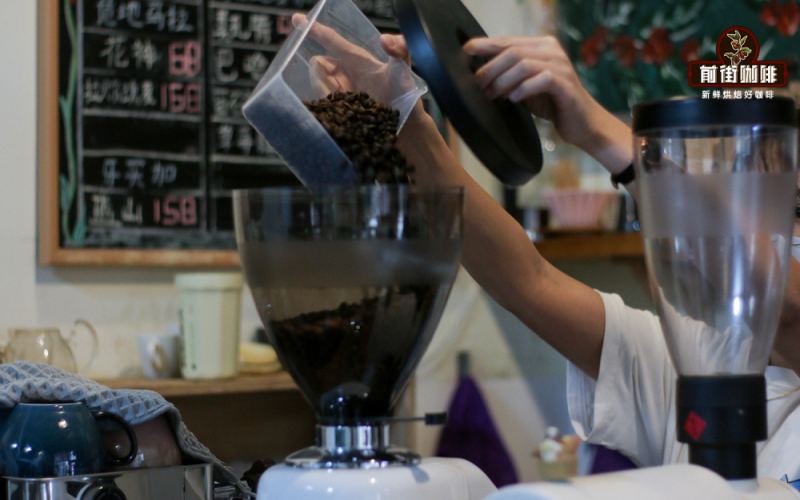
The Complete Guide to Espresso Extraction: Grinding, Dose-to-Yield Ratio, and Time Parameters, with Front Street Coffee Espresso Blend Recommendations
Many friends who are new to espresso focus their attention on milk foam and latte art, but what truly determines the quality of a milk coffee is actually the extraction quality of the espresso. Drawing on the hands-on experience of Front Street Coffee, this article systematically explains why espresso blend beans are chosen, how to adjust daily extraction parameters, and the complete process and judgment criteria from distribution and tamping to extraction. It also introduces products such as Front Street Sunflower Warm Sun Blend and Front Street Specialty Blend, helping coffee enthusiasts and professionals consistently produce a delicious cup of espresso. [more…]
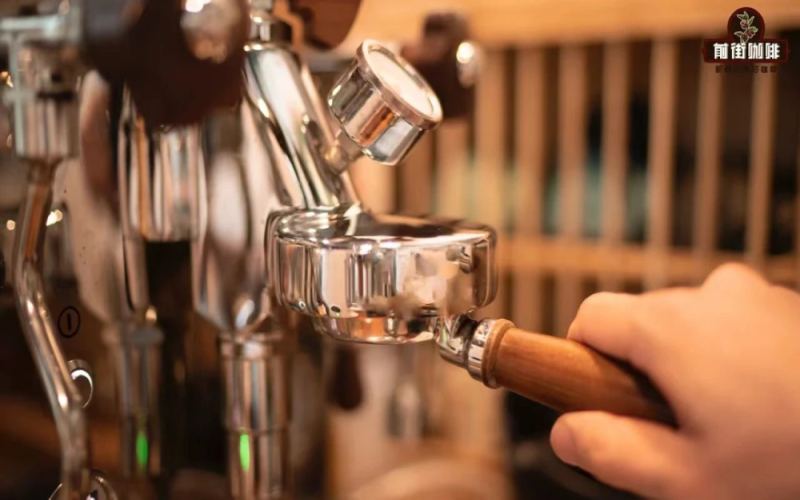
Espresso Extraction | What Is the Ideal Water Temperature Setting for an Espresso Machine? Does Water Temperature Affect Espresso Extraction?
For more specialty coffee knowledge, please follow: Front Street Coffee (Frontsteet Coffee). In the past, when Front Street shared knowledge about espresso extraction, it focused on parameters such as grind size, dose, ratio, extraction time, and pressure, and also provided in-depth analysis of steps like receiving the grounds, distributing the grounds, and tamping. [more…]
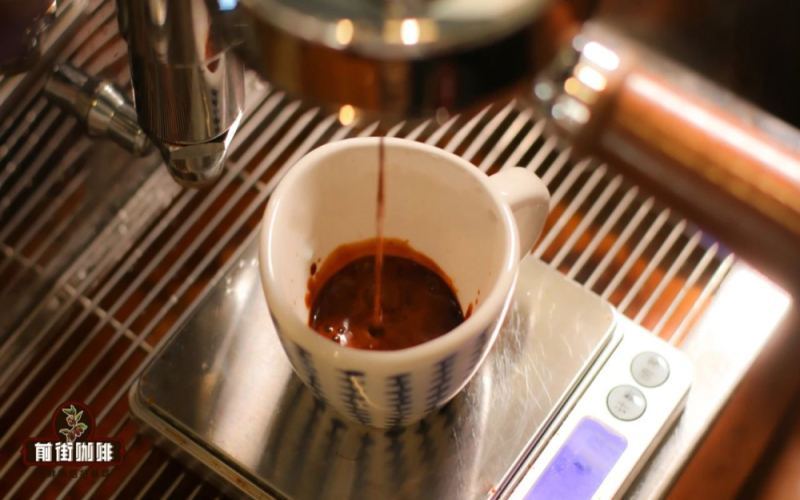
The Origin and Evolution of Espresso, Extraction Parameters and the Full Process for Making a Good Shot
The word Espresso originates from the Italian word Express, meaning fast, and this type of coffee can be produced in an extremely short time. From the initial steam pressure design at the end of the 19th century, to Luigi Bezzerra adding a pressure stabilization device and portafilter in the 20th century, to Gaggia improving the piston system in 1946 to bring golden Crema, Espresso has gone through a history of continuous evolution. This article will sort out the origin and flavor standards of Espresso, and explain in detail Front Street Coffee's practical methods for espresso extraction parameters, dose, water temperature, and time, while also including a complete demonstration of making hot Americano and iced Americano with the Sunflower Warm Sun blend. [more…]
Espresso Extraction Details and Tamping Pressure Standards: Front Street Reviews Six Commonly Overlooked Operational Points
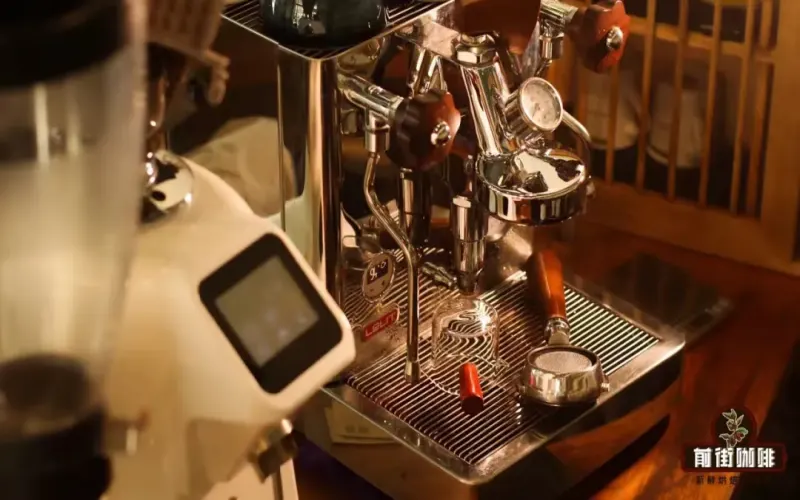
Espresso extraction is extremely short—just twenty to thirty seconds—yet it releases a large amount of flavor compounds from the coffee beans. Because of this, even a small operational oversight can cause the flow rate to spiral out of control and the flavor to become unbalanced. Many enthusiasts follow the same parameters and imitate the same steps, yet their output still falls short of the ideal. The problem often lies in those seemingly insignificant details. In this article, Front Street Coffee systematically reviews six operational points that are easily overlooked but can significantly affect extraction results, including common issues such as a wet portafilter basket, uneven distribution, repeated tamping, knocking the portafilter, forgetting to flush, and delaying the start after locking in the portafilter. It further explains the correct understanding of tamping pressure and the standard technique, helping everyone improve the consistency of their espresso output by paying attention to the details. [more…]
Home Espresso Machine Cleaning and Maintenance in Practice: A Guide to Descaling and Replacing Gaskets on the Steam Wand, Group Screen, Portafilter, and Plumbing
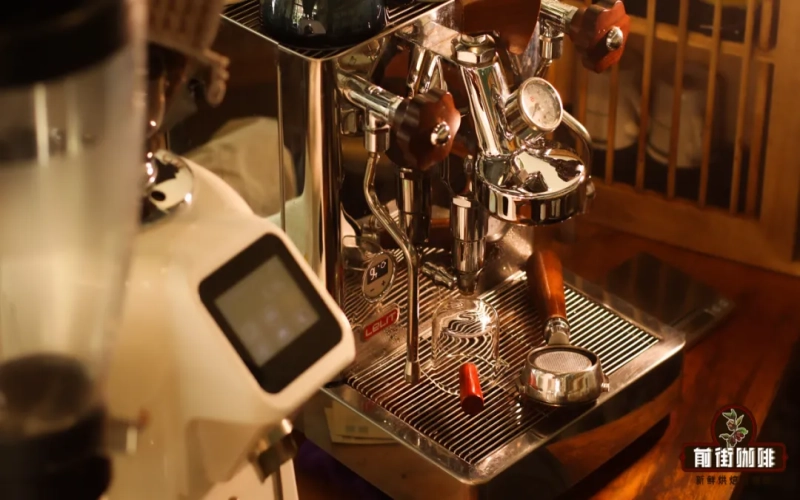
Many people buy an espresso machine without really knowing how to maintain it. If it isn't cleaned for a long time, the steam will weaken, the brew head will dispense water unevenly, the extraction pressure will fluctuate, and the portafilter may even leak after being locked in. Today, Front Street Coffee will talk about how to do daily maintenance and deep cleaning of home espresso machines, so the machine lasts longer and you save on unnecessary repair costs. The article will start with the daily cleaning of the steam wand, shower screen, and portafilter, then introduce deep maintenance methods such as soaking the steam wand, backflushing the pipes, replacing the gaskets, and maintaining the water tank filter, helping you take proper care of your espresso machine. [more…]

Seven Easily Overlooked Details in Espresso Extraction: Front Street Breaks Down the Key Operational Points One by One
Espresso can be extracted in just twenty to thirty seconds, but in this brief process, a single overlooked operational detail can significantly diminish the final flavor. From cleaning the portafilter basket and dealing with clumpy coffee grounds, to the evenness of distribution and tamping technique, and even the timing of locking in the portafilter and the habit of flushing the group head, every step can become a key variable affecting espresso quality. Front Street Coffee has compiled seven easily overlooked details in making espresso, analyzing their causes and effects on extraction results one by one, and offering specific improvement suggestions to help coffee enthusiasts consistently produce a delicious cup of Espresso at home or in a café. [more…]
Why does the espresso puck stick to the group head? An analysis of the causes from dose, timing of removing the portafilter, and knocking to channeling.
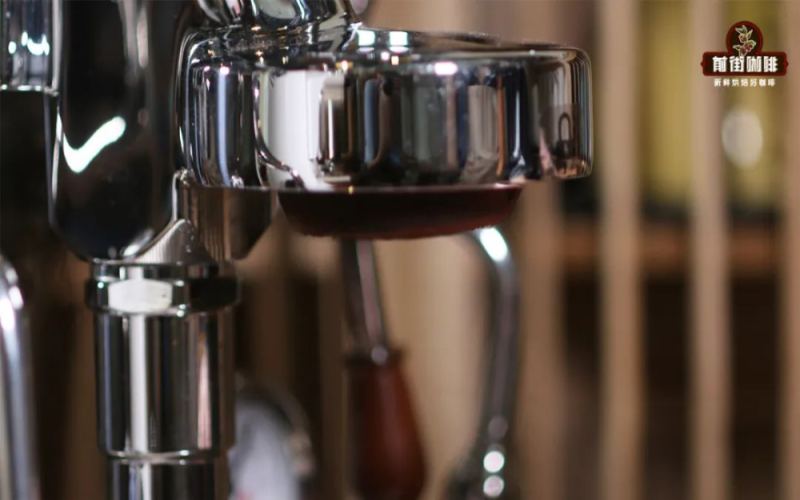
When making espresso, the puck sometimes sticks to the dispersion screen of the group head. What exactly causes this? And does it affect the flavor of the coffee? This article starts with three common causes and analyzes them one by one: too much coffee grounds, failing to remove the portafilter in time after extraction, and the puck being knocked loose. Front Street will also draw on its own practical experience to explain the possible burnt and bitter taste issues that can arise when the puck comes into contact with the dispersion screen, as well as the impact of channeling on espresso performance, helping you judge in your daily service when there is no need to worry and when you need to adjust parameters. [more…]
The Key to Extracting the Ideal Espresso: A Complete Operational Analysis from Blend Bean Selection to Parameter Adjustment
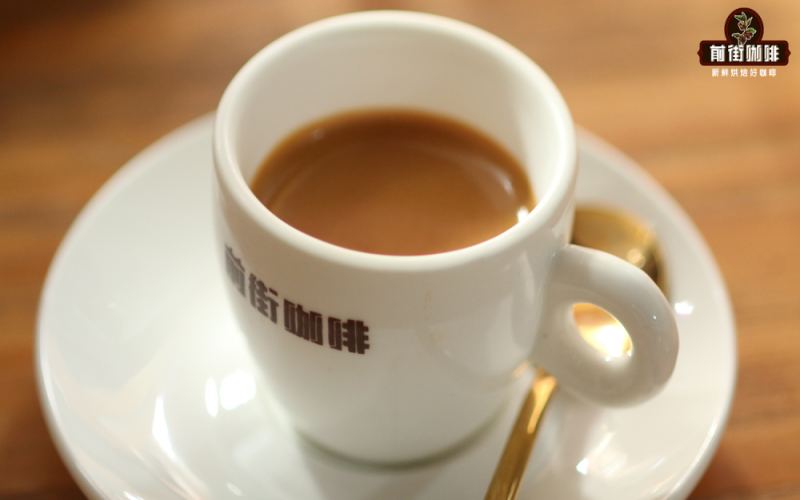
Many people think that the hardest part of making espresso is steaming milk and doing latte art, but what really determines whether a milk coffee tastes good is actually the extraction quality of the espresso. In this article, Front Street Coffee systematically sorts out the entire process of making an ideal espresso: from why to choose a blend rather than a single-origin bean, to the necessity of daily parameter adjustments, and then to the operational details and common pitfalls of each step such as distribution, tamping, and extraction. The article also shares the flavor performance of Front Street’s own Warm Sun Blend, as well as reference extraction parameters for the Lelit coffee machine, helping coffee enthusiasts find their own stable output solution through practice. [more…]
The Complete Guide to Espresso Extraction: Time, Dose-to-Yield Ratio, and Daily Parameter Adjustment Techniques
Many coffee enthusiasts focus their attention on milk foam and latte art, but what truly determines whether a milk coffee tastes good is actually the extraction quality of the espresso. Drawing on the hands-on experience of Front Street Coffee, this article explains in detail why an espresso blend is chosen, why extraction parameters must be adjusted every day, and the complete steps from locking in the portafilter, flushing, drying, grinding, distributing, tamping, to extraction. The article also provides the specific parameters of the Lelit espresso machine used in Front Street's own stores, and shares how to judge whether extraction is up to standard by observing flow rate and tasting, making it suitable reading for baristas and seasoned enthusiasts who want to improve their espresso skills. [more…]
A Complete Analysis of Espresso Flavor Characteristics, Front Street Coffee's Blending Approach, and Extraction Techniques
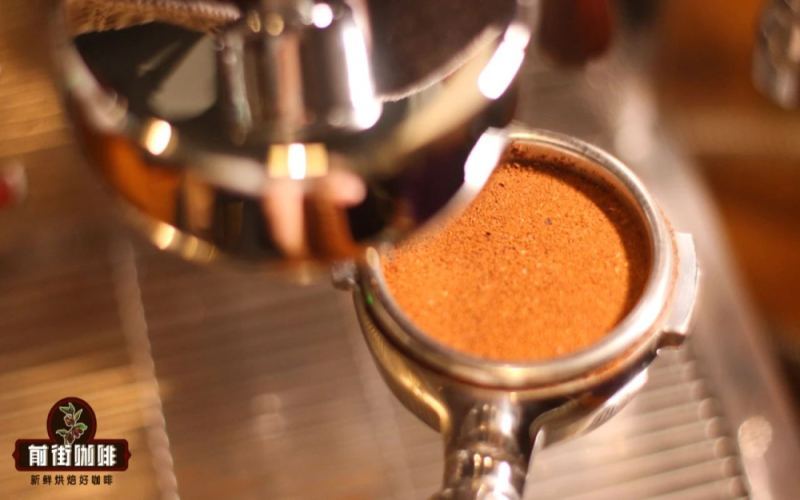
As the core of café offerings, espresso's flavor expression and extraction technique have always been the focus of baristas' attention. From the perspective of Front Street Coffee, this article systematically sorts out the definition of espresso and the principles behind crema formation, analyzes the pairing logic and roasting emphasis of espresso blends, and breaks down in detail the six operational steps from cleaning the portafilter basket, grinding and dosing, distribution and tamping, to completing the extraction. It also highlights two key details—even distribution and parameter recording—to help coffee enthusiasts make a qualified espresso more consistently. [more…]