







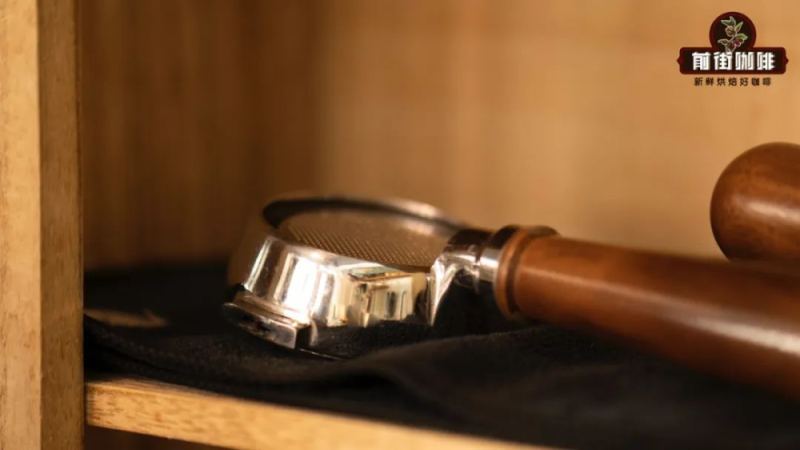
Frontstreet Coffee Tests Portafilter Temperature and Espresso Flavor
Front Street Coffee ran a side-by-side test of three portafilters held at different temperatures: one stored at room temperature, one chilled in the refrigerator, and one kept warm on the coffee machine's cup-warming tray. Each was used with the same 20g dose of the Sunflower Warm Sun Blend, yielding 40ml of espresso. The three shots differed in extraction time, serving temperature, and taste.
The room-temperature portafilter extracted in 29 seconds and served at 64°C, with butter cookie, vanilla, and chocolate notes and a whisky finish. The refrigerated portafilter ran 28 seconds at 61°C, showing the strongest berry character and higher acidity. The results point to uneven heat conduction through the portafilter as the main cause of the sensory differences between otherwise identical extractions.
When making espresso, does the temperature of the portafilter have a substantial impact on the final flavor? With this question in mind, Front Street Coffee carried out a comparative test: three portafilters were placed in a room-temperature storage area, the refrigerator's cold compartment, and the coffee machine's cup-warming area respectively, then used with the same coffee beans and identical parameters for extraction. The results showed that the three espressos differed in time, temperature, and taste performance. This article records the experimental process and tasting results in detail, explores the feasibility of low-temperature portafilters in café settings, and offers alternative solutions. If you've ever wondered whether a portafilter needs to be kept warm, take a look at what this hands-on test revealed.
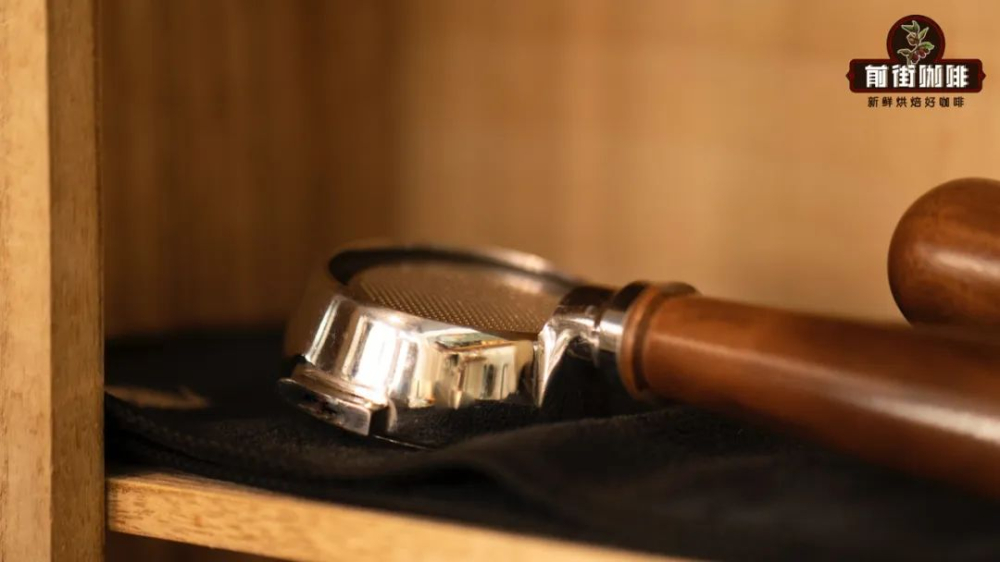
Another coffee enthusiast posed a question to Front Street: "When brewing espresso, does the portafilter really need to sit on the coffee machine to stay warm?"
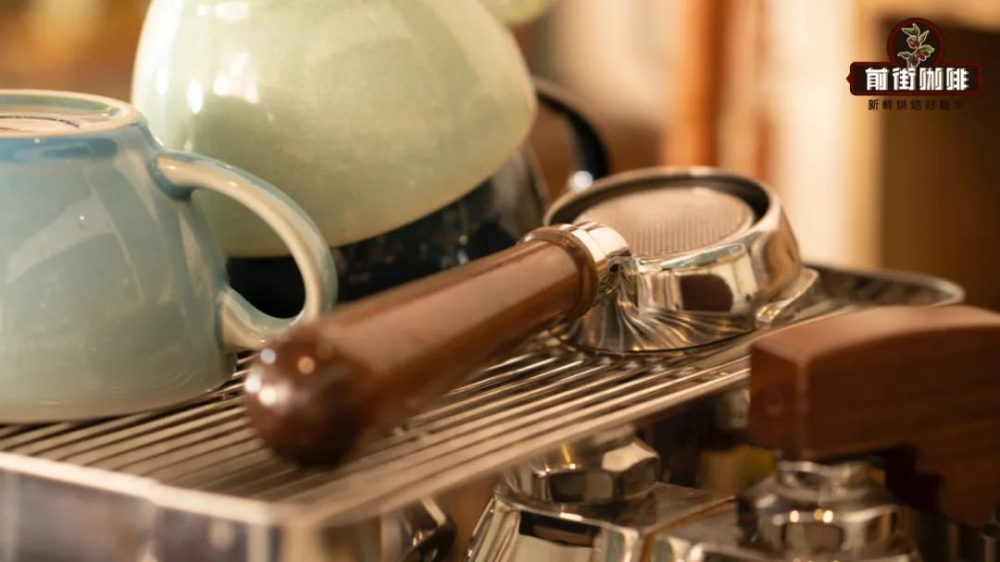
Driven by Front Street's strong curiosity, we decided to simply conduct a full comparison: placing three portafilters in a room-temperature storage area, the refrigerator's cold compartment, and on the coffee machine's cup-warming tray, to see whether portafilters in different temperature states would produce noticeably different-tasting espresso.
Coffee beans used in the experiment: "Sunflower · Warm Sun Blend" (the only one available at Front Street's store that day) Dose: 20g Yield: 40ml
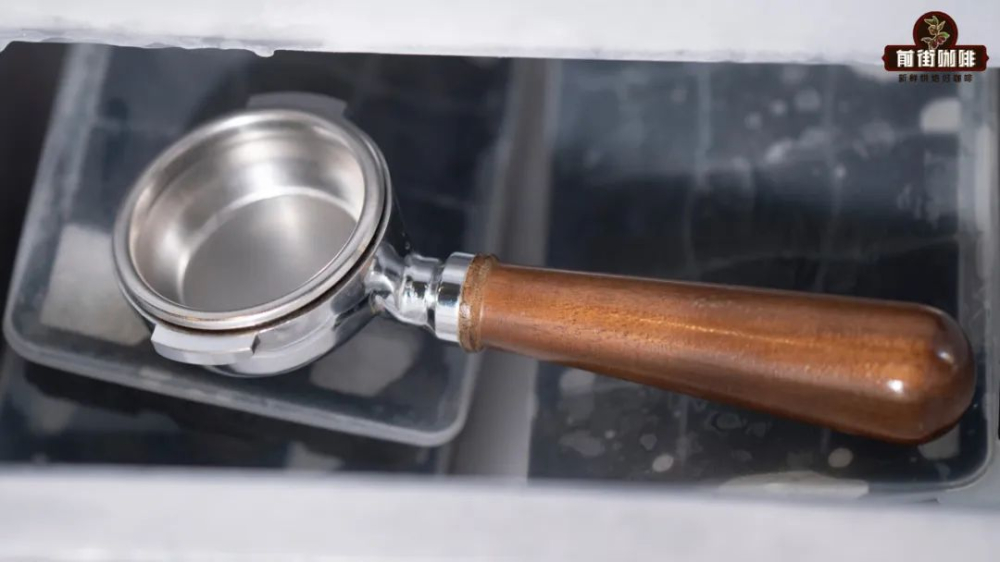
Tasting Comparison Room-temperature portafilter This espresso took 29 seconds to extract, with a serving temperature of 64°C. On the palate, clear notes of butter cookies, vanilla, and chocolate came through, with a hint of whisky in the finish and a slight berry-like sweet-tartness.
(Didn't get a photo in time, the temperature dropped 1°C >~<) 加热手柄 这杯浓缩的萃取时间为30秒,出品温度达到66.5°C。它同样呈现出黄油曲奇和香草的鲜明调性,但整体口感更加醇厚饱满,尾段的威士忌酒香也更为突出。
Refrigerated portafilter This espresso took 28 seconds to extract, with a serving temperature of 61°C. Among the three, its berry flavors were the most pronounced, with acidity slightly elevated, followed by the familiar chocolate and vanilla cream notes, and the finish still retained a touch of whisky.
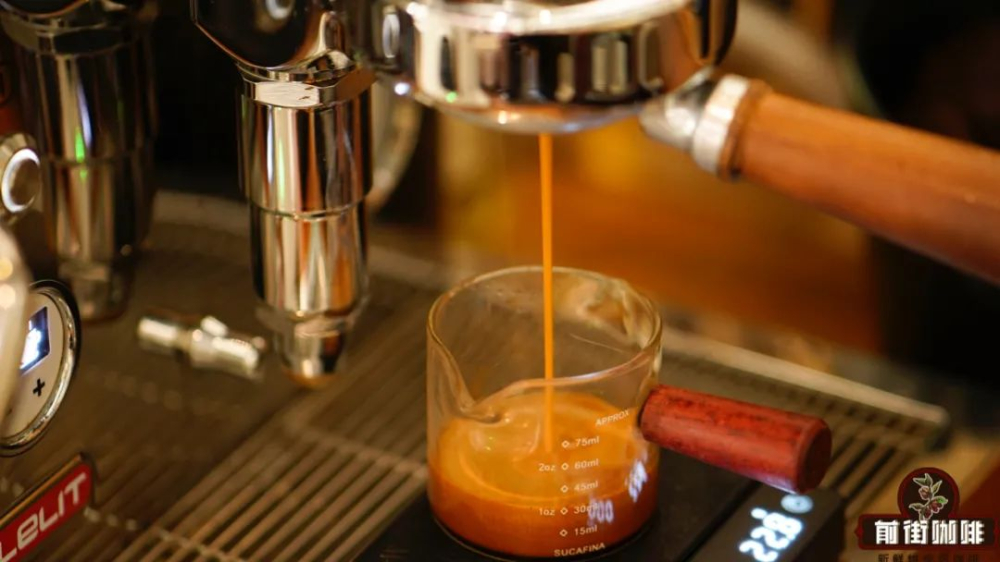
This comparative experiment leads to the conclusion: portafilters at different temperatures can indeed extract espressos with distinct sensory qualities, and the key lies in inconsistent heat conduction through the portafilter, which ultimately causes differences in the temperature of the espresso in the cup. Temperature changes affect our perception of taste, so espresso extracted with a refrigerated portafilter tends to be a bit more acidic, with fuller fruit expression; whereas espresso extracted with a high-temperature preheated portafilter has a richer, smoother mouthfeel—this is precisely the different experience brought by temperature differences.
Since none of the three espressos showed negative flaws and they differed only slightly in flavor layering, Front Street believes that these espressos with different characteristics can all find suitable uses in their respective application scenarios. However, for a refrigerated portafilter to achieve batch output in a coffee shop is probably unrealistic. If you had to freeze a portafilter for every cup you make, how many portafilters would you need to prepare? More critically, once taken out of the refrigerator, the portafilter begins to fog up and drip within just a few seconds, making consistency very hard to guarantee. So, if we want espresso at a slightly lower temperature, we can also rely on external aids (such as a stainless steel ice ball) to cool it down, rather than necessarily freezing the portafilter.
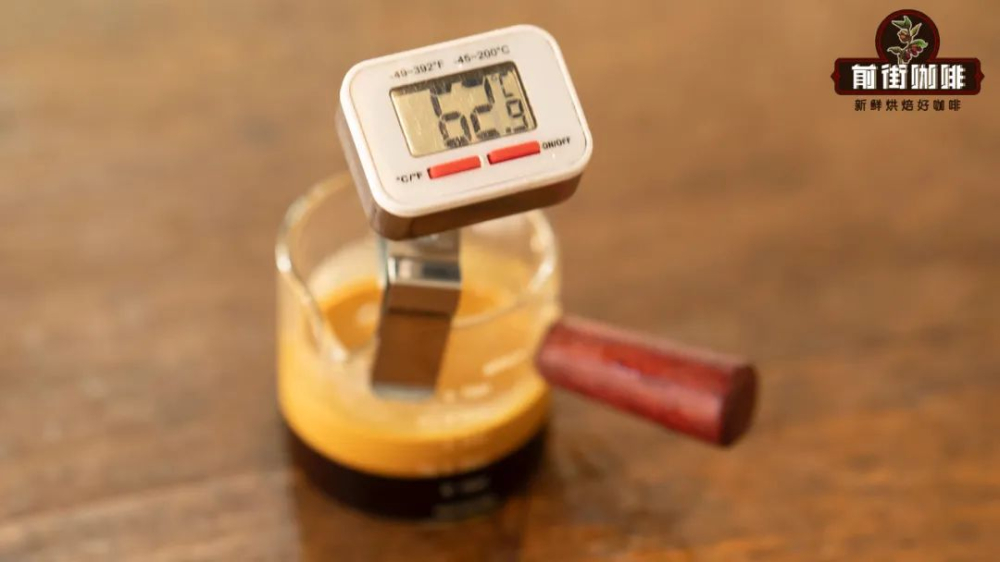
Back to the original question: does portafilter temperature affect extraction? The answer is clearly yes. While other variables such as tamping pressure and grind state may also interfere with extraction, judging solely from the serving temperature of the espresso, portafilter temperature does genuinely affect the final performance of that cup of espresso.
- END - Front Street Coffee (FrontStreet Coffee)
No. 10 Bao'an Qian Street, Yandun Road, Dongshankou, Yuexiu District, Guangzhou City, Guangdong Province
The above content is compiled by CoffeeHunters, a coffee news website.


