







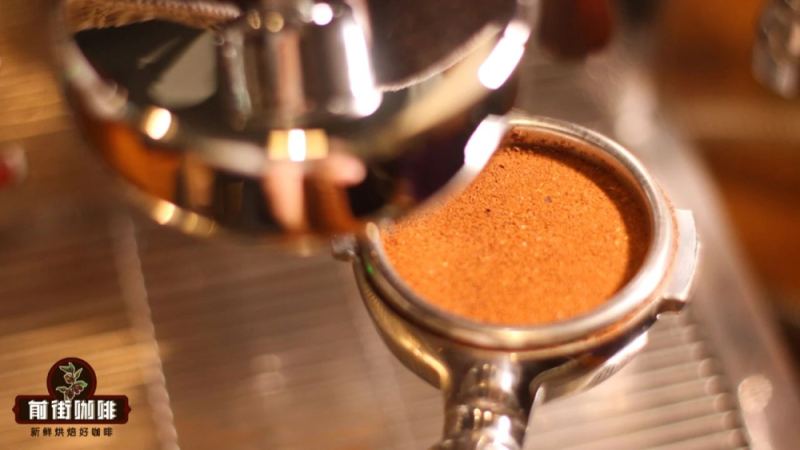
Espresso, as the core of a café's output, has its flavor expression and extraction techniques always in the spotlight for baristas. From the perspective of Front Street Coffee, this article systematically sorts out the definition of espresso and the principle of crema formation, analyzes the pairing logic and roasting emphasis of espresso blends, and breaks down in detail the six operational steps from cleaning the portafilter basket, grinding and dosing, distributing and tamping, to completing the extraction. It also reminds readers of two key details: even distribution and parameter recording, helping coffee enthusiasts make a qualified espresso more consistently.
For more specialty coffee content, follow: Front Street Coffee (Frontsteet Coffee)
In the daily output of a café, espresso-based coffee always holds a pivotal position. And the foundation of espresso-based coffee is the espresso made with a coffee machine. It can be said that extracting espresso is a core skill every barista must master. So what kind of coffee is espresso exactly? And how do we get a standard cup of espresso? Today Front Street Coffee (FrontStreet Coffee) will talk about some insights on espresso.
What is espresso?
Espresso originates from Italy and is a coffee obtained by rapid extraction under high pressure in a short time. Traditionally, a single shot of espresso is about one ounce in volume. Structurally, espresso can be divided into three layers: crema, body, and heart.
How does the crema on the surface of espresso come about? When extracting espresso, the coffee beans are ground into very fine particles and then extracted under pressure as high as 9 bar. When hot water passes through the coffee puck, the carbon dioxide contained in the coffee grounds, due to the excessive pressure, becomes supersaturated in the water, so the carbon dioxide cannot escape and can only dissolve directly into the coffee liquid. At the same time, the high pressure also causes the oils in the coffee to separate from the coffee puck and be carried out by the hot water.
After extraction ends, at the moment the coffee liquid flows out of the coffee machine, atmospheric pressure returns to normal. The carbon dioxide still remaining in the coffee liquid is about to return to the air, but it encounters the oils also in the coffee liquid. The oils wrap around the carbon dioxide that is about to escape, and this layer of oils is thus formed.
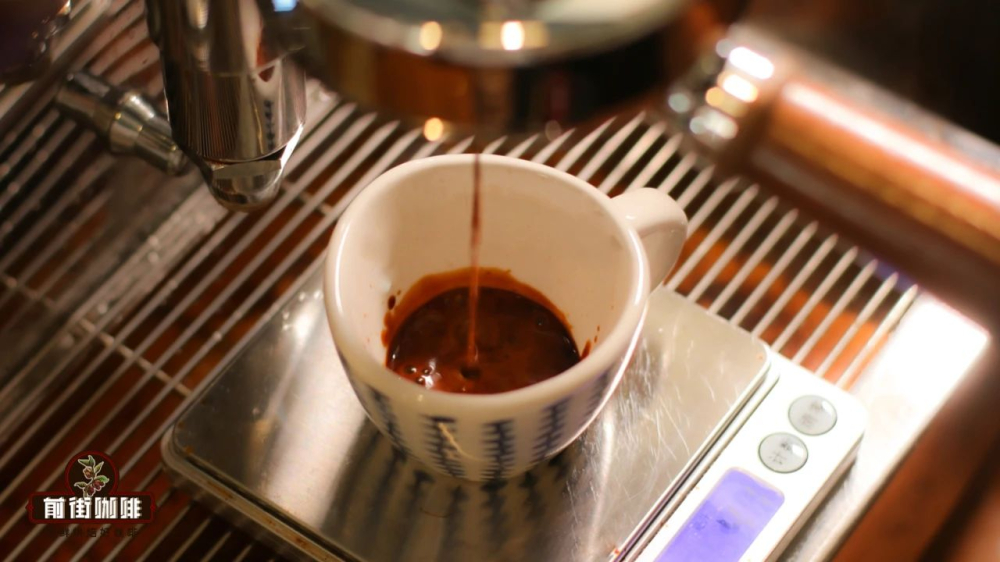
This layer of crema is also one of the sources of espresso's charm.
What coffee beans are used to make espresso?
The coffee beans used for Front Street's espresso are usually a blend of multiple beans to complement each other's strengths and offset weaknesses, or to intentionally highlight a certain flavor. For example, some baristas prefer to use coffee beans from Kenya, Mandheling, Brazil, and Colombia as base beans for blending. This is because coffee beans from different producing countries, after different roasting levels, when blended into espresso, present a unique taste and aroma, and the final criterion for selection is whether the extracted espresso suits personal preference.
Espresso is especially particular about roast level. Unlike pour-over coffee, where beans of any roast level can bring out the flavor of the single-origin bean's producing region by adjusting water temperature or the coffee-to-water ratio, Front Street generally does not choose coffee beans with too light a roast. This is because lightly roasted beans produce more acidity and less crema after extraction, and if milk is then added to make milk coffee or cappuccino, the基调 of that cup will basically be sour, making for a very unsatisfactory drinking experience.
If you prefer mellow and rich coffee, Front Street Classic Espresso Blend is recommended. This bean is composed of three origins: Brazil, Indonesia, and Vietnam. It uses a dark roast, which can maximize the rich aroma of the coffee and also allow everyone to easily extract abundant and dense crema. Whether made into an Americano diluted with water or a latte paired with milk, it is very suitable. It can be purchased and ordered at the Front Street Taobao store or the Front Street Tmall flagship store.
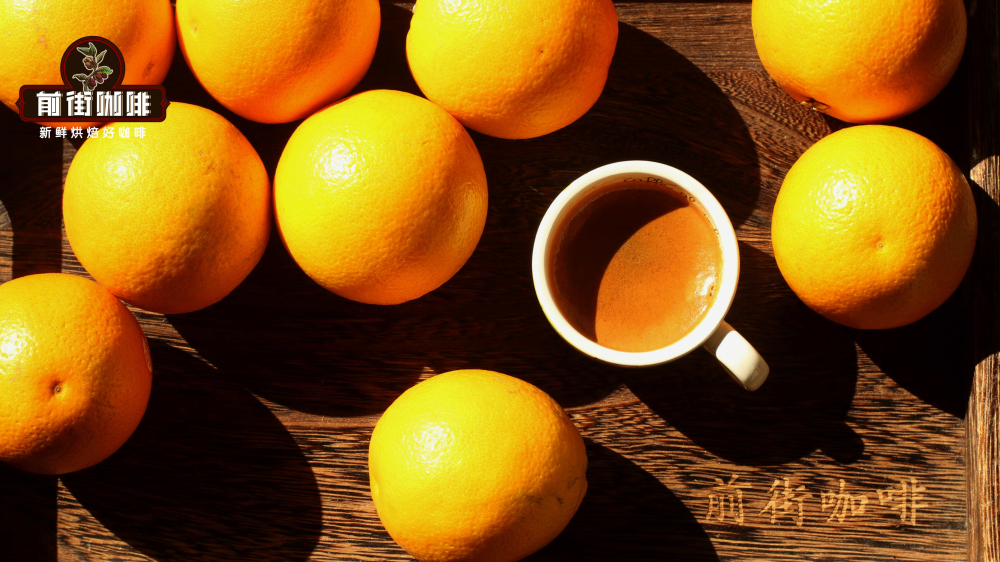
If normal espresso coffee beans are used, a quite excellent cup of espresso can be extracted. So how do you judge whether the extracted espresso is successful? Front Street shares a little trick: observing the appearance and color of the crema can give you a rough idea. Back to the point, how should we extract espresso?
Steps for extracting espresso
Step 1: Clean the portafilter basket
Before extracting espresso, remove the portafilter, clean the portafilter basket with a dedicated cloth, and confirm that the basket is clean and has no residual water stains.
Step 2: Grind the coffee beans and dose
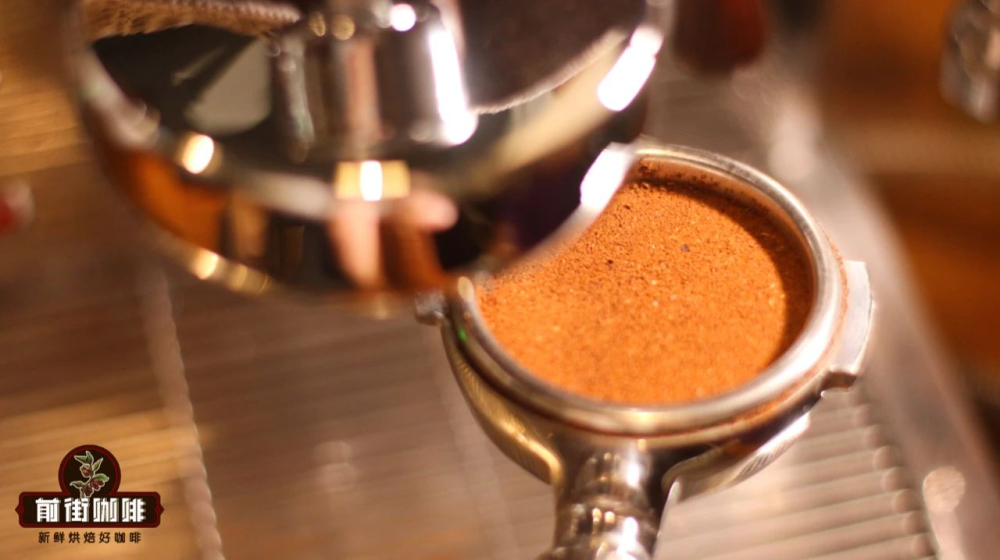
Turn on the grinder switch and start grinding the coffee beans. Before dosing, place the portafilter on the electronic scale and tare it to zero. After dosing the coffee grounds, put it back on the electronic scale to ensure the weight of the coffee grounds remains consistent each time. During dosing, pay attention to where the coffee grounds fall into the portafilter, so that the coffee grounds evenly cover all areas of the portafilter.
Step 3: Distribution
After dosing the coffee grounds, use your fingers or a distribution tool to distribute the grounds. The purpose is to make the coffee grounds evenly distributed and avoid inconsistent density during subsequent tamping.
Step 4: Tamping
After distribution is completed, proceed to tamping. When tamping, the direction should be perpendicular to the basket, and the force should be moderate—neither too light nor too heavy. Too light will make the coffee puck loose, while too heavy will make the puck too compact and too dense, making it difficult for water to penetrate the puck, thus causing over-extraction.
Step 5: Lock in the portafilter and extract the espresso
Gently lock the portafilter onto the coffee machine, avoiding bumping the portafilter against the machine, as excessive collision will cause cracks in the coffee puck inside the portafilter, triggering channeling and leading to under-extraction or uneven extraction. After locking the portafilter, immediately turn on the extraction switch to begin extracting espresso. At the same time as extraction starts, use an electronic scale to measure the liquid weight of the espresso, and keep an eye on the extraction time and the color changes of the coffee liquid.
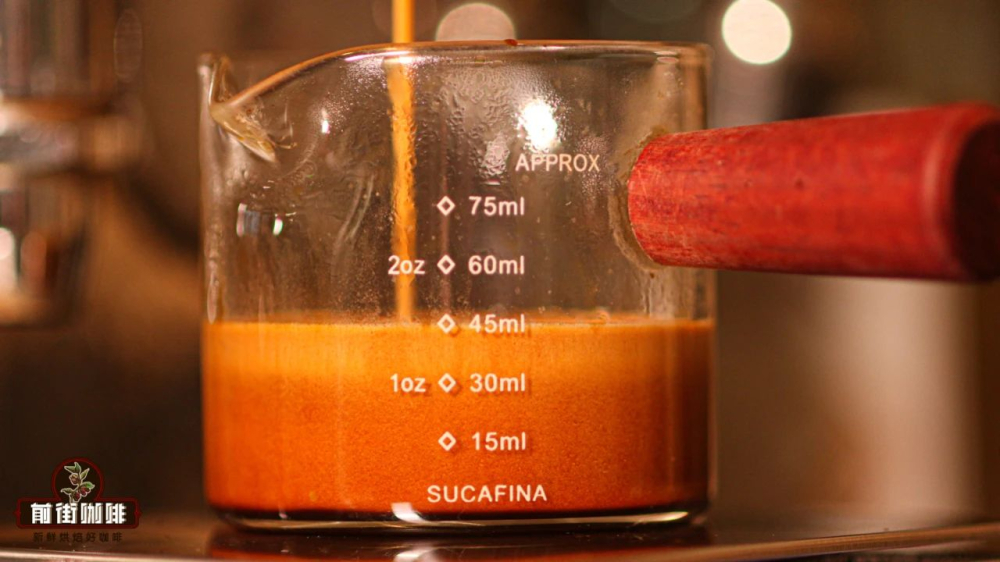
Step 6: Extraction complete, clean the portafilter basket
Knock the puck out into the knock box, clean the portafilter with a dedicated cloth, and finally lock the portafilter back onto the coffee machine.
Details to note
Detail 1: Even distribution
Distribution is a very critical part of extracting espresso. The purpose of distribution is to break up clumps and make the coffee grounds evenly distributed, both of which are intended to reduce the chance of channeling during extraction. Whether distributing by hand or with a dedicated distribution tool, you should make the coffee grounds as evenly distributed in the basket as possible. Because once the coffee grounds are unevenly distributed—more in one part and less in another—after tamping, the areas with more grounds have higher density and the areas with fewer grounds have lower density. Water tends to flow through the lower-density areas, which is exactly what causes channeling and uneven extraction.
Detail 2: Record all parameters
Espresso parameters include coffee powder weight, coffee liquid weight, and extraction time. Recording the parameters of every extraction is both important and necessary. Extraction parameters can help us maintain consistency in output and are also reproducible.
The above content is compiled by CoffeeHunters, a coffee news website.


