








When making espresso, the choice of portafilter is often overlooked, yet it directly affects the consistency of the output and the operating experience. A split portafilter has a closed bottom with two spouts, allowing it to evenly distribute a double shot of espresso; a bottomless portafilter removes the bottom cover, making it easier to observe the extraction status, and is especially advantageous for identifying channeling and making layered coffee. However, the two also differ noticeably in flow rate, preheating needs, and cleaning and maintenance. This article will systematically compare the characteristics of split portafilters and bottomless portafilters, and provide practical advice from Front Street Coffee to help you make a more suitable choice in your daily output.
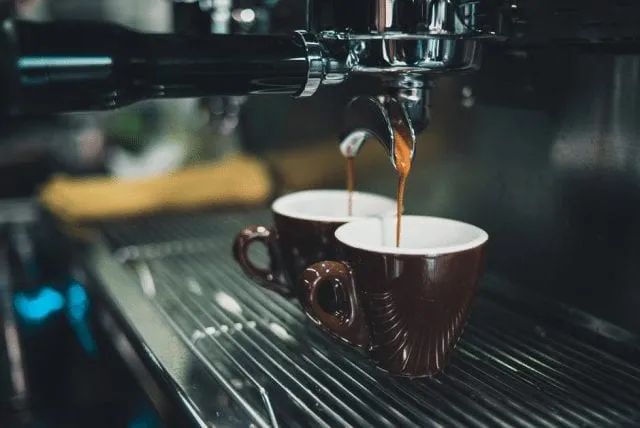
In the early days, 1 shot specifically referred to espresso extracted using a single-dose basket. If more cups of coffee needed to be made at the same time, one had to switch to a split portafilter fitted with a double basket, which could complete the extraction of two espressos at once.
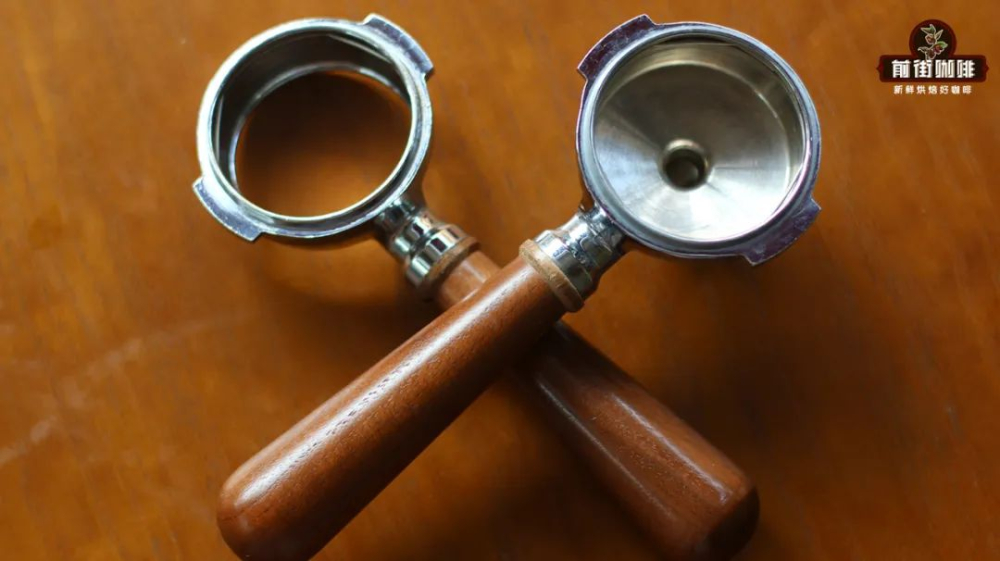
Later, many coffee shops got into the habit of using a double basket to extract only one espresso, so single-spout portafilters gradually fell into disuse. At the same time, a completely new design appeared—the bottomless portafilter, which fully opens the bottom and retains only a ring structure to hold the basket.
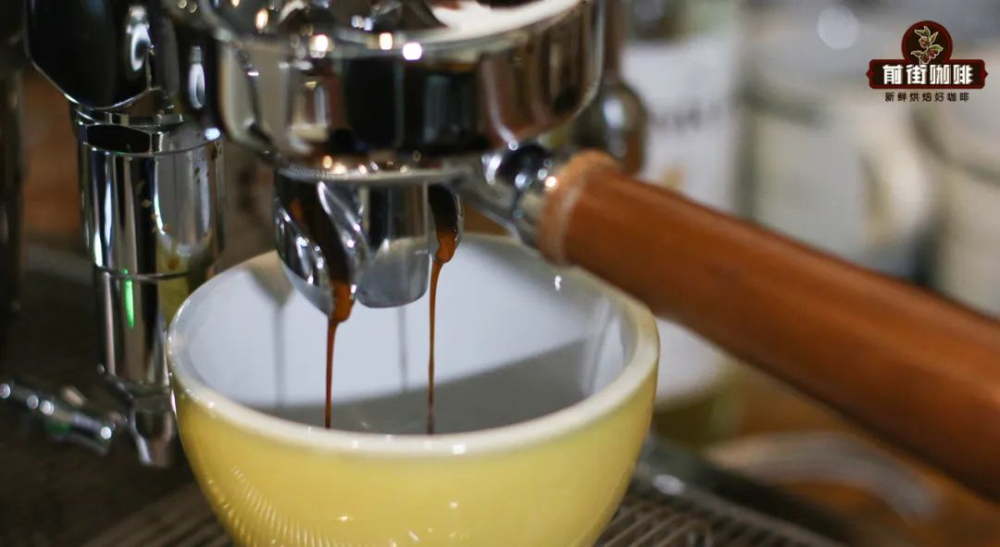
To this day, many older coffee machines still come standard with only two portafilters with spouts, and using a bottomless portafilter requires paying extra or buying one separately. So the split portafilter is still the mainstay in the vast majority of output scenarios. In addition, some shop owners buy bottomless portafilters themselves, or cut off the bottom of a single-spout portafilter to convert it into a bottomless version.
Let's first look at the characteristics of the two. The bottom of a split portafilter is closed, with two spouts underneath, and its core purpose is to evenly split one espresso into two portions; this distribution method is more reliable than simply pouring half out of one cup of coffee, because the latter makes it difficult to ensure that the crema and coffee liquid are distributed consistently.
Now let's talk about why bottomless portafilters are popular. Put plainly, the difference between it and a split portafilter is that the closed bottom structure is removed, so the basket can be seen directly from below. The advantage of this is that you can observe the flow of espresso in real time, and it can also effectively catch channeling—once channeling occurs, spraying will appear at the bottom of the basket, and a bottomless portafilter makes it obvious at a glance, while a split portafilter makes it very hard to notice.
In addition, when making layered coffee such as Dirty, a bottomless portafilter is more advantageous. On some coffee machines, the space between the group head and the drip tray is limited; if a split portafilter is used, a 7 cm tall cup may not fit; switch to a bottomless portafilter, and about 3 to 4 cm of vertical space can be freed up.
But if you catch the espresso directly in a cup, the split portafilter actually performs better. When the coffee liquid falls into the cup, there is a height difference, which easily causes splashing; a split portafilter can easily let the spout rest against the cup wall, so the coffee flows down along the wall, while a bottomless portafilter finds this very difficult to do, and with a slight lapse in attention the cup wall becomes covered with traces of splashed espresso.

Although there is no particularly obvious difference between the coffee liquid extracted with a split portafilter and a bottomless portafilter, some shops alternate between the two, and the following three differences are worth noting.
First, the difference in flow start time Some people use flow start time as a basis for judging extraction parameters, so when using a split portafilter, the time at which coffee liquid is seen flowing out is usually 1 to 2 seconds slower than with a bottomless portafilter, because the coffee liquid must first pass through the splitter before coming out. If the two portafilters are used interchangeably, this point must be noted.
Second, the portafilter needs preheating In the past, discussions about whether the portafilter should be left locked on the group head to keep warm generally referred to split portafilters, because in addition to the basket, a split portafilter also has a splitter through which the coffee liquid flows. The basket itself is relatively thin, and its temperature can rise after just a quick rinse with hot water, so it does not need to stay locked on the group head; but the splitter is different, as its material is thicker and it is farther from the group head, so it heats up slowly. That is why the practice arose of leaving the portafilter locked on the group head to keep warm.
Actually, Front Street still recommends that you try not to leave the portafilter locked on the group head for a long time during non-extraction stages. If preheating is really needed, you can lock the portafilter onto the group head just before preparing to extract and let hot water preheat it briefly (remember to dry off the moisture for a split portafilter).
Third, cleaning A bottomless portafilter is easier to clean, and coffee stains left after extraction can be washed off directly without removing the basket. A split portafilter, however, requires removing the basket after the day's extraction is finished to clean the splitter. Front Street once encountered a coffee shop whose owner was a beginner and had no idea the basket could be removed; by the time it was taken apart, a layer of brown-black coffee oil grime had already built up inside the split portafilter that had been used for three months, and it even gave off a foul smell.
The above content is compiled by CoffeeHunters, a coffee news website.


