







Does Portafilter Temperature Change How You Make Coffee With a Coffee Machine?
Portafilter temperature does not noticeably change extraction yield, but it shifts flavor. A comparative test fixed dose and liquid weight, changed only the portafilter temperature, and recorded time, concentration, flavor and milk coffee performance, showing that a heated portafilter made body and winey notes more prominent while a chilled one amplified fruity acidity and lightened texture.
The test used the Sunflower Warm Sun Blend and a Galileo grinder set to a scale of 2.0, comparing high-temperature, room-temperature and refrigerated portafilters, the last chilled for one hour. Tamping pressure did not need adjusting with temperature, so anyone learning how to make coffee with a coffee machine can pick a preheating strategy based on roast level and the sour americano profile they prefer.
Espresso extraction involves numerous variables, and portafilter temperature is often overlooked. Front Street Coffee designed a comparative experiment to address the question of "whether the brew head's hot or cold state affects tamping pressure": fixing the dose and liquid weight, changing only the portafilter temperature, and recording time, concentration, flavor, and milk coffee performance. The experiment used Front Street Sunflower Warm Sun Blend, and the results showed that although temperature did not significantly change the extraction yield, it clearly influenced the flavor direction—preheating the portafilter made the body and winey notes more prominent, while a refrigerated portafilter amplified fruity acidity and a lighter texture. This article will present the complete experimental data and tasting conclusions, and answer whether tamping pressure needs to be adjusted with temperature, as well as how to decide the portafilter preheating strategy based on the coffee bean roast level.
Yesterday, Front Street noticed a question raised by a coffee enthusiast: "When extracting espresso, if the brew head temperature is low, do you need to tamp harder than when it's hot?" Front Street understands that what he really wanted to ask was whether differences in portafilter temperature change the espresso extraction result, and whether the tamping pressure needs to be adjusted accordingly. To clarify this, we simply conducted a comparative experiment.
The idea behind this test was: change only the portafilter temperature, keep the dose and liquid weight fixed, record time as the variable, and keep the other controllable factors as consistent as possible. Throughout the process, we would record the extraction time, the espresso's concentration and flavor, and the mouthfeel characteristics after adding an equal amount of hot milk.
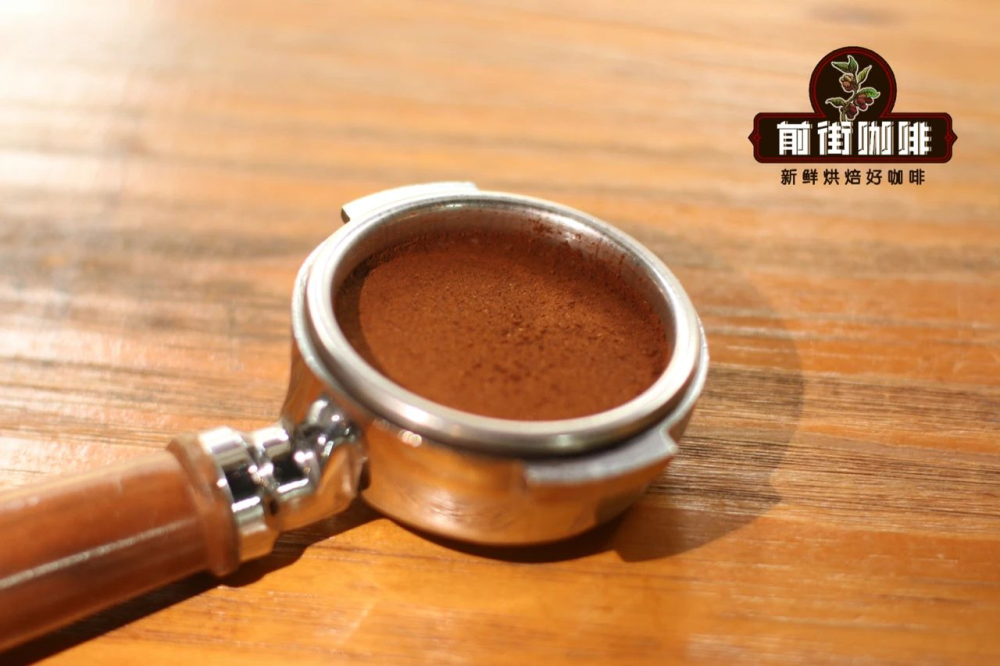
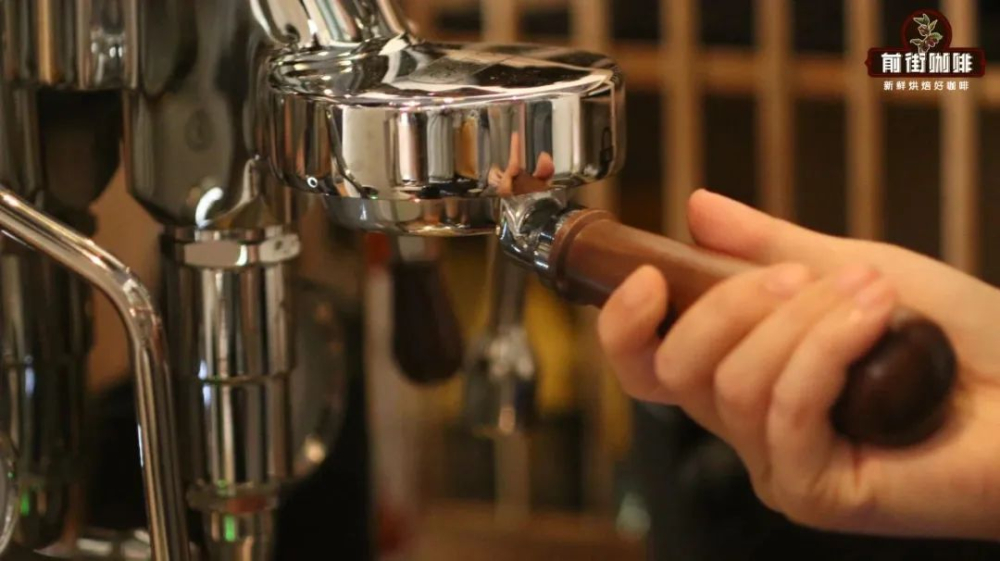
The Galileo grinder was set to a scale of 2.0. The portafilter temperature was divided into three states: high-temperature portafilter, room-temperature portafilter, and low-temperature portafilter. The low-temperature portafilter was placed in the refrigerator's cold storage compartment for one hour in advance before use; the high-temperature portafilter was locked onto the coffee machine to keep heating until it felt hot to the touch before being removed.
The beans used in the experiment were the Sunflower Warm Sun Blend produced by the Front Street store. The ideal extraction flavor of this bean is vanilla, hazelnut, caramel, fermented notes, and berry sweetness with acidity, while as a hot milk coffee it presents vanilla, cream, and liqueur chocolate notes. The specific experimental data and results are as follows.
Refrigerated portafilter: extraction time 30 seconds, measured concentration 10.52%. The espresso showed vanilla, berries, and cream, with bright acidity and low body; the milk coffee showed berries and chocolate, with milk flavor dominant and a thin mouthfeel.
From the experiment it can be clearly seen that portafilter temperature does indeed influence espresso extraction, and the flavor direction also differs, although refrigeration and preheating did not create a large gap in concentration or extraction yield.
After comparing the tastings of espresso and milk coffee, we found that: preheating the portafilter helps extract more full-bodied substances, making the overall mouthfeel richer and more solid; a refrigerated portafilter emphasizes lighter fruit aromas more, with brighter acidity. Taking Front Street Warm Sun Blend as an example, after preheating the portafilter, the Espresso showed richer winey and fruity notes, and the milk coffee also had a higher body, which exactly matched our extraction expectations for this bean.
Of course, there were still other factors that could fluctuate in the experiment, such as tamping pressure and changes in the coffee beans' condition, and the coffee beans' roast level will also make the effect of temperature differ. But Front Street wants to emphasize that the purpose of this experiment was not to find a way to make Espresso taste better, but to verify "whether portafilter temperature actually has an effect on extraction." The conclusion is: it does!
Returning to the question from the friend at the beginning—"When the brew head is cold, should you tamp harder than when it's hot?" In the experiment, Front Street tried to keep the tamping pressure consistent across all three times. Espresso extraction will change accordingly with different temperatures, so the tamping pressure does not need to be adjusted along with it; it is enough to feel that the puck has been tamped firm.
As for whether the portafilter should be preheated in advance or left at room temperature, Front Street believes it depends on the roast level of the coffee beans you are using (whether the flavor direction leans sour or bitter), and then, combined with the taste performance of espresso, Americano, or milk coffee, analyze which extraction detail is more suitable. After all, the ultimate goal is still to make the coffee taste better, right.
The above content is compiled by CoffeeHunters, a coffee news website.


