







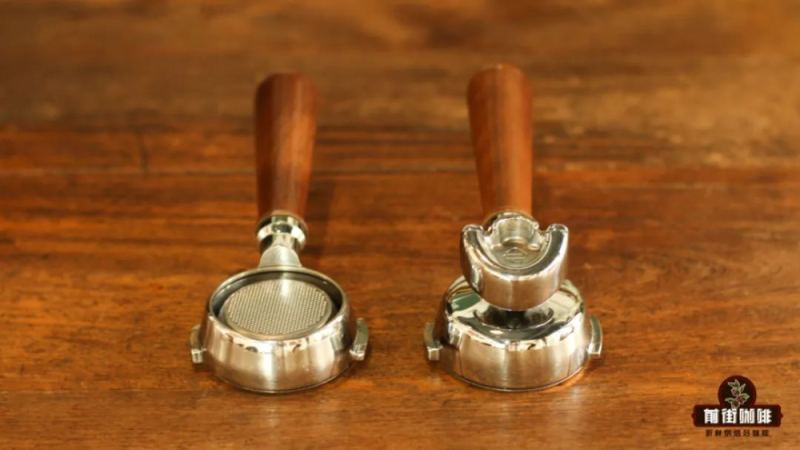
How Does an Espresso Machine Portafilter Change Extraction?
A spouted portafilter hides the bottom of the basket, while a bottomless one leaves it fully open. Under identical dose, grind, and yield, the bottomless design reveals how the shot actually flows, exposing channeling that spouts conceal. Choosing between them comes down to what you want from the bar: cleaner feedback on technique or tidier, more forgiving service.
The spouted type dates to when a single shot meant a single basket, so shops kept a single-spout and a double-spout version on hand. Modern practice favors larger doses and shorter yields, so single baskets faded and many machines now ship with a bottomless portafilter instead. Cleaning difficulty and counter space differ too, since spouts trap residue.
When buying or using an espresso machine, the choice of portafilter often causes confusion: what exactly is the difference between a traditional spouted portafilter and a bottomless one? Does a bottomless portafilter really affect the extraction result of espresso? This article will, through a practical comparative experiment, analyze the extraction performance of the two portafilters under the same parameters, and review the background of the birth of the bottomless portafilter and its original design intent. We will also explore how "channeling" was discovered by baristas, and the respective advantages of the two portafilters in terms of space occupation, cleaning difficulty, and usage scenarios. Whether you are a beginner just starting out or a seasoned enthusiast, you can find a basis for choosing what suits you. Front Street Coffee will also share its own usage habits for your reference.
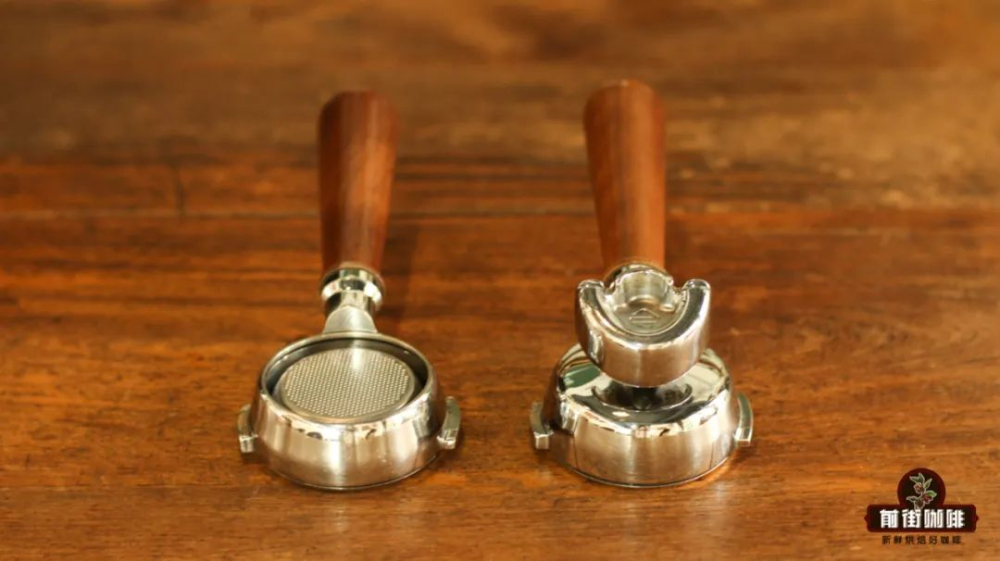
The spouted portafilter is a relatively traditional type of portafilter in espresso machines, and its appearance is closely related to the evolution of coffee machines. In the early days when buying a coffee machine, merchants usually included two portafilters with spouts at the bottom: one was a single-spout portafilter used with a single-shot basket, and the other was a double-spout portafilter used for a double-shot basket.
The reason for this distinction is that, as Front Street mentioned in a previous article, "How Much Is an Added Shot in Coffee, Really?", in the past a shot referred to the coffee liquid extracted using a single-shot basket. If a customer needed this amount when ordering, the shop would switch to a single-shot basket and extract one espresso; if two shots were needed, the portafilter had to be changed, switching from single-shot single-spout to double-shot double-spout, and then placing one shot glass under each of the two spouts, waiting for extraction to finish.
However, people today no longer follow the extraction methods of the past, but tend to use a larger dose and a smaller yield to obtain espresso, so single-shot baskets and single-spout portafilters have gradually fallen out of favor. To this day, some coffee machines still come with two portafilters when sold, but what manufacturers include is no longer two portafilters with spouts; instead, a bottomless portafilter has replaced the position of the single-shot single-spout portafilter, that is, a combination of one bottomless portafilter and one spouted portafilter.
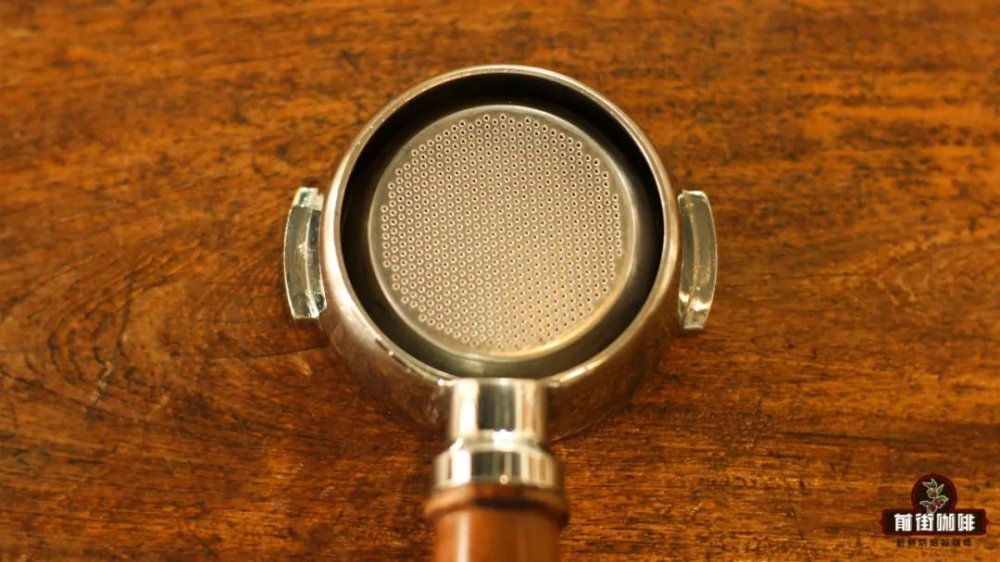
A bottomless portafilter, literally understood, is a portafilter without a spouted bottom. It can be observed that its lower part is hollow, and as a whole it looks like a ring, supporting the basket completely.
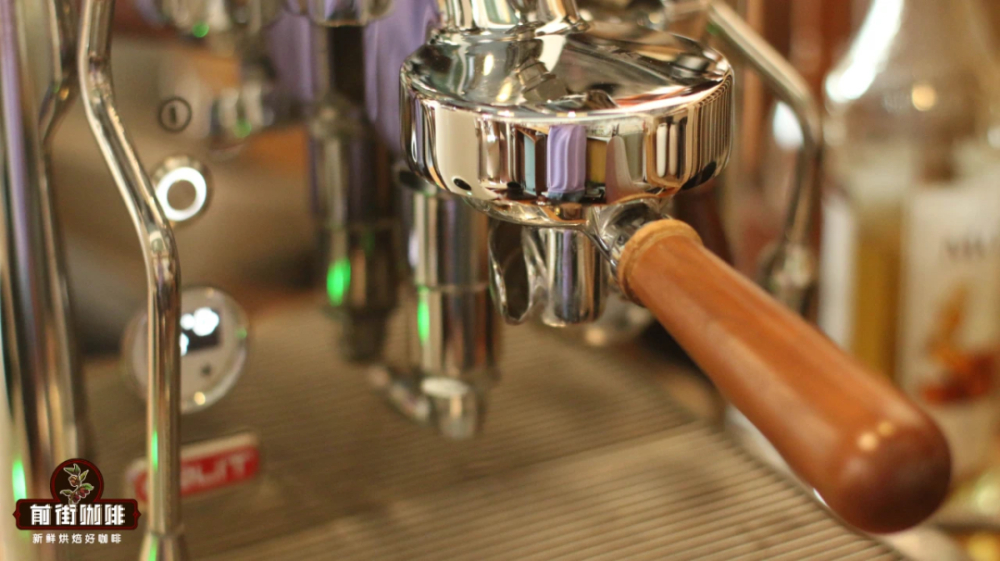
Next, let's do a comparison: let the bottomless portafilter and the spouted portafilter work under the same extraction parameters, and see whether the espresso changes because of the difference in the bottom structure.
Experimental comparison
Beans used: Warm Sun Blend Basket used: standard 20g basket Dose used: 20g Grind setting: 1.4 on the Galileo Q18 Extraction water temperature: 94°C Target yield: 40ml
After tamping separately, extraction began. Because during extraction there is a period when the liquid is suspended in the air and cannot be recorded by the electronic scale, we usually need to end extraction before the scale reaches the target yield. The bottomless portafilter was stopped when it was 1.5ml short of the target, while the spouted portafilter, because it does not drip directly, needed to be ended when it was 2ml short.
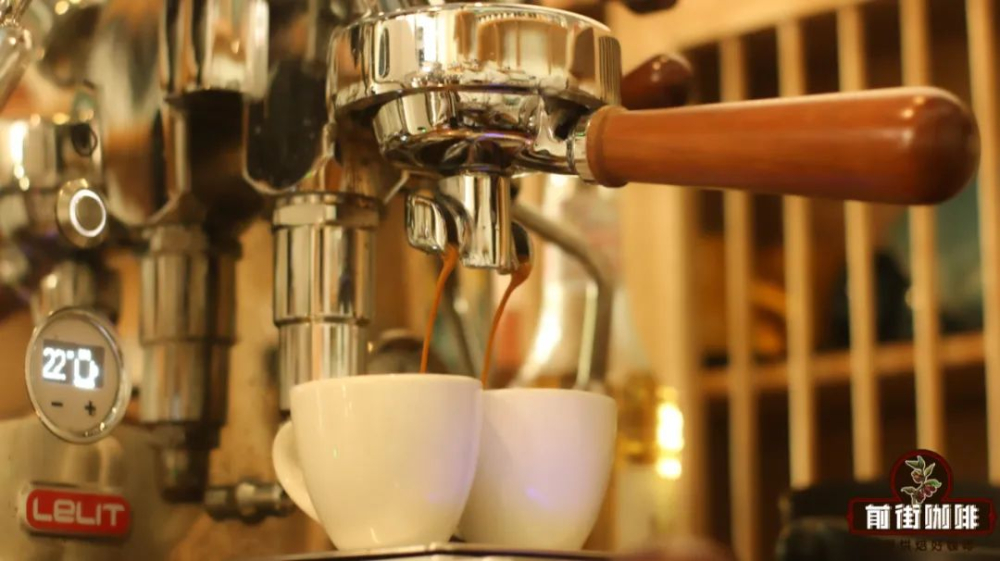
Both extractions were controlled at 30 seconds, and there was no obvious difference in taste, so Front Street will not expand on that here. But the question then arises: since the flavor is not very different, why has it still formed two opposing camps? Where is their real point of difference?
This has to start from the original intent behind the invention of the bottomless portafilter: to observe the extraction state of espresso more clearly.
The birth of the bottomless portafilter
In the era of using traditional spouted portafilters, baristas found that even with completely identical parameters, the taste of each espresso still fluctuated slightly, sometimes normal, sometimes mixed with a faint negative flavor, which puzzled them greatly.
So in 2004, Chris Davison, co-founder of the American Barista Association, together with colleagues, developed the bottomless portafilter. Removing the bottom allowed the coffee extraction process to be presented intuitively before people's eyes. It can thus be seen that the reason they thought of removing the bottom was to observe the extraction condition of espresso more directly.
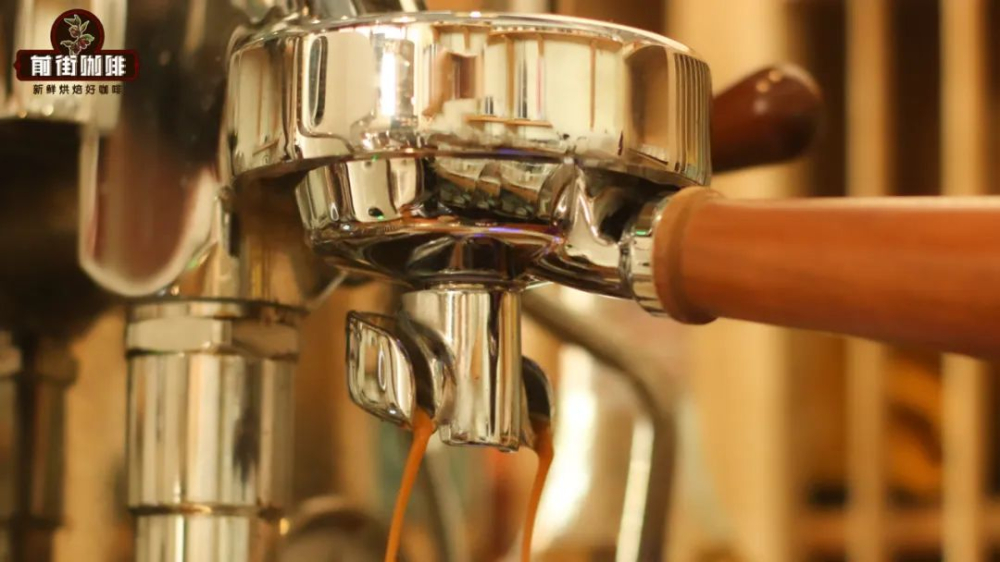
Afterward, when people used the bottomless portafilter, they found that the espresso liquid occasionally sprayed. Through experimental verification, this spraying was exactly the key factor causing changes in taste. Thus, "channeling" was recognized by everyone in this way.
So, which is better, the bottomless portafilter or the spouted portafilter?
It can only be said: each has its own advantages. The bottomless portafilter can show the espresso extraction process very intuitively, while reducing the space occupied during extraction, and it is more friendly for coffee like dirty that is directly received in a cup, and it is also simpler to clean than a spouted portafilter.
The strength of the spouted portafilter lies in not having to worry about spraying. Even if the bottomless portafilter is operated in a very standardized way, there is still a probability of spraying. Usually, in order to present the best taste and effect, we do not use a shot glass to receive espresso, because some crema will adhere to the wall of the glass, causing some loss of taste. So we generally use a coffee cup directly to receive the espresso. But spraying will make the coffee cup as messy as shown below.
This is the result of the combined effect of the height difference and the spraying phenomenon. Therefore, in terms of avoiding spraying, the spouted portafilter has more advantages. However, its cleaning steps are usually more cumbersome. So, whichever portafilter to choose, just follow personal preference. Anyway, Front Street uses both.
Front Street Coffee (FrontStreet Coffee)
No. 10, Bao'an Qian Street, Yandun Road, Dongshankou, Yuexiu District, Guangzhou, Guangdong Province
The above content is compiled by CoffeeHunters, a coffee news website.


