







For more specialty coffee knowledge, please follow: Front Street Coffee (Frontsteet Coffee)
In the past, when Front Street shared knowledge about espresso extraction, it would focus on parameters such as grind size, dose, ratio, extraction time, and pressure, and also analyze steps like receiving the grounds, distributing the grounds, and tamping. Only the extraction water temperature was rarely explained in detail.
The fact that Front Street doesn't discuss water temperature doesn't mean water temperature isn't important for espresso extraction. Rather, many older machines have boiler water temperatures set at the factory, and changing them is cumbersome. So when extracting espresso, water temperature is often treated as a fixed value, with other parameters adjusted to work around it.
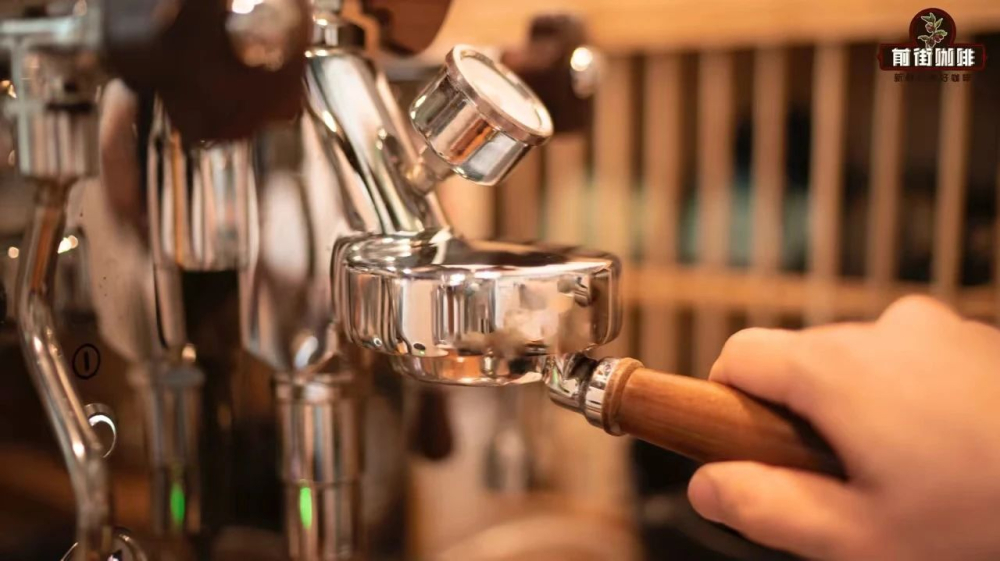
Now, newly designed machines or high-end machines from the past 10 years can freely set water temperature parameters. This has also made this parameter an important variable in extraction.
What water temperature setting is generally suitable for a coffee machine?
A normal coffee machine's water temperature range of 85-95°C is reasonable. Some coffee machines have default temperatures on the higher side, around 92-96°C. When learning pour-over water temperature parameters, we know that higher water temperatures can improve coffee extraction efficiency, thereby dissolving more coffee substances; while lower water temperatures result in lower extraction efficiency and dissolve fewer coffee substances.

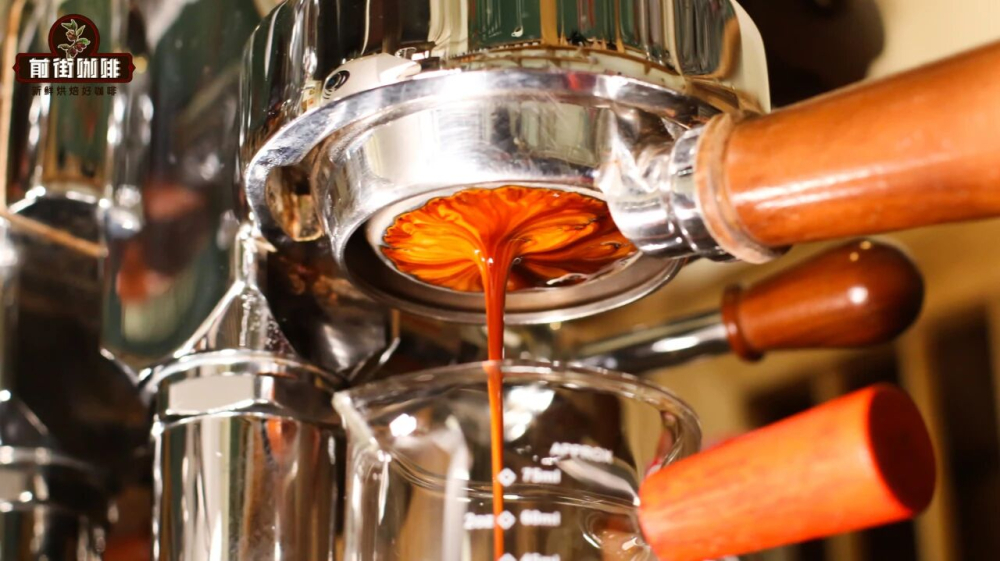
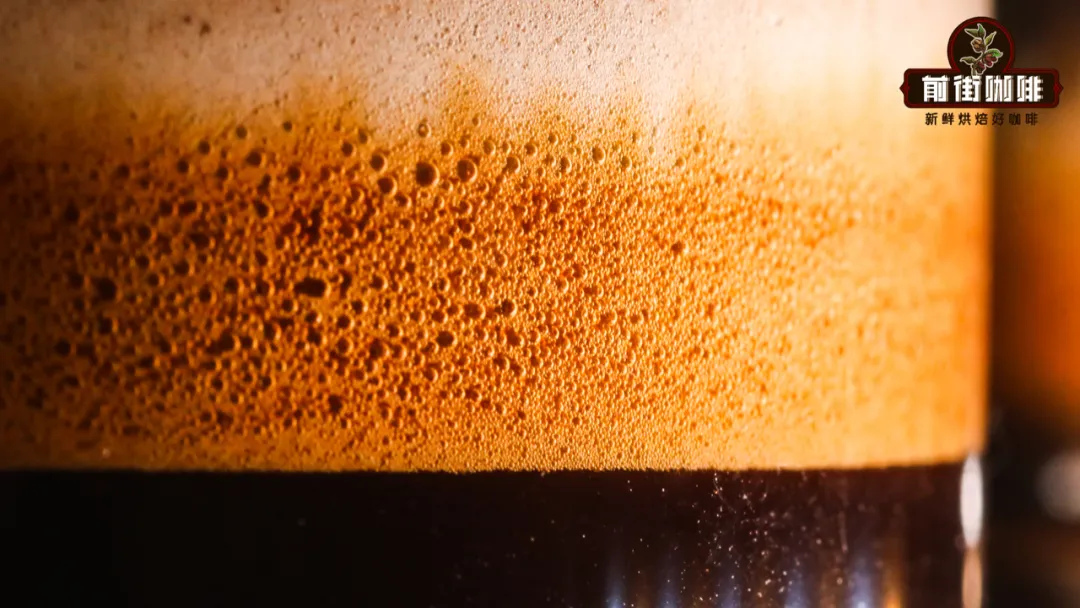
The water temperature for espresso works on the same principle as pour-over coffee. If the water temperature is set too high, burnt bitterness and woody flavors easily appear. But high water temperatures can also extract richer crema. The reason older espressos tasted more bitter was partly because the coffee beans were roasted very dark, and partly because the machine's boiler water temperature was set relatively high, which also met the need for producing thick crema. There are also some differences in extraction—the extraction time is generally controlled at 20-25 seconds (because a longer time easily produces burnt and sawdust-like flavors).
Espresso extracted at too low a water temperature will be very sour, and the crema won't be as rich. So the mainstream espresso machines of the past rarely had water temperature settings below 92°C.
Water temperature affects the flow rate of coffee extraction
Higher water temperatures make the coffee liquid flow more slowly, while lower water temperatures make it flow slightly faster. High water temperatures cause the coffee puck to expand more quickly and also release gases. These gases block the water flow until they are compressed into crema and extracted, at which point the coffee flow rate gradually increases. The higher the temperature, the more bubbles there are, and the greater the resistance to water flow.
When the temperature is low, the coffee flow rate is relatively fast. An extreme example: when you turn on the coffee machine and the coffee boiler starts heating, the group head can extract at this time, but the water temperature is very low, around 60°C. If you extract espresso with the same parameters at this moment, the extraction time is greatly reduced and the coffee flows out relatively quickly.
Similarly, if you use a small-boiler coffee machine for high-intensity consecutive shots, you'll notice that espresso extraction gradually becomes unstable and the flow rate increases. Part of the reason is that the temperature hasn't recovered after the boiler refills with water.

Boiler temperature is not equal to extraction temperature
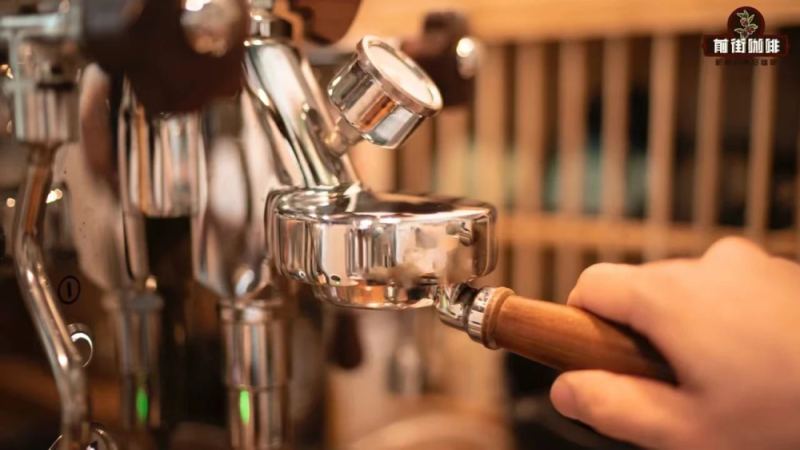
The water temperature we can set now is the water temperature inside the boiler, but the water temperature from the boiler to the extracted coffee must pass through the dispersion screen and the portafilter (filter basket). If more than 10 minutes have passed since the last coffee extraction, the group head (dispersion screen) temperature will be relatively high. If you directly lock on the portafilter and extract, the water from the boiler will absorb heat when passing through the dispersion screen, resulting in an initial water temperature higher than the boiler temperature.
So to avoid this situation, before locking on the portafilter, you open the extraction switch in advance to release water and cool down, in order to approach the set water temperature.
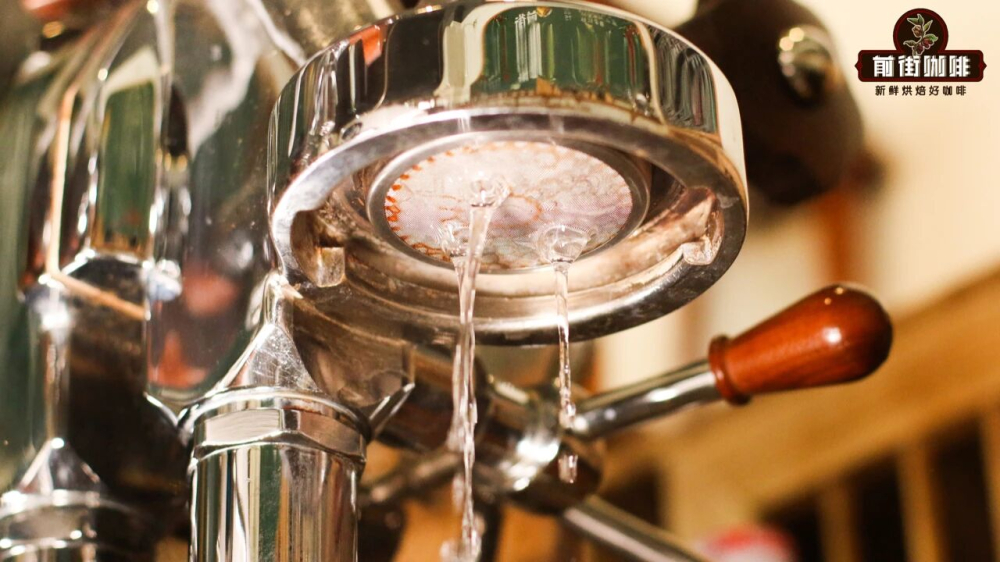
The portafilter's temperature also affects the initial coffee extraction temperature. If the portafilter is at room temperature, during the initial extraction, the portafilter will absorb heat from the water, so the actual water temperature will be lower than preset. Therefore, before receiving the grounds, you need to release hot water to preheat the portafilter (this is the same principle as preheating the dripper for pour-over coffee). Of course, some people solve this problem by leaving the portafilter locked on the group head to keep it warm when not extracting. But Front Street doesn't recommend this—click here for detailed reasons.
During the extraction process, the extraction temperature cannot remain consistent with the boiler water temperature throughout.
What temperature setting is suitable for daily espresso extraction?
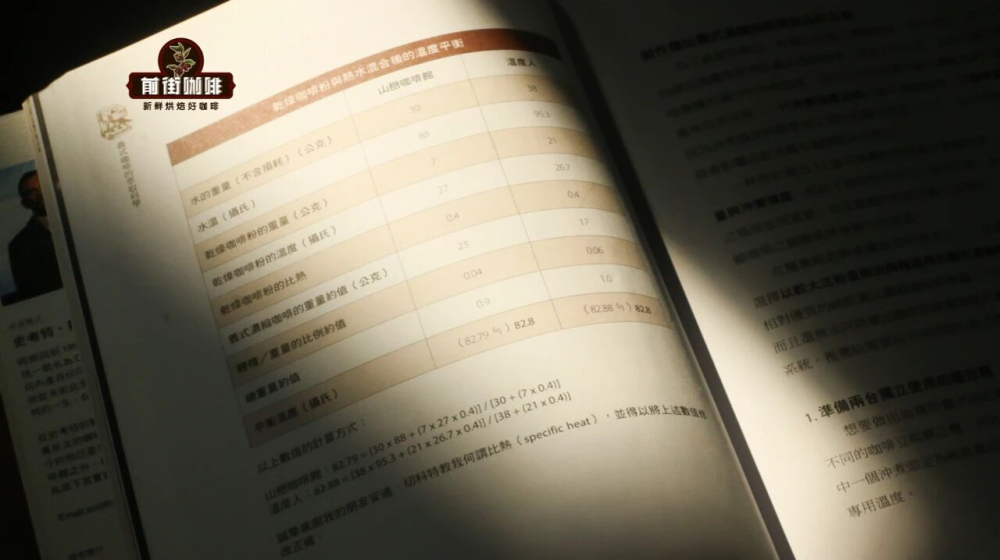
Here we cite the hypothetical experiment from Rao's "The Extraction Science of Espresso": Italian baristas prefer to extract espresso at 85-91°C, while American baristas prefer to extract espresso at 92-96°C. The reason lies in their different ratios. The Italian standard is to use 7 grams of coffee grounds to extract 1 ounce of espresso, while the US uses 18-21 grams of coffee grounds to extract 1 ounce of espresso.
If you mix 30 grams of 88°C water with 7 grams of 27°C coffee grounds, and mix 38 grams of 95.3°C water with 21 grams of 26.7°C coffee grounds, the mixed temperature in both cases should be 82.8°C. Of course, this is a hypothetical experiment. But it illustrates one piece of information: coffee grounds absorb heat, and the larger the dose, the more heat is absorbed. So to reach a certain extraction temperature, you need to raise the preset water temperature.
Book cover of "The Extraction Science of Espresso"
The ratios we use today are similar to American baristas—using a large dose to extract one shot of espresso—so the temperature selection needs to be adjusted to 92-96°C.
For more specialty coffee knowledge, please follow: Front Street Coffee (Frontsteet Coffee)
The above content is compiled by CoffeeHunters, a coffee news website.


