







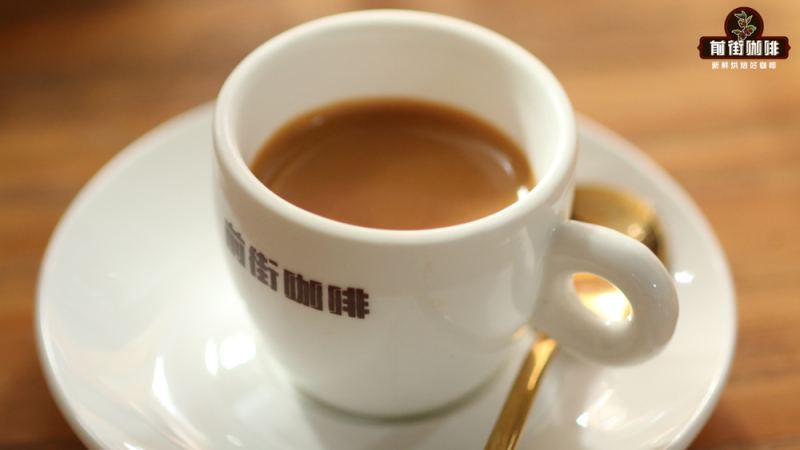
Many people think the hardest part of making espresso is steaming milk and pouring latte art, but what really determines whether a milk coffee tastes good is actually the extraction quality of the espresso. In this article, Front Street Coffee systematically walks through the entire process of making an ideal espresso: from why you should choose a blend rather than a single-origin bean, to the necessity of adjusting parameters daily, and then to the operational details and common pitfalls of each step—distribution, tamping, and extraction. The article also shares the flavor performance of Front Street's own Warm Sun Blend and the reference extraction parameters for the Lelit espresso machine, helping coffee enthusiasts find their own stable brewing solution through practice.
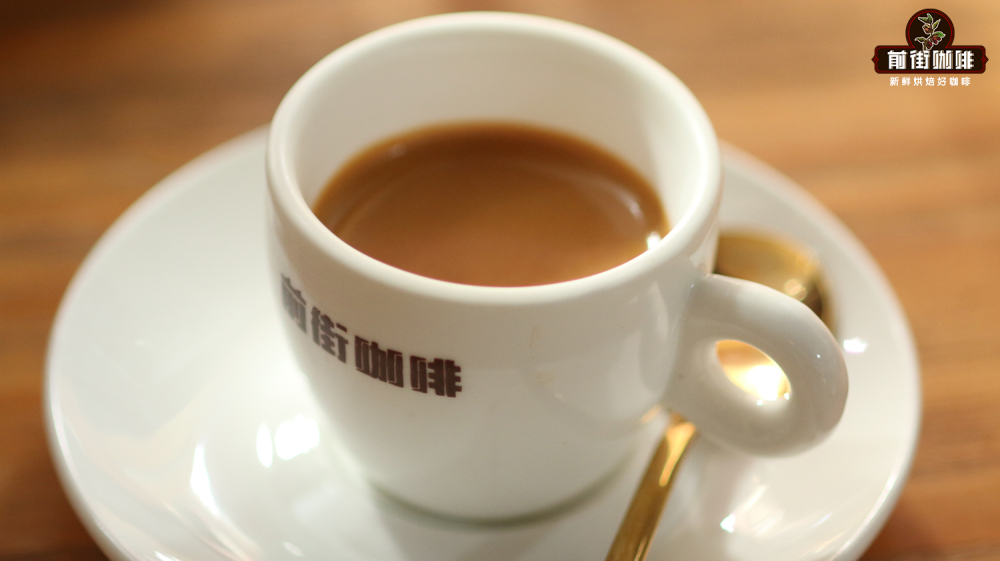
Front Street has found that many people new to coffee—and even some baristas—tend to reduce the technical core of espresso to milk steaming and latte art. But in Front Street's view, espresso extraction is the foundation of the entire drink. If the espresso itself doesn't taste good, then no matter how fine the microfoam or how beautiful the latte art, the milk coffee ultimately won't taste good. To meet the needs of various coffee beverage shops, Front Street has roasted a range of espresso beans in different styles, covering specialty blends, commercial blends, and the Front Street Black Cocoa Blend favored by many baristas. Front Street Coffee currently uses the Sunflower Warm Sun Blend in its own stores—this bean carries a distinct whiskey aroma with a nutty finish.
Why choose an espresso blend for pulling espresso shots?
Coffee beans are an agricultural product, and changes in weather and soil conditions cause flavor variations between different batches from the same origin. The idea behind blending is to maximize strengths and minimize weaknesses, so that every batch produces a relatively consistent flavor profile. This is exactly why Front Street chooses a blend rather than a single-origin bean for espresso.
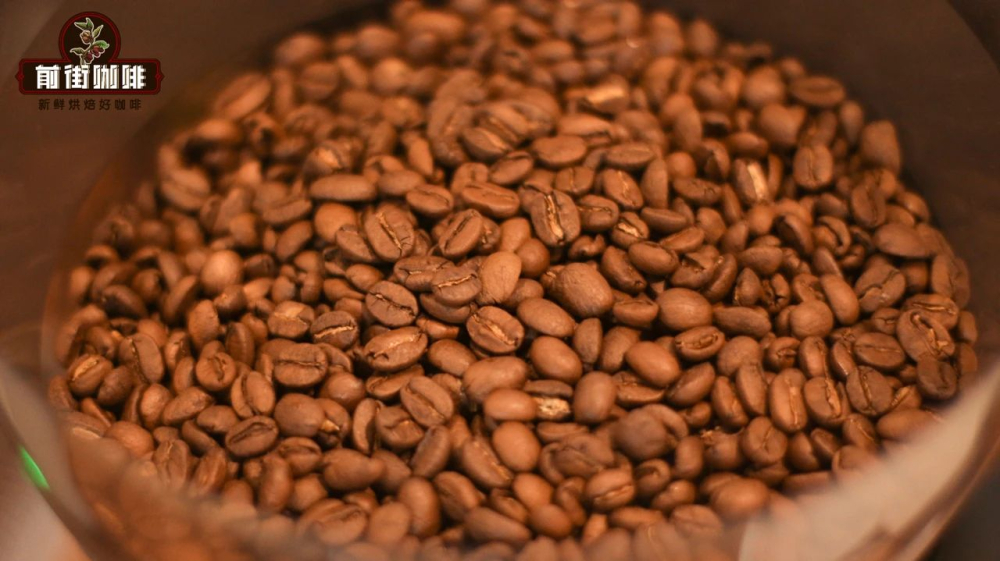
When making espresso, Front Street blends Ethiopian natural Red Cherry with Honduran Sherry in a 4:6 ratio to create the Warm Sun Blend. After high-pressure extraction, this bean presents a rich whiskey aroma, soft fruit acidity, and a nutty, cocoa-like finish. When heated milk is added, the lactose is activated, and when mixed with the espresso, the lactose and berry-like acidity interweave into a milkshake-like sweetness, while not masking the whiskey aroma—one sip and it's hard to forget.
Why do you need to adjust espresso parameters every day?
Front Street uses a Lelit espresso machine, with the following extraction parameters:
Pressure: 9 bar
Temperature: 94°C
Time: 30 sec
Dose-to-yield ratio: 1:1.7~1:2
Dose: 20g (double espresso)
Extraction yield: 40ml (double)
Why doesn't Front Street just give a precise extraction parameter?
After roasting, coffee beans continuously release carbon dioxide every day, and their flavor performance and extraction stability change accordingly. Add to that the fact that everyone uses a different espresso machine model and their beans are in different states, and it's simply impossible for the parameters to be uniform across the board. So the values provided by Front Street Coffee are for reference only; ultimately you still need to fine-tune through tasting to determine the solution that suits you.
How does Front Street Coffee extract espresso?
First, remove the portafilter and knock out the coffee grounds. There are two key points here: first, the portafilter should always be locked into the group head to stay warm—don't leave it on the cup warming tray or anywhere else, otherwise the cold portafilter will lower the brew water temperature and cause the coffee to taste off. Second, don't knock out the coffee grounds inside before brewing the next shot, because the hot copper group head easily produces off-flavors, and the coffee grounds happen to absorb them.
Lock the portafilter back into the group head, press the brew button to rinse the portafilter and group head, and keep shaking the portafilter so that the residue stuck to the group head is rinsed clean. Note: if you load coffee without rinsing the group head first, the residual coffee grounds will be extracted a second time, making the coffee bitter and astringent. This step also serves as a pre-infusion flush, preventing over-extraction caused by excessively high brew water temperature.

Next, use a dry towel to thoroughly wipe the filter basket inside the portafilter. The filter basket must stay dry. If there is water in the basket, the coffee grounds will begin extracting upon contact with water before the actual brew starts, causing over-extraction; it will also cause the coffee grounds to clump, leading to uneven tamping. In addition, wipe dry the spout of the portafilter as well, to prevent attached coffee grounds from flowing into the cup.
Now you can grind the coffee beans and dose. Note: don't leave grounds in the doser—insist on grinding fresh for each shot. Coffee grounds fully oxidize after just a few minutes of exposure to air, and the brewed coffee becomes undrinkable. Some coffee shops today habitually fill the doser, which is wrong. The correct approach is to pull the doser lever quickly while grinding, turn off the machine when the portafilter is nearly full, and keep pulling the lever until all the coffee grounds in the doser have fallen into the portafilter.
After dosing enough coffee grounds, use a distribution tool to spread the grounds evenly in the basket. If the coffee grounds fall into the basket unevenly, subsequent tamping will result in part of the puck being dense and part being loose. Water flow is lazy—it will preferentially choose the path of least resistance, that is, passing through the loose areas, causing over-extraction in those regions and under-extraction in the dense regions, ultimately resulting in uneven extraction. This is one of the causes of channeling.
Next comes tamping! After distribution is complete, the gaps between coffee particles may still be uneven, and the loose coffee bed is easily disturbed by the 9 bar of hot water during extraction, forming channeling. Compacting the coffee bed makes the grounds denser and minimizes the disparity in particle gaps, thereby reducing the likelihood of channeling.
Lock the portafilter onto the group head. Note: after locking it in, immediately press the brew button, and then get the coffee cup. Also, the entire dosing and tamping process should be quick, because coffee grounds staying too long in the hot portafilter will scorch the coffee, making it bitter.
At this point the coffee should flow out like a paste, not spray out. If the flow rate is too fast, it's likely the grind is too coarse or the tamping pressure is too light; it also shouldn't drip out drop by drop—that would suggest the grind is too fine or the tamping pressure is too heavy. One more point: for espresso made by the same person, with the same grind setting and the same extraction yield, the extraction time shouldn't vary by more than 1 second; otherwise it indicates unstable or uneven tamping pressure, and the difference in coffee taste will be very noticeable—more practice is needed.
Espresso after extraction is complete (after finishing, remove the portafilter—the surface of the coffee puck should be flat, with no depressions whatsoever; otherwise it indicates incorrect tamping and more practice is needed.)
After adding water to the extracted espresso to make black coffee (Americano), if there are no off-flavors or astringency on the palate, the coffee doesn't feel watery, and the bitterness disappears quickly after entering the mouth, it means the espresso extraction requirements are basically met. In addition, when making 5 to 10 consecutive cups (with the same portafilter specification), the extraction time and coffee taste of the espresso must not differ noticeably—only then can it be said that your technique is basically stable.
The above content is compiled by CoffeeHunters, a coffee news website.


