







Search Results for: performance art
Exploring the Origins of Latte Art: The Evolution from Italian Coffee Craft to the Fusion of Color, Aroma, and Taste
Latte art, known in English as Latte Art, is the craft of creating patterns on the surface of a cappuccino or latte. It is not mere decoration, but a professional technique that blends visual beauty with the tasting experience. As for its origins, the written record is not clear, but what is certain is that it first appeared in Europe and America as a highly difficult skill in coffee performances, astonishing the entire coffee industry. After years of development, latte art has evolved from the simple pursuit of pattern presentation into a complete art that also takes into account the velvety texture of the milk and pouring techniques, ultimately achieving a realm in which color, aroma, and taste are all present. This article will guide you through the definition of latte art, its historical origins, and the evolution of the craft, and recommend related products from Front Street Coffee. [more…]
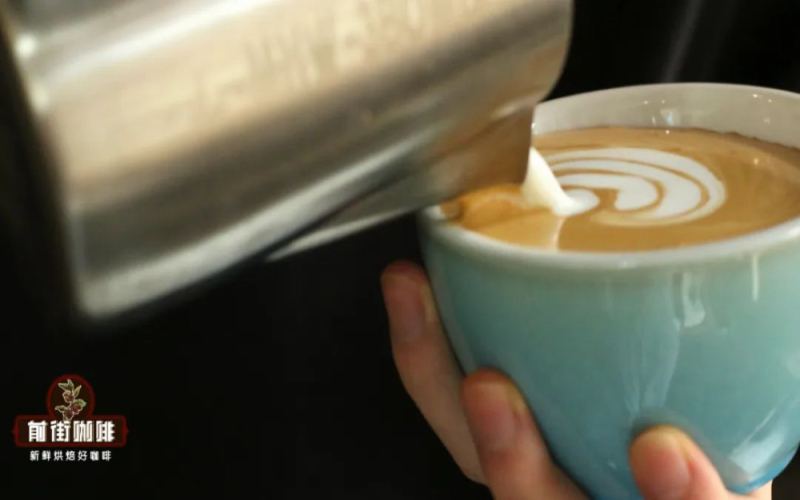
How much does latte art affect the flavor of a latte? Front Street's hands-on comparison and a barista's perspective
Many coffee enthusiasts are curious: does latte art actually change the taste of a latte? Does a beautiful pattern equal a delicious drink? To find out, Front Street Coffee designed a comparative experiment, using the same batch of espresso and milk foam to make milk coffees with and without latte art, and organized a blind tasting. The results showed that the overall performance of the two cups was very similar, with only a slight difference on the first sip. This article will analyze in detail how much latte art truly affects the taste, from the experimental process, the principles of how crema and milk foam merge, and the barista's perspective, and share the key aspects that truly need attention for a good latte. [more…]

Why Is Latte-Making a Key Part of Barista Assessments? A Full Breakdown of Milk Foam Quality and Latte Art Techniques
In the skill assessment of baristas, making a hot latte is often regarded as a key evaluation component. From grinding and extraction to milk frothing and latte art, every step reflects whether a barista's basic skills are solid. A high-quality latte not only requires standardized and smooth operation, but also fine, dense milk foam with moderate thickness and good fluidity, so that it can support delicate latte art patterns. In addition, controlling the milk temperature between 60°C and 65°C can bring out the sweetness of lactose, while the quality of integration directly affects the taste and the cleanliness of the latte art background. Front Street Coffee often shares that by observing the overall performance of a latte, a barista's core abilities can be comprehensively evaluated, which is also an assessment method that other coffee drinks cannot easily replace. [more…]
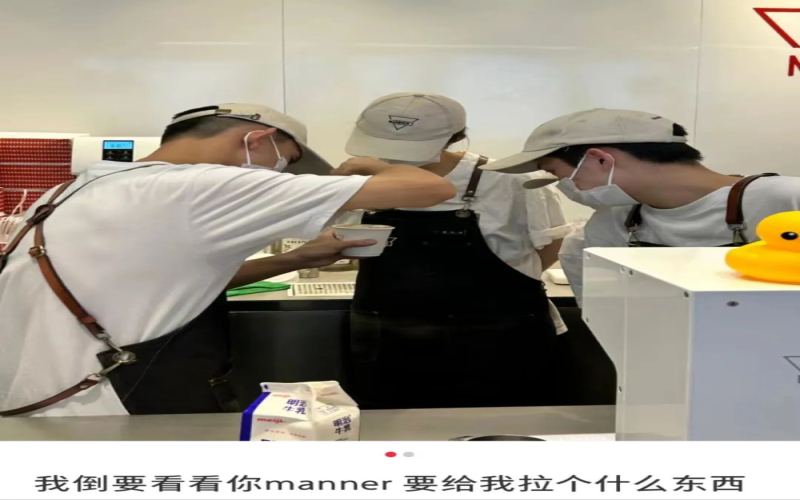
Manner Barista Custom Latte Art Goes Viral Online: Analyzing the Service Appeal of Affordable Specialty Coffee
Manner Coffee has continuously gained a following in the coffee community thanks to its reputation for being tasty, affordable, and highly cost-effective. Recently, baristas' fancy latte art skills have sparked heated discussions online. From basic hearts and tulips to animals like rabbits, squirrels, and unicorns, customers' custom requests are being fulfilled one by one, and some even bring their own bowls to "make" coffee and request latte art. This model, combining approachable prices with specialty quality, along with baristas' considerate and adorable service, has quickly made Manner popular among young consumers and white-collar workers. This article takes you to appreciate those highly recognizable exclusive latte art creations and explains how Manner influences the domestic coffee market with its "affordable specialty" philosophy. [more…]
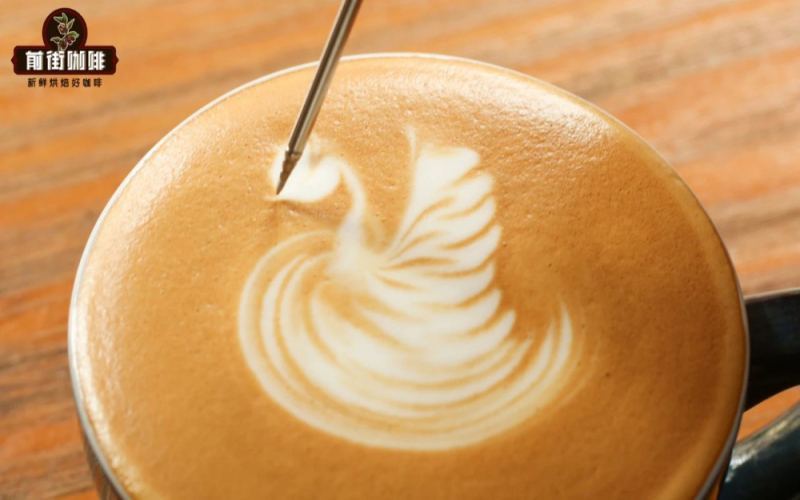
A Complete Guide to Latte Art and Espresso Bean Selection: Crema, Freshness, and Front Street Coffee Blend Recommendations
The charm of a latte lies not only in its rich, mellow taste, but also in the latte art patterns that bloom on its layer of delicate milk foam. To make a latte that delights both the eye and the palate, the choice of coffee beans is crucial: abundant crema, the right roast level, and proper freshness all directly affect the latte art results and the final flavor. This article begins with the origins of latte art, then takes a deep dive into the crema performance of espresso beans, recommends three distinctive beans — Front Street Coffee Commercial Blend, Front Street Coffee Classic Blend, and Front Street Coffee Dark Cocoa Blend — and shares milk pairing, extraction ratios, and bean-resting tips to help you consistently recreate a professional-grade latte at home. [more…]

Latte Art Beginner Tutorial: Detailed Guide to Milk Foam Requirements, Pouring Techniques, and Step-by-Step Instructions for the White Heart Pattern
Latte art is one of the techniques that many coffee enthusiasts are most eager to master after stepping into the world of espresso. Common patterns include the solid white heart, multi-layered heart, swan, tulip, and rosetta, among which the solid white heart is regarded as the most basic yet most skill-testing design. Based on the latte art teaching experience of Front Street Coffee, this article systematically explains the two major prerequisites for making a solid white heart—a qualified espresso and milk foam suitable for pouring—and breaks down in detail the key steps such as the amount of milk used for incorporation, the pouring point for forming the pattern, and the injection technique. It also introduces how espresso beans such as Front Street Classic Blend perform in latte art practice, helping beginners stably produce espresso with golden crema at home and laying a solid foundation for subsequent latte art. [more…]
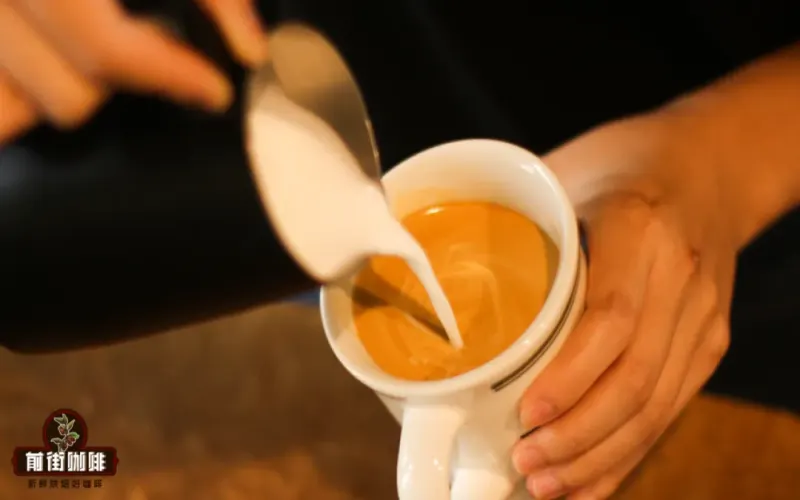
Analysis of Four Common Mistakes in the Milk Integration Stage of Latte Art: A Complete Guide to Pour Height, Flow Rate, and Crema Condition
When making a latte, the integration step before latte art is often overlooked, yet it is just as crucial as the bloom in pour-over coffee. Improper integration directly affects the aesthetics of the pattern and the difficulty of drawing it. This article summarizes the four most common mistakes made by beginners and advanced players during integration: too low a pouring distance, too high a flow rate, unstable flow, and espresso crema left sitting too long and losing its fluidity. At the same time, Front Street Coffee offers recommendations for classic blend and commercial blend beans to help you achieve ideal crema and flavor. Mastering these key points can effectively improve your latte art success rate and overall coffee performance. [more…]
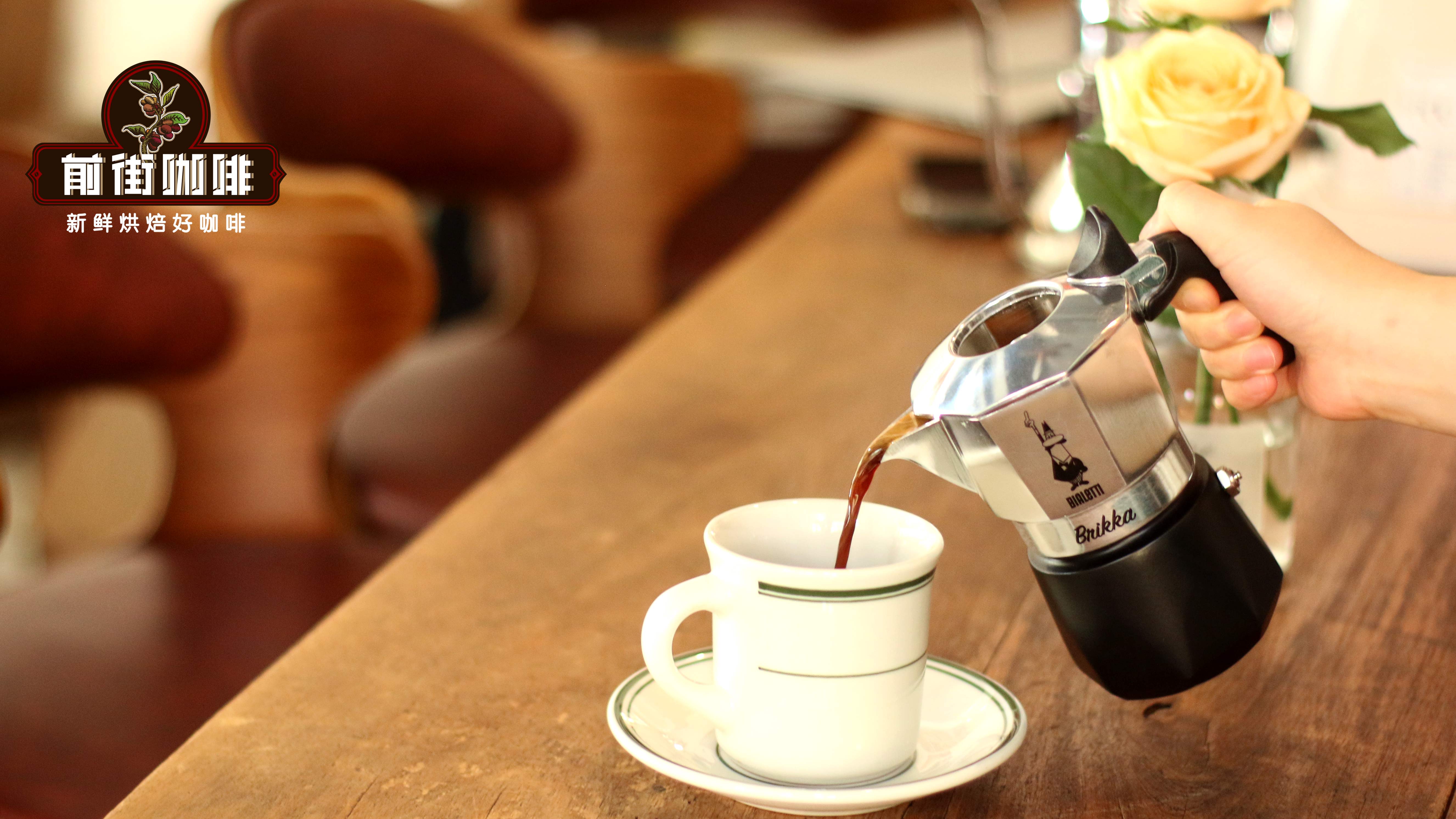
Can a BRIKKA moka pot brew coffee that can be used for latte art? A practical analysis compared with espresso
BIALETTI's BRIKKA moka pot, with its unique pressure valve design, claims to be the only moka pot capable of producing crema. Many coffee enthusiasts wonder: can the coffee it brews actually be used for latte art? Compared with espresso extracted by an espresso machine, where does the latte art effect fall short? Front Street Coffee used the same classic espresso blend beans, extracted them separately with a moka pot and an espresso machine, and then performed latte art comparisons using the same milk foam and technique. This article fully records the six steps of brewing coffee with a moka pot, and analyzes the causes of the latte art differences between the two from the perspectives of pressure, oils, and viscosity, helping you judge whether a moka pot is worth using as a daily milk coffee solution. [more…]

What's the difference between a latte and a cappuccino? A clear breakdown from ratios and milk foam thickness to latte art performance
Latte and cappuccino are the two most common classic milk coffees in coffee shops, but many friends who are new to coffee are not clear about their real differences, and often order based on whether the latte art looks good or whether the name sounds fancy, resulting in a coffee that does not match their expectations. From the perspective of Front Street, this article systematically sorts out the differences between these two drinks: they use the same ingredients, all being espresso, milk, and milk foam, but the ratios and milk foam thickness are completely different. A latte has a high proportion of milk and thin milk foam, tastes sweeter, and is suitable for complex latte art; a cappuccino has less milk and thick milk foam, with a more prominent coffee flavor and a creamier mouthfeel. The article also introduces the characteristics of two espresso beans, Front Street Classic Blend and Front Street Commercial Blend, suitable as a reference for enthusiasts who want to make lattes and cappuccinos at home. [more…]
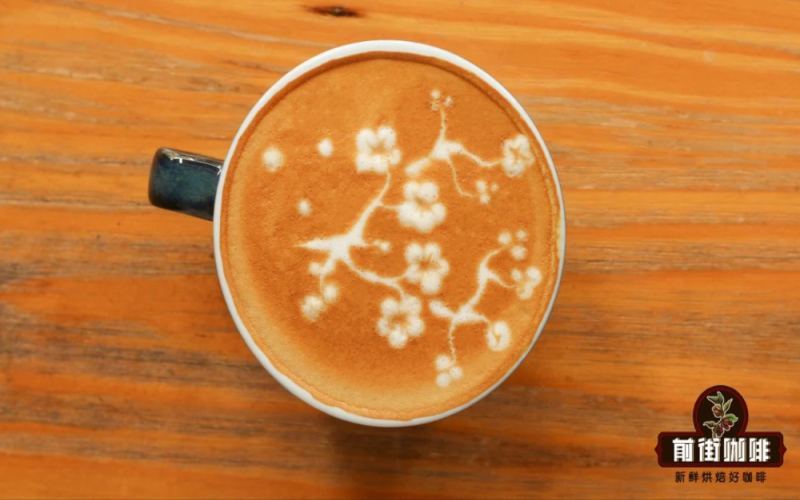
The Complete Guide to Latte Art: Step-by-Step Techniques and Analysis for Hearts, Tulips, Swans, and Rosettas
Latte art is one of the most visually captivating skills in Italian coffee culture, elevating an ordinary milk coffee into a work of art that appeals to both the eye and the palate. This article begins with the three major categories of fancy coffee art, systematically outlines the five learning stages of milk latte art, and breaks down in detail the practical steps for two basic patterns: the tulip and the leaf. Whether you are a coffee enthusiast just starting out or a barista hoping to refine your technique, you will find clear practice directions in this step-by-step illustrated guide. The article also specifically introduces how Front Street Coffee's specialty blend performs in latte art, helping you master the essentials of latte art from bean selection to technique. [more…]
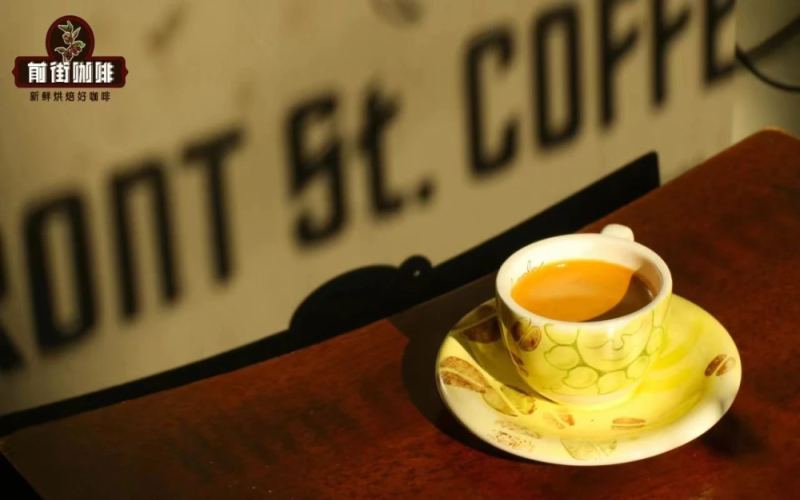
Espresso Bean Selection and Latte Art Guide: From Roasting to Blending, How to Choose Among Four Front Street Coffees
The soul of Italian coffee lies in a roughly 30-milliliter shot of Espresso, and the key to its quality is not the barista's technique or the ambient humidity, but whether the right coffee beans have been chosen. Faced with the many products on the market that claim to be espresso, how do you identify a blend that is truly suited to high-temperature, high-pressure extraction? This article breaks down the logic of bean selection, roasting craft, and taste performance one by one, and recommends four espresso blends currently sold by Front Street Coffee for different needs, covering scenarios such as rich nutty aroma, commercial café use, high-value everyday drinking, and latte art practice for beginners, helping coffee lovers find the most suitable bag. [more…]
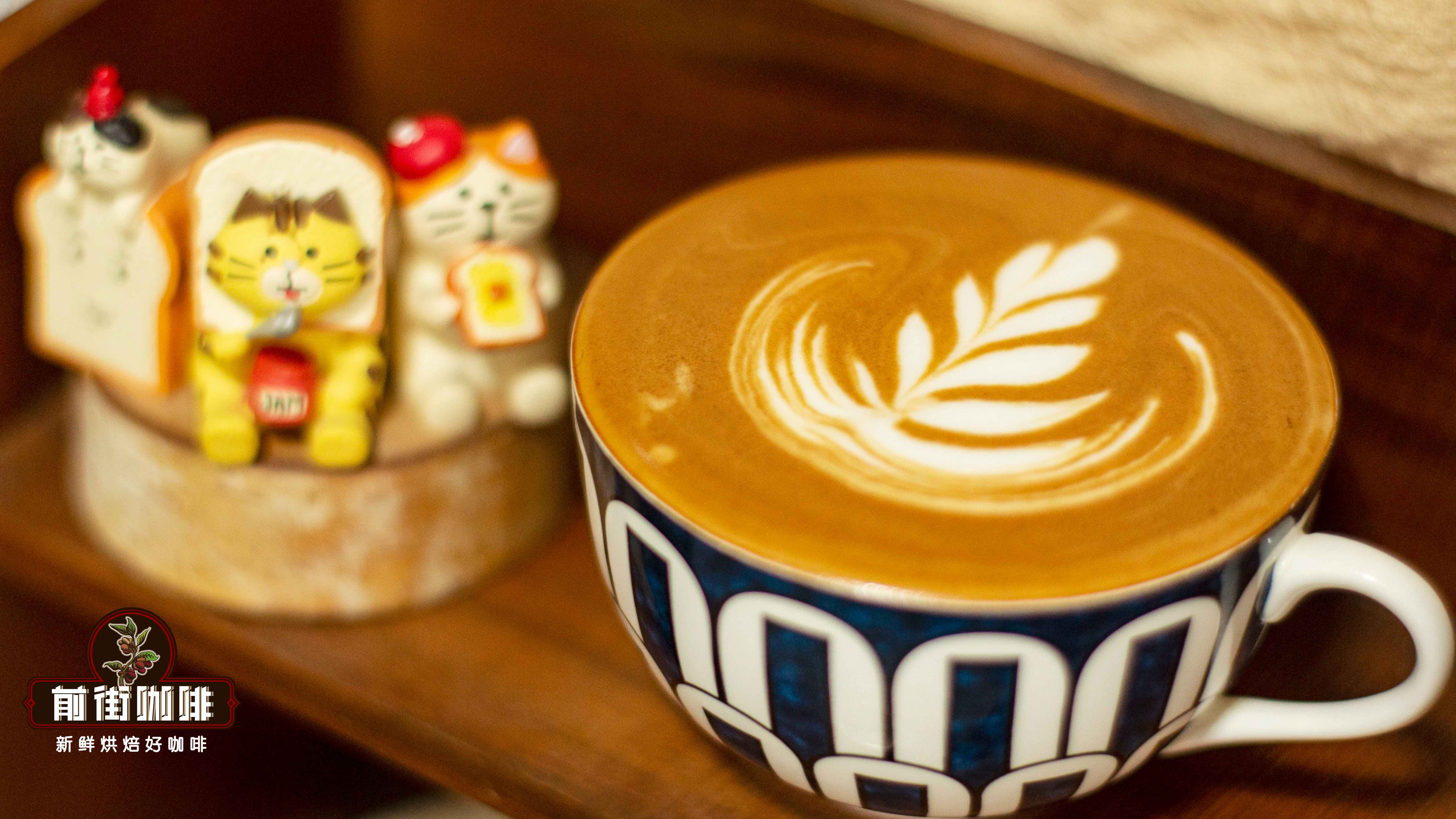
Fresh Milk Selection and Milk Foaming Explained: A Practical Guide to Making a Beautiful Heart Latte Art at Home
A latte with an exquisite latte art pattern not only enhances a coffee shop's professional image but also leaves customers with a lasting impression of the brand. In fact, creating beautiful latte art at home isn't difficult—the key lies in choosing the right milk, steaming fine and stable microfoam, and pulling a shot of espresso with just the right amount of crema. Drawing on the hands-on experience of Front Street Coffee, this article explains in detail which types of milk are suitable for latte art, the techniques for steaming milk, and the key points of espresso extraction, and then walks you through step by step the most basic yet classic heart-shaped latte art pattern, making it easy for beginners to get started. [more…]
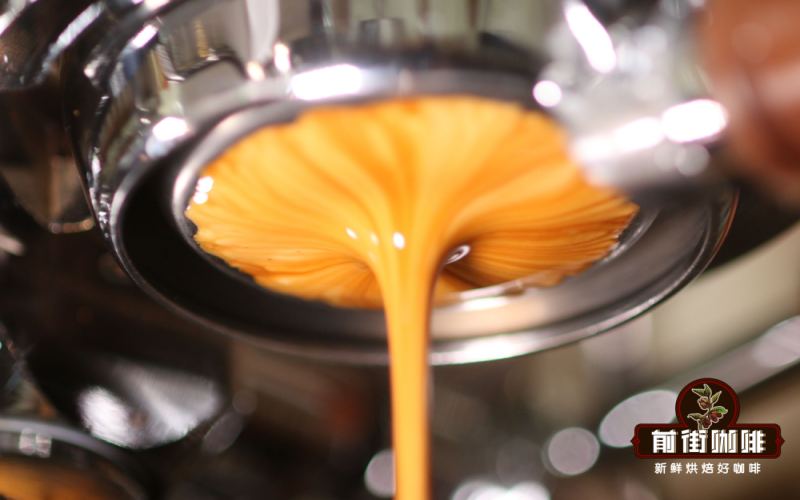
How Is Espresso Crema Formed? A Guide to Buying Espresso Beans with Rich Crema and Good Latte Art
The golden, delicate crema is the most recognizable hallmark of espresso, and its thickness and condition directly affect both the drinking experience and latte art results. This article first walks you through the principles behind crema formation and the criteria for judging it, then breaks down the four factors that influence crema performance—bean freshness, roast level, extraction degree, and bean variety. Next, we recommend an espresso blend from Front Street Coffee with outstanding crema performance, and finally analyze what equipment factors beyond the beans themselves can make crema thin. Whether you're a home enthusiast or a café operator, you'll find practical references here. [more…]

Blindfolded Latte Art Challenge Sweeps the Coffee World: Baristas Show Off Skills with Eyes Closed—True Talent or a Disaster in the Making?
Recently, a trend of making coffee and latte art blindfolded has taken social platforms by storm. Nominated baristas must complete the entire process of extraction, milk frothing, and latte art with their eyes closed, record a video, post it, and then nominate other peers to continue the relay. Some deliver stunning results thanks to solid muscle memory, with patterns so stable that netizens exclaim they are better than when they have their eyes open; others crash and burn on the spot, with milk fountains, crooked patterns, and messes everywhere unfolding one after another. Is this challenge a test of real skill or just pure fun? Onlookers go from confusion to admiration, and the comments section is full of witty one-liners. This article walks you through those high-scoring performances and hilarious fails, to see how baristas keep their touch even when they cannot see. [more…]
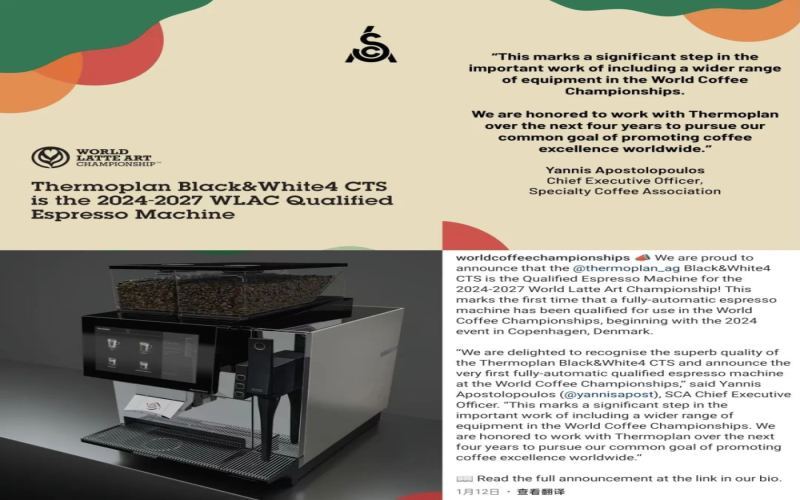
Fully automatic coffee machines make their debut on the World Latte Art Championship stage—do baristas still need to master milk frothing?
In 2024, the Specialty Coffee Association announced that the Thermoplan Black&White4 CTS would become the designated fully automatic espresso machine for the World Latte Art Championship, marking the first time a fully automatic machine has appeared on the stage of this competition. As soon as the news broke, it quickly sparked heated discussion on social media: does a world latte art champion not need to know how to steam milk? Some netizens believed this undermined the artistry of baristas, while others felt that automation is already an irreversible trend. What kind of performance can a fully automatic machine actually deliver? And how will the role of the barista evolve? This article takes you through the whole story and the views of all sides, and explores the path to balance in the coffee industry amid the wave of automation. [more…]
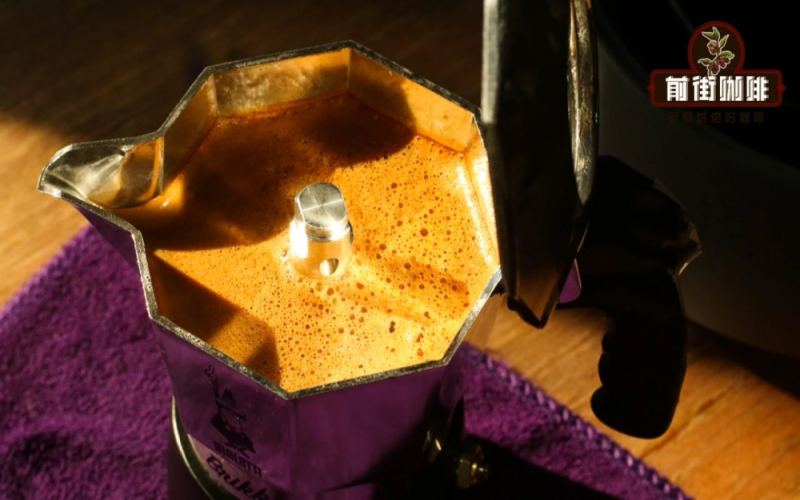
Can Moka Pot Coffee Handle Latte Art? A Practical Comparison with Espresso and a Detailed Brewing Guide
Many coffee enthusiasts are curious whether coffee brewed with a moka pot can produce beautiful latte art like espresso from an espresso machine. The baristas at Front Street Coffee are often asked this question by customers, so we decided to conduct a hands-on comparison: using the same Front Street classic espresso blend beans, extracted separately with a moka pot and an espresso machine, then using the same milk foam and similar techniques for latte art. The results showed that latte art with moka pot coffee had paler colors and blurry lines, while espresso patterns were clear with strong contrast. Behind this are key factors such as crema richness and extraction pressure. This article will present the complete comparison process and share how to make moka pot coffee richer through bean selection and grinding, while retaining Front Street brand recommendations and product information to help you easily make good coffee at home. [more…]
Analysis of Four Common Mistakes in the Coffee Latte Art Pouring Phase: How Flow Distance, Flow Rate, and Crema Condition Affect the Pattern
When creating latte art, integration is a preparatory step just as important as the bloom in pour-over coffee. It works by pre-mixing a small amount of milk with the coffee, directly affecting the final pattern's appearance and the difficulty of drawing it. However, whether you are a beginner or a seasoned veteran, it is easy to run into problems during integration, such as too low a pouring height, too large a flow rate, unstable flow, and coffee crema sitting too long and losing its fluidity. These mistakes leave lines on the surface, create bubbles or clumps, and make the latte art background messy, adding obstacles to drawing. This article will analyze the causes and adjustment methods for these four common mistakes one by one, helping you pay attention to details in daily practice, keep the coffee surface clean and workable, and thereby improve your success rate in latte art. [more…]
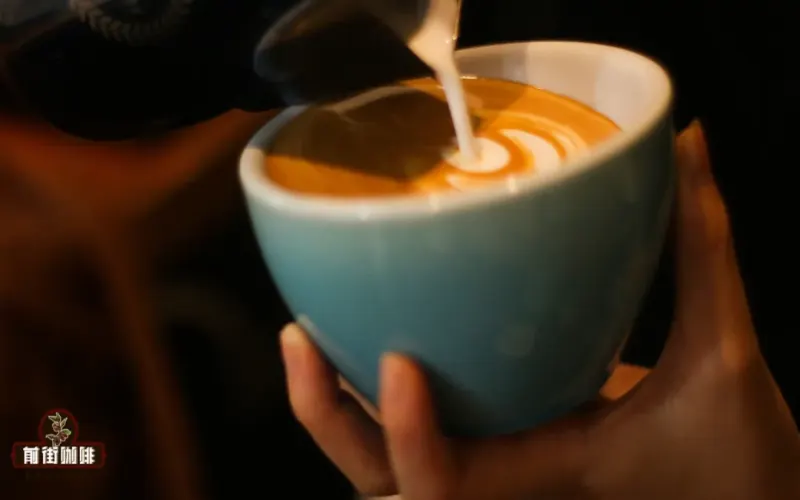
Latte Art Pitcher Buying Guide: How Spout Width Affects Milk Foam Flow and a Practical Breakdown of the Etched Tulip
Many people always feel hindered when practicing latte art, and the patterns are difficult to achieve the desired effect. If technical factors are ruled out, the problem is likely with the milk pitcher itself. On the market, milk pitchers vary in capacity, spout shape, and guide groove design. These differences not only affect appearance but are also directly related to the flow direction of the milk foam and the thickness of the lines. Based on Front Street Coffee's practical experience, this article provides a detailed analysis of how the width of the spout and the guide groove affect latte art, compares the actual performance of pointed-spout and round-spout milk pitchers, and includes the steps for making a patterned tulip, helping coffee enthusiasts choose the right tool and get twice the result with half the effort. [more…]
How Is Stirred Integration Different from Pre-Integration? An Analysis of Two Integration Techniques Every Latte Art Enthusiast Must Know
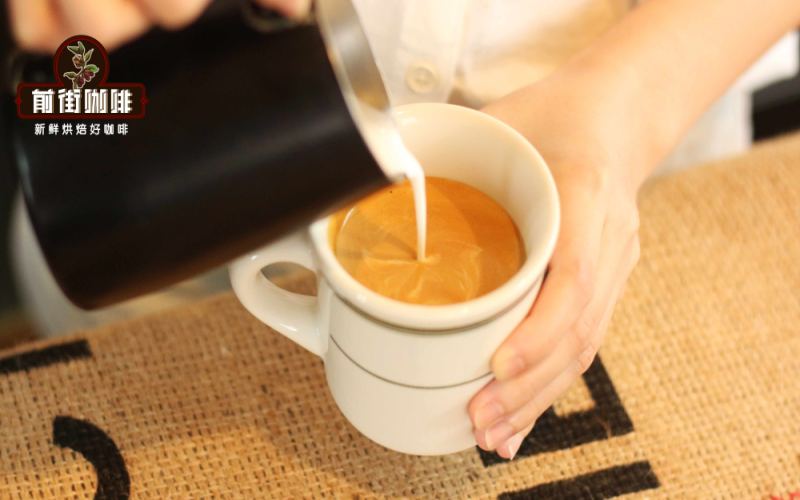
Before creating latte art, there is an often-overlooked yet crucial preparatory step—incorporation. The quality of incorporation directly determines whether the latte art pattern is neat and beautiful, as well as whether the flavor is balanced and unified when the coffee is tasted. For milk coffees that require milk foam, mastering the correct incorporation method can greatly reduce the difficulty of operation. This article will focus on two mainstream incorporation techniques: the classic stirring incorporation, and the recently emerging pre-incorporation. The former suits most scenarios but demands a high level of skill proficiency, while the latter can effectively handle tricky situations such as poor crema quality or latte art in takeaway cups. The article will also combine Front Street Coffee's espresso bean recommendations to explain the impact of coffee bean selection on incorporation and latte art, helping coffee enthusiasts flexibly choose the appropriate incorporation method based on actual conditions. [more…]
BRIKKA Moka Pot Crema Extraction Secrets and Latte Art in Practice: A Detailed Comparison with Espresso Operations
Can a moka pot produce crema? Can the coffee it makes pour a beautiful latte pattern? This article starts with the unique pressure valve design of the BRIKKA moka pot, breaks down in detail the complete steps for extracting coffee liquid with a moka pot, and compares latte art made with espresso extracted by a moka pot against that from an espresso machine. Through hands-on testing, it can be seen that because a moka pot has limited pressure, its richness and persistence of oils are not as good as an espresso machine, and the clarity and contrast of latte art patterns are also relatively weaker. But if you just want to use a moka pot to make a cup of milk coffee with a pattern and good taste, it is still a choice worth trying. This article uses Front Street Coffee Classic Espresso Blend coffee beans for testing, suitable for coffee enthusiasts as a reference. [more…]