







Does Moka Pot Coffee Work for Latte Art?
Moka pot coffee can carry milk foam, but the pattern comes out pale with blurry lines and weak contrast. A side-by-side test using the same espresso blend, the same milk foam and similar pouring technique showed espresso producing clearly sharper shapes. The gap comes down to crema richness and the extraction pressure behind each method.
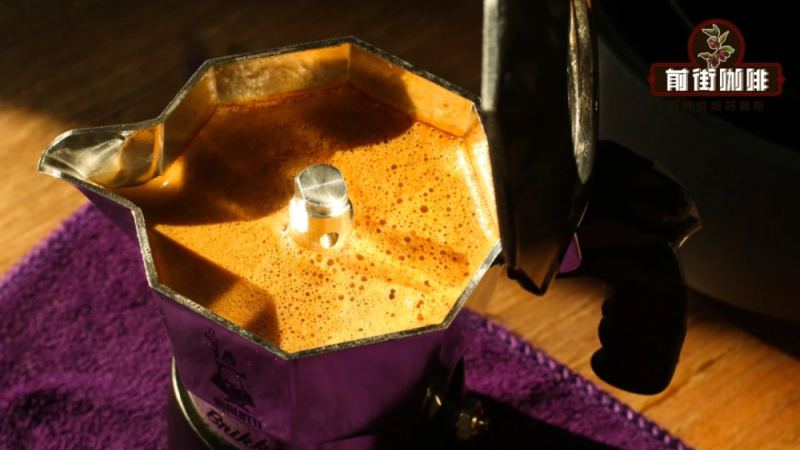
The moka pot brews at low pressure, so the liquid carries little crema to sit under the foam. Adjusting moka pot coffee grind and the grind setting moka pot users pick can make the cup richer and darker. Pair it with beans roasted for espresso, keep the grind fine but not powdery, and pull the pot off the heat as soon as it starts to sputter.
Many coffee enthusiasts wonder whether coffee brewed with a moka pot can produce beautiful latte art like espresso from an espresso machine. Front Street Coffee baristas are often asked this question by customers, so we decided to do a hands-on comparison: using the same Front Street classic espresso blend beans, extracted separately with a moka pot and an espresso machine, then using the same milk foam and similar techniques for latte art. The result was that moka pot coffee latte art had paler colors and blurry lines, while espresso patterns were clear with strong contrast. Behind this are key factors such as crema richness and extraction pressure. This article will present the complete comparison process and share how to make moka pot coffee richer through bean selection and grinding, while retaining Front Street brand recommendations and product information to help you easily make good coffee at home.
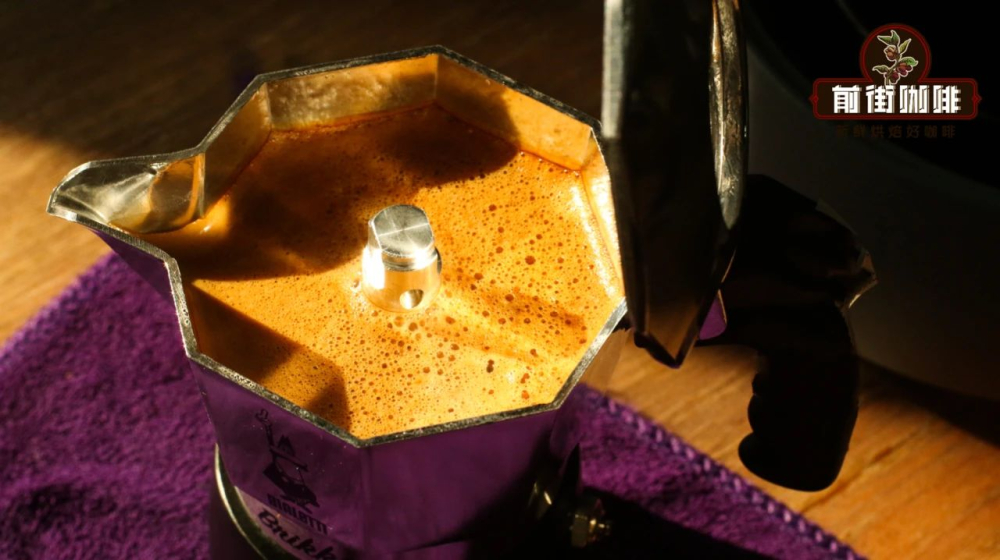
Front Street Coffee baristas often hear customers joke that the moka pot is a budget alternative to espresso machines. After all, entry-level espresso machines cost thousands of yuan, while a moka pot can be purchased for just a few hundred yuan—quite tempting indeed. Many friends are eager to try and want to know whether coffee brewed with a moka pot can be used for latte art, and how it differs from espresso extracted by an espresso machine in terms of latte art performance. Today Front Street Coffee will give it a try: using moka pot coffee and espresso separately for latte art, making a comparison, and answering various questions about moka pot latte art.
We chose Front Street. Front Street Classic Espresso Blend beans for separate extraction. Both cups of latte art used the same amount of milk foam, and the latte art techniques were kept as consistent as possible.
Step 1: Brew a serving of coffee with a moka pot; extract a serving of espresso with an espresso machine
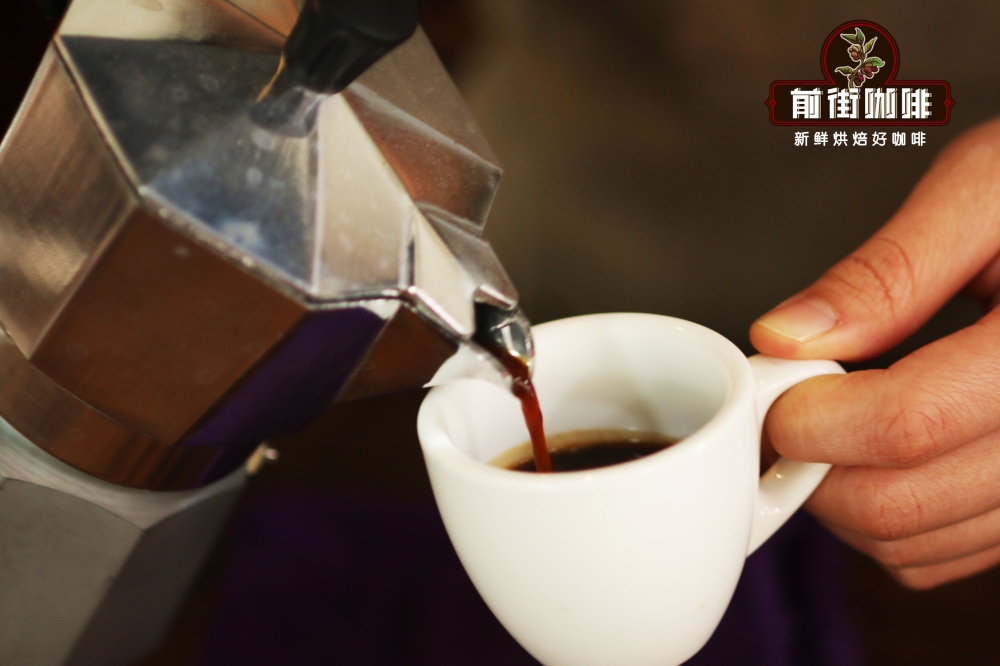
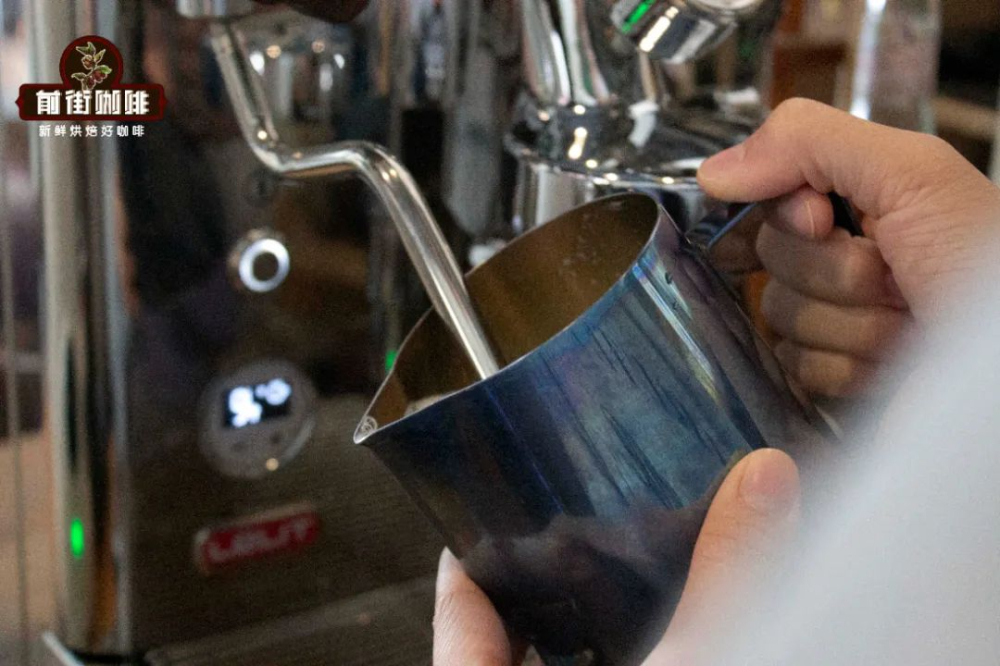
Step 2: Use the espresso machine's steam wand to froth two servings of milk foam
Step 3: Pour latte art and serve
Comparing the two latte art patterns, you can see that the moka pot coffee latte art is noticeably paler in color, the edges of the pattern stripes are not clear enough, and the contrast is weak; while the espresso pattern is much clearer, with stronger color contrast.
The reason is that the coffee liquid brewed by the moka pot is not rich in crema (after pouring the coffee liquid out of the moka pot, the crema dissipates within about ten seconds); while the espresso liquid still retains a thick layer of crema on its surface. During latte art, thick crema increases the viscosity of the coffee liquid. The higher the viscosity, the greater the fluidity, so latte art becomes easier, and the resulting pattern lines are clearer.
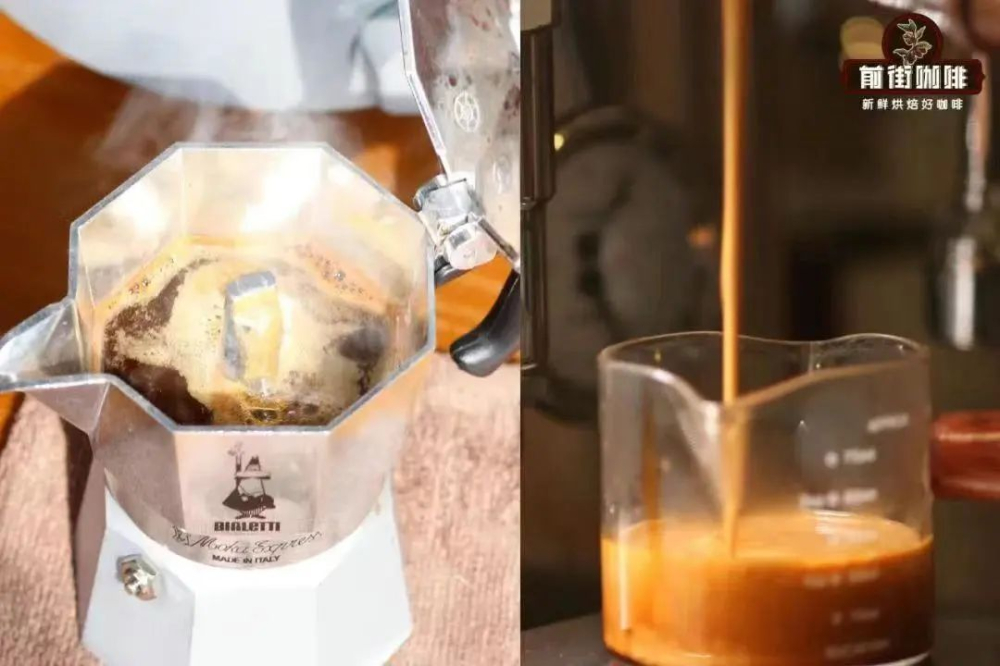
When an espresso machine extracts espresso, it uses hot water at about 90°C, forcing it through the tamped coffee puck at about 9–12 bars of pressure; while a moka pot can only provide about 1–2 bars of pressure. When using the same coffee beans, the extraction method with higher pressure yields more aromatic and intense coffee, with richer and finer crema. When crema is rich, the coffee surface is more stable, making latte art naturally easier and the patterns clearer and more attractive.
From this comparison experiment, although moka pot coffee is not as outstanding as espresso in latte art performance and flavor expression, we should understand that the original purpose of the moka pot was to let people conveniently and quickly make a cup of strong coffee, not to compete with dedicated espresso machines. If you want to make moka pot coffee richer, it's actually not difficult—just choose coffee beans with the right roast level and get the grind size right, and you can achieve good results.
Dark roast or medium-dark roast is usually used for making strong coffee, because they provide abundant aromatic compounds and a full-bodied mouthfeel, can withstand the pressurized extraction process, and more easily release coffee crema.
Because the moka pot uses pressure-based extraction, with high temperature and fast extraction speed, if you want the coffee to have moderate crema and aromatic flavor, you should prioritize fresh medium-dark roasted coffee beans. You can purchase Front Street Classic Espresso Blend Coffee Beans (traditional Mamba recipe, fine and full crema, suitable for home use and commercial use in coffee shops), Front Street Commercial Blend Coffee Beans (same ingredients as coffee shops, rich crema), Front Street Specialty Blend Coffee Beans (prominent caramel aroma, noticeable sweet aftertaste).
To help everyone achieve coffee freedom, Front Street promises that every bag of coffee beans is roasted within 5 days, so all customers receive them in the freshest condition and can easily make delicious moka pot coffee.
To extract a rich black coffee, the grind size should be finer than regular pour-over but coarser than espresso. If the grind is too coarse, it will lead to insufficient extraction and splashing; if too fine, it will cause over-extraction, making the coffee bitter and hard to drink. Front Street stores use the EK-43s grinder with a setting of 0.5.
The above content is compiled by CoffeeHunters, a coffee news website.


