







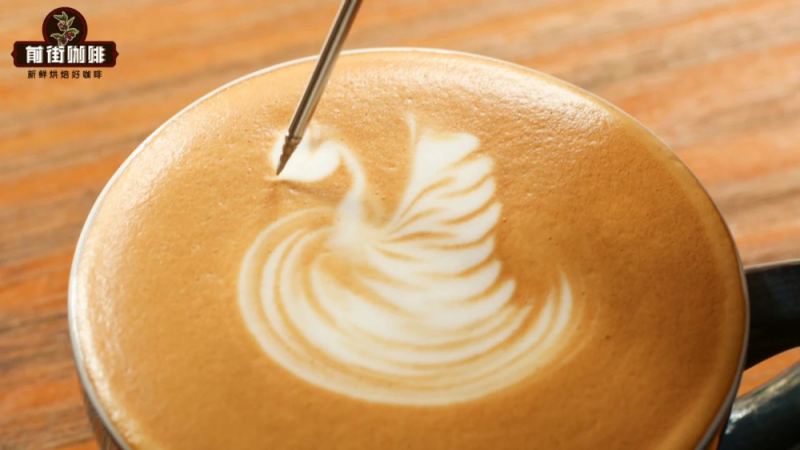
The charm of a latte lies not only in its rich, mellow taste but also in the intricate latte art that blooms atop that layer of delicate milk foam. To craft a latte that excels in color, aroma, and flavor, the choice of coffee beans is crucial: abundant crema, the right roast level, and proper freshness all directly influence the latte art effect and the final flavor. This article will start with the origins of latte art, delve into the crema performance of espresso beans, recommend three distinct blends—Front Street Commercial Blend, Front Street Classic Blend, and Front Street Dark Cocoa Blend—and share tips on milk pairing, extraction ratios, and bean resting, helping you consistently recreate a professional-grade latte at home.
For more specialty coffee knowledge, please follow our WeChat official account: Front Street Coffee (FrontStreet Coffee)
Many people's coffee journey begins with a latte adorned with beautiful latte art. The joy of recreating that exquisite pattern with your own hands is beyond words. So, who was the first person to create latte art on the surface of coffee?
Latte art, also known as "latte art"
Latte is the transliteration of the Italian "Caffè Latte," where "Latte" means milk. Pouring steamed milk into espresso while drawing artistic patterns is called latte art.
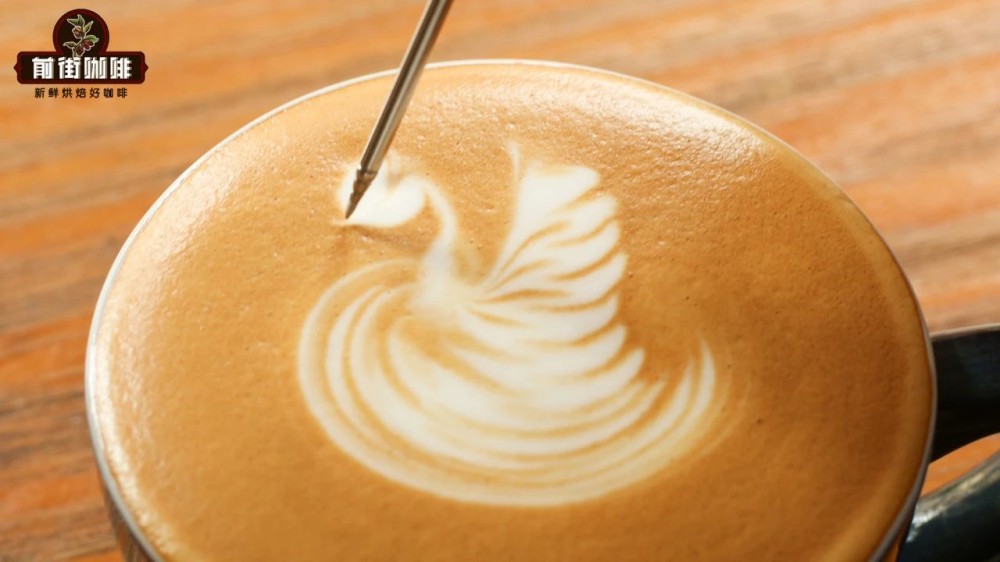
Early latte art patterns were mostly simple hearts and leaves. With the advancement of the specialty coffee wave, baristas worldwide have increasingly valued this skill, beginning to conceive more delicate visual presentations. This also gave rise to etching techniques, using milk foam and auxiliary ingredients to create more creative patterns.
Initially, baristas focused mainly on the pattern itself, but as the industry evolved and consumer expectations rose, latte art no longer pursued only visual beauty. Continuous improvements in the texture of the milk foam and the method of integrating it with espresso have enhanced the flavor layers of the entire cup, achieving excellence in color, aroma, and taste.
The frequent appearance of lattes, flat whites, and other milk coffees on social media is largely thanks to the enhancement of latte art. Who wouldn't want their ordered coffee to have both a rich taste and an aesthetically pleasing, high-appeal latte art design?
Recommendations for coffee beans rich in crema
To make a delicious latte, besides equipment, you need to choose the right ingredients, control the ratios, and attend to a key element—abundant crema.
To obtain a dense and fluid crema, Front Street believes a pressurized espresso machine is essential, followed by high-quality coffee beans.
For those who prefer crema and a rich mouthfeel, we have prepared three different espresso coffees: Front Street Commercial Blend, Front Street Classic Blend, and the espresso bean recommended by many baristas—Front Street Dark Cocoa Blend.
We recommend Front Street Commercial Blend because it yields a golden crema during extraction, with a rich, toasted aroma and maple-like sweetness on the palate, along with nutty, cocoa, and dark chocolate roasted notes. It is full-bodied and balanced, slightly bittersweet, with a long finish. It performs excellently whether as an Americano or a milk coffee, and with its price advantage, it's ideal for daily café output. It makes a rich, silky latte.
Front Street Classic Blend possesses all the virtues of a traditional specialty espresso: abundant crema, rich and full-bodied, versatile flavor, and a lasting finish. During extraction, you can sense the aromas of roasted hazelnut, butter, dark chocolate, and caramel. As a milk coffee, it presents a nutty chocolate milk profile, sweet and smooth, making you want to take extra sips.
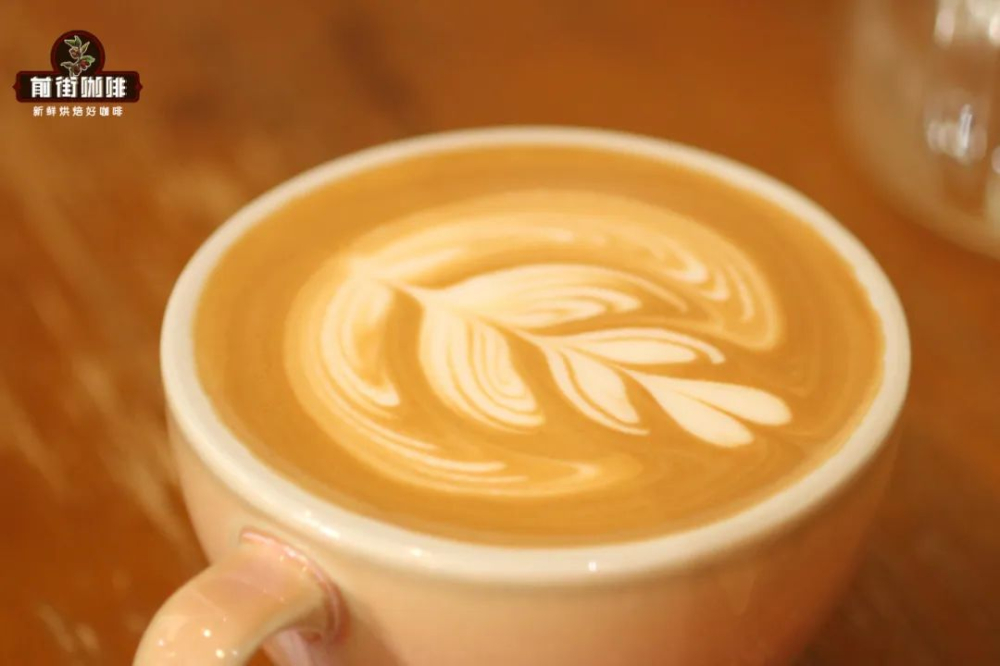
As a high-value daily bean, the espresso bean recommended by many baristas—Front Street Dark Cocoa Blend—is composed of Yunnan small-bean and Brazilian Red Bourbon, medium-dark roasted. During extraction, the crema is moderate, with prominent nutty and chocolate aromas and a hint of citrus acidity. As a milk coffee, it is full of flavor and well-balanced, very suitable for daily stocking.
The choice of milk is equally crucial. Even for whole fresh milk alone, there are over a dozen common options on the market. Some are rich and thick, while others are as light as water. The criterion for choosing milk is not simply to pursue thickness or a strong milky taste, but to see whether it matches the coffee. Too strong a milky flavor will suppress the coffee's own flavors, while milk with a watery quality will make the latte bland.
To allow coffee and milk to blend perfectly and balance each other, Front Street's iced latte uses Sunflower Sunshine Blend and Vitasoy fresh milk, with a ratio of 35g espresso, 250ml fresh milk, and 75g ice cubes. This ratio is for reference only, not a golden rule for lattes. Front Street arrived at these parameters after multiple adjustments using the above ingredients, based on real tasting feedback.
To create perfect latte art, you first need to extract an Espresso with abundant but moderate crema, so that the foam layer and milk combine better, and the latte art pattern is more stable. According to Front Street Coffee's experience, choosing medium-dark roasted espresso beans is very beneficial for this.
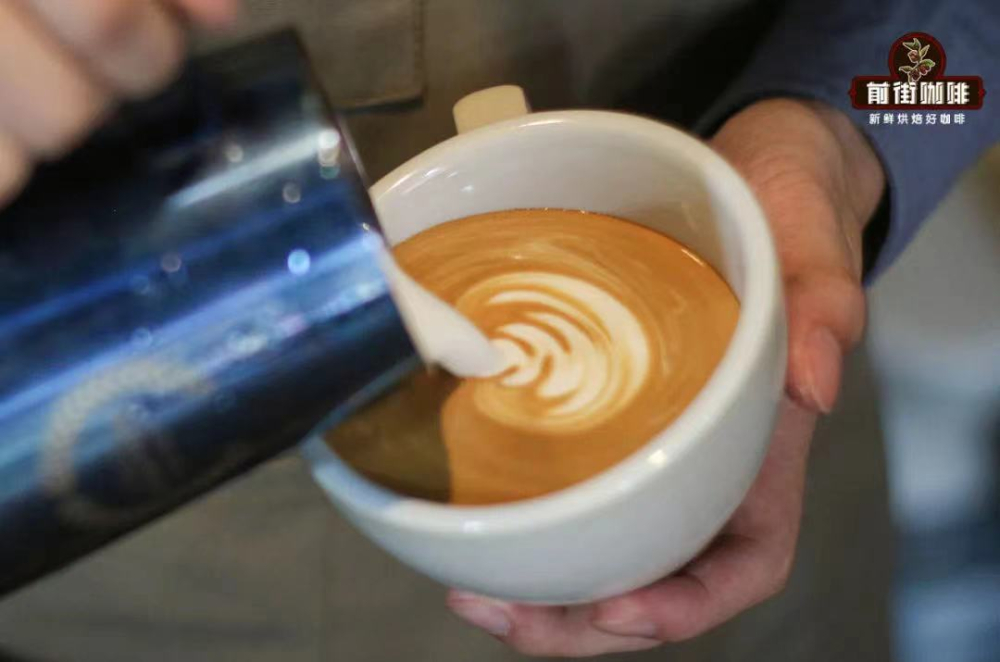
Besides choosing the right coffee, pay attention to the freshness of the beans. Espresso beans that are too fresh contain a large amount of carbon dioxide, resulting in a thicker crema that is actually not conducive to latte art, requiring 5–7 days of resting. Conversely, stale espresso beans lack sufficient carbon dioxide to produce enough crema, making it thin and difficult to blend with milk foam.
Front Street recommends using coffee beans roasted within 7–45 days for making espresso. Because we deeply understand the importance of freshness to coffee flavor, Front Street has insisted for years on shipping beans roasted within 5 days, ensuring that you can enjoy the full flavor window of the coffee upon receipt.
Espresso is always the base for making a latte, and when making a hot latte, it often comes with exquisite latte art. Fine and abundant crema makes latte art easier; espresso with crema blends better with milk foam and maintains a stable state, greatly affecting the fineness and definition of the latte art. Without crema, although latte art is still possible, the final pattern will appear stiff and rough.
Additionally, crema is produced by oils in the coffee wrapping carbon dioxide, so the amount of crema can also indicate whether the coffee beans are fresh—the more crema, the fresher the beans. Because we understand that freshly roasted coffee beans are the primary condition for latte art, Front Street coffee beans are all freshly roasted within 5 days and support 24-hour shipping. When you receive the coffee from the logistics provider, it is still in a fresh state. This is our hope that every customer can drink the most complete and flavorful good coffee.
The above content is compiled by CoffeeHunters, a coffee news website.


