







How Do Oils in Coffee Create Espresso Crema?
Crema is the golden foam on an espresso shot, and it exists because oils in coffee trap carbon dioxide during high-pressure extraction. A standard shot should show a crema layer about one-third of the total liquid, golden in color and fine on the surface with no large bubbles. Thickness and texture affect both the drinking experience and how well latte art holds.
Four factors shape crema performance: bean freshness, roast level, extraction degree and bean variety. Fresher beans hold more gas and produce more crema, darker roasts release more oil, and darker crema color usually means more soluble material has been extracted. Beyond the beans, equipment and grind also matter, since a thin crema often points to a problem outside the coffee itself.
Golden, delicate crema is the most recognizable hallmark of espresso, and its thickness and condition directly affect both the drinking experience and latte art results. This article first walks you through the formation principles and evaluation criteria of crema, sorts out the four factors that influence crema performance—bean freshness, roast level, extraction degree, and bean variety—then recommends an espresso blend produced by Front Street Coffee with outstanding crema performance, and finally analyzes what equipment factors beyond the beans themselves can make crema thin. Whether you are a home enthusiast or a café operator, you will find practical references here.
When it comes to espresso drinking preferences, people roughly fall into two camps: those who value flavor expression and those who love a thick mouthfeel. For drinkers who pursue flavor, there are now plenty of SOE single-origin beans to choose from; but for those who prefer a rich, full-bodied mouthfeel, which beans are worth trying?
The soulful hallmark of espresso: golden, delicate crema
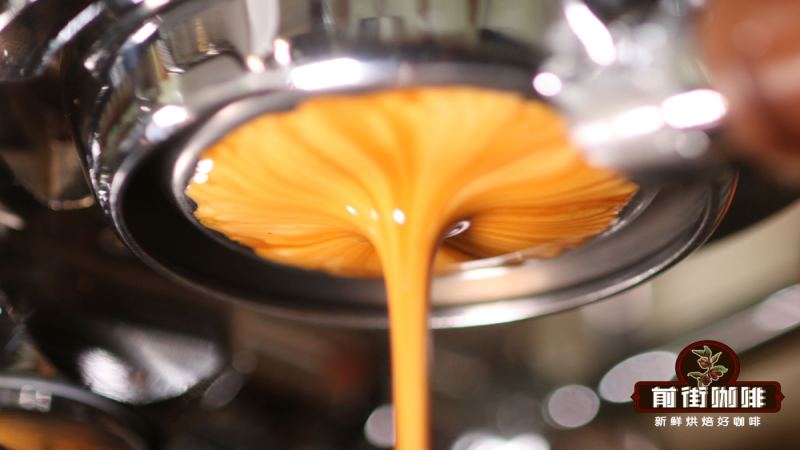
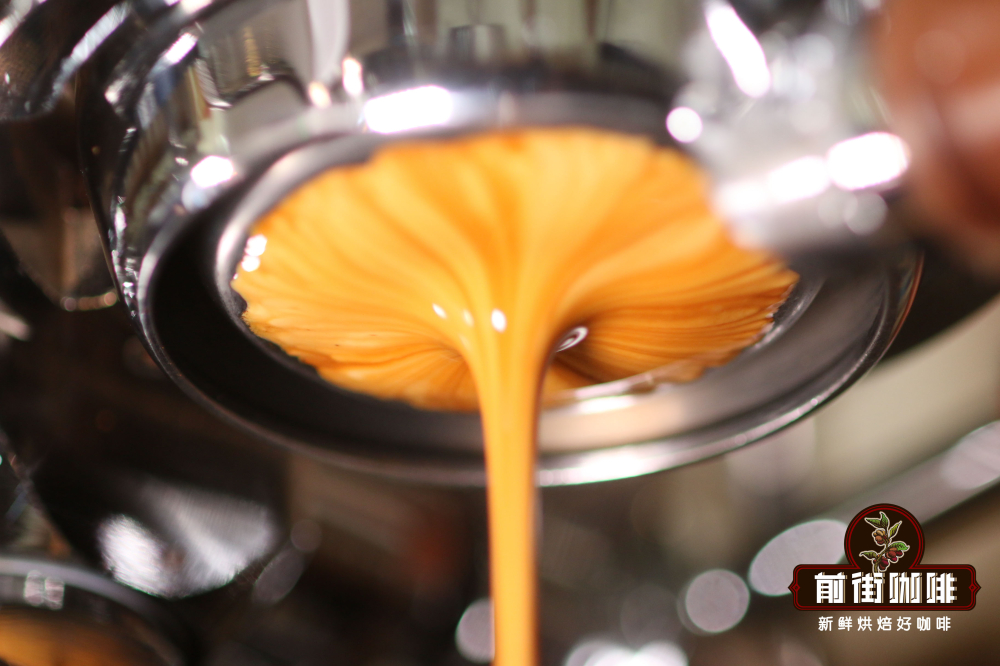
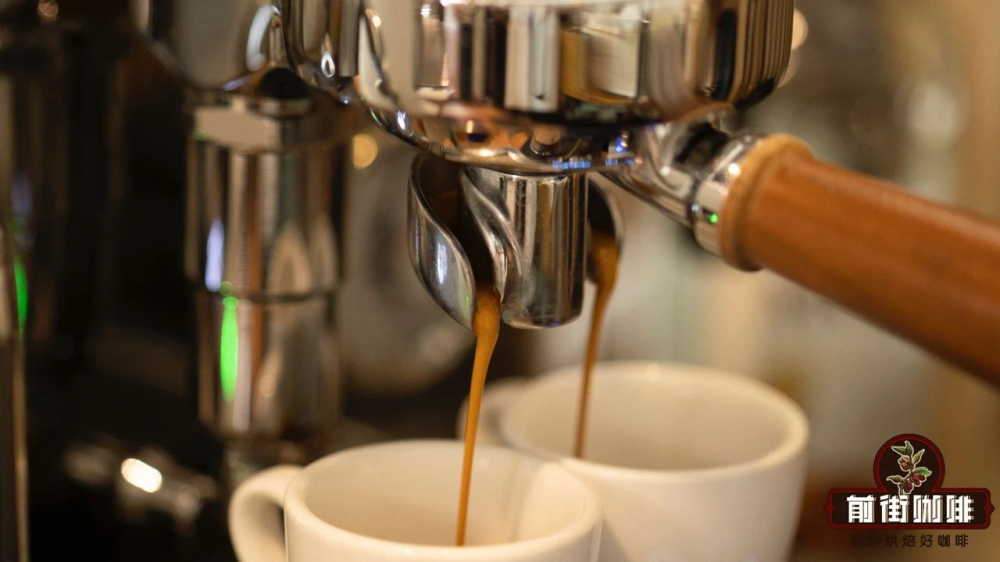
The most captivating part of espresso is none other than the fine golden foam on its surface—what Italians call crema. Its birth comes from the high-pressure extraction environment: the immense pressure generated by an espresso machine forces the oils in the coffee, together with carbon dioxide, into the cup; and these gases trapped by the oils cannot dissipate in a short time, forming a temporarily stable foam structure.
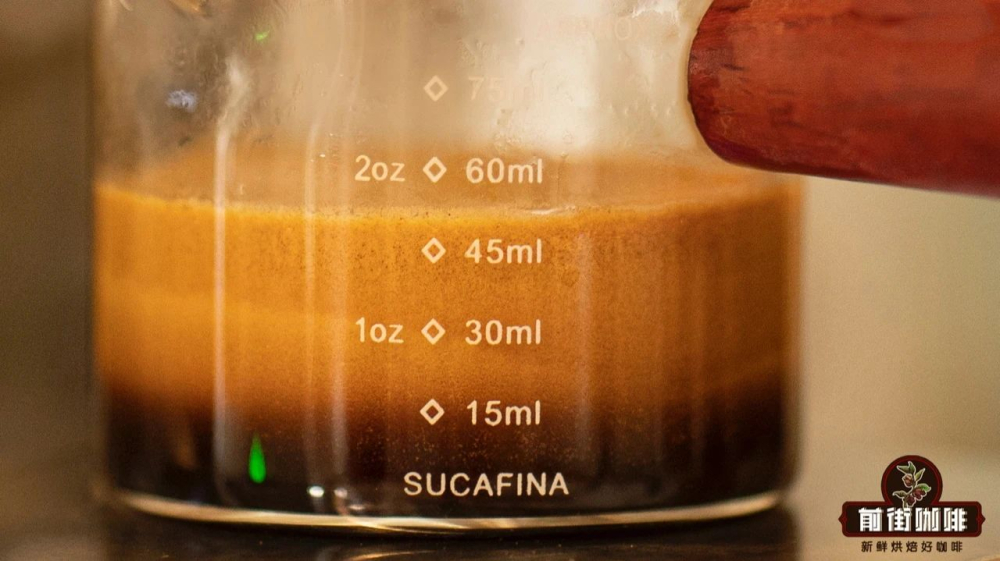
The state of the crema is also an intuitive basis for judging espresso quality. A cup of espresso that meets the standard should have a crema layer accounting for one-third of the total liquid, golden in color, smooth and fine on the surface, with no obvious large bubbles.
What factors affect coffee crema performance?
① Whether the coffee beans are fresh Since crema is essentially the oils in coffee wrapping around carbon dioxide, the amount of crema can conversely indicate the freshness of the beans—the richer the crema, the fresher the beans.
② Roast level Given the same freshness, if a bean releases more oil, we can basically judge that it has a darker roast level.
③ Whether extraction is sufficient The darker the crema color, the more soluble substances have typically been brought into the coffee liquid.
④ Differences in bean variety Different coffee varieties exhibit different characteristics, so their oil output naturally differs as well. The conclusion known so far is: Robusta produces noticeably more crema than Arabica.
If you want rich crema, what suggestions are there for choosing beans?
Everyone knows that Arabica excels in sweet, fragrant flavors, while Robusta carries a burnt-bitter and woody note; but when it comes to crema richness, Robusta clearly wins. Therefore, Italians, who prefer a full-bodied mouthfeel, are accustomed to using Arabica beans with a small amount of Robusta beans.
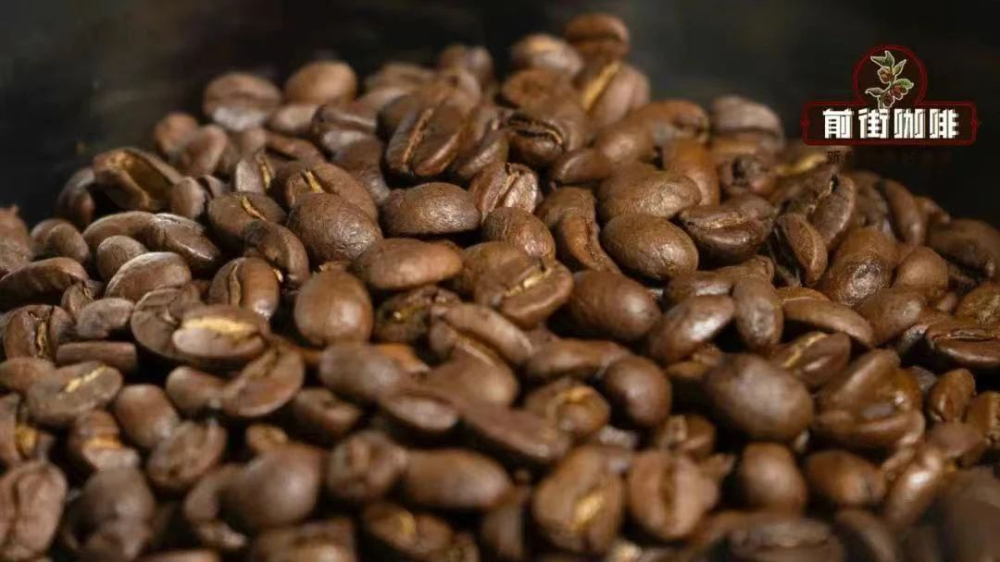
For customers who prefer crema and a full-bodied mouthfeel, Front Street Coffee has specially formulated an espresso blend product—"Front Street Commercial Blend Coffee Beans." It uses Arabica beans from Brazil and Colombia as the main body, then blends in 10% Robusta beans. On the palate, you can feel rich, thick crema and a caramel-like sweetness, with nut, cocoa, and dark chocolate flavors interwoven, achieving a good balance between acidity and sweetness, leaving only a hint of slight bitterness and a long finish. The addition of a small proportion of Robusta beans significantly enhances crema richness, while because the proportion is very low, it basically does not interfere with the overall flavor direction.
The reason Front Street Coffee named it "Commercial Blend" is that this bean delivers quite outstanding performance whether used for Americano or milk coffee, and combined with its price advantage, it is a very suitable choice for commercial cafés.
The richer the crema, the easier the latte art
Espresso is also the base for milk coffees such as lattes, and when making a hot latte, many people also casually pour a beautiful pattern on the surface. At this point, fine and abundant crema becomes especially important.
The espresso liquid with crema blends more fully with the milk foam and can maintain a stable state for a long time, which greatly affects the precision of the latte art pattern and its final setting. Espresso lacking crema may not necessarily make latte art impossible, but the formed pattern often looks slightly stiff and the outlines are relatively rough.
Beyond the beans, what is the other culprit behind thin crema?
The baristas at Front Street Coffee (FrontStreet Coffee) have previously explained several factors that influence crema performance; but if all of these are ruled out and the espresso crema is still thin and weak, where is the problem? We believe the answer lies in pressure. Looking back at the definition of crema, you can see that it is by nature a substance that only appears under pressure—as long as the pressure is sufficient, even lightly roasted beans can extract a certain amount of crema.
If you consistently fail to get the ideal crema state when extracting espresso-specific blend beans, the baristas at Front Street Coffee (FrontStreet Coffee) would suggest that you first check whether the equipment's extraction pressure meets the standard, and if necessary, consider upgrading to an espresso machine with commercial-grade performance.
The above content is compiled by CoffeeHunters, a coffee news website.


