








How Long to Froth Milk for Latte in a Barista Test?
Frothing milk for a hot latte is a core barista assessment item because it tests the whole chain: grinding, weighing, tamping, extraction, frothing, incorporation, and pouring latte art. The goal is milk foam that is fine and dense, of moderate thickness, and fluid with good flow, since only that texture supports clean latte art patterns and evenly mixed milk and espresso.
Milk temperature should land between 60°C and 65°C, where lactose sweetness comes forward. Practical guides on how do i froth milk for a latte stress watching the steam wand position and the sound of the stretch rather than a fixed stopwatch, since volume, pitcher size, and steam pressure all change the time. Examiners read the poured pattern, mouthfeel, and flavor as proof of technical control.
In the skill assessment of baristas, making a hot latte is often regarded as a key evaluation item. From grinding, extraction, to milk frothing and pouring latte art, every step can reflect whether a barista's fundamental skills are solid. A high-quality latte not only requires standardized and smooth operation, but also needs milk foam that is fine and dense, of moderate thickness, and with good fluidity, so as to support exquisite latte art patterns. In addition, controlling the milk temperature between 60°C and 65°C can stimulate the sweetness of lactose, while the quality of incorporation directly affects the taste and the cleanliness of the latte art background. Front Street Coffee often shares that by observing the overall performance of a latte, a barista's core abilities can be comprehensively evaluated, which is also an assessment method that other coffee drinks cannot replace.

Making a hot latte can comprehensively and efficiently test a barista's core skill level.
I. Operational Process
Taking a hot latte as an example, its production process can clearly demonstrate a barista's degree of technical standardization. If a hot latte is broken down, the basic steps include extracting espresso, frothing milk, and pouring latte art. But further refined, it involves many steps such as grinding, weighing the grounds, distributing the grounds, tamping, extraction, milk frothing, incorporation, latte art, and bar cleanup.
By observing whether each step is standardized and smooth, one can judge whether a barista's fundamental skills are solid. The more experienced the barista, the more composed the operation, not only maintaining standardization but also working quite quickly.
Of course, examiners focus not only on whether the movements are standard; the flavor, mouthfeel, and complexity of the latte art pattern of a hot latte are also within the scope of assessment.
II. Quality of the Milk Foam
As Front Street often says, to create a beautiful latte art pattern, one must first froth a high-quality milk foam. Milk foam suitable for latte art must meet at least three conditions: fine and dense enough, appropriate thickness, and good fluidity. Only such milk foam can produce attractive latte art, and this is exactly the milk foam quality required for a cup of hot latte.
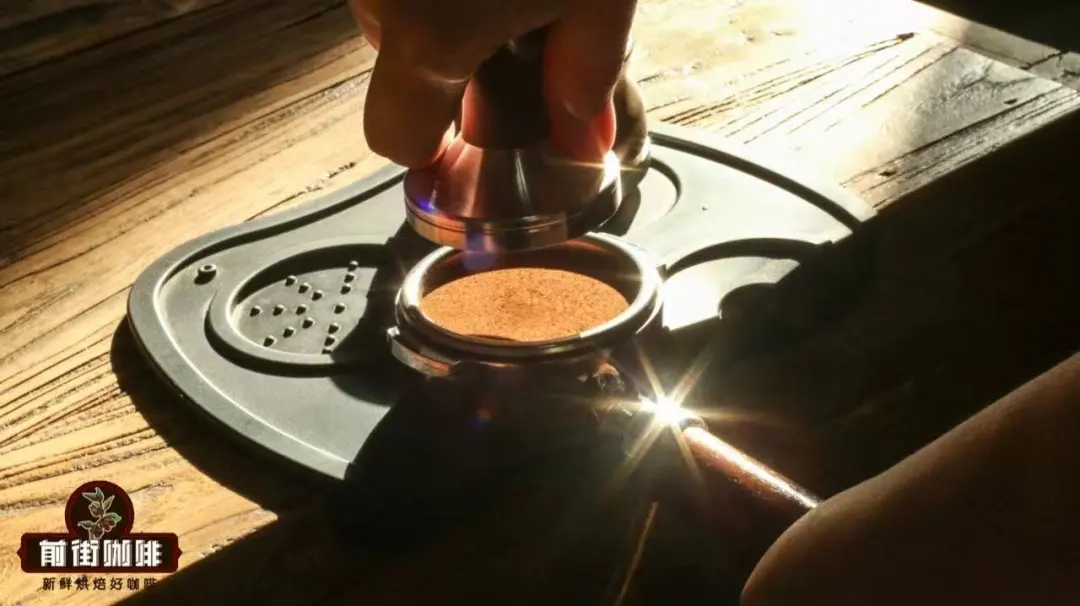
Therefore, the thickness and quality of milk foam become a skill that baristas must master before learning latte art, and it is also regarded as a standard for measuring their professionalism.
III. Latte Art of a Latte
Although the quality of the latte art pattern does not directly change the flavor of the coffee, the completeness, precision, and complexity of the pattern can be used to judge a barista's skill proficiency.
This is because to create beautiful latte art, a barista needs to go through a large amount of boring repetitive practice until muscle memory is formed and the way the patterns appear is mastered, only then can fine and exquisite patterns be drawn on the surface of the coffee. The more difficult and delicate the pattern, the longer the practice time required, so the latte art pattern can intuitively reflect a barista's latte art foundation.
IV. Taste of the Coffee
Finally, there is the taste of the coffee. The flavor of a latte is affected not only by espresso extraction, but also by milk temperature and the quality of incorporation between the milk foam and the coffee.
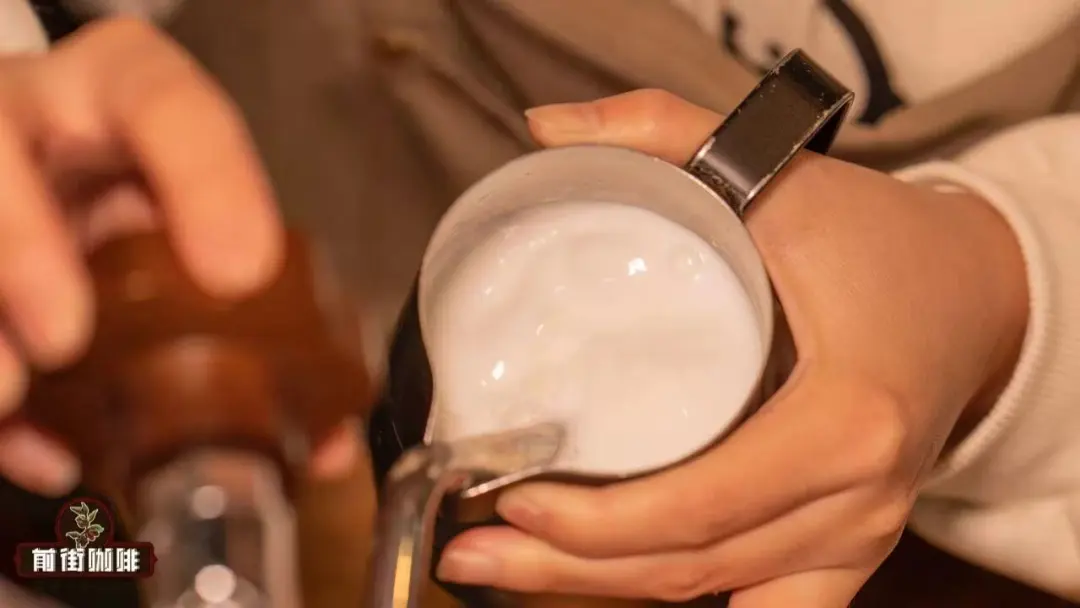
When frothing milk for a latte, temperature is usually used as the basis for stopping frothing. When the milk temperature reaches 60°C to 65°C, frothing stops. The reason is simple: this temperature range can stimulate the sweetness of lactose, while the milk will not burn the mouth when drunk, and the mouthfeel is also better. Using milk foam at this temperature to make a latte will result in a better mouthfeel and taste.
The quality of incorporation is equally important! As Front Street often mentions, the quality of incorporation not only affects the cleanliness of the latte art pattern background, but also affects the taste of the coffee.
If incorporation is done properly, the flavors of the milk foam on the coffee surface and the coffee liquid will tend to be consistent, without abrupt contrast, and the latte art background will also be very clean; if incorporation is poor, not only is the latte art background likely to be messy, but the flavors of the milk foam and coffee liquid will also differ noticeably. Therefore, by tasting the flavor of a latte, one can further understand the degree to which a barista has mastered core skills.
Finally, by comprehensively considering the performance in all the above aspects, one can evaluate whether a barista's ability meets the standard, which many other coffee drinks cannot achieve. It is precisely for this reason that the latte has become an essential item for assessing baristas.
- END -
The above content is compiled by CoffeeHunters, a coffee news website.


